How Expensive Are GLP-1 Drugs and What Does It Mean for You?
Introduction
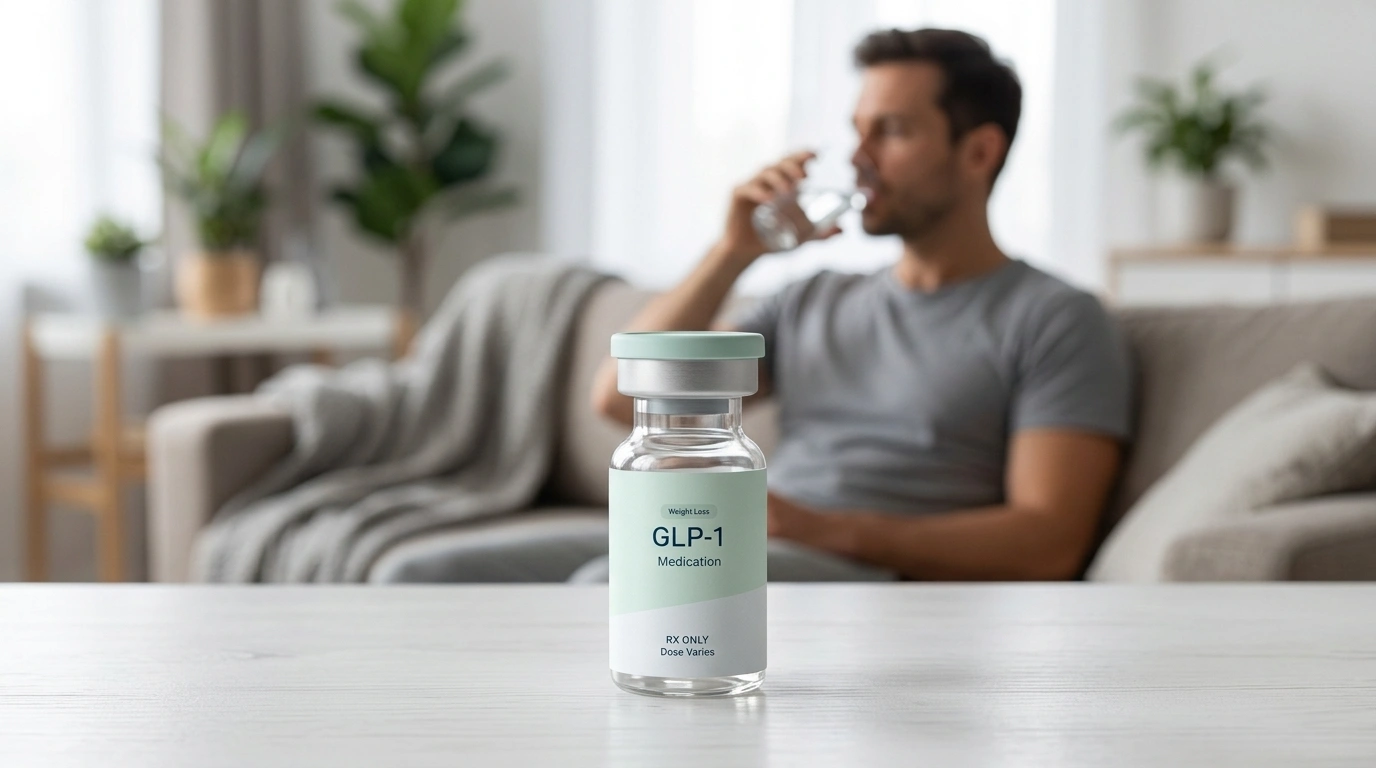
In recent years, the conversation around weight loss and chronic disease management has shifted dramatically. With the rise of GLP-1 (glucagon-like peptide-1) receptor agonists such as semaglutide and tirzepatide, many are left wondering about the implications of using these medications, particularly regarding their costs. In fact, did you know that as of early 2025, the list price for these drugs can range from approximately $936 to $1,349 per month before insurance coverage, rebates, or discounts?
These innovative medications have transformed the treatment landscape for obesity and diabetes, offering significant benefits beyond weight loss. However, affordability remains a pressing concern for many users, even those with health insurance. In this blog post, we will explore the costs associated with GLP-1 drugs, the factors influencing these costs, and what they mean for you if you’re considering these medications as part of your health journey.
Our aim is to provide you with a comprehensive understanding of GLP-1 drug costs and to highlight the importance of personalized care and support available through platforms like TrimRx. By the end of this article, we hope you will have a clearer view of the financial landscape surrounding GLP-1 drugs, as well as insight into how TrimRx can assist you in navigating your weight loss journey effectively and affordably.
Understanding GLP-1 Drugs
What Are GLP-1 Drugs?
GLP-1 receptor agonists are a class of medications primarily used to treat type 2 diabetes and, more recently, obesity. They work by mimicking the action of the GLP-1 hormone, which regulates appetite and insulin secretion. By enhancing feelings of fullness and reducing hunger, these medications can lead to substantial weight loss and improved metabolic health.
The most notable GLP-1 drugs include:
- Semaglutide (available as Ozempic® and Wegovy®)
- Tirzepatide (known as Mounjaro®)
- Liraglutide (sold under the name Saxenda®)
The Rise in Popularity
The popularity of GLP-1 drugs has surged in recent years, particularly as more individuals seek effective solutions for weight management. According to recent surveys, around 12% of adults have taken a GLP-1 agonist, with a notable increase among those managing chronic conditions such as diabetes and heart disease. Interestingly, nearly 38% of users are now employing these medications strictly for weight loss.
This growing awareness and usage have initiated discussions among healthcare professionals, policymakers, and patients about the accessibility and affordability of these medications.
The Benefits Beyond Weight Loss
While GLP-1 drugs are celebrated for their weight loss capabilities, research has shown that they also provide additional health benefits. Studies indicate that these medications can reduce the risk of cardiovascular disease, improve blood sugar control, and even slow the progression of chronic kidney disease. Such multifaceted benefits contribute to their value, but they also raise questions about their cost-effectiveness.
The Cost Landscape of GLP-1 Drugs
Price Ranges and Insurance Coverage
As previously mentioned, the cost of GLP-1 drugs can be daunting. The average monthly price without insurance can range from $936 to $1,349. While some insurance plans cover these medications, many patients still face high out-of-pocket costs. According to recent data, over half of users expressed difficulty affording their medications, even with insurance coverage.
For those who are uninsured, alternatives such as TrimRx’s personalized weight loss programs may provide a solution. Our approach combines advanced medical science with affordable care options, ensuring that individuals receive the support they need without overwhelming financial strain.
Factors Affecting Costs
Several factors influence the price of GLP-1 drugs:
- Manufacturer Pricing: Pharmaceutical companies set the list prices for their products, which can vary significantly between different brands and formulations.
- Insurance Coverage: The extent of insurance coverage for GLP-1 drugs can differ widely. Many insurance plans only cover these medications when prescribed for specific conditions, such as diabetes. As a result, patients using these medications primarily for weight loss may find themselves footing the entire bill.
- Geographical Variations: Prices can also vary by region, influenced by local demand, healthcare policies, and pharmacy pricing strategies.
- Availability and Supply Issues: Shortages and supply chain issues can impact pricing, leading to increased costs for consumers. For instance, during periods of high demand, prices may spike, further complicating the affordability issue.
- Compounded Versions: Some patients may seek out compounded versions of GLP-1 drugs through telehealth services, which can be priced lower than branded medications. However, it’s essential to approach these options with caution, as compounded drugs are not FDA-approved and may not carry the same safety assurances.
The Cost-Effectiveness Debate
Despite the high costs associated with GLP-1 drugs, studies suggest they may be worth the investment due to their potential to prevent serious health complications. Research shows that these medications could save costs related to healthcare utilization by reducing the incidence of obesity-related conditions. However, health economists argue that even with these long-term benefits, the current pricing does not meet standard cost-effectiveness thresholds.
This presents a challenge for policymakers and healthcare providers, who must balance the need for accessible treatments with the realities of pharmaceutical pricing.
Navigating Your Options with TrimRx
Personalized Weight Loss Solutions
At TrimRx, we understand the complexities surrounding GLP-1 drug costs and their implications for your journey toward better health. Our approach emphasizes personalized care, allowing each individual to receive tailored support based on their unique health needs.
We offer a free assessment quiz to help determine your eligibility for prescription weight loss medications, including GLP-1 drugs. This personalized assessment ensures that your treatment plan aligns with your specific goals and medical history.
Take our free assessment quiz to see if you qualify for our personalized weight loss medications: TrimRx Assessment Quiz.
Quick-Access Supplements for Immediate Support
In addition to our personalized weight loss programs, we also provide quick-access supplements like GLP-1 Daily Support and Weight Loss Boost. These supplements are designed to complement your weight loss journey and can be purchased immediately without the need for a quiz.
- GLP-1 Daily Support: A supplement to support your body’s natural processes.
- Weight Loss Boost: Enhance your weight loss efforts with this supportive formula.
Conclusion
The landscape of GLP-1 drugs reveals a complex intersection of health, economics, and personal well-being. While the high cost of these medications poses a significant barrier for many, the potential benefits they offer in terms of weight loss and chronic disease management cannot be understated.
At TrimRx, we are dedicated to providing personalized, medically supervised weight loss solutions that prioritize your health and financial well-being. By offering individualized care and access to effective treatments, we strive to make sustainable weight loss attainable for everyone.
As you consider your options, remember that support is available. Together, we can navigate the challenges of weight loss and health management, ensuring that you find the best path for your needs.
FAQ
What are GLP-1 drugs used for?
GLP-1 drugs are primarily used to manage type 2 diabetes and aid in weight loss by mimicking hormones that regulate appetite and insulin secretion.
Why are GLP-1 drugs so expensive?
The high costs of GLP-1 drugs are influenced by factors such as manufacturer pricing, insurance coverage limitations, geographical variations, and supply chain issues.
Can I get GLP-1 medications without insurance?
Yes, there are options available for those without insurance, including TrimRx’s personalized programs and quick-access supplements. However, out-of-pocket costs can be high for GLP-1 medications.
How can TrimRx help me with my weight loss journey?
TrimRx offers personalized weight loss programs that include a free assessment quiz to determine eligibility for prescription medications, as well as quick-access supplements to support your efforts.
Are there side effects associated with GLP-1 drugs?
Like all medications, GLP-1 drugs may have side effects. It’s essential to discuss potential risks and benefits with a healthcare professional before starting any new treatment.
By addressing your questions and concerns, we hope to empower you in your weight loss journey and support you in achieving your health goals with confidence.

Transforming Lives, One Step at a Time
Keep reading

How to Adjust Weight Loss Goals on GLP-1 Medications
Adjust weight goals on GLP-1 meds by tracking body composition and labs, optimizing protein, activity, sleep, and working with your provider on dosing.
Falsified Mounjaro pens prompt urgent safety advisory
MHRA warns of counterfeit Mounjaro pens (batch D873576); stop use and check batch numbers for infection risk.
Novo Nordisk shares drop as Alzheimer’s hopes for weight-loss drug fade
Novo Nordisk’s semaglutide failed to slow Alzheimer’s in large trials, prompting shares to fall and expert reactions.


