Is Berberine GLP-1? Understanding the Connection Between Berberine and Glucagon-Like Peptide-1

Introduction
In the vast landscape of health supplements, few have stirred as much intrigue as berberine. Often touted as a “natural” alternative to popular medications, it has gained attention for its potential benefits in managing blood sugar levels and supporting weight loss. However, a question hangs in the air: Is berberine GLP-1? This inquiry leads us to explore the relationship between berberine and glucagon-like peptide-1 (GLP-1), a hormone that plays a crucial role in glucose metabolism and appetite regulation.
The significance of berberine and GLP-1 extends beyond mere curiosity; they represent a growing interest in natural solutions for weight management and metabolic health. As we delve deeper into this topic, we will examine the mechanisms through which berberine influences GLP-1 secretion, its potential benefits, and the implications for individuals seeking to manage their weight and overall health effectively.
By the end of this blog post, we aim to provide you with a comprehensive understanding of how berberine interacts with GLP-1 and what this means for your health journey. We’ll also highlight the importance of personalized weight loss solutions, as we believe that each individual’s path to health is unique.
What is Berberine?
Berberine is a bioactive compound found in various plants, including barberry, goldenseal, and coptis. Traditionally used in Chinese medicine, berberine has been linked to numerous health benefits, particularly in managing conditions such as type 2 diabetes and metabolic syndrome. Its popularity has surged in recent years, with many people seeking out berberine supplements for their reported effects on blood sugar levels and weight management.
How Does Berberine Work?
The mechanisms of action for berberine are multifaceted. Research indicates that berberine can help lower blood sugar levels by enhancing insulin sensitivity, reducing glucose production in the liver, and improving lipid profiles. Additionally, it has been shown to modulate gut microbiota and exert anti-inflammatory effects.
What makes berberine particularly interesting in the context of this discussion is its influence on GLP-1. Studies have suggested that berberine may stimulate the secretion of GLP-1 from intestinal L-cells, potentially mimicking some of the effects of GLP-1 receptor agonists like semaglutide, a medication commonly used for type 2 diabetes and weight loss.
Understanding GLP-1 and Its Role in Metabolism
GLP-1 is a hormone produced in the intestines that has several critical functions in regulating glucose metabolism and appetite. Here are key aspects of GLP-1:
- Insulin Secretion: GLP-1 enhances insulin secretion in response to meals, helping to lower blood glucose levels effectively.
- Appetite Regulation: It promotes a feeling of fullness, reducing food intake and contributing to weight loss.
- Gastric Emptying: GLP-1 slows gastric emptying, which helps control post-meal blood sugar spikes.
The role of GLP-1 in managing diabetes and obesity has led to the development of medications that mimic its action. However, the potential for natural compounds like berberine to influence GLP-1 levels presents an exciting area of exploration.
Berberine’s Influence on GLP-1 Secretion
While the research on berberine and GLP-1 is still evolving, preliminary findings suggest a promising relationship. Here’s how berberine may influence GLP-1:
1. Enhancing GLP-1 Production
Studies have indicated that berberine can stimulate the secretion of GLP-1 from the intestinal L-cells. This effect is believed to occur through various signaling pathways, including the activation of specific receptors and the modulation of gut microbiota, which in turn influences hormone production.
2. Impact on Gut Microbiota
Berberine’s ability to alter gut microbiota composition may also play a role in its effects on GLP-1. A balanced gut microbiome is crucial for optimal hormone secretion and metabolic function. By promoting beneficial bacteria, berberine might enhance GLP-1 production and overall metabolic health.
3. Potential Benefits for Weight Management
The increase in GLP-1 levels linked to berberine consumption could contribute to appetite regulation and weight loss. As we explore the implications of this relationship, it’s essential to consider how berberine might serve as a complementary approach alongside lifestyle modifications.
The Science Behind Berberine and GLP-1
Several studies have investigated the connection between berberine and GLP-1, with promising results. For example, research has shown that berberine supplementation can lead to increased GLP-1 levels, improved insulin sensitivity, and better control of blood sugar levels in individuals with type 2 diabetes.
Key Findings from Recent Studies
- Blood Sugar Control: A meta-analysis indicated that berberine is effective in reducing fasting blood glucose and HbA1c levels, with some studies suggesting that this effect is linked to increased GLP-1 secretion.
- Weight Loss: Although the weight loss associated with berberine is modest compared to pharmaceutical options, some research supports its role in reducing body weight and waist circumference, possibly through its effects on GLP-1.
- Gut Health: Studies have highlighted the importance of gut microbiota in modulating GLP-1 secretion. Berberine’s prebiotic effects may help maintain a healthy gut environment conducive to optimal GLP-1 production.
Berberine vs. GLP-1 Agonists: A Comparative Overview
While both berberine and GLP-1 agonists like semaglutide influence GLP-1 levels, they do so through different mechanisms and with varying degrees of effectiveness. Here’s a comparison of the two:
| Feature | Berberine | GLP-1 Agonists (e.g., Semaglutide) |
|---|---|---|
| Mechanism of Action | Stimulates GLP-1 secretion | Mimics GLP-1 action |
| Administration | Oral supplement | Injectable medication |
| Weight Loss Potential | Modest | Significant |
| Side Effects | Gastrointestinal issues | Nausea, vomiting, diarrhea |
| Regulation | Dietary supplement | Prescription medication |
While berberine may provide some benefits, it is essential to recognize that GLP-1 agonists are specifically designed to mimic the effects of GLP-1 and have undergone rigorous testing for efficacy and safety.
Integrating Berberine into a Personalized Weight Loss Journey
At TrimRx, we understand that the path to weight loss and improved health is not a one-size-fits-all approach. We believe in the power of personalization, combining advanced medical science with modern technology to create individualized weight loss solutions. Here’s how you can consider integrating berberine into your journey:
1. Consult with a Healthcare Professional
Before starting any new supplement, including berberine, it’s crucial to consult with a healthcare provider. They can help evaluate your specific health needs, assess potential interactions with medications, and determine the appropriate dosage.
2. Embrace a Holistic Approach
While berberine may offer benefits, sustainable weight loss typically requires a comprehensive approach that includes dietary changes, physical activity, and behavioral modifications. Consider taking our free assessment quiz at TrimRx to receive personalized recommendations tailored to your unique journey.
3. Explore Complementary Supplements
To support your weight loss efforts, you may also consider our quick-access supplements, such as GLP-1 Daily Support and Weight Loss Boost. These products can enhance your overall wellness and complement your weight loss journey.
- For further support, check out our GLP-1 Daily Support and Weight Loss Boost.
Conclusion
The relationship between berberine and GLP-1 is a fascinating area of research that holds promise for those exploring natural avenues for weight management and metabolic health. While berberine may influence GLP-1 secretion and offer certain benefits, it is essential to approach its use thoughtfully and in conjunction with other lifestyle changes.
At TrimRx, we remain committed to providing personalized, medically supervised weight loss solutions that prioritize safety and effectiveness. We encourage you to take our free assessment quiz to discover how our tailored programs can support your journey toward a healthier lifestyle. Together, we can navigate the complexities of weight loss and empower you to achieve your goals.
FAQ
What is the recommended dosage of berberine?
Most studies suggest a dosage of around 1.5 grams per day, often divided into multiple doses. However, it’s essential to consult with a healthcare professional to determine the right dosage for your specific needs.
Are there any side effects associated with berberine?
Common side effects may include gastrointestinal issues such as diarrhea, constipation, and nausea. It’s crucial to monitor your response and consult a healthcare provider if you experience any adverse effects.
Can berberine replace prescription medications for diabetes?
While berberine may offer some benefits for blood sugar control, it should not replace prescribed medications without consulting a healthcare professional. Always discuss any changes to your treatment plan with your provider.
How long does it take to see results from berberine?
Results may vary among individuals, but some studies suggest improvements in blood sugar levels can be observed within a few weeks of consistent berberine supplementation.
Is berberine safe to take with other medications?
Berberine can interact with various medications, so it’s crucial to consult with a healthcare provider before starting supplementation, especially if you are taking other medications for diabetes or other health conditions.

Transforming Lives, One Step at a Time
Keep reading

How to Adjust Weight Loss Goals on GLP-1 Medications
Adjust weight goals on GLP-1 meds by tracking body composition and labs, optimizing protein, activity, sleep, and working with your provider on dosing.
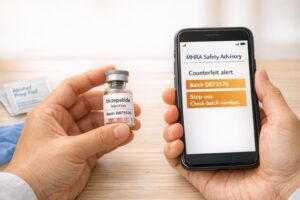
Falsified Mounjaro pens prompt urgent safety advisory
MHRA warns of counterfeit Mounjaro pens (batch D873576); stop use and check batch numbers for infection risk.

Novo Nordisk shares drop as Alzheimer’s hopes for weight-loss drug fade
Novo Nordisk’s semaglutide failed to slow Alzheimer’s in large trials, prompting shares to fall and expert reactions.


