How to Manage GLP-1 Side Effects for a Successful Weight Loss Journey
Introduction
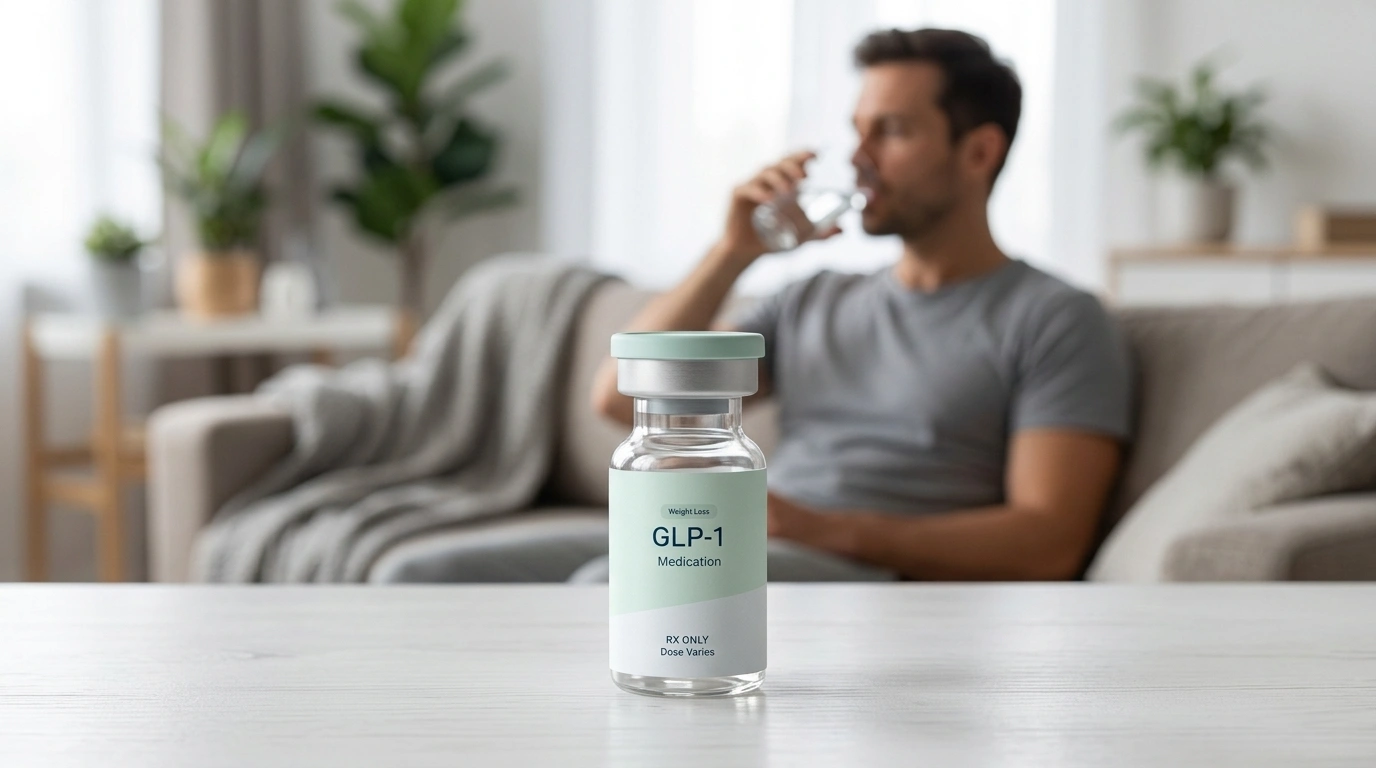
The rise in obesity rates in the United States has made effective weight management solutions more essential than ever. As we seek to improve the health and well-being of our communities, GLP-1 medications have emerged as a groundbreaking option. These medications, designed to mimic the effects of the hormone glucagon-like peptide-1, can help regulate blood sugar levels and promote weight loss. However, they are not without their challenges.
Reports indicate that gastrointestinal side effects, such as nausea, vomiting, diarrhea, and constipation, affect a significant percentage of users. These side effects may deter individuals from continuing their prescribed weight loss regimens, leading to frustration and diminished results. This blog aims to provide you with actionable strategies to manage these side effects, ensuring that you can stick to your weight loss plan and reach your goals.
By the end of this article, you will gain insights into the common side effects of GLP-1 medications, practical tips for managing them, and how our personalized programs at TrimRx can support you throughout your journey. Together, we’ll explore effective management techniques, dietary adjustments, and hydration strategies that can significantly improve your experience with GLP-1 therapies.
Do you find yourself feeling queasy after taking a medication that promises weight loss? You’re not alone. Many individuals who turn to GLP-1 receptor agonists for weight management report experiencing a range of side effects, particularly gastrointestinal issues like nausea and constipation. As we navigate the complexities of effective weight loss, understanding how to manage these side effects can be just as crucial as the weight loss journey itself.
At TrimRx, we recognize the importance of providing not only effective weight loss solutions but also the support and guidance necessary to help our clients thrive. In this blog post, we will explore how to manage GLP-1 side effects effectively, ensuring that your weight loss journey is as smooth and successful as possible.
Understanding GLP-1 Medications
What Are GLP-1 Medications?
GLP-1 medications are a class of drugs designed to help individuals manage type 2 diabetes and obesity. They work by mimicking the natural hormone GLP-1, which is released in the intestines in response to food intake. This hormone plays a vital role in regulating appetite, promoting satiety, and stimulating insulin release while inhibiting glucagon secretion. As a result, GLP-1 medications can help control blood sugar levels and facilitate weight loss. Some commonly prescribed GLP-1 medications include Semaglutide (Ozempic® and Wegovy®), Liraglutide (Victoza® and Saxenda®), and Tirzepatide (Mounjaro®).
The Role of GLP-1 in Weight Loss
The mechanism of action for GLP-1 medications involves slowing gastric emptying, which not only helps individuals feel fuller for longer but also reduces the overall caloric intake. While the weight loss benefits of GLP-1 medications are significant, they can also lead to uncomfortable side effects that may hinder a patient’s experience.
Common Side Effects of GLP-1 Medications
While many individuals tolerate GLP-1 medications well, side effects occur in a considerable number of cases. Understanding these side effects can empower you to manage them effectively.
Nausea and Vomiting
Nausea is often the most reported side effect of GLP-1 medications, affecting up to 70% of users, particularly during the initial phases of treatment or when the dosage is increased. Vomiting can also occur but is less common.
Diarrhea and Constipation
Gastrointestinal disturbances such as diarrhea and constipation can significantly impact quality of life. These side effects may arise due to the slowed gastric emptying caused by GLP-1 medications.
Other Potential Side Effects
While less common, other side effects can include fatigue, headache, and, in rare cases, serious conditions like pancreatitis. It’s essential to remain vigilant and communicate with your healthcare provider about any adverse effects you experience.
How to Manage GLP-1 Side Effects
Effective management of GLP-1 side effects is crucial for maintaining adherence to your weight loss plan. Here, we outline several strategies to help you navigate these challenges smoothly.
1. Start with the Right Dosage
The right dosage can make a significant difference in the severity of side effects. At TrimRx, we emphasize the importance of starting with a lower dose and gradually increasing it to allow your body to adjust. This approach can help mitigate nausea and other gastrointestinal issues.
2. Hydration is Key
Staying well-hydrated can help alleviate many gastrointestinal side effects. It is crucial to drink plenty of water throughout the day, especially if you experience symptoms like nausea or diarrhea. Aim for at least 8-10 glasses of water daily.
3. Dietary Adjustments
Making simple dietary changes can significantly improve your comfort while taking GLP-1 medications. Here are some tips:
- Eat Smaller, More Frequent Meals: Instead of larger meals, opt for smaller, more frequent portions to ease the digestive burden and stabilize blood sugar levels.
- Avoid High-Fat and Spicy Foods: High-fat foods can take longer to digest and exacerbate symptoms. Spicy foods may irritate the stomach lining.
- Incorporate Fiber Gradually: A diet rich in fiber can help manage constipation. However, increase fiber intake gradually to avoid bloating and discomfort.
4. Explore Natural Remedies
Incorporating natural remedies like ginger or peppermint tea may alleviate nausea. Additionally, consuming bland foods, such as crackers or toast, can help settle your stomach.
5. Limit Alcohol and Caffeine
Both alcohol and caffeine can irritate the gastrointestinal tract. Reducing or eliminating them from your diet can help improve your overall experience with GLP-1 medications.
6. Monitor Your Symptoms
Keeping a food and symptom diary can help identify triggers and patterns related to your side effects. This information can be invaluable when discussing your experience with your healthcare provider.
7. Seek Professional Guidance
If side effects persist or worsen, reach out to your healthcare provider. They may recommend adjusting your dosage or trying a different medication. At TrimRx, we offer personalized assessment quizzes to help determine the best weight loss solutions tailored to your needs.
8. Consider Quick-Access Supplements
During your weight loss journey, supplements like our GLP-1 Daily Support and Weight Loss Boost can provide additional support. These products are designed to complement your weight loss regimen and help you manage side effects effectively.
Conclusion
Managing GLP-1 side effects is an essential aspect of achieving sustainable weight loss. By understanding these side effects and implementing effective management strategies, you can enhance your experience with GLP-1 medications. At TrimRx, we are dedicated to providing tailored support, ensuring that you not only lose weight but also feel empowered and equipped to maintain a healthier lifestyle.
As you embark on this journey, remember that you are not alone. Together, we can navigate the complexities of weight loss and find the solutions that work best for you. If you haven’t done so already, consider taking our free assessment quiz to discover if our personalized weight loss programs are right for you.
FAQ
What are GLP-1 medications?
GLP-1 medications are drugs that mimic the glucagon-like peptide-1 hormone to help regulate blood sugar and promote weight loss. They are commonly used for managing type 2 diabetes and obesity.
What are the common side effects of GLP-1 medications?
Common side effects include nausea, vomiting, diarrhea, and constipation. These symptoms may vary in intensity and duration depending on the individual and dosage.
How can I manage nausea from GLP-1 medications?
To manage nausea, consider eating smaller meals, staying hydrated, and avoiding strong-smelling or high-fat foods. Natural remedies like ginger or peppermint tea may also help alleviate nausea.
Should I stop taking my GLP-1 medication if I experience side effects?
It is essential to consult with your healthcare provider before making any changes to your medication regimen. They can provide guidance on adjusting the dosage or exploring alternative options.
Where can I find support during my weight loss journey?
At TrimRx, we offer personalized weight loss programs that include doctor consultations, medication management, and unlimited support. Our platform is designed to provide you with the resources you need for a successful journey.
Together, we can achieve your weight loss goals while navigating the challenges of GLP-1 medications. Take the first step today by exploring our solutions and resources!

Transforming Lives, One Step at a Time
Keep reading

How to Adjust Weight Loss Goals on GLP-1 Medications
Adjust weight goals on GLP-1 meds by tracking body composition and labs, optimizing protein, activity, sleep, and working with your provider on dosing.
Falsified Mounjaro pens prompt urgent safety advisory
MHRA warns of counterfeit Mounjaro pens (batch D873576); stop use and check batch numbers for infection risk.

Novo Nordisk shares drop as Alzheimer’s hopes for weight-loss drug fade
Novo Nordisk’s semaglutide failed to slow Alzheimer’s in large trials, prompting shares to fall and expert reactions.


