Is GLP-1 Legit? Understanding the Efficacy and Safety of GLP-1 Medications

Introduction
When it comes to weight loss and diabetes management, the conversation often revolves around a class of medications known as GLP-1 receptor agonists. With names like Ozempic, Wegovy, and Mounjaro gaining significant attention, one might wonder: is GLP-1 legit? Are these medications a revolutionary breakthrough in health, or just another fad?
In this blog post, we will delve into the science behind GLP-1 medications, their mechanisms of action, the current landscape of their use, and the associated benefits and risks. Our aim is to provide you with a comprehensive understanding of GLP-1 medications so that you can make informed choices about your health journey.
What if we told you that a single class of medications could help regulate blood sugar levels and promote weight loss simultaneously? While this may sound too good to be true, the reality is that GLP-1 receptor agonists are doing just that. These medications have garnered attention for their effectiveness in managing type 2 diabetes and aiding weight loss, especially in individuals who struggle with obesity.
Historically, GLP-1 medications were primarily used to treat diabetes, but they have recently gained popularity as weight loss agents among the general public. This shift has prompted a flurry of discussions, both supportive and critical, about their safety, efficacy, and appropriateness for off-label use in weight management.
In this post, we will explore the inner workings of GLP-1 medications, the scientific evidence supporting their use, potential side effects, and best practices for integrating them into a comprehensive weight loss strategy. We encourage you to reflect on your own health goals as we navigate this essential topic.
By the end of this post, we hope to clarify whether GLP-1 medications are a legitimate option for weight loss and diabetes management, shedding light on both their potential and their limitations.
What are GLP-1 Medications?
GLP-1 receptor agonists are a class of drugs that mimic the action of glucagon-like peptide-1 (GLP-1), a hormone naturally produced in the intestines. This hormone plays a crucial role in glucose metabolism, appetite regulation, and gastric emptying. When GLP-1 is released in response to food intake, it helps regulate blood sugar levels by:
- Stimulating Insulin Secretion: GLP-1 enhances the secretion of insulin from the pancreas, which lowers blood sugar levels.
- Inhibiting Glucagon Release: It suppresses the release of glucagon, a hormone that raises blood sugar levels, thus maintaining a balanced metabolic state.
- Delaying Gastric Emptying: By slowing down digestion, GLP-1 promotes a feeling of fullness, which can lead to reduced food intake.
The FDA has approved several GLP-1 medications, including:
- Semaglutide (Ozempic for diabetes and Wegovy for weight loss)
- Liraglutide (Victoza for diabetes and Saxenda for weight loss)
- Tirzepatide (Mounjaro for both diabetes and weight loss)
Each of these medications operates on the same fundamental principles but may vary in their specific applications and dosages.
The Rise of GLP-1 Medications
The surge in popularity of GLP-1 medications can be traced back to their introduction and subsequent FDA approvals for weight loss. Initially, they were celebrated for their efficacy in managing type 2 diabetes, but their ability to facilitate weight loss has propelled them into the spotlight.
Research has shown that individuals using GLP-1 medications can achieve significant weight loss—often around 15% of their body weight—over a sustained period. This statistic has caught the attention of many, leading to increased demand and visibility on social media platforms.
However, this rise in popularity has not come without controversy. Concerns have emerged regarding the off-label use of these medications, particularly among individuals who do not have diabetes but seek rapid weight loss. As we will discuss, while GLP-1 medications can be effective, they are not a one-size-fits-all solution.
How GLP-1 Medications Work
To understand the efficacy of GLP-1 medications, it’s essential to examine how they operate within the body. When administered, these drugs bind to GLP-1 receptors, mimicking the natural hormone’s effects. The key mechanisms include:
1. Enhanced Insulin Secretion
- Mechanism: GLP-1 medications stimulate the pancreas to release more insulin in response to elevated blood glucose levels, particularly after meals.
- Benefit: This helps to lower blood sugar levels efficiently and can reduce the risk of long-term complications associated with diabetes.
2. Inhibition of Glucagon
- Mechanism: By suppressing glucagon release, GLP-1 medications help to prevent the liver from producing excess glucose.
- Benefit: This action aids in maintaining stable blood sugar levels, which is particularly important for diabetes management.
3. Appetite Regulation
- Mechanism: GLP-1 medications act on the brain’s appetite centers to promote a sense of fullness, reducing hunger and food intake.
- Benefit: This can contribute to weight loss, as individuals naturally consume fewer calories.
4. Slower Gastric Emptying
- Mechanism: By delaying the emptying of the stomach, GLP-1 medications ensure that food is digested more slowly.
- Benefit: This prolongs feelings of satiety, helping to control overeating.
These combined effects make GLP-1 medications effective tools for both weight loss and diabetes management. However, it’s crucial to note that these medications should be integrated into a broader health plan that includes dietary changes and physical activity.
The Evidence Supporting GLP-1 Medications
The effectiveness of GLP-1 medications has been supported by numerous clinical studies, which have demonstrated their ability to improve glycemic control and facilitate weight loss. Here are some of the notable findings:
- Weight Loss: Clinical trials have shown that participants using GLP-1 medications can lose up to 15% of their body weight over 68 weeks, compared to 2-3% in those taking a placebo.
- Blood Sugar Control: Studies indicate that GLP-1 medications can significantly lower HbA1c levels, a marker of long-term blood sugar control, in individuals with type 2 diabetes.
- Cardiovascular Benefits: Research suggests that GLP-1 medications may also offer cardiovascular benefits, reducing the risk of heart-related events in individuals with diabetes.
These findings underscore the legitimacy of GLP-1 medications in managing weight and diabetes. Nevertheless, they also highlight the importance of personalized treatment plans, as individual responses to these medications can vary.
Potential Side Effects of GLP-1 Medications
While GLP-1 medications have proven benefits, they are not without potential side effects. Understanding these is crucial for anyone considering their use:
Common Side Effects
- Gastrointestinal Issues: Nausea, vomiting, diarrhea, and constipation are the most commonly reported side effects. These symptoms often subside over time as the body adjusts to the medication.
- Injection Site Reactions: Some individuals may experience redness or swelling at the injection site.
Serious Side Effects
Although rare, some serious side effects can occur, including:
- Pancreatitis: Inflammation of the pancreas, which can cause severe abdominal pain.
- Gallbladder Issues: Increased risk of gallstones or gallbladder disease.
- Kidney Problems: Some patients may experience worsening kidney function, particularly those with pre-existing conditions.
Given these potential side effects, it’s important to have an open dialogue with healthcare providers about any concerns and to report any adverse reactions promptly.
Considerations for Use
Before starting a GLP-1 medication, there are several important considerations to keep in mind:
1. Individual Health Status
GLP-1 medications are not suitable for everyone. Individuals with a history of certain medical conditions, such as pancreatitis or specific types of thyroid cancer, should avoid these drugs.
2. Lifestyle Changes
For optimal results, GLP-1 medications should be part of a comprehensive weight loss program that includes dietary changes and regular physical activity. At TrimRx, we emphasize the importance of a personalized treatment plan that considers individual needs, preferences, and health goals.
3. Ongoing Monitoring
Regular follow-up appointments with a healthcare provider are essential to monitor progress, adjust dosages, and address any side effects or concerns.
4. Economic Considerations
Cost and insurance coverage can also play a role in the accessibility of these medications. Given the high demand, there may be shortages or challenges in obtaining prescriptions.
Alternatives and Complementary Approaches
While GLP-1 medications have shown efficacy, they are part of a broader weight management strategy. Alongside these medications, we also recommend considering:
- Dietary Adjustments: Focusing on whole foods, high-fiber options, and lean proteins can naturally support weight loss and improve overall health.
- Physical Activity: Regular exercise not only aids in weight loss but also improves insulin sensitivity and cardiovascular health.
- Behavioral Support: Engaging with support groups or working with a healthcare professional can provide motivation and accountability.
For those looking for quick-access supplements to complement their weight loss journey, we offer products like GLP-1 Daily Support and Weight Loss Boost. While these do not replace the efficacy of GLP-1 medications, they can provide additional support.
Conclusion
GLP-1 medications represent a significant advancement in the management of weight and type 2 diabetes. Their ability to regulate blood sugar, reduce appetite, and promote weight loss has made them a legitimate option for many individuals. However, it’s crucial to approach their use thoughtfully and in conjunction with a comprehensive health plan.
As we continue to explore the landscape of weight management, we encourage you to consider your unique health goals and consult with healthcare professionals to determine the best path forward. Remember, at TrimRx, we are dedicated to providing personalized, medically supervised care to help you achieve sustainable weight loss through science, empathy, and a transparent approach.
FAQ
Are GLP-1 medications safe for everyone?
A: No, GLP-1 medications are not suitable for individuals with certain medical conditions, such as a history of pancreatitis or specific thyroid cancers. Always consult with a healthcare provider.
How quickly can I expect to see results with GLP-1 medications?
A: Many individuals may start to see weight loss results within a few weeks, but optimal results often occur after several months of consistent use and lifestyle changes.
Can I take GLP-1 medications if I do not have diabetes?
A: Yes, some GLP-1 medications are FDA-approved for weight management in individuals without diabetes. However, it is essential to consult a healthcare provider.
What should I do if I experience side effects?
A: If you experience side effects, contact your healthcare provider immediately. They may recommend adjusting the dosage or switching medications.
How can I learn more about my eligibility for GLP-1 medications?
A: We encourage you to take our free assessment quiz at TrimRx to see if you qualify for our prescription weight loss medications.
By understanding the efficacy, safety, and proper usage of GLP-1 medications, we can confidently navigate our health journeys together.

Transforming Lives, One Step at a Time
Keep reading

How to Adjust Weight Loss Goals on GLP-1 Medications
Adjust weight goals on GLP-1 meds by tracking body composition and labs, optimizing protein, activity, sleep, and working with your provider on dosing.
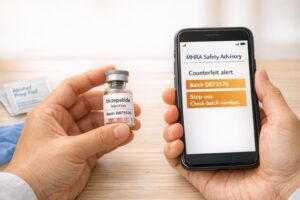
Falsified Mounjaro pens prompt urgent safety advisory
MHRA warns of counterfeit Mounjaro pens (batch D873576); stop use and check batch numbers for infection risk.

Novo Nordisk shares drop as Alzheimer’s hopes for weight-loss drug fade
Novo Nordisk’s semaglutide failed to slow Alzheimer’s in large trials, prompting shares to fall and expert reactions.


