Can You Take GLP-1 Medications While Pregnant?

Introduction
The journey to motherhood can be a complex and emotional experience for many. With approximately 1-2% of pregnancies globally affected by pregestational diabetes, the intersection of pregnancy and medication use, particularly GLP-1 receptor agonists (GLP-1 RAs), is an increasingly relevant topic. These medications, initially designed for managing type 2 diabetes and obesity, have gained attention for their effectiveness in weight loss and blood sugar regulation. However, a significant question arises: Can you take GLP-1 medications while pregnant?
In this blog post, we will delve into the implications of using GLP-1 medications during pregnancy, exploring safety considerations, potential risks, and the importance of individualized care. Our goal is to provide you with a comprehensive understanding of this critical issue, ensuring that you feel informed and empowered as you navigate your health journey. We will cover the following aspects:
- An overview of GLP-1 medications and their purposes
- The current research on GLP-1 medications and pregnancy outcomes
- Recommendations for women who are pregnant or planning to conceive
- Strategies for managing diabetes and weight during pregnancy
- Support options available to women navigating these challenges
As we explore these topics, we will emphasize the importance of personalized, medically supervised care—values that TrimRx embodies as we strive to support individuals in achieving their health goals.
Understanding GLP-1 Medications
GLP-1 receptor agonists, such as Ozempic, Wegovy, and Mounjaro, mimic the action of the hormone glucagon-like peptide-1. These medications are primarily used to treat type 2 diabetes and aid in weight loss by enhancing insulin secretion, suppressing glucagon release, and promoting satiety. Their effectiveness has led to increased prescriptions, particularly among women of childbearing age, raising questions about their safety during pregnancy.
How Do GLP-1 Medications Work?
GLP-1 medications work by:
- Increasing Insulin Secretion: They stimulate the pancreas to secrete more insulin when blood sugar levels are elevated.
- Suppressing Glucagon Production: By decreasing the release of glucagon, these medications help lower blood sugar levels.
- Delaying Gastric Emptying: Slower digestion can help individuals feel fuller for longer, thereby aiding in weight loss.
The increased use of GLP-1 medications among women of reproductive age necessitates a thorough understanding of their implications during pregnancy.
The Intersection of GLP-1 Medications and Pregnancy
Current Research Findings
Recent studies have sought to evaluate the safety of GLP-1 medications during pregnancy. A multicenter cohort study examined the pregnancy outcomes of women exposed to GLP-1 RAs during the first trimester, revealing some promising findings:
- Exposure to GLP-1 medications in early pregnancy was not associated with an increased risk of major birth defects when compared to pregnant women with diabetes who were treated with other medications.
- The cumulative incidence of live births among women using GLP-1 medications was 59%, which is comparable to the rates observed in the general population.
While these findings provide some reassurance, they also highlight the need for further research to explore long-term outcomes and the safety of these medications throughout pregnancy.
Implications for Women with Type 2 Diabetes
For women with type 2 diabetes, managing blood sugar levels during pregnancy is paramount. Poor glycemic control can lead to complications such as preeclampsia, birth defects, and fetal growth restrictions. Therefore, the use of GLP-1 medications in this population must be carefully considered, weighing the benefits of improved glycemic control against the potential risks.
Recommendations for Pregnant Women Using GLP-1 Medications
Most healthcare providers recommend discontinuing GLP-1 medications as soon as pregnancy is confirmed. This precaution stems from:
- The limited data available on the long-term effects of GLP-1 medications during pregnancy.
- The potential risks associated with fetal exposure to these drugs.
If you find yourself unexpectedly pregnant while using a GLP-1 medication, it is crucial to consult with your healthcare provider immediately. They can help develop a plan to manage your diabetes and weight safely throughout your pregnancy.
Managing Diabetes and Weight During Pregnancy
Alternative Management Strategies
For women who must stop taking GLP-1 medications during pregnancy, several alternative strategies can help manage diabetes and weight:
- Nutrition Therapy: Focused dietary interventions can help maintain stable blood sugar levels. A balanced diet rich in whole foods, fiber, and healthy fats is essential.
- Physical Activity: Engaging in safe, moderate-intensity physical activities can support weight management and overall health.
- Blood Sugar Monitoring: Regularly checking blood sugar levels allows for timely adjustments in dietary and lifestyle choices.
The Importance of Personalized Care
At TrimRx, we recognize that each individual’s journey is unique. Our commitment to providing personalized, medically supervised care means that we offer tailored solutions based on your specific needs. Whether you’re managing diabetes or working towards a healthier weight, we are here to support you every step of the way.
Support Options Available
Navigating pregnancy while managing diabetes and weight can be challenging. Here are some support options to consider:
- Healthcare Provider Consultation: Regular check-ins with your healthcare provider can help ensure that you are managing your health effectively. They can guide you through dietary recommendations, exercise plans, and any necessary adjustments to your treatment.
- Dietitian Services: A registered dietitian can provide personalized nutrition advice to help you maintain a healthy diet during pregnancy.
- Support Groups: Connecting with others who are experiencing similar challenges can provide emotional support and practical advice.
Conclusion
The question of whether you can take GLP-1 medications while pregnant is complex and requires careful consideration. While current research offers some reassurance regarding the safety of these medications during early pregnancy, it is essential to approach this topic with caution. Discontinuing GLP-1 medications upon learning of a pregnancy and working closely with healthcare providers to manage diabetes and weight is the recommended course of action.
At TrimRx, we are dedicated to providing personalized, medically supervised care to help you achieve your health goals. Whether you’re managing diabetes, navigating pregnancy, or working towards a healthier weight, we are here to support you. If you’re interested in exploring our personalized weight loss programs or need guidance on managing your health, we invite you to take our free assessment quiz here.
FAQ
What are GLP-1 medications?
GLP-1 medications are a class of drugs used primarily for treating type 2 diabetes and aiding in weight loss. They mimic the hormone GLP-1, which helps regulate blood sugar levels and promotes feelings of fullness.
Is it safe to take GLP-1 medications during pregnancy?
Most healthcare providers recommend discontinuing GLP-1 medications as soon as pregnancy is confirmed due to limited research on their safety during pregnancy.
What should I do if I become pregnant while taking GLP-1 medications?
If you find out you’re pregnant while taking GLP-1 medications, consult your healthcare provider immediately to discuss the next steps for managing your health and diabetes.
What are some alternative strategies for managing diabetes during pregnancy?
Alternative strategies include nutrition therapy, physical activity, and regular blood sugar monitoring. Working with healthcare providers can help tailor these strategies to your needs.
How can TrimRx support me in my health journey?
At TrimRx, we provide personalized, medically supervised care tailored to your unique health needs. Our team is here to support you in achieving your health goals, whether that involves managing diabetes or working towards a healthier weight.

Transforming Lives, One Step at a Time
Keep reading

Mons Pubis Fat Loss on GLP-1s: The “Pubic Area” Change Nobody Mentions
One change that surprises people on GLP-1 medications rarely comes up in conversation: the mons pubis, the soft fat pad over the pubic bone,…

How to Adjust Weight Loss Goals on GLP-1 Medications
Adjust weight goals on GLP-1 meds by tracking body composition and labs, optimizing protein, activity, sleep, and working with your provider on dosing.
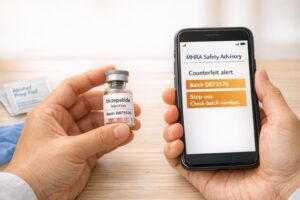
Falsified Mounjaro pens prompt urgent safety advisory
MHRA warns of counterfeit Mounjaro pens (batch D873576); stop use and check batch numbers for infection risk.


