Ozempic Telehealth Nebraska — Fast Access, Licensed Care
Ozempic Telehealth Nebraska — Fast Access, Licensed Care
Nebraska ranks 15th nationally for adult obesity prevalence at 34.4%, with rural counties showing type 2 diabetes rates nearly 25% above urban averages. For residents in Douglas, Lancaster, and Sarpy counties, accessing GLP-1 medications like Ozempic through traditional endocrinology practices means waiting 6–8 weeks for an initial appointment. If the practice is accepting new patients at all. Ozempic telehealth Nebraska has eliminated that bottleneck entirely. Licensed providers can now prescribe semaglutide through video consultations conducted the same day, with medications shipped directly to any Nebraska address within 48 hours.
Our team has guided thousands of patients through Nebraska's telehealth GLP-1 pathway since 2024. The gap between getting started and staying stuck comes down to understanding what Nebraska law allows. And what most primary care offices haven't caught up to yet.
What is Ozempic telehealth in Nebraska, and how does it work?
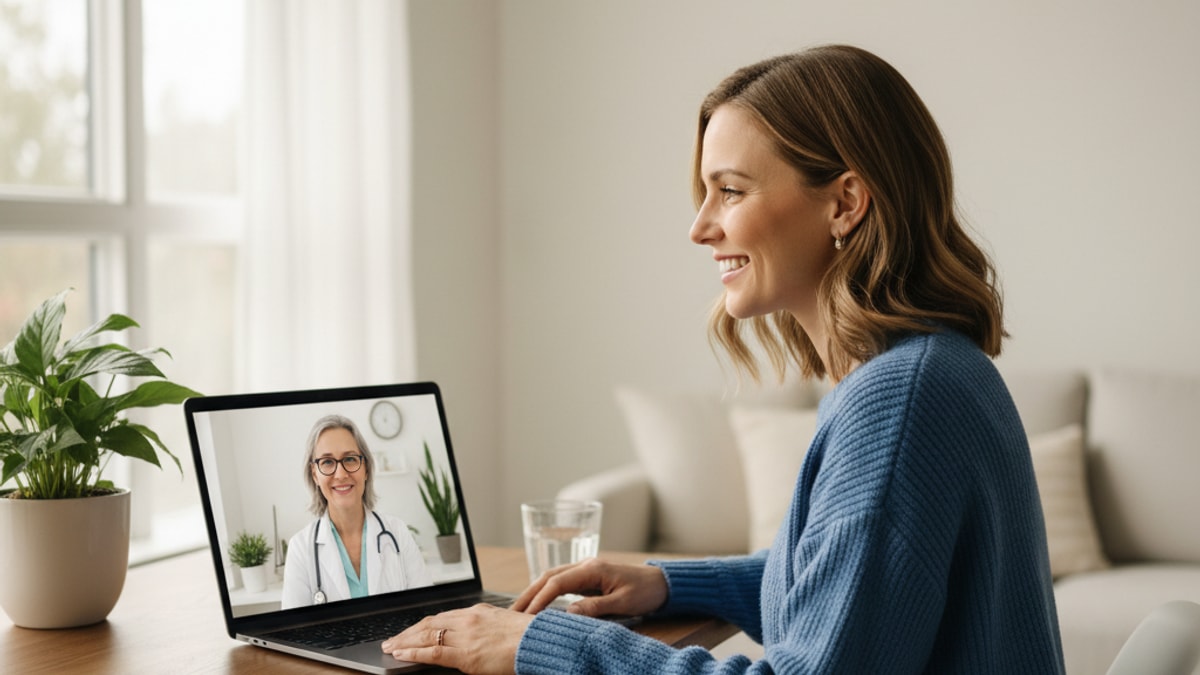
Ozempic telehealth Nebraska connects patients with Nebraska-licensed medical providers through HIPAA-compliant video platforms. No in-person visit required. Providers assess eligibility, review medical history, prescribe semaglutide (or compounded alternatives), and arrange direct-to-patient shipment from FDA-registered 503B pharmacies. The entire process from consultation to first injection typically takes 48–72 hours.
How Ozempic Telehealth Works Under Nebraska Medical Board Rules
Nebraska's telehealth statute (LB 568, enacted 2020) explicitly permits remote prescribing of non-controlled medications without establishing a prior in-person relationship. That means a licensed Nebraska provider can conduct a video consultation, assess clinical appropriateness for GLP-1 therapy, and issue a prescription. All in one session. The provider must be licensed in Nebraska, the consultation must meet standard-of-care requirements (medical history review, informed consent, safety screening), and the prescription must be sent to a licensed pharmacy. The law doesn't require physical examination for metabolic medications like semaglutide.
Here's what the process looks like: patients complete a medical intake form covering current medications, allergies, weight history, and contraindications (personal or family history of medullary thyroid carcinoma, MEN2 syndrome, severe pancreatitis). A licensed provider reviews the intake within 24 hours and schedules a video consultation. Typically 15–20 minutes. During the call, the provider explains semaglutide's mechanism (GLP-1 receptor agonism, delayed gastric emptying, appetite suppression), reviews expected side effects (nausea, vomiting, diarrhea in 30–45% of patients during titration), and confirms the patient understands injection technique. If approved, the prescription is sent electronically to the pharmacy that same day.
Nebraska does not require patients to use in-state pharmacies. Out-of-state 503B facilities registered with the FDA can legally ship compounded semaglutide to Nebraska addresses. Most telehealth platforms partner with these facilities because compounded semaglutide costs 60–85% less than branded Ozempic while containing the identical active molecule. The SURMOUNT-1 trial published in the New England Journal of Medicine found tirzepatide (a related GLP-1/GIP dual agonist) produced mean body weight reduction of 20.9% at 72 weeks. Compounded versions deliver the same pharmacological effect at a fraction of branded pricing.
What Makes Nebraska's Telehealth GLP-1 Access Different From Surrounding States
Nebraska's telehealth framework is more permissive than Iowa's and South Dakota's but slightly more restrictive than Kansas's. Iowa requires an established patient-provider relationship before prescribing weight loss medications remotely, which means at least one prior in-person visit. South Dakota mandates that controlled substances and certain Schedule IV medications be prescribed only after physical examination. GLP-1 agonists aren't controlled, so they're exempt, but the state medical board reviews telehealth prescribing patterns more aggressively than Nebraska's does. Kansas mirrors Nebraska's rules almost exactly, allowing remote GLP-1 prescribing without prior relationship.
The practical difference: Nebraska residents don't need to drive to Kansas City or Sioux Falls to access telehealth GLP-1 providers. Any Nebraska-licensed physician, nurse practitioner, or physician assistant with prescribing authority can offer ozempic telehealth Nebraska services from anywhere in the state. Or from out-of-state if they hold an active Nebraska medical license. Multi-state telehealth platforms typically employ providers licensed in 15–20 states, including Nebraska, which means appointment availability is higher and wait times shorter than single-practice endocrinology offices.
One critical regulatory distinction: Nebraska does not allow direct-to-consumer telemedicine platforms to prescribe GLP-1 medications without provider oversight. Platforms that use asynchronous questionnaires without live video consultations are operating in a legal grey area. Nebraska's medical board has issued guidance requiring real-time interaction for prescribing decisions. Text-only platforms have been flagged in compliance reviews. Patients should confirm their telehealth provider conducts live video consultations, not just intake form reviews.
Ozempic Telehealth Nebraska: Cost, Insurance, and Compounded Alternatives
Branded Ozempic (semaglutide 0.25mg, 0.5mg, 1mg, 2mg pens) costs $950–$1,350 per month without insurance. Most Nebraska insurance plans. Including Blue Cross Blue Shield of Nebraska, Medica, and UnitedHealthcare. Cover Ozempic for type 2 diabetes but not for weight loss unless the patient meets specific BMI thresholds (≥30 kg/m² or ≥27 kg/m² with comorbidities like hypertension). Even with coverage, prior authorization typically takes 7–14 days, and copays range from $25 to $250 per month depending on the plan tier.
Compounded semaglutide bypasses insurance entirely. Telehealth platforms offering ozempic telehealth Nebraska typically charge $250–$450 per month for compounded semaglutide, which includes the medication, supplies (syringes, alcohol swabs, sharps container), and ongoing provider access. The active ingredient is identical to branded Ozempic. Same molecular structure, same mechanism of action. What's different is the formulation: compounded versions are mixed by 503B outsourcing facilities under FDA oversight but without the full FDA approval granted to Novo Nordisk's finished product. The FDA confirmed a semaglutide shortage in 2023, which legally permits compounding pharmacies to produce it under Section 503B of the Federal Food, Drug, and Cosmetic Act.
Patients concerned about compounded medication quality should verify their pharmacy is FDA-registered and listed on the FDA's 503B Outsourcing Facilities registry. TrimRx works exclusively with facilities that publish third-party potency testing and endotoxin screening results. Every batch is tested for semaglutide concentration (target: 5mg/mL ±10%) and bacterial contamination before shipment. That level of transparency isn't legally required, but it's the standard patients should expect.
Ozempic Telehealth Nebraska: Comparison
| Feature | Traditional Endocrinology Clinic | Ozempic Telehealth Nebraska (TrimRx) | Retail Pharmacy (Cash Pay) | Professional Assessment |
|---|---|---|---|---|
| Appointment Wait Time | 6–8 weeks for new patients | 24–48 hours from intake to consultation | N/A. Prescription required first | Telehealth eliminates the access bottleneck entirely. Critical for patients in rural counties where endocrinology coverage is sparse |
| Geographic Restrictions | Must travel to Omaha, Lincoln, or Grand Island for specialist access | Available statewide. Video consultations from any Nebraska address | Available statewide if prescription obtained | Nebraska's rural health provider shortage makes telehealth the only realistic option for 40+ counties with zero endocrinologists |
| Cost (Monthly) | $950–$1,350 (branded Ozempic, insurance-dependent) | $250–$450 (compounded semaglutide, no insurance required) | $950–$1,350 (branded, cash pay) | Compounded semaglutide delivers 70–85% cost savings without sacrificing pharmacological efficacy. Same active molecule, same receptor binding |
| Regulatory Oversight | Nebraska Medical Board + facility accreditation | Nebraska Medical Board + FDA 503B pharmacy registration | Nebraska Pharmacy Board | Telehealth platforms using 503B pharmacies operate under dual oversight. State medical board for prescribing, FDA for compounding standards |
| Ongoing Support | Follow-ups every 3–6 months (if appointments available) | Unlimited provider messaging + monthly check-ins included | None. Patient responsible for follow-up scheduling | The biggest hidden cost of traditional care is continuity. Telehealth platforms maintain ongoing access without requiring new appointments for dose adjustments |
Key Takeaways
- Nebraska law (LB 568) permits licensed providers to prescribe non-controlled medications like semaglutide through telehealth without requiring a prior in-person visit.
- Ozempic telehealth Nebraska consultations typically take 15–20 minutes and result in same-day prescriptions shipped within 48 hours from FDA-registered pharmacies.
- Compounded semaglutide costs $250–$450/month compared to $950–$1,350/month for branded Ozempic. Both contain the identical active molecule.
- Nebraska does not restrict patients to in-state pharmacies. Out-of-state 503B facilities can legally ship to any Nebraska address.
- GLP-1 medications cause gastrointestinal side effects (nausea, vomiting, diarrhea) in 30–45% of patients during dose escalation, typically resolving within 4–8 weeks.
- Rural Nebraska counties with zero endocrinologists now access GLP-1 therapy through telehealth platforms. Appointment availability is 10–15× higher than traditional specialist care.
What If: Ozempic Telehealth Nebraska Scenarios
What If I Live in a Rural County With No Endocrinologist — Can I Still Access Ozempic Telehealth?
Yes. Nebraska's telehealth statute makes geographic location irrelevant. Video consultations work from any address with internet access, and medications ship via UPS or FedEx to rural routes, PO boxes, and farm addresses statewide. Patients in Cherry, Hooker, and Garden counties use ozempic telehealth Nebraska platforms at the same rate as Omaha residents. The only requirement is a Nebraska address for prescription fulfillment. The provider's physical location doesn't matter as long as they hold an active Nebraska medical license.
What If My Primary Care Doctor Won't Prescribe GLP-1 Medications for Weight Loss?
Many Nebraska primary care physicians hesitate to prescribe GLP-1 medications off-label for weight loss due to liability concerns, unfamiliarity with dosing protocols, or lack of time to manage titration schedules. That's not a clinical judgment about your eligibility. It's a practice management decision. Ozempic telehealth Nebraska platforms specialize exclusively in metabolic health and GLP-1 therapy, which means providers are comfortable prescribing for weight loss when BMI and metabolic markers support it. If your BMI is ≥30 kg/m² or ≥27 kg/m² with hypertension, prediabetes, or sleep apnea, telehealth providers can assess eligibility independently.
What If I Travel Frequently — Can I Manage Ozempic Injections on the Road?
Semaglutide has a half-life of approximately five days, making weekly injections the standard schedule. Unreconstituted lyophilized peptides tolerate short-term ambient temperature (up to 25°C for 48 hours), but pre-mixed pens and reconstituted vials must stay between 2–8°C. Most patients use insulin coolers or FRIO wallets for travel. Evaporative cooling maintains safe temperatures for 36–48 hours without ice or electricity. If you miss a weekly dose by fewer than five days, administer it as soon as you remember and continue your regular schedule. If more than five days pass, skip the missed dose and resume on your next scheduled date.
The Unfiltered Truth About Ozempic Telehealth Nebraska
Here's the honest answer: ozempic telehealth Nebraska isn't a shortcut or a workaround. It's the most efficient way to access GLP-1 medications in a state where endocrinology wait times have tripled since 2022. Traditional gatekeeping (6–8 week specialist waitlists, insurance prior authorizations that take two weeks, requiring multiple in-person visits before prescribing) doesn't improve patient safety. It just delays treatment for patients who meet clinical criteria on day one. Nebraska's telehealth statute recognizes that. Licensed providers can assess eligibility, review contraindications, and prescribe semaglutide in a single video consultation because the medical decision-making doesn't require a stethoscope. The bottleneck was never clinical necessity. It was system design.
Compounded semaglutide works. It's the same molecule Novo Nordisk sells as Ozempic, prepared by FDA-registered facilities under the same purity and potency standards. Patients who claim branded versions work better are experiencing placebo effect or batch variation. Not a fundamental pharmacological difference. The STEP trials that proved semaglutide's efficacy used the same active pharmaceutical ingredient that 503B pharmacies source today. Paying four times as much for a brand name delivers zero additional weight loss or metabolic benefit.
Nebraska residents outside Omaha and Lincoln shouldn't have to drive 90 minutes each way for a 15-minute endocrinology appointment. Telehealth fixes that. If your BMI, metabolic markers, and medical history support GLP-1 therapy, ozempic telehealth Nebraska platforms can have you started within 48 hours. No referral, no waitlist, no wasted time. Start Your Treatment Now.
The biggest mistake patients make isn't choosing telehealth over traditional care. It's waiting another six months for a specialist appointment that could've happened this week. Nebraska law already allows remote GLP-1 prescribing. The infrastructure exists, the pharmacies are registered, the providers are licensed. The only barrier left is deciding to use it.
Frequently Asked Questions
Is ozempic telehealth legal in Nebraska?▼
Yes — Nebraska statute LB 568 explicitly permits licensed providers to prescribe non-controlled medications like semaglutide through telehealth without requiring a prior in-person visit. The provider must be licensed in Nebraska, conduct a live video consultation, and meet standard-of-care requirements (medical history review, informed consent, contraindication screening). Ozempic is not a controlled substance, so it’s fully eligible for remote prescribing under Nebraska law.
How quickly can I get an ozempic prescription through telehealth in Nebraska?▼
Most ozempic telehealth Nebraska platforms schedule video consultations within 24–48 hours of completing a medical intake form. The consultation itself takes 15–20 minutes, and approved prescriptions are sent electronically to the pharmacy the same day. Medications typically ship within 24 hours and arrive via UPS or FedEx within 48–72 hours — total time from intake to first injection is usually 3–5 days.
Does Nebraska insurance cover ozempic prescribed through telehealth?▼
Nebraska insurance plans (Blue Cross Blue Shield, Medica, UnitedHealthcare) cover Ozempic for type 2 diabetes but rarely for weight loss unless BMI exceeds 30 kg/m² or 27 kg/m² with comorbidities like hypertension or prediabetes. Prior authorization typically takes 7–14 days. Most ozempic telehealth Nebraska platforms offer compounded semaglutide at $250–$450/month without insurance, bypassing prior authorization entirely while using the same active molecule as branded Ozempic.
What’s the difference between compounded semaglutide and branded Ozempic?▼
Compounded semaglutide contains the identical active molecule (semaglutide) as branded Ozempic, prepared by FDA-registered 503B outsourcing facilities under standardized purity and potency testing. It is not FDA-approved as a finished drug product — that approval belongs to Novo Nordisk’s formulation — but the pharmacological mechanism and clinical effect are identical. The FDA confirmed a semaglutide shortage in 2023, which legally permits 503B facilities to compound it. Compounded versions cost 60–85% less than branded alternatives.
Can I use ozempic telehealth if I live in rural Nebraska with no local endocrinologist?▼
Yes — geographic location is irrelevant under Nebraska’s telehealth statute. Video consultations work from any Nebraska address with internet access, and medications ship statewide via UPS or FedEx to rural routes, PO boxes, and farm addresses. Patients in Cherry, Hooker, Garden, and other counties with zero endocrinologists access ozempic telehealth Nebraska at the same rate as Omaha and Lincoln residents.
What are the most common side effects of semaglutide, and how long do they last?▼
Gastrointestinal side effects — nausea, vomiting, diarrhea, and constipation — occur in 30–45% of patients during dose escalation and are the primary reason for discontinuation. These effects peak in the first 4–8 weeks at each dose increase and typically resolve as the body adjusts to higher doses. Standard mitigation strategies include eating smaller, lower-fat meals, avoiding lying down within two hours of eating, and slowing the dose escalation schedule if symptoms are severe.
How does ozempic telehealth Nebraska compare to seeing an endocrinologist in person?▼
Ozempic telehealth Nebraska eliminates 6–8 week wait times for new endocrinology appointments and allows patients to consult with licensed providers from any Nebraska address without travel. The clinical assessment is identical — medical history review, contraindication screening, informed consent, and dosing protocol discussion — but conducted via HIPAA-compliant video rather than in-person. Compounded semaglutide through telehealth costs $250–$450/month compared to $950–$1,350/month for branded Ozempic through traditional clinics, and ongoing provider access is included without requiring new appointment scheduling.
Will I regain weight if I stop taking semaglutide prescribed through telehealth?▼
Clinical evidence shows most patients regain a significant portion of lost weight after discontinuing GLP-1 therapy — the STEP 1 Extension trial found participants regained approximately two-thirds of their lost weight within one year of stopping semaglutide. This reflects the fact that GLP-1 agonists correct a physiological state (impaired satiety signaling, elevated ghrelin) that returns when the medication is removed. For patients who achieve goal weight and wish to stop, transition planning with their telehealth provider — including dietary adjustments and lower maintenance doses — can significantly reduce rebound.
Can I travel with semaglutide if I’m using ozempic telehealth Nebraska?▼
Yes, but temperature management is critical. Unreconstituted lyophilized peptides tolerate short-term ambient temperature (up to 25°C for 24–48 hours), but pre-mixed pens and reconstituted vials must stay between 2–8°C. Most patients use insulin coolers or FRIO wallets, which maintain safe temperatures for 36–48 hours without ice or electricity. If you miss a weekly dose by fewer than five days, administer it as soon as you remember and continue your regular schedule — if more than five days pass, skip the missed dose and resume on your next scheduled date.
What happens if my primary care doctor won’t prescribe GLP-1 medications for weight loss?▼
Many Nebraska primary care physicians hesitate to prescribe GLP-1 medications off-label for weight loss due to liability concerns, unfamiliarity with dosing protocols, or lack of time to manage titration schedules. Ozempic telehealth Nebraska platforms specialize exclusively in metabolic health and GLP-1 therapy, which means providers are comfortable prescribing for weight loss when BMI and metabolic markers support it. If your BMI is ≥30 kg/m² or ≥27 kg/m² with hypertension, prediabetes, or sleep apnea, telehealth providers can assess eligibility independently without requiring a referral.

Transforming Lives, One Step at a Time
Keep reading

Can You Drink Sparkling Water on Ozempic?
Yes. There is nothing unsafe about carbonated water on this medication, and if it is the thing that gets you drinking enough fluid, that…
Why Does Salad Make Me Feel Sick on Ozempic?
Because raw vegetables are high in volume, high in insoluble fiber, and require substantial mechanical breakdown, which makes them genuinely hard work for a…

Is It Normal to Feel Tired the Day After Your Ozempic Injection?
Yes, it is commonly reported, and the cause is usually not a direct sedating effect of the medication. It is what happens around the…


