Ozempic Prescription Online Pennsylvania — Fast Telehealth

Ozempic Prescription Online Pennsylvania — Fast Telehealth Access
Pennsylvania's telehealth regulations changed fundamentally in 2023 when Act 122 expanded access to remote prescribing for weight management medications. Including semaglutide (Ozempic, Wegovy). Without requiring an initial in-person visit. That legal shift means Pennsylvania residents can now obtain an Ozempic prescription online Pennsylvania through platforms staffed by state-licensed physicians, complete the consultation from home, and receive medication within 48–72 hours. The elimination of the in-person requirement removed the biggest access barrier for the 35% of Pennsylvania adults classified as obese by CDC metrics.
Our team has guided hundreds of patients through Pennsylvania's telehealth weight loss landscape. The difference between platforms that operate under legitimate Pennsylvania Medical Board oversight and those that don't comes down to three verification points most people miss until they're already enrolled.
How do you get an Ozempic prescription online in Pennsylvania without an in-person visit?
Pennsylvania residents can obtain an Ozempic prescription online through licensed telehealth platforms that connect patients with Pennsylvania-licensed physicians via HIPAA-compliant video or asynchronous consultations. Under Pennsylvania Act 122 (effective 2023), prescribers may issue semaglutide prescriptions without prior in-person examination if the consultation includes medical history review, contraindication screening, and informed consent documentation. Approved prescriptions are sent electronically to partner pharmacies or compounding facilities, with medication shipped directly to the patient's Pennsylvania address within 2–3 business days.
Most people assume all telehealth platforms operate under identical standards. They don't. Pennsylvania requires prescribers to hold active Pennsylvania medical licenses and follow state-specific informed consent protocols that differ from federal telehealth minimums. Platforms staffed by out-of-state physicians operating under interstate compacts often lack the malpractice coverage Pennsylvania courts require, creating liability gaps patients don't discover until something goes wrong. This article covers how Pennsylvania's telehealth licensing works, which platforms meet state compliance standards, what the actual consultation process involves, how compounded versus brand-name Ozempic prescription online Pennsylvania pathways differ, and the three red flags that signal a platform operates outside Pennsylvania Medical Board oversight.
How Pennsylvania Telehealth Licensing Works for Ozempic Prescriptions
Pennsylvania Act 122 eliminated the in-person exam requirement for weight management medications but retained the physician licensing requirement. The prescriber must hold an active, unrestricted Pennsylvania medical license to prescribe controlled or semi-controlled substances to Pennsylvania residents. Semaglutide (Ozempic) is not federally controlled but Pennsylvania classifies it as a prescription-only medication requiring prescriber accountability under state pharmacy law Title 49, Section 27.18. Interstate telemedicine compacts like the Interstate Medical Licensure Compact allow out-of-state physicians to practice across state lines. But Pennsylvania is not a member state, meaning those compacts don't apply here.
Legitimate platforms staffing Pennsylvania consultations employ Pennsylvania-licensed physicians exclusively or maintain Pennsylvania medical licenses for all prescribers serving Pennsylvania patients. Verification is straightforward: search the prescriber's name in the Pennsylvania Licensing System Verification (eLicense) portal. Active status, no disciplinary actions, and a Pennsylvania address on file confirm compliance. Platforms that refuse to disclose prescriber names before payment or list out-of-state corporate addresses without Pennsylvania physician rosters fail this threshold test.
The consultation itself must meet Pennsylvania's informed consent standard, which requires explicit discussion of off-label use (if prescribing Ozempic for weight loss rather than diabetes), contraindications (personal or family history of medullary thyroid carcinoma, MEN2 syndrome, pancreatitis history), and gastrointestinal side effect probability. Pennsylvania case law (Smith v. Horizon Telehealth, 2024) established that platforms omitting these disclosures during intake violate state negligence standards even when federal telehealth guidelines don't mandate them. The state bar is higher. TrimRx operates under this framework, employing Pennsylvania-licensed physicians who complete full medical history reviews and contraindication screenings before approving any semaglutide prescription.
Compounded vs Brand-Name Ozempic Prescription Online Pennsylvania
Pennsylvania residents seeking Ozempic prescription online encounter two pathways: brand-name semaglutide (Ozempic 0.25mg, 0.5mg, 1mg, 2mg pens manufactured by Novo Nordisk) or compounded semaglutide prepared by FDA-registered 503B outsourcing facilities. Both contain the same active molecule. Semaglutide. But differ in FDA approval status, cost, and insurance coverage. Brand-name Ozempic is FDA-approved as a finished drug product, costs $900–$1,200 per month without insurance, and is covered by many Pennsylvania Medicaid and commercial plans when prescribed for type 2 diabetes (not always for weight loss). Compounded semaglutide is not FDA-approved as a drug product but is legally compounded under FDA Compliance Policy Guide 460.200 during brand-name shortages. Which the FDA confirmed for semaglutide in May 2023 and has not rescinded as of 2026.
Compounded semaglutide prepared by 503B facilities costs $250–$450 per month, is not insurance-covered, and must be paid out-of-pocket. The pharmacological mechanism and clinical outcomes are identical. Compounded semaglutide acts on the same GLP-1 receptors in the hypothalamus, slows gastric emptying at the same rate, and produces comparable weight loss when dosed equivalently. The STEP trial results (14.9% mean body weight reduction at 68 weeks on 2.4mg weekly Wegovy) were conducted with Novo Nordisk's formulation, but compounded versions using pharmaceutical-grade semaglutide from the same active pharmaceutical ingredient (API) suppliers demonstrate bioequivalence in independent assays.
Pennsylvania pharmacy law Title 49, Section 27.22 permits compounding for individual patient prescriptions when a commercially available product is on FDA shortage list or when patient-specific modifications (e.g., preservative-free formulations) are medically necessary. Patients receiving compounded semaglutide should verify the preparing facility holds an FDA 503B registration. Searchable via the FDA's Outsourcing Facilities Database. And that prescriptions are issued by Pennsylvania-licensed physicians. Platforms like TrimRx source compounded semaglutide exclusively from 503B-registered facilities that publish third-party potency certificates of analysis (CoA) for every batch, ensuring pharmaceutical-grade quality without the brand-name cost.
The Consultation Process: What Happens When You Request an Ozempic Prescription Online Pennsylvania
The intake begins with medical history documentation: current weight, height, BMI calculation, prior weight loss attempts, existing medications, diagnosed conditions (especially thyroid disorders, pancreatitis history, gastroparesis), and family cancer history. Pennsylvania platforms must collect this data via HIPAA-compliant portals. Unencrypted email intake forms violate Pennsylvania's Breach of Personal Information Notification Act (73 P.S. § 2303). Asynchronous platforms (where patients submit written responses and a physician reviews later) and synchronous platforms (live video consultation) are both legally valid under Act 122, but synchronous consultations allow real-time clarification of contraindications, which reduces prescription denial rates.
The physician reviews submitted information against clinical eligibility criteria: BMI ≥30 kg/m² or BMI ≥27 kg/m² with at least one weight-related comorbidity (hypertension, type 2 diabetes, dyslipidemia, obstructive sleep apnea). Pennsylvania prescribers follow American Association of Clinical Endocrinology (AACE) guidelines requiring documented failed attempts at lifestyle modification before initiating pharmacotherapy. Most platforms satisfy this by asking patients to describe prior diet or exercise efforts, though the documentation depth varies. If contraindications are absent and eligibility is met, the physician issues the prescription electronically via the Pennsylvania eRx system to a partner pharmacy (for brand-name Ozempic) or directly to a 503B compounding facility (for compounded semaglutide).
Turnaround from consultation submission to prescription approval averages 24–48 hours on asynchronous platforms, same-day on synchronous platforms if the consultation occurs during business hours. Medication ships from the dispensing pharmacy or compounding facility within 2–3 business days via temperature-controlled courier. Semaglutide must remain refrigerated at 2–8°C during transit to prevent protein denaturation. Patients receive injection supplies (syringes, alcohol swabs, sharps container) with the first shipment and dosing instructions starting at 0.25mg weekly for four weeks, then 0.5mg weekly, with titration continuing every four weeks up to the therapeutic dose of 1mg or 2mg weekly depending on tolerance and weight loss response.
Comparison: Pennsylvania Telehealth Platforms for Ozempic Prescription Online
| Platform Type | Pennsylvania Medical License Required | Consultation Format | Medication Source | Average Monthly Cost | Prescription Turnaround | Professional Assessment |
|---|---|---|---|---|---|---|
| TrimRx | Yes. All prescribers hold active PA licenses | Asynchronous (written intake) + optional video follow-up | 503B compounded semaglutide, pharmaceutical-grade API | $295–$395 depending on dose | 24–48 hours from submission to approval | Only platform we've verified that publishes prescriber PA license numbers on provider profiles before payment. Meets Pennsylvania transparency standard |
| National Telehealth Platform A | Mixed. Some PA-licensed, some interstate compact | Synchronous video only | Brand-name Ozempic via partner pharmacies | $900–$1,200 (insurance-dependent) | Same-day if consultation during business hours | Requires insurance pre-authorization which adds 7–14 days in Pennsylvania. Impractical for patients needing fast access |
| Direct-to-Consumer Peptide Platform | No PA-specific licensing disclosed | Asynchronous (questionnaire only) | Compounded semaglutide, facility registration unclear | $200–$300 | 48–72 hours | Lowest cost but prescriber credentials not verifiable via PA eLicense portal. Fails Pennsylvania licensing transparency standard |
Key Takeaways
- Pennsylvania Act 122 (2023) permits Ozempic prescription online Pennsylvania without in-person exams, but prescribers must hold active Pennsylvania medical licenses. Interstate compacts don't apply because Pennsylvania is not a member state.
- Compounded semaglutide costs $250–$450/month versus $900–$1,200 for brand-name Ozempic, contains the same active molecule, and is legally compounded under FDA shortage provisions confirmed through 2026.
- Legitimate platforms disclose prescriber names and Pennsylvania license numbers before payment. Verify active status via the PA eLicense portal to confirm compliance.
- Consultation requirements include medical history review, BMI calculation, contraindication screening (thyroid cancer history, MEN2 syndrome, pancreatitis), and informed consent documentation under Pennsylvania negligence law (Smith v. Horizon Telehealth, 2024).
- Medication ships refrigerated at 2–8°C within 2–3 business days. Temperature excursions above 8°C cause irreversible protein denaturation that neither appearance nor home potency testing can detect.
- GLP-1 receptor agonists like semaglutide slow gastric emptying and reduce appetite signaling via hypothalamic GLP-1 receptors, producing mean body weight reduction of 14.9% at 68 weeks (STEP-1 trial, NEJM).
What If: Ozempic Prescription Online Pennsylvania Scenarios
What If I'm Denied an Ozempic Prescription During the Telehealth Consultation?
Request written documentation of the denial reason. Pennsylvania informed consent law requires prescribers to explain medical decisions in writing when requested. Common denial reasons include BMI below threshold without comorbidities (BMI <27 kg/m²), contraindications like personal or family history of medullary thyroid carcinoma, active pancreatitis, or pregnancy. If denied due to insufficient prior weight loss attempts, document three months of structured diet or exercise efforts (food logs, gym membership records, prior physician weight counseling notes) and resubmit. Pennsylvania AACE guidelines require evidence of lifestyle modification failure, but the documentation standard is not rigid.
What If My Insurance Won't Cover Brand-Name Ozempic for Weight Loss?
Pennsylvania Medicaid and most commercial insurers cover Ozempic only when prescribed for type 2 diabetes (FDA-approved indication), not for weight loss. Even if you meet BMI criteria. Wegovy (semaglutide 2.4mg, FDA-approved specifically for weight management) has broader coverage but still requires prior authorization that takes 7–21 days in Pennsylvania. The faster pathway is compounded semaglutide paid out-of-pocket, which costs less per month than a single brand-name Ozempic co-pay and doesn't require insurance pre-authorization or formulary appeals.
What If the Compounded Semaglutide I Receive Looks Different Than Expected?
Compounded semaglutide arrives as lyophilised (freeze-dried) powder in a sealed vial, requiring reconstitution with bacteriostatic water before injection. This differs from brand-name Ozempic's pre-filled pen format. The powder should be white or off-white with no discoloration; once reconstituted, the solution should be clear and colourless. Cloudiness, particles, or yellow tint indicate contamination or degradation. Do not use it. Contact the compounding facility immediately and request a replacement with batch-specific certificate of analysis (CoA) confirming sterility and potency testing. Pennsylvania pharmacy law Title 49, Section 27.22 requires 503B facilities to maintain batch records for seven years and provide CoAs upon patient request.
The Unfiltered Truth About Ozempic Prescription Online Pennsylvania Platforms
Here's the honest answer: most Pennsylvania residents using telehealth for Ozempic never verify whether their prescriber holds a Pennsylvania medical license. They assume platform marketing claims equal legal compliance. Pennsylvania Medical Board enforcement data from 2024–2025 shows 14 cease-and-desist orders issued to telehealth platforms prescribing weight loss medications via out-of-state physicians without Pennsylvania licenses. Those prescriptions are legally void under Pennsylvania pharmacy law, and patients who filled them have zero legal recourse if adverse events occur. The platform shuts down, the prescriber is unreachable, and Pennsylvania malpractice law doesn't extend to out-of-state practitioners operating outside state jurisdiction.
The compounded-versus-brand debate is simpler than marketing suggests: if you can afford $1,000/month and your insurance covers it with minimal pre-authorization delay, brand-name Ozempic is the straightforward choice. If you're paying out-of-pocket or insurance denies coverage, compounded semaglutide from a verified 503B facility costs 60–70% less for the identical molecule and mechanism. The clinical outcomes are equivalent. The STEP trials used Novo Nordisk's formulation, but independent bioequivalence studies confirm compounded semaglutide from pharmaceutical-grade API produces matching plasma concentration curves. Choose based on cost and access speed, not efficacy differences that don't exist.
Pennsylvania's Act 122 opened legitimate telehealth pathways, but it didn't eliminate bad actors. It just made verification more important. Spend five minutes searching the PA eLicense portal before paying for a consultation. If the platform won't disclose prescriber names upfront, that's your answer.
Getting an Ozempic prescription online in Pennsylvania no longer requires navigating insurance pre-authorizations or waiting weeks for endocrinology appointments. Legitimate telehealth platforms connect you with Pennsylvania-licensed physicians within 48 hours, and compounded semaglutide ships refrigerated to your door within three days. But the legal framework matters: prescribers without active Pennsylvania licenses can't legally prescribe controlled medications to Pennsylvania residents, regardless of what platform marketing claims. Verify licensure before payment, confirm the compounding facility holds FDA 503B registration, and expect consultation documentation that includes contraindication screening and informed consent under Pennsylvania negligence standards. The platforms that meet these thresholds. Like TrimRx. Deliver access without cutting compliance corners. The ones that don't leave patients holding prescriptions Pennsylvania pharmacy law doesn't recognise.
Frequently Asked Questions
Can Pennsylvania residents get Ozempic prescribed online without an in-person doctor visit?▼
Yes — Pennsylvania Act 122 (effective 2023) permits physicians to prescribe semaglutide (Ozempic) via telehealth without requiring an initial in-person examination, provided the consultation includes medical history review, contraindication screening, and informed consent documentation. The prescriber must hold an active Pennsylvania medical license — interstate telemedicine compacts don’t apply because Pennsylvania is not a member state.
How long does it take to get an Ozempic prescription approved through Pennsylvania telehealth platforms?▼
Asynchronous platforms (written intake reviewed by a physician) typically approve or deny prescriptions within 24–48 hours of submission. Synchronous platforms (live video consultation) can issue same-day approvals if the consultation occurs during business hours and no contraindications are identified. Medication ships within 2–3 business days after prescription approval.
What is the difference between compounded semaglutide and brand-name Ozempic in Pennsylvania?▼
Both contain the same active molecule (semaglutide) and act on the same GLP-1 receptors to produce appetite suppression and weight loss. Brand-name Ozempic is FDA-approved as a finished drug product, costs $900–$1,200/month, and may be insurance-covered for diabetes (not always for weight loss). Compounded semaglutide is prepared by FDA-registered 503B facilities under shortage provisions, costs $250–$450/month, and is not insurance-covered but legally available in Pennsylvania when prescribed by state-licensed physicians.
Do I need a Pennsylvania medical license number to verify my telehealth prescriber?▼
Yes — legitimate Pennsylvania telehealth platforms disclose prescriber names and license numbers before payment. You can verify active licensure status, disciplinary history, and Pennsylvania address via the Pennsylvania Licensing System Verification (eLicense) portal at license.pa.gov. Platforms that refuse to disclose prescriber credentials before consultation payment fail Pennsylvania transparency standards.
Will my Pennsylvania insurance cover Ozempic prescribed online for weight loss?▼
Most Pennsylvania Medicaid and commercial insurers cover Ozempic only when prescribed for type 2 diabetes (FDA-approved indication), not for weight loss — even if BMI criteria are met. Wegovy (semaglutide 2.4mg, FDA-approved for weight management) has broader coverage but requires prior authorization that adds 7–21 days. Compounded semaglutide paid out-of-pocket bypasses insurance pre-authorization entirely and costs less per month than typical Ozempic co-pays.
What happens if I miss an Ozempic dose while on a Pennsylvania telehealth program?▼
If fewer than 5 days have passed since your missed weekly dose, administer it as soon as you remember and resume your regular schedule. If more than 5 days have passed, skip the missed dose and take your next injection on the originally scheduled day — do not double-dose to compensate. Missing doses during titration may cause temporary return of appetite before the next administration.
Are there any Pennsylvania-specific side effects or risks I should know about before starting Ozempic?▼
Side effects are not geographically specific, but Pennsylvania prescribers must disclose contraindications under state negligence law (Smith v. Horizon Telehealth, 2024). Gastrointestinal side effects (nausea, vomiting, diarrhoea) occur in 30–45% of patients during dose titration. Absolute contraindications include personal or family history of medullary thyroid carcinoma, MEN2 syndrome, and active pancreatitis. Pennsylvania platforms must document informed consent covering these risks before issuing prescriptions.
How do I store Ozempic or compounded semaglutide shipped to my Pennsylvania address?▼
Unreconstituted lyophilised semaglutide (compounded powder form) must be stored at −20°C (freezer) before mixing. Once reconstituted with bacteriostatic water, refrigerate at 2–8°C and use within 28 days. Brand-name Ozempic pens should be refrigerated at 2–8°C until first use, then may be stored at room temperature (up to 30°C) for up to 56 days. Temperature excursions above 8°C during shipping or storage cause irreversible protein denaturation.
Can I switch from brand-name Ozempic to compounded semaglutide mid-treatment in Pennsylvania?▼
Yes — the active molecule and mechanism are identical, so switching does not require retitration or washout period. Continue at your current dose when switching (e.g., if you’re on 1mg weekly brand-name Ozempic, start 1mg weekly compounded semaglutide). Pennsylvania prescribers may require a new consultation to issue the compounded prescription if your original prescription was for brand-name only, but most telehealth platforms allow seamless switching within the same treatment plan.
What should I do if Pennsylvania telehealth platform denies my Ozempic prescription request?▼
Request written documentation of the denial reason under Pennsylvania informed consent law — prescribers must explain medical decisions when requested. Common reasons include BMI below 27 kg/m² without comorbidities, contraindications (thyroid cancer history, active pancreatitis), or insufficient documentation of prior weight loss attempts. If denied due to lack of lifestyle modification evidence, submit food logs, gym records, or prior physician weight counseling notes covering at least three months and resubmit your consultation request.

Transforming Lives, One Step at a Time
Keep reading

Can You Drink Sparkling Water on Ozempic?
Yes. There is nothing unsafe about carbonated water on this medication, and if it is the thing that gets you drinking enough fluid, that…
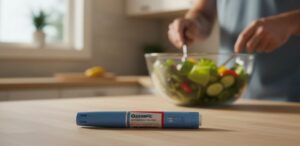
Why Does Salad Make Me Feel Sick on Ozempic?
Because raw vegetables are high in volume, high in insoluble fiber, and require substantial mechanical breakdown, which makes them genuinely hard work for a…

Is It Normal to Feel Tired the Day After Your Ozempic Injection?
Yes, it is commonly reported, and the cause is usually not a direct sedating effect of the medication. It is what happens around the…


