What Happens If You Take Too Much GLP-1?

Introduction
Finding the right rhythm with weight loss medication can feel like a balancing act. Whether you are navigating the first few weeks of a new program or adjusting your dose to reach your goals, precision is everything. You might worry about what occurs if you accidentally take an extra dose or if your body reacts more strongly than expected to a scheduled increase. At TrimRx, we prioritize your safety and clarity, ensuring you have the medical guidance needed to navigate these potent treatments effectively. This post explains the clinical symptoms of taking too much GLP-1, why dosing errors occur, and what steps you must take to protect your health. Our goal is to empower you with the knowledge to use these medications safely as part of a supervised, personalized weight loss plan.
Understanding GLP-1 Receptor Agonists
To understand the risks of an overdose, it is helpful to first understand how these medications interact with your biology. GLP-1 stands for glucagon-like peptide-1. This is a hormone your body naturally produces in the gut after you eat. It signals to your brain that you are full, slows down how quickly your stomach empties, and prompts your pancreas to release insulin to manage blood sugar.
GLP-1 receptor agonists are a class of medications that mimic this natural hormone. They are much more potent and last significantly longer in the bloodstream than the hormones your body makes on its own. Because they affect multiple systems—the brain, the stomach, and the pancreas—taking a dose that is too high can cause these systems to overreact. For a broader explanation, read what GLP-1 does in the body.
Common branded versions of these medications include Ozempic®, Wegovy®, Mounjaro®, and Zepbound®. While these branded products are FDA-approved for specific uses like Type 2 diabetes or chronic weight management, many individuals also use Compounded Semaglutide or Compounded Tirzepatide. These compounded versions are prepared by FDA-registered, inspected compounding pharmacies and offer a personalized alternative, though it is important to remember they are not themselves FDA-approved. Regardless of the version you use, the underlying mechanism is the same, and the risks of taking too much remain a critical consideration.
Immediate Gastrointestinal Effects of Excess GLP-1
The most common symptoms of taking too much GLP-1 involve the digestive system. Because these medications significantly slow down gastric emptying (the process of food leaving the stomach), an excessive dose can cause the digestive tract to essentially “stall.”
Severe nausea and vomiting are the primary signs of an overdose. While mild nausea is a common side effect when starting or increasing a dose, an overdose typically leads to persistent, forceful vomiting that makes it impossible to keep down liquids or food. This is often accompanied by intense abdominal pain or cramping.
In some cases, the body may react with severe diarrhea. This occurs as the intestines struggle to process the medication’s signals. When vomiting and diarrhea occur simultaneously, the risk of rapid dehydration becomes the most immediate health concern. For more context, review this guide to common GLP-1 side effects and management strategies.
Key Takeaway: The primary symptoms of a GLP-1 overdose are extreme gastrointestinal distress, including uncontrollable vomiting and severe abdominal pain, which can lead to dangerous dehydration.
The Risk of Hypoglycemia
One of the vital roles of GLP-1 is helping the pancreas release insulin when blood sugar is high. If you take too much of the medication, your body may lower your blood sugar more than necessary, leading to hypoglycemia (low blood sugar).
Hypoglycemia is particularly a concern for individuals who have Type 2 diabetes and are taking other medications, such as insulin or sulfonylureas. However, even in those without diabetes, an excessive dose can lead to symptoms such as:
- Dizziness or lightheadedness
- Shakiness or tremors
- Sudden confusion or irritability
- Cold sweats or chills
- A rapid heartbeat
- Blurred vision
If blood sugar drops too low, it can lead to a loss of consciousness or seizures. Because GLP-1 medications have a long half-life—meaning they stay in your system for several days to a week—the risk of low blood sugar does not always disappear an hour or two after the injection. It can persist for an extended period, requiring consistent monitoring.
Why Dosing Errors Occur
Taking too much medication is rarely intentional. Most cases of GLP-1 overdose stem from simple misunderstandings of the instructions or the tools used for administration. Before beginning treatment, you can complete a free eligibility assessment to discuss whether a supervised program is appropriate for you.
Branded Pens vs. Compounded Vials
Branded medications like Wegovy® or Zepbound® often come in pre-filled, single-use pens. These are designed to deliver one specific dose with one click. Errors with these devices are less common but can happen if a patient uses multiple pens in one week because they feel the medication “isn’t working yet.”
Errors are more frequent with compounded medications that arrive in multi-dose vials. In these cases, the patient must manually draw the medication into a syringe. This requires a clear understanding of the difference between milligrams (mg), milliliters (ml), and units on a syringe. Learn more about understanding semaglutide units and personalized dosing.
The Units vs. Milligrams Confusion
A common error reported by the FDA involves patients confusing “units” on an insulin syringe with the actual milligrams of the drug. For example, a provider might prescribe a dose of 0.25 mg, which might equate to 5 units on a specific syringe. If a patient mistakenly draws to the “25” mark because they see the number 25 in the dosage, they have effectively taken five times the intended amount. For additional guidance, review this semaglutide dosing and units guide.
Attempting to “Speed Up” Results
Sometimes, a patient might experience a “weight loss plateau” and decide to increase their dose earlier than the schedule allows. GLP-1 medications require a process called titration. This means starting at a very low dose and slowly increasing it every four weeks. This allows the body’s receptors to adjust. Skipping steps in this schedule or doubling a dose to try and lose weight faster is a frequent cause of severe side effects and overdose symptoms.
Potential Long-Term Complications
While most people recover from a GLP-1 overdose with proper hydration and time, taking excessive amounts can occasionally trigger more serious medical conditions.
Acute Pancreatitis is an inflammation of the pancreas. Research suggests that GLP-1 medications may increase the risk of this condition, and a massive overdose could potentially trigger an episode. Symptoms include severe pain in the upper abdomen that radiates to the back, fever, and a rapid pulse. This is a medical emergency that requires immediate hospitalization.
Gastroparesis, or stomach paralysis, is another concern. While GLP-1s are designed to slow the stomach, an overdose can slow it to the point where food sits for days, causing blockages or severe bacterial overgrowth. Furthermore, the extreme vomiting associated with an overdose can lead to acute kidney injury if the person becomes severely dehydrated and cannot replenish their electrolytes. You can also review semaglutide side effects and safety considerations.
Bottom line: While the immediate symptoms are gastrointestinal, the secondary risks—like kidney strain and pancreatitis—make it essential to seek medical help if an overdose is suspected.
What to Do If You Suspect an Overdose
If you realize you have taken more than your prescribed dose, or if you are experiencing severe symptoms after an injection, do not wait for the symptoms to resolve on their own.
Step 1: Contact Your Healthcare Provider.
Reach out to the licensed provider who manages your program. They can advise you on whether your symptoms are manageable at home or require clinical intervention.
Step 2: Monitor for “Red Flag” Symptoms.
If you experience any of the following, seek emergency care or call 911 immediately:
- Inability to keep any liquids down for more than 12 hours.
- Signs of severe dehydration (no urination, extreme dizziness, sunken eyes).
- Confusion, fainting, or seizures.
- Intense, persistent abdominal pain that feels “different” from standard nausea.
Step 3: Manage Mild Symptoms at Home.
If your provider confirms your symptoms are mild, focus on small, frequent sips of water or electrolyte drinks. Avoid solid foods until the nausea subsides. You may also consult your provider about over-the-counter anti-nausea medications.
Step 4: Contact Poison Control.
In the United States, you can call the Poison Help hotline at 1-800-222-1222. They provide free, confidential guidance 24/7 and are well-versed in dosing errors related to weight loss medications. For additional hydration guidance during treatment, read how hydration supports weight loss and medication tolerance.
Managing Your Program Safely with TrimRx
At TrimRx, we believe that the most effective weight loss journey is a safe one. We provide a telehealth-first experience that removes the stress of waiting rooms while maintaining high standards of clinical oversight. When you join our platform, your journey begins with a free assessment quiz that evaluates your health history and goals.
Our team ensures that you receive clear, personalized instructions for your specific program. Whether you are prescribed Compounded Semaglutide or Compounded Tirzepatide, we focus on providing you with the correct tools and education to avoid dosing errors. We utilize a consistent, transparent model where your program includes the doctor consultation, lab work, and unlimited support. This means you have 24/7 access to specialists who can answer your questions if you are ever unsure about how to measure your dose or handle a missed injection.
By emphasizing a slow and steady titration schedule, we help your body adjust to the medication, minimizing the risk of severe side effects. We are your partners in this process, combining science and empathy to help you reach a healthier version of yourself without the guesswork.
The Importance of the Titration Schedule
The reason doctors use a four-week titration schedule is rooted in how GLP-1 receptors function. When you first introduce a medication like Ozempic® or Compounded Semaglutide, your brain and gut are flooded with signals they aren’t used to. By starting with a “starting dose” (often 0.25 mg for semaglutide), you allow your nervous system and digestive tract to build a tolerance.
Increasing the dose too quickly is effectively the same as an overdose for your specific body. Even if the dose you take is a “standard” dose for someone who has been on the medication for six months, it is “too much” for someone in their first week. Learn more about why semaglutide dosing increases gradually.
Note: Never skip a dose level or increase your dose faster than your provider recommends. Sustainable weight loss is a marathon, not a sprint, and your safety depends on this gradual adjustment.
Support Beyond the Injection
Medication is a powerful tool, but it is only one piece of the puzzle. To support your body and minimize the discomfort that can sometimes come with GLP-1 treatments, we offer quick-access supplements like GLP-1 Daily Support and Weight Loss Boost.
These products are designed to support your body’s natural pathways and can be purchased immediately without a quiz. They help ensure you are getting the essential nutrients your body needs, especially during the periods when your appetite is significantly reduced. Proper nutrient intake and hydration are your best defenses against the fatigue and “queasiness” that can sometimes be mistaken for an incorrect dose.
Conclusion
Taking too much GLP-1 is a serious matter that requires immediate attention and a calm, methodical response. While the symptoms like severe nausea, vomiting, and low blood sugar are distressing, they are often manageable when caught early and addressed by a medical professional. Most dosing errors are preventable through better education, clear labeling, and a commitment to the prescribed titration schedule.
Our mission at TrimRx is to provide you with a science-backed, empathetic environment where you never feel alone in your weight loss journey. We combine modern technology with clinical expertise to ensure your treatment is as safe as it is effective. If you are ready to take a realistic, medically supervised step toward your health goals, we invite you to take the free assessment quiz today. Let us help you navigate the path to sustainable weight loss with the personalized care you deserve.
FAQ
Can I die from taking too much GLP-1?
While fatalities from GLP-1 overdoses are extremely rare, the complications of an overdose can be life-threatening if left untreated. The greatest risks come from severe dehydration, which can cause kidney failure, or extreme hypoglycemia (low blood sugar), which can lead to a loss of consciousness. Seeking prompt medical attention is the best way to prevent serious outcomes.
How long do the symptoms of a GLP-1 overdose last?
The symptoms can last for several days because GLP-1 medications have a long half-life. It takes about one week for half of the medication to leave your system, so you may experience nausea or vomiting for three to seven days after a significant dosing error. Your healthcare provider may recommend supportive care, such as IV fluids, to help you through this window.
What should I do if I accidentally doubled my dose?
If you realize you have doubled your dose, contact your healthcare provider or a poison control center immediately, even if you do not feel sick yet. It can take several hours for the full effects of the medication to hit your system. Proactive steps, like preparing for hydration and monitoring blood sugar, can make a significant difference in your comfort and safety.
Will taking more GLP-1 help me lose weight faster?
No, taking more than the prescribed amount is more likely to stall your progress by making you too ill to maintain healthy habits. Excessively high doses lead to severe side effects that can force you to stop the medication entirely. Sustainable, healthy weight loss occurs when you follow the recommended titration schedule and allow your body to adjust gradually.
Disclaimer: This content is for informational purposes only and does not constitute medical advice. It is not intended to diagnose, treat, cure, or prevent any disease or condition. Individual results may vary. Always consult a qualified healthcare professional before starting any weight loss program or medication.

Transforming Lives, One Step at a Time
Keep reading
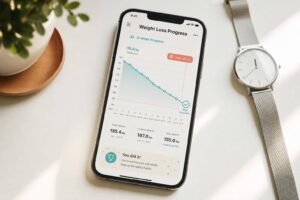
Weight Loss Progress Tracker
Track your weight loss over time, see progress clearly, and stay motivated with simple charts, summaries, and goal-based insights.
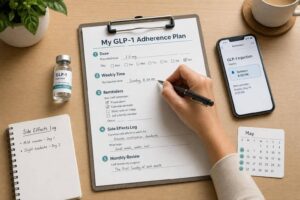
How to Create a Personalized Adherence Plan
Build a one-page GLP-1 adherence plan: record dose, pick a weekly time, set reminders, log side effects, and review monthly.

Weight Loss Medication Dosage Calculator
Estimate weight loss medication doses by weight and drug type, with starting guidance, dose progression info, and a clear medical disclaimer.


