How Do I Get a GLP 1 Prescription?

Introduction
The search for a weight loss solution often leads to a cycle of restrictive dieting and intense exercise that yields little long-term success. If you have reached a plateau or feel like your biology is working against you, you are not alone. Many people are now looking toward Glucagon-like peptide-1 (GLP-1) receptor agonists as a way to support their metabolic health. At TrimRx, we understand that the medical landscape can feel overwhelming, especially when you are trying to figure out the right path for your specific needs. This article covers the essential steps for obtaining a prescription, what clinical criteria you must meet, and how the telehealth model provides a streamlined alternative to traditional waiting rooms. Our goal is to clarify the process so you can move forward with confidence and clinical support.
For a deeper look at the prescription process, you may also want to read how semaglutide is prescribed for weight loss.
Quick Answer: To get a GLP-1 prescription, you must undergo a clinical evaluation by a licensed healthcare provider. This involves reviewing your medical history, calculating your Body Mass Index (BMI), and often completing lab work to ensure the medication is safe and appropriate for your health profile.
The Shift Toward Medical Weight Management
For decades, weight management was framed as a simple matter of willpower. We now know that metabolic health is far more complex, involving hormones that regulate hunger and satiety. GLP-1 medications work by mimicking a natural hormone in your body that helps control blood sugar and signals to your brain that you are full.
Glucagon-like peptide-1 (GLP-1) is a hormone produced in the gut that plays a major role in appetite regulation. A receptor agonist is a type of medication that attaches to the same “docking stations” in the body as the natural hormone, triggering the same beneficial effects. Because these medications address the biological roots of hunger, they have become a cornerstone of modern weight management.
However, these are not over-the-counter supplements. They are powerful medications that require a prescription from a licensed healthcare professional. Whether you choose to see a doctor in person or use a telehealth platform, the clinical standards remain high to ensure patient safety.
Determining Your Eligibility
The first step in getting a prescription is determining if you are a candidate based on standard medical guidelines. Healthcare providers generally follow criteria established by clinical research and regulatory bodies to identify who will benefit most from these treatments.
Body Mass Index (BMI) Requirements
Most providers look for a BMI of 30 or higher, which is the clinical definition of obesity. Alternatively, an individual with a BMI of 27 or higher may qualify if they also have at least one weight-related health condition. These conditions, often called comorbidities, include:
- High blood pressure (hypertension)
- Type 2 diabetes or pre-diabetes
- High cholesterol (dyslipidemia)
- Obstructive sleep apnea
Medical History and Contraindications
A provider will also look at your personal and family medical history. Certain conditions may make GLP-1 medications unsafe for you. For example, individuals with a history of medullary thyroid carcinoma or Multiple Endocrine Neoplasia syndrome type 2 (MEN 2) are typically advised against using these medications. Providers also exercise caution with patients who have a history of pancreatitis or certain gallbladder issues.
The Importance of Personalization
Every body reacts differently to medication. A one-size-fits-all approach rarely works in weight loss. This is why a personalized program is essential. A healthcare provider needs to look at your unique labs, lifestyle, and goals to determine which medication and which dosage will be most effective for you.
The Telehealth Path to a Prescription
In the past, getting a prescription for a new medication required taking time off work, sitting in a waiting room, and potentially facing the stigma sometimes associated with weight loss discussions. Telehealth has transformed this experience into a private, efficient, and supportive process.
At TrimRx, we utilize a telehealth-first model that allows you to complete the entire process from the comfort of your home. This approach does not sacrifice clinical rigor; rather, it uses technology to make the medical review process more accessible.
Step-by-Step Onboarding Process
Step 1: Complete an Online Assessment.
You will answer a series of questions about your health history, current weight, and weight loss goals. This helps the clinical team understand your starting point.
Step 2: Undergo Clinical Review.
A licensed provider reviews your assessment. They look for the eligibility markers mentioned earlier and determine if a GLP-1 medication is a safe option for your profile.
Step 3: Complete Lab Work.
If the provider determines you are a likely candidate, you may be required to complete blood work. This ensures your kidneys, liver, and thyroid are functioning well and provides a baseline for your metabolic health.
Step 4: Consult with a Specialist.
Once your labs and assessment are reviewed, you will have a consultation to discuss your treatment plan. This is the time to ask questions about the medication and what to expect.
Step 5: Receive Your Medication.
If approved, your prescription is sent to a pharmacy. In our program, we partner with FDA-registered compounding pharmacies to ship medication directly to your door.
If you are ready to see whether you qualify, take the free assessment quiz to start the process.
Key Takeaway: The telehealth process for obtaining a GLP-1 prescription is a clinically supervised journey that includes a health assessment, provider review, and lab work to ensure safety and efficacy.
Understanding the Medications Available
When you discuss options with a provider, you will likely hear several different names. It is important to distinguish between the active ingredients and the brand names.
Semaglutide
Semaglutide is a GLP-1 receptor agonist that has been extensively studied for weight loss and blood sugar management. It is the active ingredient in several well-known branded medications. For a closer look at access and eligibility, see how to get semaglutide for weight loss online.
- Wegovy® is FDA-approved specifically for chronic weight management.
- Ozempic® is FDA-approved for the treatment of type 2 diabetes but is sometimes prescribed off-label for weight loss at a provider’s discretion.
Tirzepatide
Tirzepatide is a newer class of medication known as a dual agonist. It targets both GLP-1 and Glucose-dependent insulinotropic polypeptide (GIP) receptors. By hitting two different pathways, it may provide additional support for metabolic health. If you want to understand the pathway from evaluation to treatment, this tirzepatide weight loss guide breaks it down clearly.
- Zepbound® is FDA-approved for weight loss.
- Mounjaro® is FDA-approved for type 2 diabetes.
Compounded Medications
Due to high demand and occasional shortages of branded drugs, many patients turn to compounded versions. Compounded Semaglutide and Compounded Tirzepatide are prepared by specialized pharmacies.
Note: Compounded medications are not FDA-approved. However, we ensure that the compounding pharmacies we work with are FDA-registered and regularly inspected to maintain high standards of quality and safety.
| Feature | Semaglutide | Tirzepatide |
|---|---|---|
| Mechanism | GLP-1 Receptor Agonist | GLP-1 & GIP Dual Agonist |
| Primary Effect | Appetite suppression & blood sugar control | Enhanced appetite suppression & metabolic support |
| Common Format | Weekly injection or daily oral | Weekly injection or daily oral |
| Branded Versions | Wegovy®, Ozempic® | Zepbound®, Mounjaro® |
The Role of Blood Work and Lab Testing
You might wonder why a blood test is necessary for a weight loss prescription. A provider cannot see what is happening inside your metabolic system without data. Lab work provides a “snapshot” of your health.
Commonly requested tests include:
- HbA1c: This measures your average blood sugar over the past three months. It helps identify pre-diabetes or diabetes.
- Metabolic Panel: This checks your kidney and liver function, which is vital since these organs process the medications you take.
- Lipid Panel: This measures cholesterol and triglycerides, which are often impacted by weight and metabolic health.
- Thyroid Stimulating Hormone (TSH): This ensures that weight struggles are not primarily caused by an undiagnosed thyroid condition.
By reviewing these results, a provider can tailor your dosage and monitor your progress more effectively. It also serves as a safety check to ensure there are no underlying conditions that would make GLP-1 therapy risky.
Navigating the Costs and Insurance
One of the biggest hurdles in getting a GLP-1 prescription through traditional means is insurance. Many insurance plans do not cover weight loss medications, or they require a complex “prior authorization” process. This can lead to unexpected bills or denials at the pharmacy counter.
Our approach at TrimRx is designed to remove this uncertainty. We provide a comprehensive program that includes the provider consultation, lab work coordination, and the medication itself for one consistent price. This “cash-pay” model bypasses the frustrations of insurance paperwork, allowing you to focus entirely on your health journey without worrying about hidden fees or shifting costs as your dosage increases.
Bottom line: While traditional paths often involve complex insurance hurdles, a transparent telehealth program can provide a predictable way to access medical weight loss support.
Managing Side Effects and Expectations
Getting the prescription is just the beginning. To be successful, you need to know how to manage the transition as your body adjusts to the medication.
Common Side Effects
Because GLP-1s affect the digestive system, most side effects are gastrointestinal. These can include:
- Nausea
- Mild stomach discomfort
- Changes in bowel movements (constipation or diarrhea)
- Fatigue
Most patients find that these effects are mild and temporary, usually subsiding after the first few weeks as the body becomes accustomed to the medication. Providers typically start patients on a low “loading dose” and gradually increase it to minimize these issues.
The Role of Nutrient Support
Taking a GLP-1 medication can sometimes lead to a significant decrease in appetite, which might make it harder to get all the nutrients your body needs. This is where GLP-1 Daily Support can be helpful. These are designed to provide the essential vitamins and minerals that support your body while you are eating less.
If you find your energy levels dipping, Weight Loss Boost may also be recommended to support your metabolism naturally alongside your prescription.
Realistic Timelines
Weight loss is a marathon, not a sprint. While some people notice changes within the first month, the most significant results usually occur after several months of consistent use and dosage titration (the process of slowly increasing the amount of medication).
Myth: GLP-1 medications are a “cheat code” that lets you eat whatever you want. Fact: These medications are tools designed to work alongside a balanced diet and regular movement. They make it easier to stick to healthy habits by reducing the biological drive to overeat.
Preparing for Your Consultation
To get the most out of your medical review, it helps to be prepared. When you speak with a healthcare provider—whether virtually or in person—having your information ready can speed up the process.
Information to have ready:
- A list of current medications and supplements you are taking.
- Any known allergies to medications.
- A summary of your previous weight loss attempts (e.g., diets, exercise programs, other medications).
- Your most recent weight and height measurements.
- A list of questions about side effects, dosing, and long-term maintenance.
Your provider is your partner in this journey. Being open and honest about your health history and your struggles with weight will help them create the most effective plan for you.
Why Choose a Telehealth Platform?
Choosing how to get your prescription is a personal decision. However, many find that a dedicated platform offers a level of expertise that a general practitioner might not have the time to provide.
When you work with a specialized program, you gain:
- Specialized Expertise: The providers are focused specifically on metabolic health and weight management.
- Convenience: No more driving to appointments or waiting for weeks to get on a doctor’s calendar.
- Discretion: Your health journey remains private, handled through secure online portals.
- Continuous Support: You have access to a team that can answer questions about side effects or dosing 24/7, rather than waiting for a return phone call from a busy clinic.
We believe that medical weight loss should be accessible, science-backed, and free from the shame often associated with the scale. By combining clinical expertise with a user-friendly platform, we help you navigate the complexities of GLP-1 therapy so you can focus on feeling better. If you want to understand the broader support model, read how GLP-1 support fits into a personalized weight loss journey.
Making the Decision
Deciding to seek a prescription for a GLP-1 medication is a significant step toward reclaiming your health. It is a choice to stop fighting an uphill battle against your own biology and to start using the tools that modern science has provided.
The path to a healthier you involves more than just a prescription; it involves a commitment to a new lifestyle. With the right clinical support, a personalized plan, and a clear understanding of the process, you can move past the frustration of the past and toward a more sustainable future.
If you are ready to see if you qualify, the best next step is to complete the free assessment quiz. From there, you are no longer on this journey alone—you have a team of specialists ready to guide you through every dose and every milestone.
FAQ
Do I need to see a doctor in person to get a GLP-1 prescription?
No, you do not necessarily need an in-person visit. Many licensed healthcare providers can evaluate your eligibility, review your medical history, and order necessary lab work through secure telehealth platforms. This allows for a thorough clinical review and prescription process from your home, provided the telehealth service follows all state and federal medical regulations.
Can I get a GLP-1 prescription if I only have a small amount of weight to lose?
GLP-1 medications are generally reserved for individuals who meet specific clinical criteria, such as a BMI of 30 or higher, or a BMI of 27 with a weight-related health condition. They are intended for chronic weight management rather than “vanity” weight loss. A healthcare provider will determine if the medication is clinically appropriate for you based on your overall health profile. If you are unsure whether you meet those criteria, start with the assessment quiz.
Is lab work always required before getting a prescription?
While requirements can vary by provider, most clinical protocols require lab work to ensure the medication is safe for you. Tests for kidney function, liver health, and blood sugar levels (like HbA1c) provide essential data that helps the provider determine the correct starting dose and monitor for any underlying conditions that might be contraindications.
How long does it take to get the medication after my consultation?
The timeline can vary depending on how quickly your lab work is completed and reviewed. Once a provider issues a prescription, it is sent to a pharmacy for fulfillment. If you are using a program that includes shipping, the medication is typically delivered to your door within a few business days after the prescription is processed and filled by the pharmacy.
Disclaimer: This content is for informational purposes only and does not constitute medical advice. It is not intended to diagnose, treat, cure, or prevent any disease or condition. Individual results may vary. Always consult a qualified healthcare professional before starting any weight loss program or medication.

Transforming Lives, One Step at a Time
Keep reading

Mons Pubis Fat Loss on GLP-1s: The “Pubic Area” Change Nobody Mentions
One change that surprises people on GLP-1 medications rarely comes up in conversation: the mons pubis, the soft fat pad over the pubic bone,…

How to Adjust Weight Loss Goals on GLP-1 Medications
Adjust weight goals on GLP-1 meds by tracking body composition and labs, optimizing protein, activity, sleep, and working with your provider on dosing.
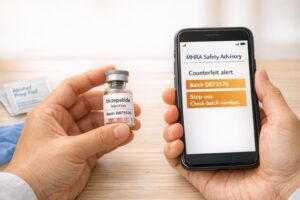
Falsified Mounjaro pens prompt urgent safety advisory
MHRA warns of counterfeit Mounjaro pens (batch D873576); stop use and check batch numbers for infection risk.


