Why Are GLP-1 Medications So Expensive? A Look at Costs
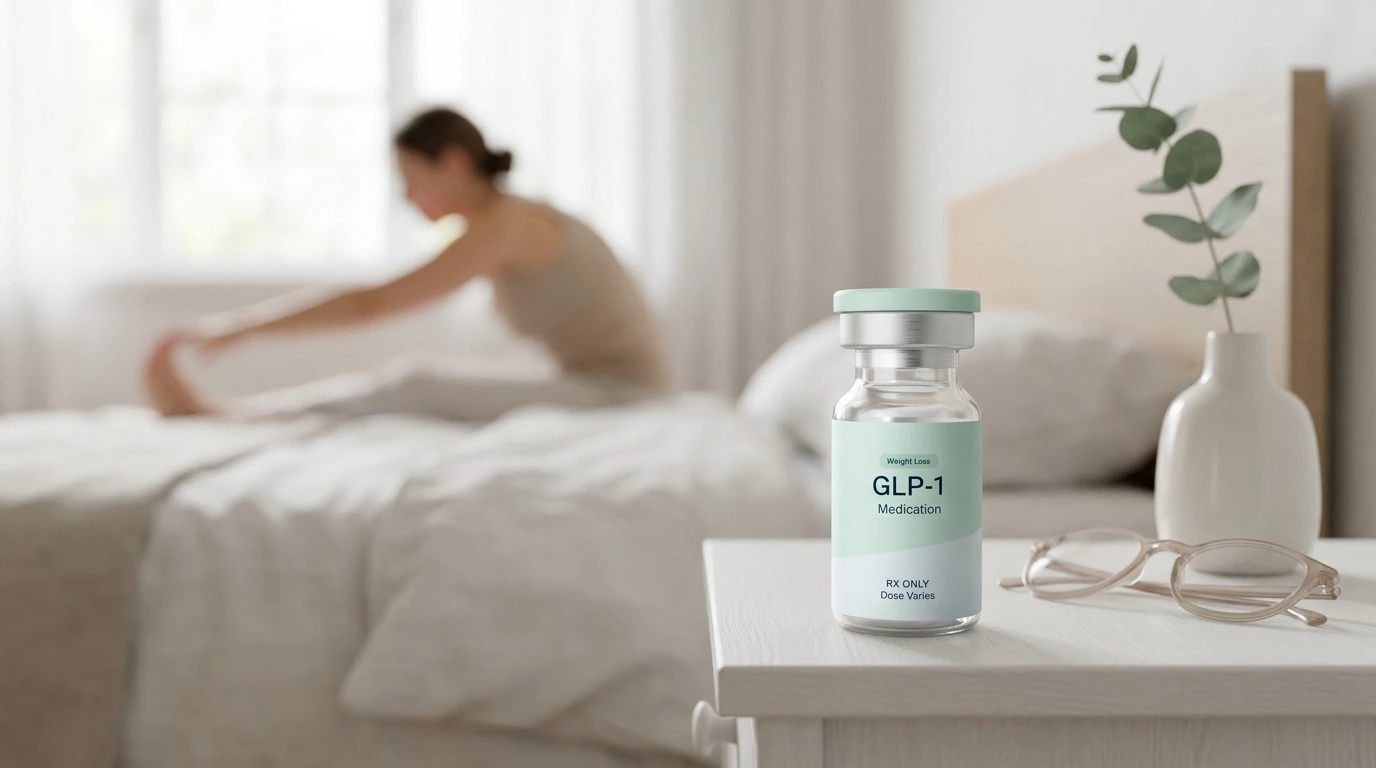
Table of Contents
- Introduction
- The Cost of Innovation and Research
- The Complexity of Manufacturing Biologics
- The Role of Patent Protection
- Why U.S. Prices Differ from Other Countries
- The Insurance and Coverage Gap
- How Compounding Pharmacies Address the Cost
- The True Cost of Weight Management
- The TrimRx Approach to Accessibility
- What to Expect When Starting
- Conclusion
- FAQ
Introduction
If you have researched modern weight loss options recently, you have likely encountered two things: impressive clinical results and a staggering price tag. For many, the initial excitement of discovering a treatment that works is quickly dampened by the reality of the monthly cost. You may find yourself wondering why a single medication can cost more than a monthly mortgage payment or why prices are so much lower in other countries.
At TrimRx, we believe that understanding the “why” behind these costs is the first step toward finding a sustainable path forward. This article will examine the complex factors driving the high cost of GLP-1 medications, from research and development to the specialized manufacturing required for these biological drugs. We will also discuss how our platform helps bridge the gap between clinical excellence and practical accessibility through personalized care. High costs are the result of a complicated intersection of science, law, and economics.
Quick Answer: GLP-1 medications are expensive due to the high cost of clinical trials, the complexity of manufacturing biological proteins, and a lack of generic competition. In the U.S., the absence of government price negotiations also contributes to higher costs compared to international markets.
The Cost of Innovation and Research
The journey of a medication from a laboratory concept to a prescription in your hand is long and incredibly costly. Pharmaceutical companies often spend billions of dollars over the course of a decade to bring a single drug to market. This process is particularly intense for GLP-1 receptor agonists—a class of drugs that mimic a natural hormone in the body called glucagon-like peptide-1 to regulate appetite and blood sugar. For additional background, you can explore how the GLP-1 hormone affects metabolism and weight management.
The initial research phase involves identifying the right molecular structure that can survive in the human body long enough to be effective. Early GLP-1 versions only lasted minutes in the bloodstream. Engineering modern versions like semaglutide (the active ingredient in Ozempic® and Wegovy®) or tirzepatide (found in Mounjaro® and Zepbound®) required significant scientific breakthroughs. These branded medications are not affiliated with our platform, but they set the stage for the current weight loss landscape.
The Financial Risk of Failed Trials
For every drug that reaches the pharmacy, dozens of others fail during clinical trials. Pharmaceutical companies factor these failures into the price of successful medications. If a company spends $500 million on a drug that fails in Phase III trials, they must recoup those losses through the products that actually make it to market. This “success tax” is a primary reason why the newest, most effective medications carry such high price tags.
Extensive Clinical Testing
To receive FDA approval for branded medications, companies must conduct massive clinical trials. These studies often involve thousands of participants across multiple countries and can last for several years. The costs include:
- Paying clinical staff and researchers.
- Providing the medication and monitoring equipment to participants.
- Managing data and regulatory filings.
- Long-term safety monitoring.
When you pay for a GLP-1 medication, a significant portion of that money is essentially “reimbursing” the company for the decade of expensive work that happened before the drug was even available.
The Complexity of Manufacturing Biologics
Unlike simple medications like aspirin, which are made by mixing chemicals in a laboratory, GLP-1 medications are “biologics.” This means they are complex proteins created using living cells. Manufacturing these drugs is an intricate, multi-step process that requires highly specialized facilities. You can also review what GLP-1 support means and how these medications work.
Living Factories
To create the active ingredients in GLP-1 drugs, scientists must use genetically modified organisms, such as yeast or bacteria, to “grow” the protein. This process is much more sensitive than traditional chemical synthesis. Any slight change in temperature, acidity, or nutrients can ruin an entire batch of the medication. The facilities required to do this at scale cost hundreds of millions of dollars to build and maintain.
The Injection Pen Technology
The delivery mechanism is another major cost driver. Many branded GLP-1 medications are sold in sophisticated, single-use auto-injector pens. These devices are engineered to deliver a precise dose with minimal pain to the patient. Manufacturing these pens involves complex robotics and high-precision plastic molding. During periods of high demand, the shortage of these specific delivery pens has often been the primary reason for drug shortages, further driving up the market price.
Key Takeaway: GLP-1 drugs are not simple chemicals; they are biological proteins grown in living cells. The specialized manufacturing and high-tech delivery pens make them significantly more expensive to produce than traditional pills.
The Role of Patent Protection
In the United States, pharmaceutical companies are granted patents that protect their inventions for roughly 20 years. However, this clock starts ticking long before the drug is approved. By the time a medication like Wegovy® or Zepbound® hits the market, the company may only have 10 to 12 years of exclusive sales left.
Lack of Generic Competition
During this period of exclusivity, no other company is allowed to make a “generic” version of the drug. Without competition, the original manufacturer has the power to set the price as high as the market will bear. History shows that when a drug’s patent expires and generics enter the market, prices typically drop by 80% or more. For current GLP-1 medications, these patents are not expected to expire for several years, with some lasting until 2031 or beyond.
Maximizing the Window of Profit
Because the window of exclusivity is limited, companies aim to maximize their return on investment as quickly as possible. This is particularly true for weight loss medications, where the demand is unprecedented. The current high prices reflect a market where the demand far exceeds the available supply, and there are no direct generic competitors to force the price down.
Why U.S. Prices Differ from Other Countries
One of the most frustrating aspects for American consumers is seeing that the same medication costs significantly less in Europe, Canada, or Japan. This price discrepancy is not due to manufacturing costs but rather to how different governments handle healthcare. For another perspective on treatment expenses, read this overview of GLP-1 treatment costs and program considerations.
Government Price Negotiations
In many other developed nations, the government acts as a single buyer for the entire population. These governments negotiate directly with pharmaceutical companies to set a national price. If a company wants to sell its drug in that country, it must agree to the government’s price cap. Because these countries have universal healthcare systems, they have immense bargaining power.
The American Market Structure
In the U.S., the system is fragmented. Thousands of different private insurance companies, employers, and government programs like Medicare all negotiate separately. This reduces the collective bargaining power of the American consumer. Additionally, for many years, Medicare was legally prohibited from negotiating drug prices. While this is beginning to change due to new legislation, the effects on GLP-1 pricing are not yet fully realized.
Myth: GLP-1 medications cost $1,000 to make.
Fact: While the raw materials might be less expensive, the “cost” includes billions in R&D, failed trials, and specialized biologics manufacturing facilities.
The Insurance and Coverage Gap
Even when insurance is involved, the cost to the patient can remain high. Many insurance providers still classify weight loss medications as “lifestyle drugs” rather than essential medical treatments. This classification is a holdover from an older era of medicine when weight loss drugs were less effective and carried more risks.
The “Lifestyle” Classification
Despite growing evidence that managing weight can prevent or improve conditions like heart disease, sleep apnea, and type 2 diabetes, many employers choose not to include weight loss coverage in their health plans to save on premium costs. When a plan does not cover these medications, the patient is often left to pay the full “list price,” which is the highest possible price point.
High Deductibles and Rebates
Even for those with coverage, high-deductible health plans may require the patient to pay several thousand dollars out of pocket before the insurance starts contributing. Furthermore, the complex system of “rebates” between drug makers and insurance middlemen often means the patient pays a percentage of a high list price, while the insurance company receives a secret discount later.
How Compounding Pharmacies Address the Cost
Given the high price and frequent shortages of branded GLP-1 medications, many people have turned to compounded versions. At TrimRx, we connect our members with licensed providers who may prescribe compounded semaglutide or compounded tirzepatide when appropriate. If you are exploring whether a personalized prescription program may fit your needs, you can complete a free eligibility assessment.
What is Compounding?
Compounding is the process of a licensed pharmacist mixing ingredients to create a medication tailored to an individual patient’s needs. This is a long-standing practice in medicine, often used when a patient has an allergy to a specific dye or needs a different dosage form than what is commercially available.
Why It Is More Accessible
Compounded medications can often be offered at a lower price point for several reasons:
- No Branded Markup: They do not carry the “brand name” premium associated with companies like Novo Nordisk or Eli Lilly.
- Simplified Packaging: Compounded medications are typically shipped in simple vials rather than expensive, high-tech auto-injector pens. The patient uses a standard syringe to draw the dose.
- Direct Distribution: By cutting out the multiple middlemen in the traditional pharmacy supply chain, the cost can be kept more consistent.
Note: Compounded semaglutide and compounded tirzepatide are not FDA-approved. However, they are prepared by FDA-registered and inspected compounding pharmacies that follow strict quality standards.
The True Cost of Weight Management
When considering the expense of GLP-1 medications, it is also important to look at the “cost of inaction.” Obesity is a primary driver of many chronic health conditions that are themselves very expensive to treat. For broader context, you can read about the real cost of pursuing long-term weight management.
Preventive Health Savings
Research suggests that successful long-term weight management can reduce the risk of developing expensive conditions such as:
- Type 2 diabetes and its complications.
- High blood pressure and heart disease.
- Joint replacement surgeries due to excess weight.
- Sleep apnea treatments and equipment.
While the upfront cost of the medication is high, the long-term savings for the individual and the healthcare system may be significant. This is why we focus on a personalized approach that emphasizes sustainable health rather than just a number on the scale.
The TrimRx Approach to Accessibility
We understand that the current pharmaceutical landscape is frustrating. Our mission at TrimRx is to simplify the process of accessing medical weight loss support through a transparent, telehealth-first model. Our programs are designed to remove the hidden fees and “waiting room” hurdles that often make weight loss feel impossible.
Personalized Medical Supervision
Every journey on our platform begins with a free assessment quiz. This helps a licensed provider determine if you are a candidate for medication. Because our program is personalized, your treatment plan is based on your specific health history and goals. We handle the lab work, doctor consultations, and medication shipping as part of one consistent program. See if you qualify for a personalized program.
Eliminating Hidden Fees
One of the biggest contributors to the “expense” of weight loss is the constant stream of extra costs: co-pays for doctor visits, separate lab fees, and price increases as your dosage goes up. We provide a model where these elements are included, ensuring you know exactly what to expect from your program. Our 24/7 access to specialists means you are never navigating the process—or the side effects—alone.
Bottom line: While branded GLP-1 prices remain high due to R&D and manufacturing complexities, telehealth platforms and compounding pharmacies offer a more accessible pathway for many individuals seeking science-backed weight loss.
What to Expect When Starting
If you decide to pursue a GLP-1 program, it is helpful to understand the steps involved. This ensures you are prepared for the commitment required to see results.
Step 1: Complete the free assessment quiz. / This helps our partners understand your medical history and eligibility.
Step 2: Consult with a licensed provider. / A medical professional will review your profile and, if appropriate, write a prescription.
Step 3: Receive your personalized plan. / If prescribed, your medication is prepared by an FDA-registered compounding pharmacy and shipped directly to your door.
Step 4: Ongoing support and monitoring. / You will have 24/7 access to our team to manage your progress and address any concerns.
Conclusion
The high cost of GLP-1 medications is a result of revolutionary science meeting a complex and often inefficient healthcare market. Between the billions spent on research, the difficulty of manufacturing biologics, and the current legal protections for branded drugs, the “list price” remains out of reach for many. However, the landscape is shifting. Telehealth innovation and high-quality compounding pharmacies are providing new ways for individuals to access these life-changing treatments without the traditional barriers.
At TrimRx, our mission is to help you embrace a healthier lifestyle through a transparent, science-backed approach. We believe that effective weight loss should be guided by clinical expertise and empathy, not just by who can afford the highest retail price. By focusing on personalized programs and total patient support, we help make sustainable metabolic health a realistic goal for everyone.
Key Takeaway: The price of GLP-1s is a reflection of the innovation required to create them, but through telehealth and personalized programs, the path to accessing them is becoming clearer and more manageable.
Ready to see if a personalized program is right for you? Take our free assessment quiz today to get started on your journey toward sustainable weight management.
FAQ
Why does Ozempic cost more in the U.S. than in Canada?
In Canada, the government negotiates drug prices directly with manufacturers and sets a maximum price for the entire country. In the U.S., prices are determined by a fragmented market of private insurers and middlemen, which results in higher list prices. You can also review this semaglutide cost breakdown for additional context.
Will GLP-1 medications ever be cheap?
Prices are expected to decrease significantly once the patents for branded medications like Ozempic® and Wegovy® expire, allowing for generic versions. Until then, prices may decrease slightly as more competitors enter the market and production facilities expand.
Does insurance usually cover GLP-1 drugs for weight loss?
Coverage varies widely by employer and insurance provider. While many plans cover these drugs for type 2 diabetes, they often exclude them for obesity treatment, classifying them as “lifestyle” medications. If you are considering a medically supervised option, you can find out if GLP-1 medications are right for you.
Are compounded GLP-1 medications safe?
When obtained through a reputable platform like ours, compounded medications are prepared by licensed pharmacists in FDA-registered and inspected facilities. It is important to avoid “black market” or unregulated online sources that do not require a prescription from a licensed provider. A healthcare professional can help determine whether you are an appropriate candidate through a free assessment quiz.
Disclaimer: This content is for informational purposes only and does not constitute medical advice. It is not intended to diagnose, treat, cure, or prevent any disease or condition. Individual results may vary. Always consult a qualified healthcare professional before starting any weight loss program or medication.

Transforming Lives, One Step at a Time
Keep reading

GLP-1 Medications and Mental Health: What to Expect and When to Get Support
Most of what gets written about GLP-1 medications covers the body. Dosing, appetite, nausea, what to eat, what to expect on the scale. Less…

Mons Pubis Fat Loss on GLP-1s: The “Pubic Area” Change Nobody Mentions
One change that surprises people on GLP-1 medications rarely comes up in conversation: the mons pubis, the soft fat pad over the pubic bone,…

How to Adjust Weight Loss Goals on GLP-1 Medications
Adjust weight goals on GLP-1 meds by tracking body composition and labs, optimizing protein, activity, sleep, and working with your provider on dosing.


