ARA-290 Dosing Protocol: Cycling, Frequency & Best Practices
Introduction
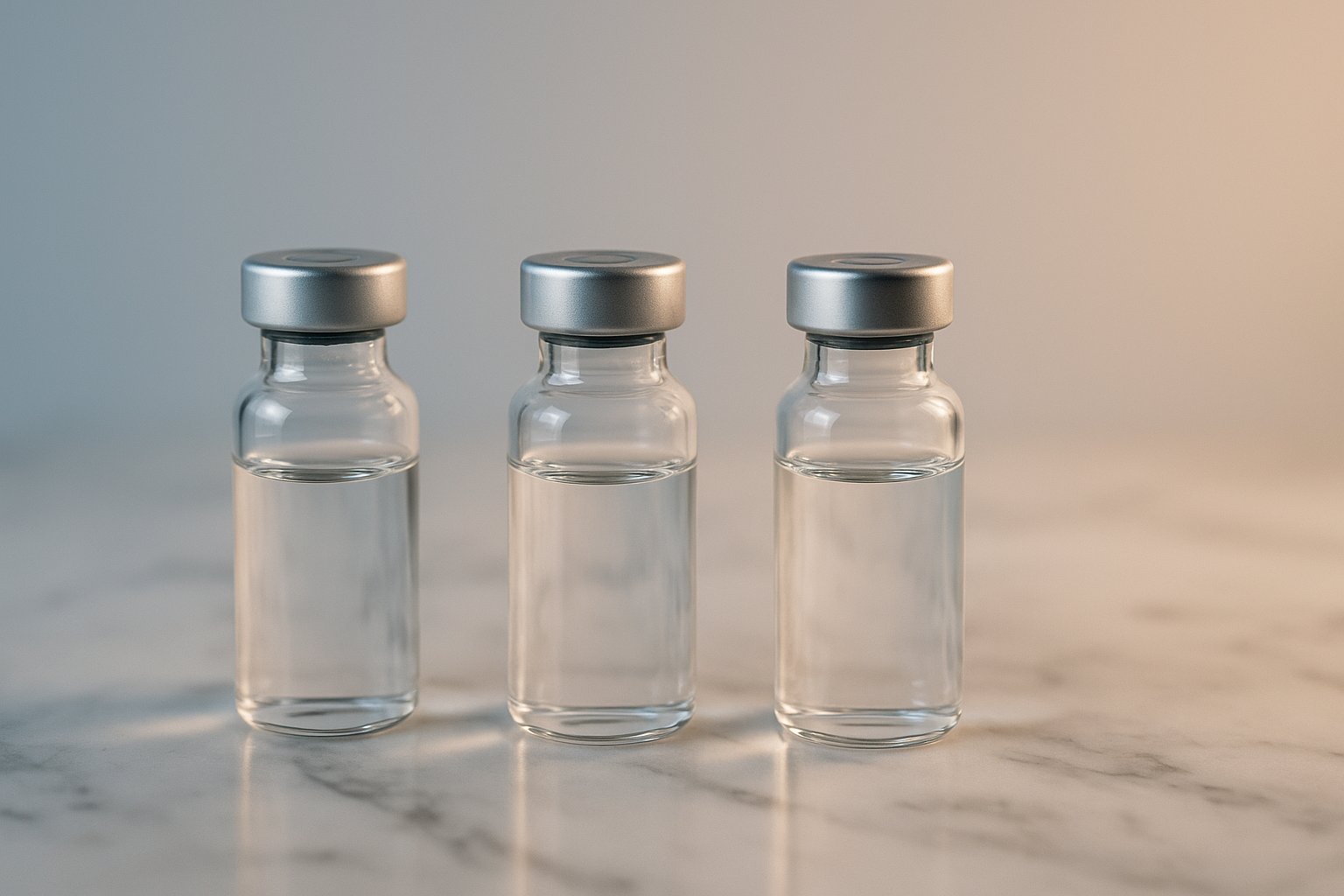
ARA-290 dosing in research used subcutaneous injection, with 4 mg per day being the amount most associated with positive results in sarcoidosis-associated small fiber neuropathy trials. Those studies ran over weeks, often about 28 days. There is no validated dose for general wellness, recovery, or longevity, so any protocol you find online for those uses is an extrapolation rather than a tested regimen.
This guide walks through how ARA-290 was actually dosed in trials, what frequency and cycling mean for a peptide like this, and the best-practice cautions that matter most. The honest theme: this is an investigational compound, and dosing it safely depends on medical oversight.
At TrimRx, we think the safest path with any injectable starts with a licensed provider, not a guess. If you want to see whether a supervised, personalized program fits you, our free assessment quiz is a simple first step.
At TrimRx, we believe that understanding your options is the first step toward a more manageable health journey. You can take the free assessment quiz if you’re ready to see whether a personalized program is a fit for you.
How Was ARA-290 Dosed in Clinical Trials?
In trials, ARA-290 (cibinetide) was given by subcutaneous injection, never orally. The dose most associated with positive findings in the sarcoidosis neuropathy work was 4 mg per day. The randomized pilot trial of 22 patients used that dose over about 28 days, and reported improvements in symptoms and in objective nerve fiber regeneration.
Quick Answer: In clinical trials, ARA-290 (cibinetide) was given by subcutaneous injection, with 4 mg per day the dose tied to positive neuropathy results.
These numbers came from supervised trials with monitoring, in patients with a specific diagnosis. That context is important. A trial dose is paired with screening, oversight, and a defined population, none of which a person dosing alone at home has. The 4 mg figure is a research dose, not a validated wellness recommendation.
Is There a Standard Wellness Dose for ARA-290?
No. There is no FDA-approved or clinically validated dose of ARA-290 for general wellness, recovery, or longevity. ARA-290 was never approved for anything, though it holds Orphan Drug status for sarcoidosis-associated neuropathy.
Self-directed protocols online often borrow the 4 mg daily trial figure, but applying a neuropathy-trial dose to a healthy person seeking general benefits is not supported by evidence. Because the wellness use itself has not been studied, no one can honestly tell you a “correct” wellness dose. Treat any specific number quoted for that purpose as unverified.
How Often Should ARA-290 Be Administered?
In the trials, ARA-290 was injected daily over the study period. Daily subcutaneous dosing was how the pilot and follow-up studies maintained exposure across their multi-week courses.
For a peptide that acts at the innate repair receptor on injured tissue, consistent dosing over a defined period makes more mechanistic sense than sporadic use, since repair is a gradual process. But “makes mechanistic sense” is not the same as “proven for wellness,” and frequency for non-medical use has never been established in a controlled study.
Should You Cycle ARA-290?
Cycling means using a compound for a set period and then pausing. For ARA-290, there is no evidence-based cycling schedule for wellness, because the wellness use has not been studied in controlled trials.
In the research context, dosing duration was set by the trial protocol, often around 28 days, not by an arbitrary on-off cycle. People who use ARA-290 outside medical care sometimes adopt cycles borrowed from other peptides, but those schedules are not transferable and carry no ARA-290-specific support. If a provider is involved, duration should be a clinical decision based on your situation and monitoring.
How Should ARA-290 Be Stored and Prepared?
ARA-290 injectable usually comes as a lyophilized (freeze-dried) powder that must be reconstituted with sterile diluent before use. Once reconstituted, peptides generally need refrigeration and have a limited shelf life. Unreconstituted powder is typically stored frozen or refrigerated and away from light.
Preparation requires sterile technique: clean hands, an alcohol-wiped vial top, a fresh needle, and no contamination of the solution. Errors here cause more real-world problems than the molecule itself. If you are not trained in sterile reconstitution and injection, that alone is a strong reason to involve a provider or pharmacy.
Key Takeaway: There is no FDA-approved dose for general wellness, so any self-directed protocol is unvalidated.
What Are the Best-practice Cautions for ARA-290 Dosing?
The most important caution is medical oversight. ARA-290 is an investigational compound, and dosing it without a clinician means no monitoring, no dose adjustment, and no plan if something goes wrong.
A few more practical points:
- Verify the source. Research-only powder can be underdosed, overdosed, mislabeled, or contaminated. Ask for an independent certificate of analysis.
- Start conservative. If a provider clears you, lower and slower is safer than copying the full trial dose meant for monitored patients.
- Watch for reactions. Injection-site redness, headache, and mild gastrointestinal discomfort were the common trial effects. Stop and seek care for anything beyond mild.
- Avoid stacking blind. Adding ARA-290 to other peptides or medications without guidance makes it impossible to tell what is doing what.
How Long Until ARA-290 Dosing Shows Effects?
In the trials, courses ran about 28 days before functional and nerve-fiber endpoints were assessed, and nerve repair is inherently slow. So even in the studied population, effects were measured over weeks, not days.
For wellness use, there is no validated timeline, so any specific “you will feel it in X days” claim is invented rather than measured. The mechanism, which supports repair at injured tissue, predicts a gradual effect at best and only where there is real damage. Setting expectations low and slow is the honest default, and it reduces the temptation to escalate the dose chasing a faster result, which is exactly where self-directed users get into trouble.
Who Should Not Dose ARA-290 at All?
ARA-290 is not appropriate for self-dosing if you are pregnant, breastfeeding, under 18, or managing a serious medical condition without supervision. Because the innate repair receptor plays a role in cell processes, anyone with a history of cancer should be especially cautious and involve a physician.
It is also a poor choice if your real goal is weight management, where GLP-1 medications have far stronger and more direct evidence. If you fall into any of these groups, the answer is not a smaller dose. It is a conversation with a clinician about whether ARA-290 belongs in your plan at all.
Drug interactions deserve a flag too. Because ARA-290 has not been studied alongside most common medications, anyone on prescription drugs should treat self-dosing as an unknown rather than assume it is safe. A provider can check for conflicts that no online protocol accounts for, which is one more reason oversight beats guesswork here.
The Path Forward with TrimRx
Dosing ARA-290 responsibly comes down to one idea: this is an injectable, investigational compound, and the people who saw benefit in trials were dosed under supervision in a specific condition. Copying the 4 mg trial dose at home, from unverified powder, is where the risk lives.
At TrimRX, we keep injectable therapy inside a supervised, personalized framework. For weight management we use compounded semaglutide and tirzepatide with licensed providers, and we are expanding into peptides carefully. If you want a clear, clinician-guided read on your options, our free assessment quiz is a good place to begin.
Bottom line: Sourcing matters as much as the number: research-only powder can be underdosed, overdosed, or contaminated.
FAQ
What Dose of ARA-290 Was Used in Trials?
The dose tied to positive neuropathy results was 4 mg per day by subcutaneous injection, used over about 28 days in the pilot sarcoidosis study. This was a supervised research dose, not a validated wellness recommendation.
Can I Take ARA-290 as a Pill?
No validated oral form exists. Peptides like ARA-290 are generally broken down in the digestive tract, so trials used subcutaneous injection to deliver the intact molecule.
How Often Is ARA-290 Injected?
In trials it was injected daily over the multi-week study period. There is no established injection frequency for general wellness use, since that use has not been studied in controlled trials.
Do I Need to Cycle ARA-290?
There is no evidence-based cycling schedule for ARA-290. In research, duration was set by the trial protocol, often around 28 days. Cycles borrowed from other peptides are not supported for ARA-290.
How Should ARA-290 Be Stored?
Unreconstituted powder is usually kept frozen or refrigerated and away from light. Once mixed with sterile diluent, it generally needs refrigeration and has a short shelf life.
Is It Safe to Dose ARA-290 From Research-chemical Powder?
It carries real risks. Research-only powder can be underdosed, overdosed, or contaminated, and dosing without a clinician means no monitoring. Medical oversight is the safer route.
Disclaimer: This content is for informational purposes only and does not constitute medical advice. It is not intended to diagnose, treat, cure, or prevent any disease or condition. Individual results may vary. Always consult a qualified healthcare professional before starting any weight loss program or medication.

Transforming Lives, One Step at a Time
Keep reading

Tesamorelin for Visceral Fat: What It Is and WHO It Is For
People often collapse two different goals into one: losing visceral fat and losing weight overall. They overlap. They are not the same job.