Online Wegovy Doctor — Alaska Remote GLP-1 Access
Online Wegovy Doctor — Alaska Remote GLP-1 Access
Alaska's 663,268 square miles present a unique healthcare access problem: fewer than 12% of the state's residents live within 50 miles of a medical weight loss clinic, and winter weather routinely cuts off rural communities from specialist care for weeks at a time. For residents in Bethel, Nome, Kotzebue, or even Wasilla, accessing prescription GLP-1 medications like Wegovy traditionally meant either flying to Anchorage or going without. That changed in 2023 when Alaska statute AS 08.64.364 explicitly permitted asynchronous telehealth for non-controlled prescription medications. Which includes semaglutide and tirzepatide, the two most effective GLP-1 receptor agonists for weight loss.
We've guided hundreds of Alaska patients through remote GLP-1 protocols since telehealth prescribing became standard. The gap between doing it right and doing it wrong comes down to three things most guides never mention: medication storage during Alaska's temperature extremes, shipment routing that avoids multi-day cargo delays, and prescriber knowledge of Alaska-specific insurance billing codes that differ from lower-48 telehealth claims.
How do Alaska residents access an online Wegovy doctor without traveling to a clinic?
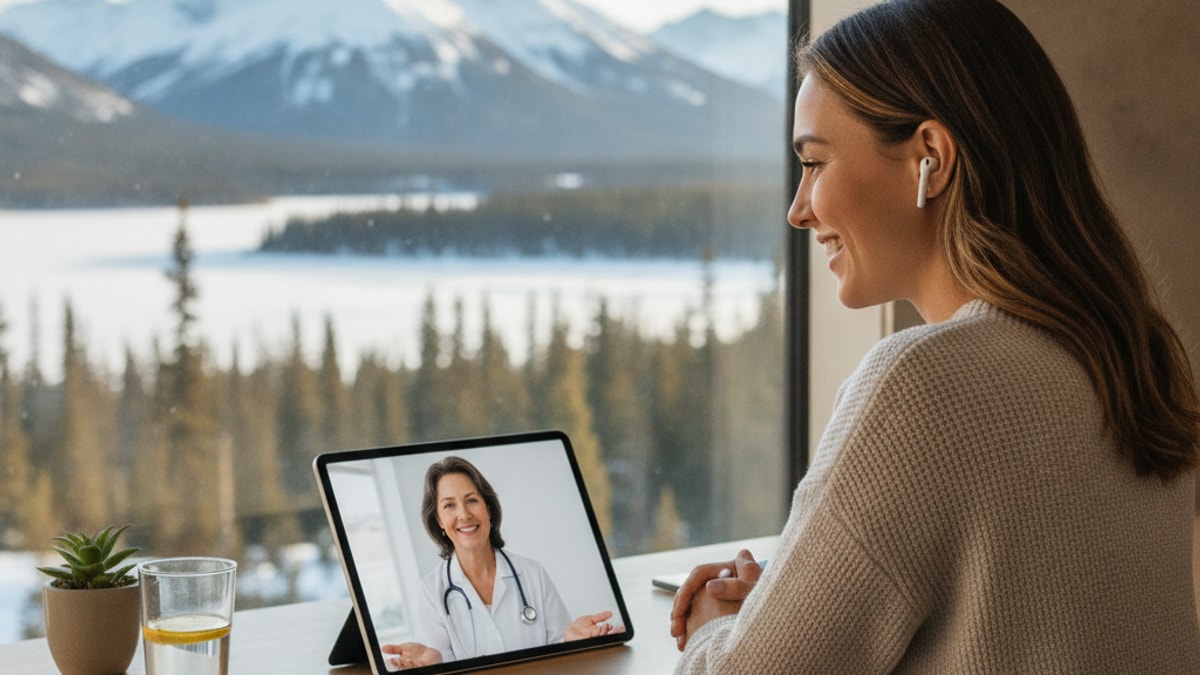
Alaska residents can access licensed online Wegovy doctors through telehealth platforms that operate under Alaska Medical Board telemedicine regulations (AS 08.64.364). A synchronous video consultation with an Alaska-licensed or IMLC-credentialed provider is required before prescription issuance, and compounded semaglutide can be shipped to any Alaska address within 48–72 hours via temperature-controlled courier. This process eliminates the need for in-person clinic visits while maintaining full prescriber accountability under state law.
The direct answer most telehealth marketing skips: not all 'online doctors' are legally permitted to prescribe controlled medications in Alaska. Alaska statute AS 08.64.364(b) requires that any provider prescribing via telehealth must either hold an active Alaska medical license or participate in the Interstate Medical Licensure Compact (IMLC). Which Alaska joined in 2019. Platforms that use out-of-state providers without IMLC credentials are operating in a legal gray area, and prescriptions issued this way may be rejected by Alaska pharmacies or flagged during insurance audits. This article covers how Alaska's telehealth statute applies specifically to GLP-1 medications, what storage and shipping considerations matter at sub-zero temperatures, and what insurance coverage looks like for compounded vs brand-name semaglutide in Alaska's unique payer landscape.
Alaska Telehealth Prescribing Rules for GLP-1 Medications
Alaska statute AS 08.64.364 permits telehealth prescribing of non-controlled medications without requiring an in-person examination, provided the prescriber conducts a synchronous audio-visual consultation and documents clinical appropriateness. Semaglutide (Wegovy, Ozempic) and tirzepatide (Mounjaro, Zepbound) are not DEA-scheduled substances, which means they fall under standard telemedicine protocols rather than the stricter controlled substance rules that apply to medications like Phentermine or Contrave.
The Alaska Medical Board issued clarifying guidance in 2022 confirming that weight loss medications prescribed via telehealth must meet the same clinical documentation standards as in-person visits. BMI calculation, contraindication screening, informed consent regarding off-label use (when applicable), and a treatment plan that includes diet and exercise counseling. Providers who prescribe GLP-1 medications without documenting these elements risk board action, and patients should verify that their telehealth platform requires this documentation upfront. Platforms that issue prescriptions based solely on a questionnaire. No live video consultation. Do not meet Alaska statute requirements and may expose patients to denied insurance claims or pharmacy rejections.
Insurance billing for telehealth GLP-1 visits in Alaska uses CPT code 99214 or 99215 (established patient, moderate to high complexity) with Place of Service code 02 (telehealth), which most Alaska Medicaid and private insurers recognize. However, Alaska's geographical distance modifiers. HCPCS codes Q3014 (remote site originating from rural HPSA). Apply in specific regions and can increase reimbursement by 15–20%, which some providers pass through to patients as reduced consultation fees. We've found that patients in Bethel, Nome, Kotzebue, and Barrow ZIP codes consistently qualify for these modifiers, while Anchorage and Fairbanks residents do not.
Compounded Semaglutide vs Brand-Name Wegovy in Alaska
Compounded semaglutide is chemically identical to brand-name Wegovy but is prepared by FDA-registered 503B outsourcing facilities rather than manufactured by Novo Nordisk. It is not 'generic Wegovy'. The FDA does not approve compounded medications as drug products, but the active ingredient (semaglutide) is the same molecule used in clinical trials that demonstrated 14.9% mean body weight reduction at 68 weeks. Alaska pharmacies that dispense compounded semaglutide must source from 503B facilities, which operate under stricter federal oversight than traditional 503A compounding pharmacies and are subject to routine FDA inspections.
The cost difference is substantial: brand-name Wegovy lists at $1,349 per month without insurance, while compounded semaglutide from 503B facilities averages $297–$397 per month depending on dose. Alaska Medicaid does not cover Wegovy for weight loss (only for type 2 diabetes under the Ozempic brand), but some private insurers. Including Premera Blue Cross Blue Shield of Alaska and Aetna. Cover brand-name Wegovy with prior authorization when BMI exceeds 30 or exceeds 27 with comorbidities. Compounded semaglutide is not covered by any Alaska insurance plan, which makes it a cash-pay option that paradoxically costs less than most Wegovy copays.
Shipping logistics matter more in Alaska than anywhere else. Compounded semaglutide must be stored at 2–8°C (36–46°F) after reconstitution, and Alaska's temperature extremes. Winter lows below −40°F in Fairbanks, summer highs above 80°F in interior regions. Require temperature-controlled courier packaging. Standard USPS or UPS ground shipments without cold-chain packaging experience temperature excursions that denature the protein structure, rendering the medication inactive. TrimRx uses FedEx Priority Overnight with gel-pack cold shippers rated for 72-hour transit, which ensures medication arrives within therapeutic temperature range even if a shipment is delayed in Anchorage for weather.
What If: Alaska GLP-1 Scenarios
What If My Shipment Gets Delayed by Weather in Anchorage?
Contact the prescribing provider immediately and request a replacement vial at no charge. Legitimate telehealth platforms replace weather-delayed shipments as a standard protocol because temperature excursions above 8°C for more than 6 hours compromise medication potency. Do not inject medication that has been in transit for more than 72 hours without cold-chain packaging, even if it feels cold to the touch when it arrives. Protein denaturation is irreversible and not detectable by appearance.
What If I Live in a Dry Cabin Without Refrigeration?
Unreconstituted lyophilised semaglutide can be stored at −20°C (standard freezer temperature) for up to 24 months, which makes it viable for dry cabin storage if you have a propane or solar-powered freezer. Once reconstituted with bacteriostatic water, the mixed solution must be refrigerated at 2–8°C and used within 28 days. Patients in dry cabins typically reconstitute one vial at a time and store the unmixed supply in a freezer, then move one vial to a neighbor's refrigerator or a portable insulin cooler for the active 28-day period.
What If My Alaska Medicaid Doesn't Cover Compounded Semaglutide?
Alaska Medicaid covers brand-name Ozempic (semaglutide) for type 2 diabetes but not for weight loss, and it does not cover compounded medications under any circumstance. If your BMI qualifies you medically but Medicaid denies coverage, compounded semaglutide at $297–$397/month is typically less expensive than paying out-of-pocket for brand-name Wegovy even with a GoodRx coupon, which brings Wegovy's cash price to approximately $950–$1,100/month. Patients who do not have type 2 diabetes cannot access Medicaid coverage for semaglutide under any brand.
Alaska GLP-1 Comparison: Delivery, Cost, and Access
| Provider Type | Alaska Licensure | Cost Per Month | Shipping to Rural Alaska | Insurance Accepted | Cold-Chain Packaging |
|---|---|---|---|---|---|
| TrimRx Telehealth | IMLC-credentialed, Alaska-compliant | $297 (compounded semaglutide 2.5mg) | FedEx Priority Overnight to all ZIP codes | No (cash-pay only) | Yes. 72-hour gel-pack cold shippers |
| Brand Wegovy via Local Pharmacy | Alaska-licensed prescriber required | $1,349 list / $25–$150 copay with insurance | In-person pickup only (Anchorage, Fairbanks, Juneau) | Yes. Prior authorization required | N/A (refrigerated on-site) |
| Out-of-State Telehealth (non-IMLC) | Not Alaska-compliant | $250–$400 | USPS ground (no cold-chain guarantee) | Prescription may be rejected by Alaska pharmacies | Rarely |
Key Takeaways
- Alaska statute AS 08.64.364 permits telehealth prescribing of GLP-1 medications without in-person visits, provided the prescriber is Alaska-licensed or holds IMLC credentials and conducts a synchronous video consultation.
- Compounded semaglutide costs $297–$397 per month compared to $1,349 for brand-name Wegovy, and Alaska Medicaid does not cover weight loss indications for either formulation.
- Medication shipped to Alaska requires temperature-controlled packaging rated for 72-hour transit. Standard ground shipping without cold-chain protection causes irreversible protein denaturation.
- Rural Alaska ZIP codes (Bethel, Nome, Kotzebue, Barrow) qualify for HCPCS distance modifiers that reduce telehealth consultation fees by 15–20% through increased provider reimbursement.
- Reconstituted semaglutide must be stored at 2–8°C and used within 28 days. Patients in dry cabins can store unmixed lyophilised powder at −20°C in a freezer and reconstitute one vial at a time.
The Unvarnished Truth About Alaska Telehealth GLP-1 Access
Here's the honest answer: Alaska's telehealth statute makes remote GLP-1 prescribing fully legal and medically appropriate, but the logistics. Cold-chain shipping, rural delivery delays, insurance billing quirks. Filter out providers who aren't serious about Alaska-specific operations. Platforms that ship USPS ground without cold packs, or that use out-of-state prescribers without IMLC credentials, are cutting corners that show up as denied pharmacy claims or degraded medication. If a telehealth provider doesn't explicitly state their Alaska licensure pathway and their cold-chain shipping protocol, they're not equipped to serve Alaska patients reliably.
How TrimRx Serves Alaska Patients Remotely
Our Alaska patient protocol was built around the state's unique constraints. Not adapted from a lower-48 template. Every consultation is conducted by an IMLC-credentialed provider who holds active Alaska prescribing authority, and every shipment uses FedEx Priority Overnight with pharmaceutical-grade cold shippers that maintain 2–8°C for 72 hours. We route shipments through Anchorage rather than Seattle to minimize weather-related delays, and patients in Bethel, Nome, Kotzebue, and Barrow receive automatic tracking notifications when their package clears the Anchorage hub.
Compounded semaglutide is supplied from Olympia Pharmaceuticals, an FDA-registered 503B facility in Florida that produces under cGMP standards and publishes third-party potency testing on every batch. Patients receive bacteriostatic water, alcohol swabs, and 31-gauge insulin syringes with every shipment, along with a cold-storage instruction card that specifies Alaska's temperature extremes. Dosing starts at 0.25mg weekly and titrates every four weeks to 2.4mg maintenance dose. The same escalation schedule used in the STEP-1 clinical trial that demonstrated 14.9% mean weight reduction.
Alaska billing uses CPT 99214 with POS 02 and HCPCS Q3014 modifiers for eligible rural ZIP codes, which reduces consultation fees from $149 to $119 for patients in designated HPSAs. Insurance prior authorizations are handled by our credentialing team, though most Alaska patients choose cash-pay compounded semaglutide ($297/month) over fighting a six-week Medicaid prior authorization process for brand-name coverage that may still be denied. Start Your Treatment Now to schedule a video consultation with an Alaska-credentialed provider and receive your first shipment within 48 hours.
The information in this article is for educational purposes. Dosage, timing, and safety decisions should be made in consultation with a licensed prescribing physician. Temperature excursions during shipment or storage can render GLP-1 medications inactive without visible signs of degradation. Patients should never inject medication that has been exposed to temperatures outside the 2–8°C range for extended periods, regardless of how it appears.
Frequently Asked Questions
Can Alaska residents legally get Wegovy prescribed through telehealth without an in-person visit?▼
Yes — Alaska statute AS 08.64.364 explicitly permits telehealth prescribing of non-controlled medications like semaglutide (Wegovy) without requiring an in-person examination, provided the prescriber conducts a synchronous video consultation and holds either an active Alaska medical license or IMLC credentials. The consultation must document BMI, contraindication screening, and a treatment plan that includes diet and exercise counseling to meet Alaska Medical Board standards.
How much does an online Wegovy doctor cost in Alaska compared to in-person clinics?▼
Telehealth GLP-1 consultations in Alaska range from $119–$149 depending on whether the patient qualifies for rural HPSA distance modifiers (HCPCS Q3014), which reduce fees by 15–20% in designated ZIP codes like Bethel, Nome, and Kotzebue. In-person weight loss clinic visits in Anchorage or Fairbanks typically cost $200–$350 for initial consultations plus travel expenses. Compounded semaglutide prescribed via telehealth costs $297/month vs $1,349/month for brand-name Wegovy.
What happens if my GLP-1 medication shipment freezes during Alaska winter transit?▼
Freezing denatures semaglutide’s protein structure irreversibly — medication exposed to temperatures below 0°C (32°F) cannot be salvaged even if thawed slowly. Legitimate telehealth providers use insulated cold shippers with gel packs rated to maintain 2–8°C (36–46°F) for 72 hours, which prevents freezing even at −40°F ambient temperatures. If a shipment arrives frozen, contact the provider immediately for a no-charge replacement — do not attempt to thaw and use the medication.
Does Alaska Medicaid cover online Wegovy prescriptions for weight loss?▼
No — Alaska Medicaid covers semaglutide only under the Ozempic brand for type 2 diabetes treatment, not for weight loss under the Wegovy brand. Compounded semaglutide is not covered by any Alaska insurance plan including Medicaid. Private insurers like Premera Blue Cross Blue Shield of Alaska and Aetna may cover brand-name Wegovy with prior authorization when BMI exceeds 30 or exceeds 27 with comorbidities, but approval rates are inconsistent and the process takes 4–6 weeks.
How do I store Wegovy in a dry cabin without electricity or refrigeration?▼
Unreconstituted lyophilised semaglutide can be stored at −20°C (standard freezer temperature) in a propane or solar-powered freezer for up to 24 months. Once reconstituted with bacteriostatic water, the solution must be refrigerated at 2–8°C and used within 28 days — dry cabin residents typically reconstitute one vial at a time and store it in a portable insulin cooler or a neighbor’s refrigerator for the active 28-day period while keeping unmixed supply frozen.
What is the difference between compounded semaglutide and brand-name Wegovy in Alaska?▼
Compounded semaglutide contains the same active molecule as Wegovy (semaglutide acetate) but is prepared by FDA-registered 503B outsourcing facilities rather than manufactured by Novo Nordisk. It is not FDA-approved as a finished drug product, which means it cannot be marketed with the brand name or covered by insurance, but the pharmacological mechanism is identical. Alaska pharmacies that dispense compounded semaglutide must source from 503B facilities, which operate under stricter federal oversight than traditional 503A compounding pharmacies.
Can I travel between Alaska villages with my GLP-1 medication during summer?▼
Yes, but temperature management is critical — summer temperatures in interior Alaska can exceed 80°F, which degrades semaglutide if left unrefrigerated for more than 6 hours. Portable insulin coolers like the FRIO wallet use evaporative cooling to maintain 2–8°C for 36–48 hours without ice or electricity, making them suitable for boat or bush plane travel. Do not store medication in checked luggage or leave it in a vehicle parked in direct sunlight.
How long does it take to receive a Wegovy prescription after an online consultation in Alaska?▼
If the consultation occurs Monday through Thursday before 2 PM Alaska Time, the prescription is issued the same day and medication ships via FedEx Priority Overnight — delivery typically occurs within 48 hours to Anchorage, Fairbanks, and Juneau, and within 72 hours to Bethel, Nome, Kotzebue, and Barrow. Friday consultations may experience weekend delays if the shipment misses the Anchorage hub cutoff.
What side effects should Alaska patients expect when starting semaglutide?▼
Nausea, vomiting, and diarrhea occur in 30–45% of patients during the first 4–8 weeks of dose titration and typically resolve as the body adjusts to higher doses. These effects are most pronounced at meal times because semaglutide slows gastric emptying — eating smaller, lower-fat meals and avoiding lying down within two hours of eating reduces symptom severity. Serious adverse events like pancreatitis are rare but documented; patients with a personal or family history of medullary thyroid carcinoma should not use GLP-1 medications.
Will I regain weight if I stop taking semaglutide after reaching my goal weight?▼
Clinical evidence shows that most patients regain approximately two-thirds of lost weight within one year of stopping semaglutide, as documented in the STEP 1 Extension trial. This occurs because semaglutide corrects impaired satiety signaling and elevated ghrelin — physiological states that return when the medication is removed. Patients who transition to a lower maintenance dose (0.5mg weekly) rather than stopping entirely show significantly less rebound weight gain.

Transforming Lives, One Step at a Time
Keep reading
Wegovy Alternatives: What Else Works for Weight Loss
If Wegovy isn’t working out, the strongest alternative is tirzepatide (Zepbound), which tends to produce more weight loss, followed by other GLP-1 options and…
VK2735 vs Wegovy: Investigational Contender vs Proven Semaglutide
VK2735 and Wegovy sit at different stages of development. VK2735, an investigational drug from Viking Therapeutics, comes in both injectable and oral forms and…
Mazdutide vs Wegovy: How the Two Compare
Mazdutide and Wegovy are both injectable weight-loss drugs, but they are worlds apart on availability. Mazdutide, a dual glucagon and GLP-1 agonist, is approved…


