The Evolution of GLP-1 Drugs: A Historical Perspective

Introduction
Did you know that the fight against obesity has its roots dating back to the early 20th century? As we navigate through the complexities of modern weight management, it’s fascinating to see how far we have come, especially with the introduction of glucagon-like peptide-1 (GLP-1) drugs. These medications have transformed the landscape of obesity treatment and have become a focal point in the discussion around weight loss solutions.
At TrimRx, our journey is driven by a commitment to merging cutting-edge telehealth innovations with effective weight loss solutions. We recognize the importance of understanding historical contexts as we guide our clients towards healthier lifestyles through personalized, medically supervised care. In this post, we’ll explore the history of GLP-1 drugs, their development, and how they have evolved over time to become essential tools in weight management.
From their discovery to their FDA approvals, we will delve into the timeline of GLP-1 drugs, their mechanisms of action, and how they have redefined weight loss therapies. By the end of this blog, you will have a comprehensive understanding of how long GLP-1 drugs have been around and their significance in our ongoing battle against obesity.
The Origins of GLP-1: A Historical Overview
The journey of GLP-1 drugs begins with the discovery of incretin hormones in the early 1900s. Incretins are hormones that stimulate insulin secretion in response to meals. The first incretin, secretin, was discovered in 1902, paving the way for further research into the role of hormones in glucose metabolism. It wasn’t until 1984 that the first GLP-1 was identified, although it would take years before these findings would translate into therapeutic use.
The Discovery of GLP-1
The identification of GLP-1 as a key incretin hormone marked a significant milestone. Researchers found that GLP-1 plays a crucial role in glucose metabolism by enhancing insulin secretion, inhibiting glucagon release, and promoting satiety. Initially, the focus was primarily on diabetes treatment, with little attention paid to its potential for weight management.
Early Developments in Drug Formulation
The first GLP-1 receptor agonist, exenatide, was approved by the FDA in April 2005 for the treatment of type 2 diabetes. This marked the beginning of a new era in diabetes management, with the drug showing effectiveness in lowering blood glucose levels and promoting weight loss. However, the potential of GLP-1 drugs for weight management would not be fully realized until years later.
The Rise of GLP-1 Drugs for Weight Loss
Expanding Indications: From Diabetes to Obesity
While GLP-1 drugs were initially developed for diabetes, researchers began to notice significant weight loss among patients taking these medications. The implications were clear: if these drugs could help manage diabetes and promote weight loss, they could be pivotal in addressing the obesity epidemic.
In 2014, the FDA approved liraglutide (Saxenda) as the first GLP-1 specifically for weight loss, following its earlier approval for diabetes treatment under the brand name Victoza. This dual indication represented a major turning point, highlighting the multifaceted benefits of GLP-1 drugs.
The Breakthrough of Semaglutide
The approval of semaglutide (Wegovy) in 2021 further solidified the role of GLP-1 drugs in weight management. Semaglutide, previously available for diabetes as Ozempic, demonstrated remarkable efficacy in clinical trials, leading to substantial weight loss in participants. This paved the way for increased public interest and awareness of GLP-1 drugs as viable weight loss solutions.
The Latest Innovations: Zepbound and Beyond
The landscape of GLP-1 drugs continues to evolve. In November 2023, the FDA approved Zepbound (tirzepatide), marking the first GLP-1/GIP medication for weight management. This innovative combination therapy is thought to be more potent than traditional GLP-1 therapies, showing promise for even greater weight loss results.
How GLP-1 Drugs Work: Mechanisms of Action
Understanding how GLP-1 drugs function is crucial to appreciating their role in weight management. At TrimRx, we emphasize a science-based approach to weight loss, and GLP-1 drugs exemplify this principle.
Appetite Regulation and Satiety
GLP-1 drugs mimic the natural hormone GLP-1, which is released in response to meals. By activating GLP-1 receptors in the brain, these medications enhance feelings of fullness, leading to reduced food intake. This effect is particularly beneficial for individuals struggling with obesity, as it helps to create a negative energy balance necessary for weight loss.
Impact on Insulin and Glucose Levels
In addition to promoting satiety, GLP-1 drugs play a vital role in glucose metabolism. They stimulate insulin secretion in a glucose-dependent manner, meaning that insulin is released when blood sugar levels are elevated. This mechanism helps to prevent hypoglycemia while effectively managing blood glucose levels, making GLP-1 drugs an ideal choice for individuals with type 2 diabetes.
Slowing Gastric Emptying
GLP-1 drugs also slow gastric emptying, which prolongs the feeling of fullness after meals. This effect not only aids in weight management but also contributes to better blood sugar control, as it helps to avoid rapid spikes in glucose levels following food intake.
The Growing Popularity of GLP-1 Drugs
The popularity of GLP-1 drugs has surged in recent years, driven by several factors, including their effectiveness, relative safety, and convenience. Between 2018 and 2023, prescriptions for GLP-1 medications increased by a staggering 300%, reflecting the growing recognition of these drugs as essential tools in the fight against obesity.
The Role of Media and Celebrity Influence
The rise of social media and celebrity endorsements has also played a significant role in promoting GLP-1 drugs. As public figures openly discuss their weight loss journeys and credit GLP-1 medications for their success, awareness and demand have skyrocketed. While this attention can lead to increased interest in weight loss solutions, it also raises questions about the responsible use of these medications.
Addressing Cost and Access Concerns
Despite their effectiveness, the prohibitive cost of GLP-1 drugs presents a significant barrier to access for many individuals. As demand continues to grow, it is vital for healthcare systems to address these challenges and ensure equitable access to these life-changing medications.
TrimRx’s Commitment to Personalized Weight Loss Solutions
At TrimRx, we understand that sustainable weight loss requires a holistic approach. Our personalized weight loss programs integrate GLP-1 medications with compassionate care, ongoing support, and a focus on long-term health outcomes.
Comprehensive Service Offering
Our comprehensive service includes doctor consultations, personalized treatment plans, lab work, and unlimited support. With FDA-registered and inspected pharmacies partnering with us for the shipping of weight loss medications, we ensure a safe and effective experience for our clients.
The Importance of Individualized Care
We recognize that each individual’s journey toward healthier living is unique. By offering personalized treatment plans tailored to individual needs, we empower our clients to take control of their health and achieve sustainable weight loss.
Take the First Step: Our Free Assessment Quiz
If you’re considering a personalized weight loss program, we encourage you to take our free assessment quiz. This quiz will help determine your eligibility for our prescription weight loss medications, guiding you toward the most suitable treatment options for your specific needs. Take the quiz here!
Conclusion
As we have explored, the evolution of GLP-1 drugs from their early discoveries to their current status as essential weight loss tools is a testament to the power of medical innovation. Their multifaceted benefits for weight management and diabetes treatment highlight their importance in addressing the obesity epidemic.
At TrimRx, we are committed to providing personalized, medically supervised weight loss solutions that promote sustainable health. By understanding the history and functionality of GLP-1 medications, we can better appreciate their impact on individual health journeys.
We invite you to join us in our mission to embrace healthier lifestyles and achieve lasting weight loss. Whether you’re just starting or looking for ongoing support, we are here to guide you every step of the way.
FAQ
How long have GLP-1 drugs been around?
GLP-1 drugs have been in development since the hormone’s discovery in 1984, with the first FDA approval for a GLP-1 receptor agonist, exenatide, in 2005.
What are the main benefits of GLP-1 drugs?
GLP-1 drugs help regulate appetite, promote satiety, stimulate insulin secretion, and improve glucose control, making them effective for weight management and diabetes treatment.
Are there any side effects associated with GLP-1 medications?
Common side effects include nausea, vomiting, and gastrointestinal issues. Most side effects are mild and tend to diminish with continued use.
How can I determine if I qualify for GLP-1 medications?
You can take our free assessment quiz to evaluate your eligibility for prescription weight loss medications. Take the quiz here!
What should I do if I am interested in using GLP-1 drugs for weight loss?
Consult with a healthcare provider to discuss your options and consider taking our quiz to explore personalized weight loss solutions tailored to your needs.
By understanding the history and evolution of GLP-1 drugs, we can better appreciate their role in our journey toward healthier living. Let’s embrace this opportunity together!

Transforming Lives, One Step at a Time
Keep reading

Mons Pubis Fat Loss on GLP-1s: The “Pubic Area” Change Nobody Mentions
One change that surprises people on GLP-1 medications rarely comes up in conversation: the mons pubis, the soft fat pad over the pubic bone,…

How to Adjust Weight Loss Goals on GLP-1 Medications
Adjust weight goals on GLP-1 meds by tracking body composition and labs, optimizing protein, activity, sleep, and working with your provider on dosing.
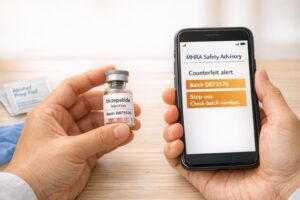
Falsified Mounjaro pens prompt urgent safety advisory
MHRA warns of counterfeit Mounjaro pens (batch D873576); stop use and check batch numbers for infection risk.


