What is the Most Effective GLP-1 for Weight Loss?
Introduction
Did you know that over 70% of adults in the United States are considered overweight or obese? This staggering statistic highlights a critical public health issue that many people are actively trying to address. With countless diets, exercise plans, and weight loss strategies available, it can be overwhelming to know which approach is most effective. Enter GLP-1 receptor agonists, a class of medications that have gained significant attention for their potential in weight management.
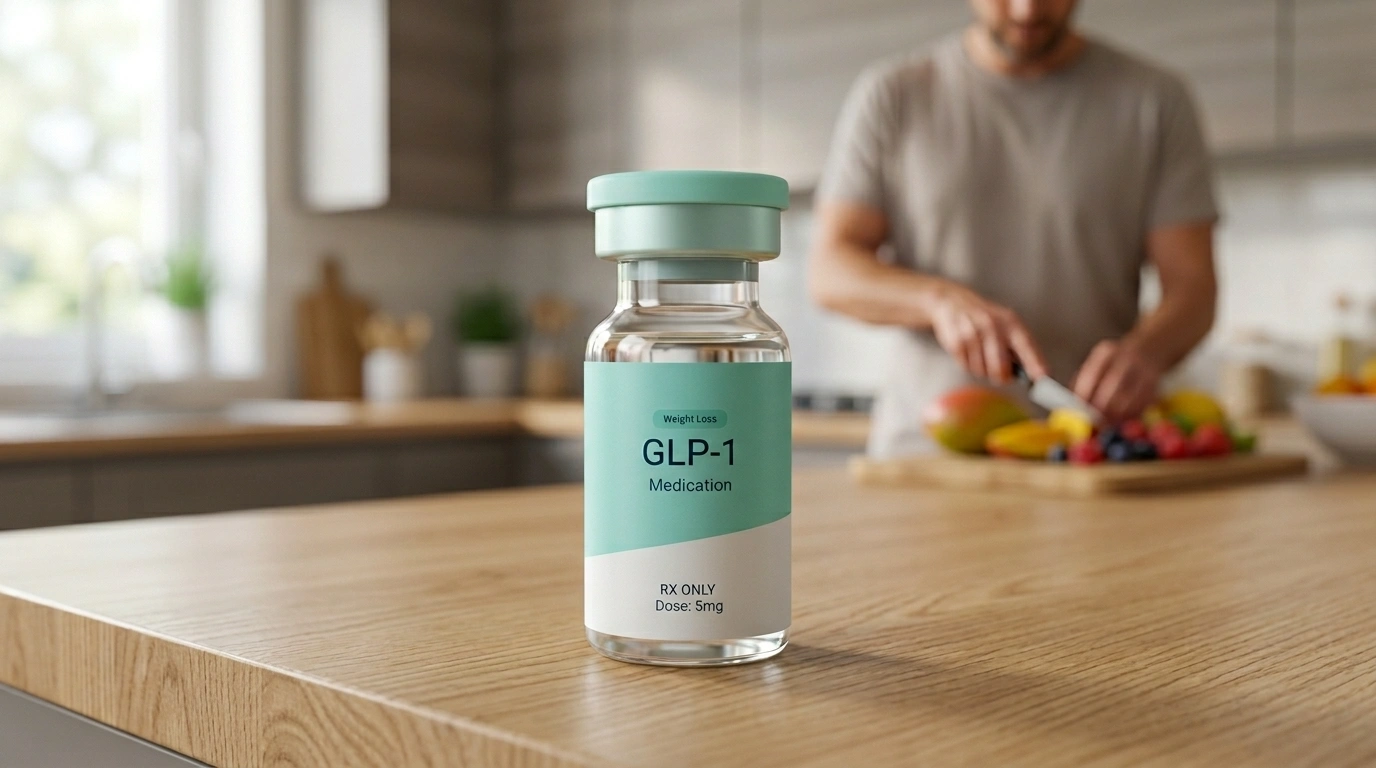
GLP-1 (glucagon-like peptide-1) medications are designed to mimic a hormone in our bodies that regulates appetite and blood sugar levels. Originally developed for managing type 2 diabetes, these medications have demonstrated remarkable efficacy in promoting weight loss, leading to their repurposing for broader weight management applications.
In this blog post, we will explore the various GLP-1 medications available, their effectiveness for weight loss, how they work, and what makes them a promising option for many individuals. We aim to provide you with an informed perspective to help you understand which GLP-1 might be the most effective for your weight loss journey.
We will cover the following key areas:
- An overview of GLP-1 medications and their mechanisms of action.
- A comparison of the most popular GLP-1 medications for weight loss.
- The potential side effects and considerations for GLP-1 therapy.
- Insights on how to maximize the effectiveness of these medications.
- Information on how to get started with GLP-1 medications through TrimRx.
By the end of this blog post, we hope you will have a clearer understanding of what GLP-1 medications can offer and how they can be part of a comprehensive weight loss strategy.
Understanding GLP-1 Medications
What Are GLP-1 Receptor Agonists?
GLP-1 receptor agonists are a class of medications that mimic the action of the naturally occurring hormone GLP-1. This hormone is released in the intestines in response to food intake and helps regulate appetite, insulin secretion, and gastric emptying.
When administered as a medication, GLP-1 receptor agonists enhance the effects of this hormone, leading to:
- Reduced appetite: By signaling to the brain that you are full, these medications help decrease overall food intake.
- Slowed digestion: This effect helps maintain steadier blood glucose levels, reducing cravings and the urge to snack.
- Improved insulin sensitivity: GLP-1 medications enhance the body’s response to insulin, which can positively impact weight management.
Common GLP-1 Medications for Weight Loss
Currently, several GLP-1 receptor agonists have been approved for weight management, particularly for individuals with obesity. The most notable among them include:
- Wegovy (semaglutide): Approved specifically for weight management, Wegovy has shown significant results in clinical trials, with participants losing an average of 15% of their body weight when combined with lifestyle modifications.
- Saxenda (liraglutide): Similar to Wegovy, Saxenda is also FDA-approved for weight loss. It works effectively to help individuals shed pounds as part of a comprehensive weight loss plan.
- Zepbound (tirzepatide): A newer entrant in the market, Zepbound has demonstrated impressive weight loss results in clinical studies, often surpassing those of its predecessors.
- Mounjaro (tirzepatide): This medication combines the effects of GLP-1 and GIP (gastric inhibitory polypeptide) receptor agonism, showing promising outcomes for weight loss.
Effectiveness of GLP-1 Medications
Recent studies have highlighted the effectiveness of GLP-1 medications in weight management. For instance, a systematic review indicated that tirzepatide was associated with average weight losses of approximately 17.8% over a treatment period, while semaglutide followed closely behind with an average weight loss of around 15%. These results underscore the potential of GLP-1 medications as powerful tools for those struggling with obesity.
Summary of Effectiveness:
- Tirzepatide: Average weight loss of about 17.8%.
- Semaglutide (Wegovy): Average weight loss of approximately 15%.
- Liraglutide (Saxenda): Effective, but typically results in less weight loss than the other two.
Comparing GLP-1 Medications for Weight Loss
How to Choose the Right GLP-1 Medication
When deciding on the most effective GLP-1 medication for weight loss, several factors should be considered:
- Efficacy: As highlighted, tirzepatide and semaglutide have led to the most significant weight loss outcomes in clinical studies.
- Administration: Most GLP-1 medications are administered via injection, but the frequency can vary. For example, Wegovy is typically injected once a week, while Saxenda is administered daily.
- Side Effects: Understanding the potential side effects of each medication can help inform your choice. Common side effects include gastrointestinal discomfort, nausea, and potential risk of pancreatitis.
- Personal Health Profile: Your medical history, body mass index (BMI), and any co-existing health conditions will also play a crucial role in determining which GLP-1 medication may be most suitable for you.
Weight Loss Performance of GLP-1 Medications
| Medication | Average Weight Loss | Administration Frequency | FDA Approval for Weight Loss |
|---|---|---|---|
| Tirzepatide | 17.8% | Weekly | Yes |
| Semaglutide (Wegovy) | 15% | Weekly | Yes |
| Liraglutide (Saxenda) | 12.7% | Daily | Yes |
Potential Side Effects of GLP-1 Medications
While GLP-1 medications can be effective for weight loss, they are not without risks. Common side effects include:
- Gastrointestinal Issues: Many users report nausea, diarrhea, constipation, and vomiting, particularly in the initial weeks of treatment. These side effects tend to diminish over time.
- Increased Heart Rate: Some GLP-1 medications may cause an increase in heart rate, which should be monitored.
- Risk of Pancreatitis: Though rare, there have been reports of pancreatitis associated with GLP-1 usage. Individuals with a history of pancreatitis should discuss the implications with their healthcare provider.
It’s crucial to have an open conversation with a healthcare professional regarding these potential side effects to determine the best course of action.
Maximizing the Effectiveness of GLP-1 Medications
Combining Lifestyle Changes with Medication
For GLP-1 medications to be most effective, they should ideally be part of a comprehensive weight loss strategy. This includes:
- Healthy Eating: Focus on balanced meals rich in protein, fiber, and healthy fats to support weight loss.
- Regular Physical Activity: Engage in regular exercise tailored to your preferences and capabilities.
- Behavioral Support: Consider working with nutritionists or weight loss coaches to reinforce healthy habits and keep you accountable.
Getting Started with TrimRx
At TrimRx, we are dedicated to supporting your weight loss journey with personalized care. Our approach involves a comprehensive service that includes doctor consultations, medication, lab work, and unlimited support. If you are interested in exploring GLP-1 medications as part of your weight loss strategy, we encourage you to take our free assessment quiz to determine your eligibility for our prescription weight loss medications.
Take the quiz here to see if you qualify for our prescription weight loss medications: TrimRx Quiz.
For those looking for immediate support, we also offer quick-access supplements such as GLP-1 Daily Support and Weight Loss Boost. These products can complement your weight loss efforts and help you achieve your goals more effectively.
Conclusion
GLP-1 receptor agonists represent a promising breakthrough in the fight against obesity and weight-related issues. With medications like tirzepatide, semaglutide, and liraglutide leading the way, individuals have access to effective tools that can facilitate significant weight loss.
As we’ve explored in this post, understanding how these medications work, their effectiveness, potential side effects, and how to incorporate them into a broader weight loss strategy is crucial for achieving lasting results.
At TrimRx, we are committed to supporting you on your unique weight loss journey, combining the latest medical innovations with personalized care. If you’re considering GLP-1 medications, we invite you to take our free assessment quiz today and discover how we can help you achieve your weight loss goals.
FAQ
What is the primary function of GLP-1 medications?
GLP-1 medications primarily work by mimicking the hormone GLP-1, which regulates appetite and blood sugar levels, ultimately leading to reduced appetite and slower digestion.
How much weight can I expect to lose with GLP-1 medications?
Clinical studies have shown that individuals using GLP-1 medications like tirzepatide can expect to lose an average of 17.8% of their body weight, while semaglutide users may lose around 15%.
Are GLP-1 medications safe?
While GLP-1 medications are generally considered safe, they can have side effects, particularly gastrointestinal issues. It’s essential to consult with a healthcare professional to weigh the benefits against potential risks.
How do I get started with GLP-1 medications?
To get started, consider taking our free assessment quiz at TrimRx to determine your eligibility for prescription weight loss medications.
Do I need to change my lifestyle while using GLP-1 medications?
Yes, for the best results, it’s recommended that you combine GLP-1 medication with healthy eating, regular exercise, and behavioral support to maximize weight loss and overall health benefits.

Transforming Lives, One Step at a Time
Keep reading

Mons Pubis Fat Loss on GLP-1s: The “Pubic Area” Change Nobody Mentions
One change that surprises people on GLP-1 medications rarely comes up in conversation: the mons pubis, the soft fat pad over the pubic bone,…

How to Adjust Weight Loss Goals on GLP-1 Medications
Adjust weight goals on GLP-1 meds by tracking body composition and labs, optimizing protein, activity, sleep, and working with your provider on dosing.
Falsified Mounjaro pens prompt urgent safety advisory
MHRA warns of counterfeit Mounjaro pens (batch D873576); stop use and check batch numbers for infection risk.


