Cerebrolysin Complete Guide: Benefits, Dosing, Side Effects & Research
Introduction
Cerebrolysin is an injectable mixture of small peptides and free amino acids derived from purified pig brain tissue, marketed mainly for stroke recovery, dementia, and brain injury. It is one of the oldest neuropeptide products still in wide use, first developed decades ago and sold today by Ever Pharma. In the United States it has no FDA approval, so any use here happens off the regulated path.
This guide covers what Cerebrolysin actually is, how people use it, what the research shows, and where the evidence falls short. The honest summary up front: the science is far less settled than the marketing suggests, and several independent reviews have failed to find a clear benefit.
At TrimRx, we think the first real step is understanding your options with clear eyes. If your goal is metabolic health or weight management, you can take our free assessment quiz to see whether a personalized program fits you. Cerebrolysin sits outside that scope, and this article is educational rather than a recommendation to use it.
At TrimRx, we believe that understanding your options is the first step toward a more manageable health journey. You can take the free assessment quiz if you’re ready to see whether a personalized program is a fit for you.
What Is Cerebrolysin?
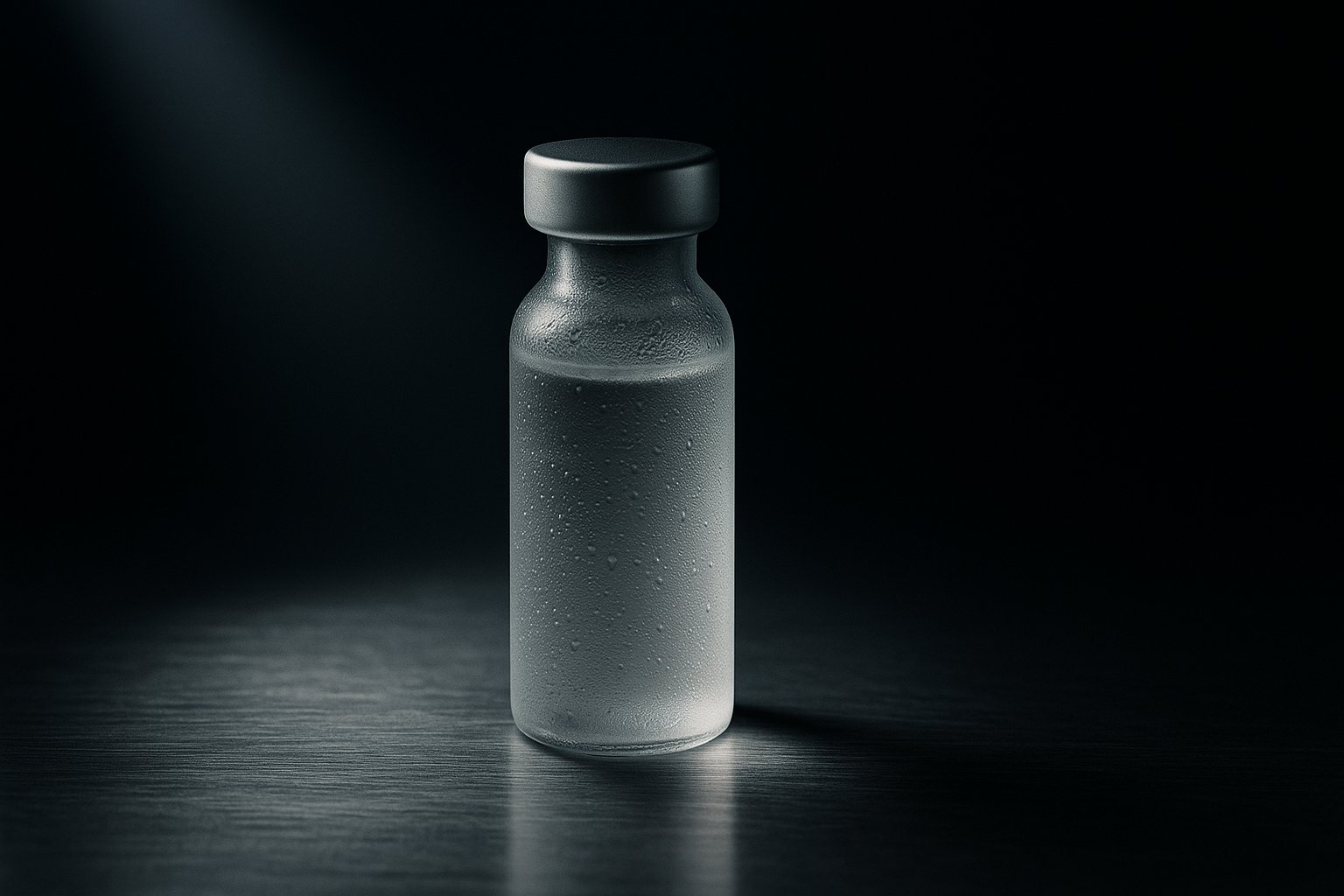
Cerebrolysin is a liquid drug made from enzymatically processed pig (porcine) brain proteins. The process breaks larger proteins into a standardized mix of low molecular weight peptides (under about 10 kilodaltons) and free amino acids. The result is sold in ampoules and given by intramuscular injection or intravenous infusion, never as a pill.
Quick Answer: Cerebrolysin is a mixture of low molecular weight peptides and amino acids made from purified pig brain protein, given by injection or IV infusion.
It is classed as a neuropeptide preparation or nootropic. The idea behind it is that the small peptides mimic the action of naturally occurring neurotrophic factors, the signaling molecules that help brain cells survive and grow. Whether the injected mixture does this in humans at meaningful levels is still debated.
Cerebrolysin has been on the market in parts of Europe, Asia, and the former Soviet states for a long time. Registration in more than 40 countries sounds impressive, but registration standards vary widely, and many of those approvals predate modern trial requirements. The product also has a strong following in Russia and China, where neuropeptide therapies are used more readily than in Western medicine.
One technical point sets Cerebrolysin apart from most research peptides. It is not a single molecule. It is a complex biological mixture, and the exact identity and ratio of its active components are not fully characterized. That makes it harder to study, harder to standardize, and harder to compare batch to batch.
How Does Cerebrolysin Work?
The proposed mechanism is neurotrophic support. Supporters argue the peptide fraction acts like brain-derived neurotrophic factor (BDNF), nerve growth factor (NGF), and similar molecules that protect neurons and encourage new connections. Laboratory and animal studies have shown effects on neuron survival and a reduction in markers of programmed cell death.
In rodent models, Cerebrolysin has reduced damage after induced stroke and improved some memory measures. It has been reported to influence amyloid processing in Alzheimer’s models and to support the growth of neural connections in cell culture. These are real signals, but animal brain-injury models often fail to translate to humans, and that gap matters a great deal here.
A major scientific question is whether the peptides survive injection and reach the brain in active form. The blood-brain barrier limits what crosses into brain tissue. Manufacturers point to the small size of the peptide fraction as the reason it can pass, but independent confirmation of meaningful brain delivery in humans is thin. Without that step, a strong effect in a petri dish does not guarantee anything in a living person.
Researchers also propose secondary mechanisms: reduced inflammation in injured brain tissue, better energy metabolism in neurons, and protection against the wave of cell death that follows a stroke. Each of these is plausible, and each remains more theory than proven fact in human use.
What Is Cerebrolysin Used For?
The registered uses are stroke (acute ischemic stroke and recovery), dementia (including Alzheimer’s disease and vascular dementia), and traumatic brain injury. Some clinicians abroad also use it for developmental delays in children and for mild cognitive complaints, though evidence for those uses is weaker.
In the nootropic and biohacking community, Cerebrolysin is sometimes used by healthy people hoping to sharpen focus, memory, or recovery after concussion. There is essentially no good evidence supporting use in healthy adults, and that population was not the target of the clinical trials. Using a stroke drug to chase a study-aid effect is not supported by data.
It is important to separate registered medical use under physician supervision from self-directed use of gray-market product. The safety and quality data only apply to the pharmaceutical-grade version used as studied, in the conditions it was studied in.
What Does the Research Actually Show?
This is where honesty matters most. The evidence base is large in volume but uneven in quality, and the most rigorous independent reviews have been cautious or negative.
For acute ischemic stroke, a Cochrane systematic review led by Ziganshina and colleagues (updated several times, most recently in the early 2020s in the Cochrane Database of Systematic Reviews) concluded that Cerebrolysin probably has little or no benefit on the risk of death and may increase non-fatal serious adverse events. The CASTA trial (Heiss and colleagues, 2012, in the journal Stroke), a large randomized controlled trial, found no significant benefit on its primary outcome.
For vascular dementia and Alzheimer’s disease, Cochrane reviews have reported some short-term improvement on certain cognitive scales but flagged low certainty, small studies, and a heavy concentration of trials from a narrow set of research groups. Reviewers repeatedly note that many positive trials were industry-linked or had methodological weaknesses such as small samples and short follow-up.
For traumatic brain injury, results are mixed and the trials are generally small. A few report functional gains, often in rehabilitation settings; others show nothing. No large, independent, high-quality TBI trial has settled the question one way or the other.
The pattern across conditions is consistent. Smaller and manufacturer-associated studies tend to look favorable, while larger and independent trials tend to come back neutral. That pattern is a classic warning sign in clinical evidence, and it is the single most important thing to understand before considering this product.
What Dose Do People Use?
In trials and registered practice, dosing depends on the condition. For acute stroke, courses of 30 mL to 50 mL per day by IV infusion over 10 to 21 days have been studied. For dementia, lower doses such as 10 mL to 30 mL per day given over similar courses are common, often repeated as several courses across the year.
Cerebrolysin is given by trained clinicians, diluted in saline for slow IV infusion or as IM injection for smaller volumes. It is not a self-administered product in the way many research peptides are, and the infusion route adds real medical risk if done improperly. A fast push can cause flushing, dizziness, and palpitations.
Because there is no FDA-approved labeling in the US, there is no official American dosing standard. Any figures circulating online are extrapolated from foreign protocols and should not be treated as medical guidance. Self-dosing an IV product bought online is risky on every level: dose, sterility, and technique.
What Are the Side Effects and Safety Concerns?
Reported side effects are usually mild: a sensation of heat, sweating, dizziness, mild agitation, or injection-site reactions. Giving the infusion too quickly can cause flushing and palpitations. Allergic reactions are possible because the product is derived from animal protein, and people with allergic conditions need to be cautious.
The larger safety questions are structural. First, the Cochrane stroke review raised a signal of increased non-fatal serious adverse events, which is not reassuring. Second, any product derived from animal brain tissue carries a theoretical concern about prion or pathogen transmission, even though manufacturing controls are designed to eliminate it. Third, gray-market or counterfeit product carries unknown purity and sterility risk, and sterile IV use is not forgiving of contamination.
People with allergies, those who are pregnant or breastfeeding, and anyone with seizure disorders or severe kidney problems should avoid it unless a qualified physician advises otherwise. Sterile injection practice and clinical monitoring are not optional. These are not minor cautions added for legal cover; they reflect the real risk of an injectable biological product.
Is Cerebrolysin Legal and FDA Approved?
Cerebrolysin is not approved by the FDA and is not a recognized drug in the United States. It cannot be legally marketed here for any medical use. It is registered abroad in many countries, but foreign registration does not equal FDA approval or confirm that it meets US quality standards.
This regulatory status matters for a few reasons. Product sold to US buyers online sits outside the regulated supply chain, with no guarantee of identity, purity, or sterility. There is no US labeling, no FDA safety review, and no recourse if something goes wrong. That is a meaningful difference from compounded medications that a licensed US pharmacy prepares under a valid prescription, where state boards and federal rules apply.
For context, the regulatory picture for peptides has been shifting. BPC-157 was removed from the FDA Category 2 bulk substances list in April 2026, and oral semaglutide gained approval, signs that the field keeps moving. Cerebrolysin has not moved toward US approval, and there is no active path suggesting it will soon.
Key Takeaway: The best evidence comes from stroke and dementia trials, and the results are mixed. Several large independent reviews found no clear benefit on death or dependency.
How Does Cerebrolysin Compare to Other Brain Peptides?
Cerebrolysin is often grouped with other nootropic injectables and brain peptides. Compared with single, defined peptides, Cerebrolysin is a complex mixture, which makes it harder to study and standardize. Two batches can differ, and the exact active components are not fully characterized, so dose-response work is difficult.
Other brain-focused compounds such as Pinealon or various racetams have their own thin evidence bases. None of these has the strength of evidence that approved dementia or stroke treatments carry. If brain health is the real goal, the highest-value moves remain the unglamorous ones: blood pressure control, regular exercise, good sleep, treating diabetes, and not smoking. Those interventions have decades of strong data behind them, which is more than any of the injectable nootropics can claim.
Does Cerebrolysin Help with Weight Loss or GLP-1 Therapy?
No. Cerebrolysin has no established role in weight management and does not interact meaningfully with GLP-1 medications like semaglutide or tirzepatide. It was never designed or studied for metabolic outcomes, and there is no plausible mechanism connecting it to appetite or fat loss.
Anyone who comes across Cerebrolysin in a weight loss context is likely seeing it bundled into a broad peptide marketing pitch rather than anything supported by data. Do not combine it with GLP-1 therapy expecting a benefit. If a vendor pitches it as part of a metabolic stack, treat that as a reason for skepticism about the whole offering.
Who Makes Cerebrolysin and How Is It Sourced?
Cerebrolysin is manufactured by Ever Pharma, an Austrian company, and it has been produced for decades. The pharmaceutical-grade version is made under controlled conditions from porcine brain protein, with steps intended to standardize the peptide fraction and screen for contaminants. That controlled process is the version studied in trials.
The problem for US buyers is that the legitimate product is not sold here through normal channels. What circulates online may be parallel-imported, repackaged, or counterfeit. Without a verified supply chain, there is no way to confirm a vial holds what the label claims, that it is sterile, or that it was stored correctly. For an injectable made from animal tissue, those unknowns carry real weight.
If you ever discuss Cerebrolysin with a physician abroad, ask specifically about the manufacturer, the batch, and how the product was stored and shipped. Provenance is not a detail here. It is a safety issue.
What Should You Ask Before Considering Cerebrolysin?
Start with the diagnosis. For stroke, dementia, or brain injury, what does the standard of care recommend, and how strong is the evidence for it versus Cerebrolysin? In almost every case the approved options have more data behind them.
Then ask about the specific trial evidence for your condition. The honest answer is that independent reviews have been cautious or negative for stroke and only weakly positive, with low certainty, for some dementia measures. A clinician who acknowledges that mixed picture is giving you straight information.
Finally, ask about route, monitoring, and cost. Cerebrolysin is given by injection or infusion over multi-week courses, repeated through the year, which means real time, real expense, and real medical oversight. A product that cannot be self-administered safely and is not FDA approved deserves a high bar before you commit to it.
What Does Cerebrolysin Cost and How Is It Accessed?
Pricing varies by country and is not standardized for the US because there is no legal US market. Abroad, a single multi-week course can run from roughly one hundred to several hundred dollars depending on dose, plus the cost of clinician time for infusion. Repeating several courses per year adds up quickly.
In the US there is no insurance coverage and no pharmacy that can legally dispense it, so any access route is informal and unverified. That access gap is itself a reason for caution, because it pushes buyers toward exactly the gray-market sources with the weakest quality guarantees.
The Path Forward
If you are researching Cerebrolysin for a brain condition, the responsible move is a conversation with a neurologist who can weigh the real, mixed evidence against approved treatments. For stroke and dementia in particular, approved standard-of-care options have far stronger support, and time spent on an unproven injectable is time not spent on what works.
At TrimRX, our focus is evidence-based metabolic care: compounded semaglutide and tirzepatide prescribed through licensed clinicians and US pharmacies, with honest framing about what these treatments can and cannot do. We are expanding into selected peptides where the evidence and regulatory picture support it, and Cerebrolysin is not on that path. If weight or metabolic health is your real question, our free assessment quiz is a low-pressure place to start, and it costs you nothing to see whether a personalized program fits.
Bottom line: Cerebrolysin is not a weight loss drug and has no role in GLP-1 therapy. People focused on metabolic health should look at evidence-based options instead.
FAQ
Is Cerebrolysin FDA Approved?
No. Cerebrolysin is not approved by the FDA and cannot be legally marketed in the United States for any use. It is registered in many other countries, but foreign registration does not mean it meets US safety, quality, or efficacy standards.
Does Cerebrolysin Really Work for Dementia?
The evidence is mixed and weak. Some short-term trials show small gains on cognitive scales, but Cochrane reviewers rate the certainty as low and note that many positive studies were small or industry-linked. It is not a proven dementia treatment.
How Is Cerebrolysin Given?
It is given by injection, either intramuscular for small volumes or slow intravenous infusion for larger ones, in courses of roughly 10 to 21 days. It is not available as a pill and is meant to be administered by trained clinicians.
What Are the Main Side Effects?
Most reported effects are mild, including warmth, sweating, dizziness, and injection-site reactions. Fast infusion can cause flushing and palpitations. Allergic reactions are possible because the product comes from animal protein, and one large stroke review flagged more non-fatal serious adverse events.
Can Cerebrolysin Be Used for Weight Loss?
No. It has no established role in weight management and no plausible mechanism for appetite or fat loss. It should not be combined with GLP-1 medications expecting a metabolic benefit.
Is Cerebrolysin a Peptide or a Drug?
It is both in a sense. It is a drug product made up of a mixture of low molecular weight peptides and free amino acids derived from pig brain protein, rather than a single defined peptide.
Why Is Cerebrolysin Controversial?
Because the evidence pattern is suspect. Smaller and manufacturer-associated trials tend to look positive, while larger independent trials and systematic reviews come back neutral or raise safety signals. That mismatch makes many researchers cautious about the product.
Disclaimer: This content is for informational purposes only and does not constitute medical advice. It is not intended to diagnose, treat, cure, or prevent any disease or condition. Individual results may vary. Always consult a qualified healthcare professional before starting any weight loss program or medication.

Transforming Lives, One Step at a Time
Keep reading


Tesamorelin for Visceral Fat: What It Is and WHO It Is For
People often collapse two different goals into one: losing visceral fat and losing weight overall. They overlap. They are not the same job.