Understanding Headaches While Using GLP-1 Medications: Causes and Management Strategies
Introduction
When it comes to weight loss, the journey can often be riddled with challenges. For many, the introduction of medications like GLP-1 receptor agonists marks a significant turning point in their efforts to achieve a healthier lifestyle. However, as effective as these medications can be, they may also come with a range of side effects that warrant consideration.
A surprising statistic reveals that nearly 20-40% of patients starting GLP-1 therapy report experiencing headaches during their treatment. This statistic raises an important question: Does GLP-1 truly cause headaches? Understanding this connection is essential for anyone using these medications, as it can significantly impact their treatment experience and overall well-being.
In this post, we will delve into the mechanisms of GLP-1 medications, common side effects, and specifically address the headache phenomenon. We will also provide practical tips for managing headaches effectively. By the end of this discussion, you will have a clearer understanding of the potential link between GLP-1 medications and headaches, as well as actionable strategies to navigate this aspect of your weight loss journey.
Headaches are an all-too-common experience for many individuals, but have you ever wondered if your medication could be a contributing factor? Particularly, for those using GLP-1 receptor agonists, a class of medications increasingly popular for weight management and type 2 diabetes, this question becomes pertinent. With the rise in prescriptions for GLP-1 medications, including Ozempic® and Wegovy®, understanding the potential side effects, including headaches, is crucial for those embarking on their weight loss journeys.
At TrimRx, we are committed to providing personalized, medically supervised weight loss solutions. We strive to empower our clients with knowledge about their medications and the effects they may encounter. In this blog post, we will explore the relationship between GLP-1 medications and headaches, addressing common concerns and offering guidance on managing this potential side effect.
What Are GLP-1 Medications?
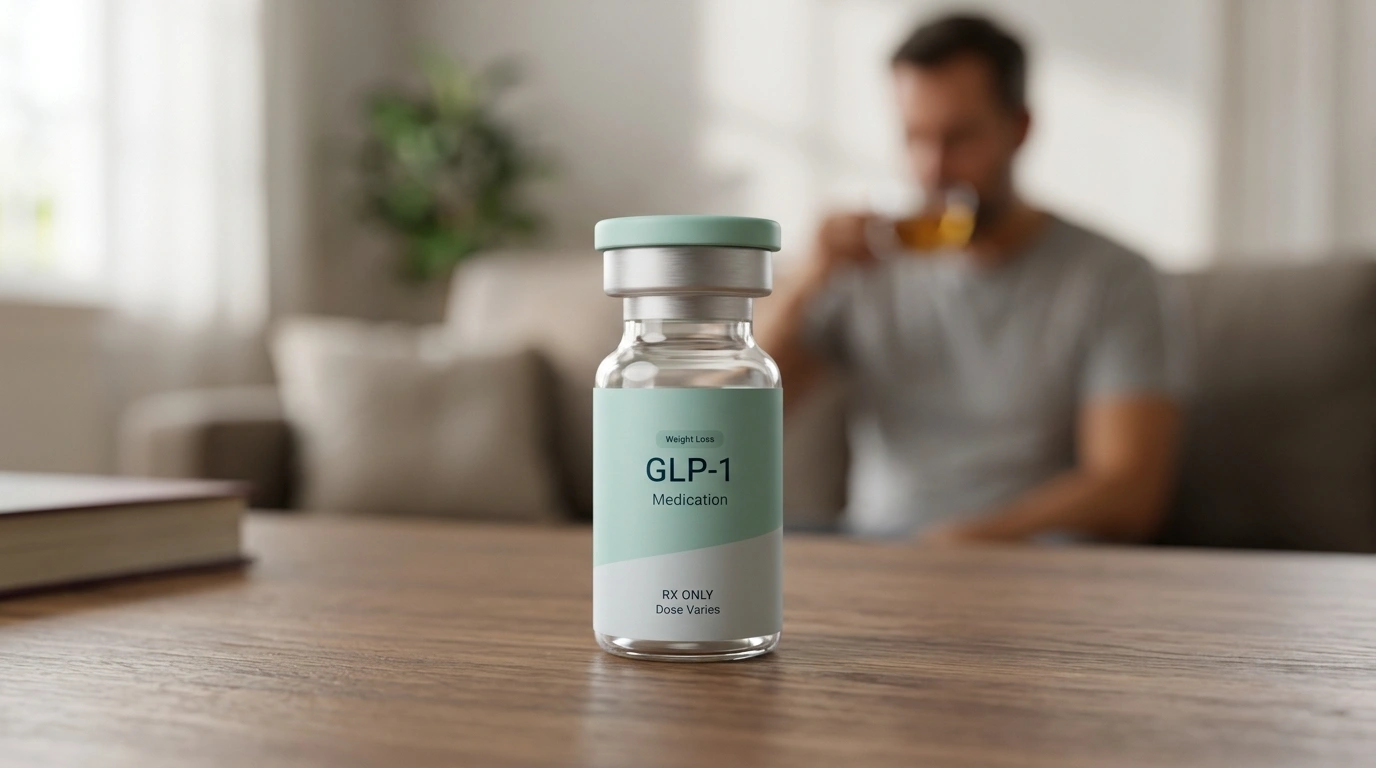
GLP-1, or glucagon-like peptide-1, is a hormone produced in the gut that plays a critical role in regulating appetite and blood sugar levels. GLP-1 receptor agonists are medications designed to mimic this hormone, promoting feelings of fullness, slowing gastric emptying, and enhancing insulin secretion. This class of medications has gained popularity for its efficacy in promoting significant weight loss and improving glycemic control in individuals with type 2 diabetes.
Some common GLP-1 medications include:
- Ozempic® (semaglutide): Approved for both diabetes management and weight loss.
- Wegovy® (semaglutide): Specifically aimed at weight management.
- Mounjaro® (tirzepatide): A newer dual-action medication that targets both GLP-1 and GIP receptors.
These medications, while effective, can come with side effects that users should be aware of before starting treatment.
Common Side Effects of GLP-1 Medications
Understanding the potential side effects of GLP-1 medications is crucial for anyone considering these treatments. While many individuals tolerate these medications well, some may experience mild to moderate side effects, especially during the initial phase of treatment. Common side effects can include:
- Nausea: Often the most reported side effect, particularly when starting treatment or increasing dosage.
- Vomiting: Less common but can occur, especially if the body is adjusting to the medication.
- Diarrhea or constipation: Gastrointestinal issues may arise due to altered gastric motility.
- Fatigue: Some individuals may feel more tired as their body adjusts.
- Headaches: A less common but noteworthy side effect, often linked to dehydration or dietary changes.
Among these side effects, headaches can be particularly concerning for some patients. Understanding the potential causes of headaches when taking GLP-1 medications is essential for effective management.
How GLP-1 Medications Might Contribute to Headaches
The occurrence of headaches in patients using GLP-1 medications can be attributed to several interconnected factors:
1. Dehydration
One of the primary reasons individuals may experience headaches while on GLP-1 medications is dehydration. As the medications slow gastric emptying and affect appetite, many patients may inadvertently reduce their food and fluid intake. This can lead to dehydration, a well-known trigger for headaches. Staying adequately hydrated is crucial, particularly when starting or adjusting dosages.
2. Dietary Changes
GLP-1 medications often lead to significant dietary changes. Patients may adopt new eating patterns or reduce caloric intake, both of which can affect their overall nutrition and hydration levels. For instance, lower carbohydrate intake may impact blood sugar levels, leading to headaches. It’s vital to maintain a balanced diet rich in nutrients while on these medications.
3. Blood Sugar Fluctuations
Headaches may also be linked to fluctuations in blood sugar levels. GLP-1 medications help regulate blood sugar, but initial adjustments can result in varying glucose levels. For some individuals, especially those with diabetes, rapid changes in blood sugar can lead to headaches. Monitoring blood sugar closely and adhering to dietary recommendations can help mitigate this risk.
4. Adjustment Period
As with any medication, the body may require time to adapt to the effects of GLP-1 medications. During this adjustment period, patients may experience temporary side effects, including headaches. These headaches often subside as the body acclimates to the medication.
Managing Headaches While on GLP-1 Medications
If you are experiencing headaches while taking GLP-1 medications, there are several strategies you can employ to manage this side effect effectively:
1. Stay Hydrated
Ensuring adequate hydration is one of the simplest and most effective ways to prevent headaches. Aim to drink at least eight glasses of water daily, adjusting for activity levels and any gastrointestinal side effects.
2. Monitor Dietary Intake
Maintaining a balanced diet is important for overall health and can help prevent headaches. Focus on consuming nutrient-rich foods and ensure that you are meeting your caloric needs. If you are unsure of how to adjust your diet while on GLP-1 medications, consider consulting a registered dietitian or nutritionist.
3. Track Symptoms
Keeping a journal of your headaches can provide valuable insights into potential triggers. Note when headaches occur, their intensity, and any associated symptoms. This information can be helpful for discussions with your healthcare provider.
4. Consult Your Healthcare Provider
If you experience persistent or severe headaches, reach out to your healthcare provider. They can help assess your symptoms, determine whether adjustments to your medication or dosage are necessary, and provide tailored advice for managing headaches.
5. Consider Over-the-Counter Pain Relief
For mild headaches, over-the-counter pain relievers may be effective. However, consult your healthcare provider before combining any medications, especially if you are taking GLP-1 medications.
When to Seek Medical Attention
While headaches are often manageable, there are instances when they may indicate a more significant issue. Seek medical attention if you experience any of the following:
- Severe or debilitating headaches that do not respond to over-the-counter medications.
- Headaches accompanied by other concerning symptoms, such as vision changes, severe nausea, or confusion.
- New or unusual headaches that differ from your typical headache pattern.
These signs may warrant further evaluation to rule out any serious underlying conditions.
Conclusion
Navigating the weight loss journey with the support of GLP-1 medications can be transformative, but it’s essential to be informed about potential side effects, including headaches. By understanding how these medications may contribute to headaches and implementing proactive strategies to manage them, we can enhance our overall treatment experience.
At TrimRx, we believe in the power of personalized care and open communication. If you are considering GLP-1 medications for weight loss, we encourage you to take our free assessment quiz to determine your eligibility for our prescription weight loss programs. Together, we can develop a tailored approach to your weight loss journey, ensuring that you have the support and resources needed for success.
As you embark on this journey, remember that you are not alone. Our commitment to empathetic, medically supervised care ensures that every individual receives the attention and support they deserve. If you have any questions or concerns, don’t hesitate to reach out.
FAQ
Can GLP-1 medications cause chronic headaches?
While headaches can occur during the initial stages of treatment, they are generally temporary and manageable. If headaches persist, consult your healthcare provider.
How can I differentiate between a medication-induced headache and a migraine?
Medication-induced headaches may be more generalized and may occur shortly after starting the medication. In contrast, migraines typically involve additional symptoms such as visual disturbances and can last longer.
Are there specific GLP-1 medications more likely to cause headaches than others?
Headaches can occur with any GLP-1 medication, but individual responses vary. Monitoring your symptoms closely can help identify any patterns.
What should I do if I experience severe headaches while on GLP-1 medications?
Contact your healthcare provider immediately if you experience severe headaches that disrupt your daily activities or are accompanied by other concerning symptoms.
Can lifestyle changes help reduce headaches while taking GLP-1 medications?
Yes, maintaining hydration, a balanced diet, and regular physical activity can help manage headaches. Additionally, monitoring blood sugar levels is essential for those with diabetes.
How long do headaches typically last when starting GLP-1 medications?
Headaches may last for a few days to weeks as your body adjusts to the medication. If they persist beyond this period, consult your healthcare provider.
Explore our personalized weight loss solutions at TrimRx and take our free assessment quiz today to see if you qualify for prescription weight loss medications. Together, we can embark on a journey towards a healthier lifestyle!

Transforming Lives, One Step at a Time
Keep reading

How to Adjust Weight Loss Goals on GLP-1 Medications
Adjust weight goals on GLP-1 meds by tracking body composition and labs, optimizing protein, activity, sleep, and working with your provider on dosing.

Falsified Mounjaro pens prompt urgent safety advisory
MHRA warns of counterfeit Mounjaro pens (batch D873576); stop use and check batch numbers for infection risk.

Novo Nordisk shares drop as Alzheimer’s hopes for weight-loss drug fade
Novo Nordisk’s semaglutide failed to slow Alzheimer’s in large trials, prompting shares to fall and expert reactions.


