Leucine Threshold: Protein Distribution Across Small GLP-1 Meals
Introduction
The leucine threshold is the practical reason you should spread protein across the day instead of eating it all at dinner. Each meal needs enough leucine, an amino acid that flips the switch on muscle protein synthesis, to fully trigger muscle building and preservation. On a GLP-1 drug, where your meals get smaller, hitting that threshold at each meal is the key to keeping muscle while you lose fat.
This guide explains what the leucine threshold is, how much protein you need per meal to reach it, and exactly how to distribute protein across small GLP-1 meals so each one does its muscle-protective job.
At TrimRx, we believe that understanding your options is the first step toward a more manageable health journey. You can take the free assessment quiz if you are ready to see whether a personalized program is a fit for you.
At TrimRx, we believe that understanding your options is the first step toward a more manageable health journey. You can take the free assessment quiz if you’re ready to see whether a personalized program is a fit for you.
What Is the Leucine Threshold?
The leucine threshold is the amount of leucine in a single meal needed to maximally stimulate muscle protein synthesis. Research often places it around 2.5 to 3 grams of leucine per meal for most adults, with older adults sometimes needing the higher end.
Quick Answer: The leucine threshold is the amount of leucine in a meal needed to maximally trigger muscle protein synthesis, often cited around 2.5 to 3 grams.
Leucine is one of the branched-chain amino acids and the primary trigger for the body’s muscle-building machinery. When a meal delivers enough leucine, it switches on muscle protein synthesis. Below the threshold, the response is weaker.
This is why protein quality and quantity per meal both matter. A meal has to clear the leucine threshold to fully do its muscle-protective work, which becomes especially relevant when meals are small.
How Much Protein Hits the Threshold?
For most people, roughly 25 to 40 grams of high-quality protein per meal reaches the leucine threshold. High-quality animal proteins and whey contain about 8 to 11 percent leucine, so a 30 gram protein serving typically delivers around 2.5 to 3 grams of leucine.
Plant proteins generally have lower leucine content, so you need a somewhat larger serving to hit the threshold, or you combine sources. This is a practical reason animal and whey proteins are efficient for muscle preservation when you are eating less overall.
The takeaway: aim for at least 25 to 30 grams of quality protein per meal, leaning toward the higher end if you are older or relying on plant sources. That gives each meal enough leucine to trigger muscle protein synthesis.
Why Does Distribution Matter on GLP-1 Drugs?
Distribution matters because the body can only use so much protein for muscle building at one sitting, and the leucine threshold resets between meals. Eating all your protein at dinner triggers muscle protein synthesis once, while spreading it across meals triggers it several times a day.
On a GLP-1 drug, appetite suppression means you naturally eat smaller meals, which makes it easy to fall below the threshold at any given meal. If your breakfast is half a yogurt and your lunch is a few bites, neither meal reaches the leucine threshold, and your muscle protection suffers.
Planning protein distribution counters this. Three to four meals that each clear the threshold give you multiple muscle-building signals across the day, which preserves more muscle than the same total protein eaten unevenly.
What Does an Ideal Distribution Look Like?
Aim for three to four protein “doses” of 25 to 40 grams each across the day, evenly spaced. For someone targeting 120 grams of protein, that might be 30 grams at breakfast, lunch, dinner, and a snack or shake.
Even spacing matters because muscle protein synthesis stays elevated for a few hours after a threshold-hitting meal, then returns to baseline. Spacing meals roughly three to five hours apart keeps muscle protein synthesis stimulated multiple times rather than once.
If you can only manage three meals, make each one count with 35 to 40 grams of protein. If appetite allows four smaller meals, 25 to 30 grams each works well. The pattern matters more than the exact split.
How Do You Hit the Threshold When Appetite Is Low?
Lead with protein and use protein-dense foods so a small volume of food still clears the threshold. When appetite is suppressed, you cannot rely on large meals, so density is everything.
Choose foods with high protein per bite: lean meat, fish, eggs, Greek yogurt, cottage cheese, and whey shakes. A scoop of whey gives 25 to 30 grams of leucine-rich protein in a few ounces of liquid, which is far easier than eating a large meal when you do not feel hungry.
Eat the protein first at every meal. Even if you fill up and leave food behind, the protein you ate first did the muscle-protective work. This front-loading habit is one of the most effective tools for GLP-1 users.
Which Proteins Are Most Efficient?
Whey and animal proteins are the most leucine-efficient, meaning you reach the threshold with less total protein. Whey is the gold standard because it is fast-digesting and very high in leucine, making it ideal when you want a threshold-hitting dose in a small package.
Eggs, chicken, beef, fish, dairy, and Greek yogurt are all complete proteins with strong leucine content. Cottage cheese and casein are slower-digesting, which makes them useful before bed for overnight amino acid supply.
Plant proteins like soy, pea, and combinations can work but generally need larger servings or blends to match the leucine of animal sources. For GLP-1 users fighting low appetite, the efficiency of whey and animal protein is a real advantage when every bite has to count.
Key Takeaway: On GLP-1 drugs, suppressed appetite makes small meals common, so hitting the threshold at each meal takes planning.
Does the Overnight Period Matter?
Yes. The hours you sleep are a long gap without protein, and supplying slow-digesting protein before bed can support muscle preservation overnight. Casein, found in dairy and cottage cheese, releases amino acids slowly over several hours.
A pre-bed dose of 30 to 40 grams of casein or cottage cheese provides a steady amino acid supply through the night, which research suggests supports overnight muscle protein synthesis. This is a useful fourth “dose” for GLP-1 users who struggle to eat enough during the day.
It also helps because evening can be when appetite is least suppressed for some people, making a pre-bed protein meal easier to consume than daytime meals.
Do Leucine or BCAA Supplements Help?
Standalone leucine or branched-chain amino acid supplements are usually unnecessary if you eat enough complete protein. Whole protein sources already deliver leucine alongside the full set of amino acids your body needs to build muscle.
There is a niche case: if a meal is unavoidably low in protein, adding leucine could nudge it over the threshold. But leucine alone does not build muscle. It triggers the process, and the other amino acids from complete protein are needed to actually carry it out. Spiking leucine without enough total protein gives you a signal with no raw material.
For most GLP-1 users, the better move is a whey shake, which delivers leucine plus the complete amino acid profile in one efficient dose. Save your money and effort for whole protein and whey rather than isolated amino acid supplements.
Sample One-day Protein Distribution
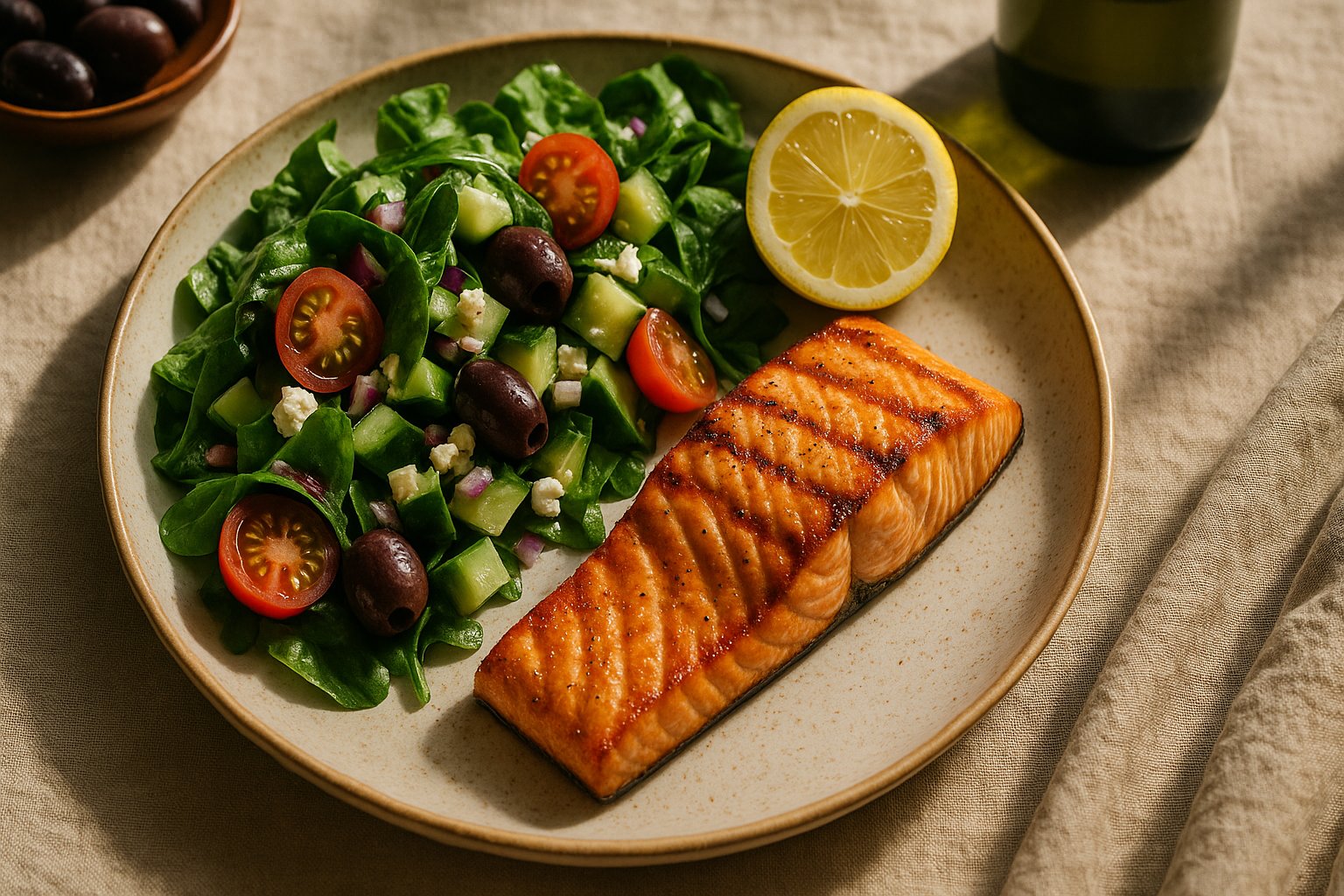
Here is a practical example for someone targeting around 120 grams of protein with a suppressed appetite. Breakfast: three eggs plus a slice of cheese, about 25 grams. Mid-morning or lunch: a whey shake, about 30 grams, easy to drink when food does not appeal. Dinner: a palm-sized portion of chicken or fish, about 35 grams. Before bed: cottage cheese, about 30 grams of slow-digesting casein.
That is four threshold-hitting doses spread across the day, totaling around 120 grams, each one triggering muscle protein synthesis. None of the meals is large, which fits a GLP-1 appetite.
Adjust the portions to your target and tolerance. The structure is what matters: protein-led, threshold-hitting, spread across the day, with a shake and a pre-bed dose covering the meals where solid food will not fit.
Path Forward with TrimRx
Protein distribution is the quiet detail that separates good body composition outcomes from disappointing ones on a GLP-1 drug. TrimRX offers compounded semaglutide and tirzepatide through a personalized telehealth program, with provider oversight and guidance on the nutrition habits that protect muscle.
Hit the leucine threshold at three to four meals a day, lead with protein, and use whey when food will not fit. That simple pattern keeps your muscle-building machinery firing while you lose fat. TrimRX’s free assessment quiz can help you see whether a structured program fits your goals.
Bottom line: Whey protein and animal proteins are leucine-rich, making them efficient choices when appetite is low.
FAQ
What Is the Leucine Threshold?
It is the amount of leucine in a meal needed to maximally trigger muscle protein synthesis, often cited around 2.5 to 3 grams, which usually means about 25 to 40 grams of high-quality protein per meal.
How Much Protein Per Meal Do I Need?
Roughly 25 to 40 grams of high-quality protein per meal hits the leucine threshold for most adults. Older adults and plant-protein eaters should aim toward the higher end.
Why Spread Protein Across Meals?
The body triggers muscle protein synthesis once per threshold-hitting meal, and the response resets between meals. Three to four doses across the day give multiple muscle-building signals versus one.
What Proteins Are Best for Hitting the Threshold?
Whey and animal proteins are the most leucine-efficient, so you reach the threshold with less total food, which matters when appetite is suppressed. Plant proteins need larger servings or blends.
Should I Eat Protein Before BED?
A pre-bed dose of slow-digesting casein, like cottage cheese, supplies amino acids through the night and supports overnight muscle preservation. It is a useful extra dose for GLP-1 users.
How Do I Hit My Protein Target with Low Appetite?
Lead with protein at every meal, use protein-dense foods, and add a whey shake when food will not fit. Front-loading protein protects you even when you cannot finish a meal.
Do I Need Leucine or BCAA Supplements?
Usually no. Whole protein and whey already deliver leucine with the complete amino acid profile needed to build muscle. Isolated leucine triggers the process but lacks the raw material to complete it.
Disclaimer: This content is for informational purposes only and does not constitute medical advice. It is not intended to diagnose, treat, cure, or prevent any disease or condition. Individual results may vary. Always consult a qualified healthcare professional before starting any weight loss program or medication.

Transforming Lives, One Step at a Time
Keep reading

What Labs Should Your Doctor Run Now That You’re on a GLP-1?
There is no universal panel, and anyone handing you a fixed list is guessing about your situation. What gets checked depends on what conditions…

Can’t Eat Enough Protein on a GLP-1? Why It Matters and What Helps
This is one of the most common difficulties on these medications, and the tension in your question is real: protein is the thing most…
Type 2 Diabetes Medications and a New GLP-1: What to Tell Your Doctor
Tell whoever prescribed the GLP-1 exactly what diabetes medications you take, at what doses, before your first injection. That conversation needs to happen first,…


