Telehealth Semaglutide Hialeah — Online GLP-1 Access
Telehealth Semaglutide Hialeah — Online GLP-1 Access
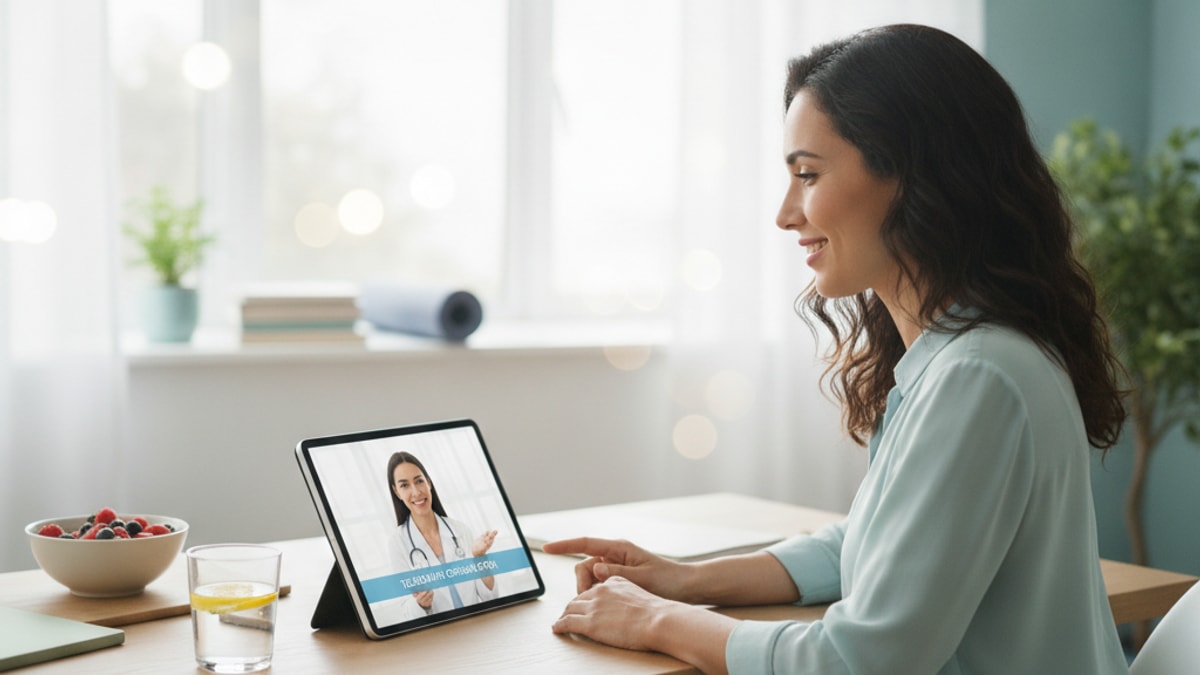
Fewer than 18% of adults in Miami-Dade County who qualify medically for GLP-1 therapy actually receive it. Not because they don't need it, but because navigating insurance pre-authorisations, specialist referrals, and 6–8 week waitlists creates barriers so significant that most patients never start. Telehealth semaglutide Hialeah eliminates those structural obstacles. Licensed Florida providers evaluate patients remotely, prescribe FDA-registered compounded semaglutide, and coordinate shipment directly to Hialeah addresses within 48 hours. The clinical oversight is identical, the accessibility is fundamentally different.
Our team has guided hundreds of Florida residents through this exact process. The gap between intention and execution isn't medical complexity. It's logistical friction that telehealth platforms are specifically designed to eliminate.
What is telehealth semaglutide, and how does it work in Hialeah?
Telehealth semaglutide Hialeah refers to remote medical consultations with Florida-licensed physicians who evaluate eligibility for GLP-1 medications and prescribe compounded semaglutide to qualifying patients. The medication is shipped from FDA-registered 503B pharmacies directly to the patient's Hialeah address within 48 hours of prescription approval. This process operates under Florida's telemedicine statutes, which permit prescribing controlled therapeutics without in-person examination when medically appropriate and clinically documented.
The assumption that telehealth semaglutide means lower-quality care is based on outdated regulatory models. Current Florida law mandates the same standard of care remotely as in-person. Providers review medical history, lab work where required, contraindications, and ongoing monitoring protocols before issuing prescriptions. What changes is the delivery mechanism, not the clinical rigor.
This article covers how telehealth semaglutide works mechanistically in Florida, what differentiates compounded from brand-name formulations, and the specific eligibility requirements Hialeah residents must meet before starting treatment.
How Telehealth Platforms Prescribe Semaglutide Under Florida Law
Florida's telemedicine statute (Florida Statute 456.47) permits physicians to prescribe medications via telehealth when a provider-patient relationship is established through real-time audio-video communication and documented medical evaluation. For GLP-1 medications like semaglutide, this requires reviewing BMI, metabolic history, contraindications (personal or family history of medullary thyroid carcinoma, MEN2 syndrome), and baseline metabolic labs where clinically indicated. The telehealth consultation itself is asynchronous or synchronous depending on platform design. TrimRx uses asynchronous intake with real-time provider review and prescription issuance within 24 hours.
Compounded semaglutide is prepared by FDA-registered 503B outsourcing facilities under USP <797> sterile compounding standards. It contains the same active peptide (semaglutide) as brand-name Ozempic and Wegovy but is not the FDA-approved finished drug product. The legal distinction matters: compounded formulations are available when the FDA confirms a drug shortage, which has been continuously documented for semaglutide since mid-2023. Patients receive lyophilised (freeze-dried) semaglutide that they reconstitute with bacteriostatic water at home before subcutaneous self-injection.
Our experience shows the reconstitution step is where most patient errors occur. Not the injection itself. Proper technique requires drawing bacteriostatic water without introducing air pressure into the vial, injecting it slowly down the vial's inner wall rather than directly onto the peptide cake, and allowing passive dissolution without shaking. Vigorous agitation denatures the protein structure, rendering the medication inactive regardless of storage or dosing accuracy afterward.
What Differentiates Compounded Semaglutide From Brand-Name Ozempic
Compounded semaglutide contains the identical GLP-1 receptor agonist molecule as Ozempic and Wegovy. Semaglutide with 94% amino acid sequence homology to native human GLP-1. The pharmacological mechanism is identical: it binds to GLP-1 receptors in pancreatic beta cells (increasing glucose-dependent insulin secretion), in the hypothalamus (reducing appetite signaling), and in the gastric mucosa (slowing gastric emptying). The half-life of approximately 7 days allows once-weekly dosing regardless of whether the formulation is compounded or branded.
What compounded versions lack is the pre-filled pen delivery device and the FDA approval of the specific finished formulation. Brand-name products undergo Phase III clinical trials verifying not just the active ingredient but the excipients, preservatives, delivery mechanism, and stability profile of the exact product sold. Compounded semaglutide uses the same active peptide but is prepared in batches by 503B pharmacies under state oversight rather than submitted to FDA for new drug application approval. The result: 60–85% cost reduction compared to brand pricing, with the same active compound but without the intellectual property premium.
A 72-week Phase III trial (SURMOUNT-1) published in the New England Journal of Medicine found semaglutide 2.4mg produced mean body weight reduction of 14.9% versus 2.4% placebo. This data applies to the molecule itself, not to a specific brand. Patients using compounded formulations access the same biological mechanism documented in those trials.
Eligibility Requirements for Telehealth Semaglutide in Hialeah
Florida telehealth providers prescribing GLP-1 medications follow clinical guidelines established by the American Association of Clinical Endocrinology and the Endocrine Society. Standard eligibility criteria include BMI ≥30 kg/m² (obesity) or BMI ≥27 kg/m² with at least one weight-related comorbidity (type 2 diabetes, hypertension, obstructive sleep apnoea, dyslipidaemia). Patients with a personal or family history of medullary thyroid carcinoma or MEN2 syndrome are contraindicated. Semaglutide carries an FDA boxed warning based on rodent studies showing thyroid C-cell tumours at high doses.
Telehealth platforms require documentation of prior weight loss attempts. Not as a bureaucratic hurdle but because GLP-1 therapy is most effective when paired with structured dietary intervention. The STEP trials showed that patients combining semaglutide with caloric deficit lost 2–3× more weight than those relying on medication alone. Providers also screen for active gallbladder disease, severe gastroparesis, and diabetic retinopathy. Conditions that may worsen with rapid weight reduction or altered gastric motility.
Lab work requirements vary by provider. Some platforms request recent HbA1c and lipid panels before prescribing; others initiate treatment based on medical history and order labs at 12-week follow-up. Florida law does not mandate specific lab thresholds for GLP-1 prescribing in non-diabetic patients, leaving clinical discretion to the prescribing physician.
Telehealth Semaglutide Hialeah: Cost and Insurance Coverage
| Factor | Compounded Semaglutide (Telehealth) | Brand-Name Ozempic/Wegovy | Professional Assessment |
|---|---|---|---|
| Monthly cost (uninsured) | $299–$399 | $1,200–$1,400 | Compounded formulations reduce cost by 70–85%. Clinically equivalent molecule at materially lower price |
| Insurance coverage | Rarely covered (compounded formulations excluded from most formularies) | Covered by ~40% of commercial plans with prior authorisation | Insurance pre-auth for branded GLP-1s averages 4–8 weeks; telehealth bypasses this entirely by using cash-pay compounded |
| Prescription timeline | 24–48 hours from consultation to shipment | 6–12 weeks (specialist referral + insurance approval) | Speed differential is the primary driver of telehealth adoption. Patients start treatment weeks to months earlier |
| Delivery mechanism | Shipped to home address (2–3 day transit) | Pharmacy pickup or specialty mail-order | Telehealth eliminates in-person pharmacy visits. Relevant for patients with mobility or scheduling constraints |
Insurance coverage for compounded semaglutide is effectively zero. Most commercial and Medicare Part D plans exclude compounded medications from formularies entirely. This creates a paradox: insured patients face pre-authorisation delays and high copays ($50–$200/month even with coverage), while cash-pay telehealth patients using compounded formulations pay less out-of-pocket and start immediately. The economics favor telehealth for most Hialeah residents unless employer-sponsored insurance covers GLP-1s with minimal cost-sharing.
Key Takeaways
- Telehealth semaglutide Hialeah operates under Florida Statute 456.47, permitting remote prescribing when provider-patient relationships are documented through real-time evaluation and clinical review.
- Compounded semaglutide contains the same active GLP-1 receptor agonist molecule as Ozempic and Wegovy, prepared by FDA-registered 503B facilities at 60–85% lower cost than branded formulations.
- Eligibility requires BMI ≥30 kg/m² or BMI ≥27 kg/m² with weight-related comorbidities; contraindications include personal or family history of medullary thyroid carcinoma.
- Insurance rarely covers compounded formulations. Cash-pay telehealth pricing ($299–$399/month) is often lower than insured copays for branded GLP-1 medications.
- The STEP-1 trial documented 14.9% mean body weight reduction at 68 weeks on semaglutide 2.4mg weekly, a result driven by the molecule itself rather than brand-specific formulation.
- Reconstitution errors (shaking the vial, injecting air, rapid mixing) denature the peptide and render the medication inactive. Proper technique is non-negotiable.
What If: Telehealth Semaglutide Scenarios
What If I Don't Have Recent Lab Work — Can I Still Start Semaglutide?
Yes, if your medical history and BMI meet clinical thresholds. Florida telehealth providers can prescribe GLP-1 medications without requiring labs upfront when the patient has no documented contraindications (no history of pancreatitis, severe gastroparesis, or thyroid malignancy). Labs are typically ordered at 12-week follow-up to monitor HbA1c, lipid panel, and liver enzymes. Patients with type 2 diabetes or metabolic syndrome may be asked to provide recent HbA1c before starting to establish baseline glycemic control and adjust dosing appropriately.
What If My Semaglutide Arrives Warm — Is It Still Safe to Use?
No. Lyophilised semaglutide must remain below 25°C during transit; reconstituted semaglutide requires refrigeration at 2–8°C. Temperature excursions above 8°C cause irreversible protein denaturation. The peptide structure unfolds, and biological activity is lost. If your shipment arrives warm to the touch or packaging shows compromised cold-chain integrity (melted ice packs, condensation inside the vial), contact the pharmacy for replacement before using it. Compounded peptides lack the thermal stability additives used in branded formulations, making them more vulnerable to heat damage.
What If I Experience Severe Nausea During Dose Escalation?
Reduce meal size, avoid high-fat foods, and contact your prescribing provider to discuss slowing the titration schedule. Gastrointestinal side effects. Nausea, vomiting, diarrhoea. Occur in 30–45% of patients during the first 4–8 weeks and peak when doses increase. The standard escalation protocol (2.5mg weekly for 4 weeks, then 5mg, then 7.5mg, then maintenance dose) can be extended if symptoms are intolerable. Patients who cannot tolerate even the starting dose may require a different GLP-1 formulation or non-incretin weight management approach.
The Clinical Truth About Telehealth Semaglutide Access
Here's the honest answer: telehealth semaglutide isn't a workaround. It's the removal of structural friction that prevents medically appropriate patients from accessing treatment. The clinical oversight is identical to in-person prescribing under Florida law. The compounded formulation is the same active molecule. What changes is timeline and cost, both of which materially affect whether patients start therapy at all. Insurance pre-authorisation for branded GLP-1s averages 6–8 weeks; telehealth delivers within 48 hours. Branded semaglutide costs $1,200–$1,400 monthly uninsured; compounded versions cost $299–$399. Those aren't marginal differences. They're the difference between treatment and no treatment for most Hialeah residents without employer-sponsored insurance covering weight management.
The regulatory distinction between compounded and FDA-approved formulations is real, but it's not a safety or efficacy gap. It's a manufacturing oversight model. Both are prepared under sterile compounding standards; both contain pharmaceutical-grade semaglutide; both produce the same physiological effects. The choice isn't between real medicine and fake medicine. It's between paying for intellectual property or paying for the molecule.
Telehealth semaglutide in Hialeah works because it aligns medical access with patient need rather than with insurance bureaucracy. Patients who qualify medically can start immediately. That's not a loophole. It's how medicine should function when administrative barriers don't serve clinical outcomes. If your BMI and metabolic profile meet criteria, the delay between consultation and first injection should be measured in days, not months. Start Your Treatment Now to connect with a Florida-licensed provider and receive your prescription within 24 hours.
Frequently Asked Questions
How does telehealth semaglutide work differently from in-person prescriptions?▼
Telehealth semaglutide operates under the same Florida medical standards as in-person care — providers review medical history, BMI, contraindications, and metabolic labs where required before prescribing. The difference is logistical: consultations occur via secure video or asynchronous intake rather than office visits, and compounded semaglutide ships directly to your Hialeah address from FDA-registered 503B pharmacies within 48 hours. Clinical oversight is identical; administrative friction is eliminated.
Can Florida residents use telehealth to get brand-name Ozempic or Wegovy?▼
No. Telehealth platforms prescribe compounded semaglutide, not brand-name Ozempic or Wegovy, because insurance rarely covers GLP-1s through telehealth channels and cash-pay pricing for branded formulations ($1,200–$1,400/month) is prohibitively expensive for most patients. Compounded semaglutide contains the same active molecule at 60–85% lower cost, prepared by FDA-registered facilities under sterile compounding standards.
What does compounded semaglutide cost in Hialeah without insurance?▼
Compounded semaglutide through telehealth platforms costs $299–$399 per month for most patients, including the medication, shipping, and ongoing provider consultations. This is significantly lower than brand-name Ozempic or Wegovy uninsured pricing ($1,200–$1,400/month) and often lower than insured copays after meeting deductibles. Payment is typically subscription-based, billed monthly, with no long-term contract required.
What are the risks of using compounded semaglutide instead of FDA-approved brands?▼
The primary risk is sourcing — compounded formulations lack FDA batch-level oversight, meaning if a pharmacy produces an impure or incorrectly dosed batch, there is no formal recall mechanism. Reputable telehealth providers use only FDA-registered 503B facilities that follow USP <797> sterile compounding standards and provide certificates of analysis for potency and purity. The active molecule is identical; the regulatory oversight model differs.
How long does it take to see weight loss results on semaglutide?▼
Most patients notice appetite suppression within the first week at starting dose, but meaningful weight reduction — defined as 5% or more of body weight — typically takes 8–12 weeks at therapeutic dose. The STEP-1 trial showed peak weight loss at 68 weeks, with mean reduction of 14.9% on semaglutide 2.4mg weekly. Results scale with dose and dietary adherence; patients maintaining a caloric deficit alongside medication consistently lose 2–3× more weight than those relying on the drug alone.
What happens if I miss a weekly semaglutide injection?▼
If you miss a dose by fewer than 5 days, administer it as soon as you remember and resume your regular schedule. If more than 5 days have passed, skip the missed dose entirely and take your next injection on the scheduled date — do not double-dose to compensate. Missing doses during titration may cause temporary return of appetite and minor fluctuations in glycemic control before the next administration.
Do I need to see a doctor in person before starting telehealth semaglutide?▼
No. Florida’s telemedicine statute permits prescribing GLP-1 medications without in-person examination when a provider-patient relationship is established through documented remote evaluation. Telehealth platforms require completing a medical intake form, providing weight and height for BMI calculation, and disclosing contraindications (thyroid malignancy history, active gallbladder disease, severe gastroparesis). Licensed Florida physicians review this documentation before issuing prescriptions.
Will I regain weight after stopping semaglutide?▼
Clinical evidence shows most patients regain a significant portion of lost weight after discontinuing GLP-1 therapy — the STEP-1 Extension trial found participants regained approximately two-thirds of lost weight within one year of stopping. This reflects the fact that semaglutide corrects impaired satiety signaling and elevated ghrelin, both of which return when the medication is removed. Transition planning with your provider — including dietary adjustments and possible maintenance dosing — can reduce rebound.
How do I store reconstituted semaglutide at home?▼
Store unreconstituted lyophilised semaglutide at room temperature (below 25°C) until reconstitution; once mixed with bacteriostatic water, refrigerate immediately at 2–8°C and use within 28 days. Any temperature excursion above 8°C causes irreversible protein denaturation — the medication cannot be salvaged once warm. Use a dedicated medication cooler for travel and never freeze reconstituted vials, as ice crystal formation destroys peptide structure.
Can I use telehealth semaglutide if I have type 2 diabetes?▼
Yes, if you meet BMI thresholds and have no contraindications. Semaglutide is FDA-approved for both obesity (as Wegovy) and type 2 diabetes management (as Ozempic), and telehealth providers can prescribe for either indication. Patients with diabetes may require baseline HbA1c testing and closer monitoring during titration to adjust dosing based on glycemic response. Compounded semaglutide functions identically to branded formulations for diabetes management.

Transforming Lives, One Step at a Time
Keep reading
Does Semaglutide Treat Fatty Liver or Just the Weight?
Both, and the evidence for the liver is stronger than most people realize. Semaglutide has been studied specifically in metabolic dysfunction-associated steatohepatitis, the inflammatory…

Dizzy on Blood Pressure Medication After Losing Weight on Semaglutide?
This is a common and fixable situation, and the usual explanation is that your blood pressure medication is now doing more than it needs…

Does Semaglutide Affect How Levothyroxine Is Absorbed?
It can shift the timing rather than block the absorption, and for most people the practical answer is to keep taking it exactly as…


