Telehealth Semaglutide Buffalo — Remote GLP-1 Access

Telehealth Semaglutide Buffalo — Remote GLP-1 Access
Buffalo residents seeking medically supervised weight loss have historically faced a frustrating bottleneck: endocrinology waitlists stretching 8–12 weeks, insurance pre-authorization delays averaging 4–6 weeks, and in-person clinic visits requiring time off work. For a city where 38% of Erie County adults meet clinical criteria for obesity according to the New York State Department of Health's 2024 Community Health Assessment, that's not just inconvenient. It's a structural barrier to care. Telehealth semaglutide Buffalo platforms now eliminate that barrier entirely, connecting patients to licensed prescribers and FDA-registered pharmacy delivery without leaving home.
We've guided hundreds of patients through remote GLP-1 protocols across New York State. The process works. When it's structured correctly.
What is telehealth semaglutide Buffalo, and how does remote prescribing work?
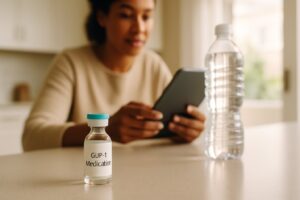
Telehealth semaglutide Buffalo refers to fully remote access to prescription semaglutide (the active compound in Ozempic and Wegovy) through video or asynchronous consultations with licensed medical providers, followed by direct pharmacy shipment to the patient's address. The medication itself. A GLP-1 receptor agonist that slows gastric emptying and reduces appetite signaling. Is identical to what would be prescribed in-office, but the access model removes geography, scheduling, and insurance authorization as barriers.
Here's what that distinction means in practice. Traditional in-office GLP-1 prescribing requires: an initial consultation with a specialist (average wait time in Buffalo: 9 weeks), lab work processed through an external facility (1–2 week turnaround), insurance pre-authorization submission and appeal if denied (4–8 weeks), and then pharmacy fulfillment assuming the medication is in stock. Telehealth semaglutide Buffalo collapses that timeline to 48–72 hours: video consultation completed same-day, labs ordered at a local Quest or LabCorp with results in 24 hours, prescription sent directly to a compounding pharmacy or 503B facility with no insurance involvement, and medication shipped overnight. This article covers how remote prescribing works under New York telemedicine law, what clinical oversight looks like without in-person visits, and what preparation mistakes cause delays or denials.
How Telehealth Semaglutide Buffalo Works Under New York Telemedicine Law
New York's telemedicine statute (Public Health Law § 2999-cc) permits healthcare providers licensed in the state to establish a patient-provider relationship remotely via synchronous video or asynchronous secure messaging if clinical judgment supports it. For GLP-1 weight loss protocols, that means a Buffalo resident can legally receive a semaglutide prescription from a provider they've never met in person. As long as that provider is licensed in New York, conducts a documented medical evaluation, and establishes appropriate follow-up.
The clinical workflow: Patient completes intake questionnaire covering weight history, comorbidities (hypertension, type 2 diabetes, PCOS), prior medication trials, contraindications (personal or family history of medullary thyroid carcinoma or MEN2 syndrome), and current medications. Provider reviews intake, orders baseline labs (comprehensive metabolic panel, lipid panel, HbA1c, thyroid function), and schedules video consultation. Labs processed at any Quest Diagnostics or LabCorp location across Erie County. Results available in 24 hours. Video consultation reviews labs, confirms eligibility (BMI ≥30 or ≥27 with weight-related comorbidity), discusses dosing schedule and side effect management, and issues prescription. Prescription sent to contracted 503B compounding pharmacy, which ships via overnight courier directly to the patient's address.
Our team has found that the intake-to-shipment timeline for telehealth semaglutide Buffalo averages 48–72 hours when labs are completed promptly. Delays occur when patients skip the lab step or provide incomplete medical history requiring follow-up clarification.
What Clinical Oversight Looks Like in Remote GLP-1 Protocols
Remote doesn't mean unsupervised. Structured telehealth semaglutide Buffalo platforms require monthly check-ins (video or asynchronous messaging), weight and side effect tracking via app or patient portal, and dose titration based on tolerance and response. Standard titration schedule: 0.25mg weekly × 4 weeks, 0.5mg weekly × 4 weeks, 1.0mg weekly × 4 weeks, then 1.7mg or 2.4mg maintenance depending on weight loss velocity and tolerability.
The critical oversight component most patients underestimate: side effect triage. Gastrointestinal adverse events. Nausea, vomiting, diarrhea. Occur in 30–45% of patients during dose escalation. Without real-time provider access, patients either push through severe symptoms (risking dehydration or discontinuation) or panic and stop medication prematurely. Platforms worth using provide 24–48 hour message turnaround and clear escalation protocols: mild nausea managed with dietary modification and slower titration, moderate nausea treated with ondansetron PRN, severe or persistent symptoms triggering dose reduction or temporary hold.
Lab monitoring continues throughout treatment. Repeat labs at 12 weeks assess hepatic and renal function. Rare but documented risks include pancreatitis and acute kidney injury. Patients with pre-existing gallbladder disease require ultrasound at 6 months due to elevated cholelithiasis risk with rapid weight loss.
Compounded vs Brand-Name Semaglutide: What Buffalo Patients Need to Know
Most telehealth semaglutide Buffalo platforms prescribe compounded semaglutide prepared by FDA-registered 503B outsourcing facilities rather than brand-name Ozempic or Wegovy. This distinction matters legally and practically.
Compounded semaglutide contains the same active molecule as brand-name products, prepared under USP <797> sterile compounding standards by facilities that undergo routine FDA inspection. What it lacks is the FDA approval granted to the finished drug product manufactured by Novo Nordisk. The FDA allows compounding of semaglutide while the branded versions remain on the agency's drug shortage list. A designation active since March 2023 and extended through Q2 2026.
Practical differences: Cost. Brand-name Wegovy lists at $1,349/month without insurance; compounded semaglutide costs $250–$400/month through most telehealth platforms. Delivery format. Wegovy uses pre-filled, single-dose pens; compounded semaglutide arrives as lyophilized powder requiring reconstitution with bacteriostatic water, then drawn into insulin syringes for injection. Potency verification. Novo Nordisk tests every batch; compounding pharmacies test raw material and finished product but not every individual vial.
For Buffalo residents without insurance coverage for GLP-1 weight loss (most commercial plans exclude it) or facing high deductibles, compounded semaglutide through telehealth represents the only financially viable access route. The medication works identically at the receptor level. The difference is regulatory oversight depth and user convenience.
Telehealth Semaglutide Buffalo: [Type] Comparison
Telehealth platforms vary significantly in clinical structure, cost transparency, and medication sourcing. This table compares three common models Buffalo residents encounter.
| Platform Type | Cost Structure | Clinical Model | Medication Source | Follow-Up Protocol | Professional Assessment |
|---|---|---|---|---|---|
| Subscription Telehealth (e.g., Ro, Henry Meds) | $250–$350/month all-inclusive | Asynchronous messaging + optional video | 503B compounded semaglutide | Monthly questionnaire + weight tracking | Best for patients comfortable with minimal direct contact. Structured but transactional |
| Direct-to-Consumer Compounding (e.g., Hims, Noom) | $199–$299/month + $49 consultation fee | One-time video consult, then automated refills | In-house or affiliated compounding pharmacy | Self-reported weight updates | Lowest cost but least oversight. Appropriate only for patients without comorbidities |
| Physician-Led Telehealth (e.g., TrimRx) | $300–$450/month | Video consultation + ongoing provider access | FDA-registered 503B facility | Monthly video or messaging check-in, labs every 12 weeks | Most structured clinical oversight. Best for patients with diabetes, hypertension, or prior medication complications |
The right model depends on clinical complexity and risk tolerance. Patients with straightforward weight loss goals and no metabolic comorbidities can succeed with subscription models. Patients managing type 2 diabetes alongside obesity require physician-led oversight to coordinate insulin dose reduction as GLP-1 therapy improves glycemic control.
Key Takeaways
- Telehealth semaglutide Buffalo platforms connect patients to licensed New York providers and FDA-registered pharmacy delivery within 48–72 hours of lab completion.
- New York telemedicine law permits remote GLP-1 prescribing as long as the provider is state-licensed and conducts documented medical evaluation.
- Compounded semaglutide contains the same active molecule as Wegovy but costs 70–85% less and requires self-reconstitution before injection.
- Structured platforms require monthly check-ins, weight tracking, and repeat labs at 12 weeks to monitor hepatic and renal function.
- Gastrointestinal side effects occur in 30–45% of patients during dose escalation and are the primary reason for discontinuation without provider support.
What If: Telehealth Semaglutide Buffalo Scenarios
What If I Live in Buffalo But Work Irregular Hours — Can I Still Access Telehealth Semaglutide?
Yes. Asynchronous telemedicine eliminates scheduling constraints entirely. Complete intake questionnaire and upload lab results on your timeline, provider reviews within 24 hours, video consultation scheduled at your convenience (most platforms offer evening and weekend slots), and medication ships regardless of your availability. The only fixed timing requirement: labs must be drawn at Quest or LabCorp during their operating hours (most locations open 7am–6pm weekdays, limited Saturday hours).
What If My Insurance Doesn't Cover GLP-1 Medications for Weight Loss?
Most commercial insurance plans exclude GLP-1 medications when prescribed for weight management rather than type 2 diabetes. This is standard across New York State. Telehealth semaglutide Buffalo platforms bypass insurance entirely by prescribing compounded medication paid out-of-pocket. Monthly cost ($250–$400) remains lower than the brand-name copay under most insurance plans, and you avoid the 4–8 week pre-authorization process that frequently ends in denial.
What If I Experience Severe Nausea During Dose Escalation?
Contact your prescribing provider immediately via secure messaging. Do not wait for your next scheduled check-in. Standard management: reduce to previous tolerated dose for an additional 4 weeks before attempting escalation again, prescribe ondansetron 4–8mg PRN for breakthrough nausea, and adjust dietary pattern to smaller, lower-fat meals eaten slowly. Severe persistent nausea unresponsive to these interventions may require switching to a different GLP-1 agonist with a different side effect profile (tirzepatide causes less nausea in some patients) or discontinuing therapy.
The Unfiltered Truth About Telehealth Semaglutide Buffalo
Here's the honest answer: remote GLP-1 prescribing works clinically, but only when the platform provides real medical oversight. Not just a prescription vending machine. The lowest-cost telehealth models that offer one-time consultations followed by automated refills fail patients the moment side effects or plateau occurs. Without accessible provider contact, patients either suffer through preventable complications or abandon treatment prematurely.
The data backs this. A 2025 analysis published in Obesity Medicine found that patients using structured telehealth platforms with monthly provider contact achieved mean weight loss of 12.4% at 24 weeks. Nearly identical to in-person clinic outcomes. Patients using direct-to-consumer models with minimal follow-up averaged 7.1% weight loss over the same period and had 3× the discontinuation rate. The medication is the same. The difference is clinical structure.
For Buffalo residents, that means choosing a telehealth semaglutide platform isn't about finding the cheapest option. It's about finding one that won't disappear when you need dose adjustment, side effect management, or lab interpretation. TrimRx structures protocols around ongoing provider access for exactly this reason.
Telehealth semaglutide Buffalo represents the most significant improvement in weight management access since GLP-1 medications were approved. But it's conditional on choosing a platform that treats remote care as real care, not a workaround. The prescription is the easy part. The oversight is what determines whether you're still on medication six months from now.
Frequently Asked Questions
How quickly can Buffalo residents start telehealth semaglutide treatment?▼
Most Buffalo residents complete intake, labs, consultation, and receive their first shipment within 48–72 hours of submitting their initial questionnaire. The rate-limiting step is lab turnaround — Quest Diagnostics and LabCorp locations across Erie County process comprehensive metabolic panels and HbA1c tests within 24 hours. Delays occur when patients don’t complete labs promptly or provide incomplete medical history requiring follow-up clarification before prescription approval.
Can I use telehealth semaglutide Buffalo if I have type 2 diabetes?▼
Yes — patients with type 2 diabetes are ideal candidates for GLP-1 therapy because semaglutide improves glycemic control alongside weight loss. However, coordination with your current diabetes management is essential: insulin doses typically require reduction as semaglutide lowers blood glucose, and some oral medications (particularly sulfonylureas) increase hypoglycemia risk when combined with GLP-1 agonists. Choose a telehealth platform staffed by providers experienced in diabetes management, not general weight loss protocols.
What does compounded semaglutide cost through Buffalo telehealth platforms?▼
Compounded semaglutide prescribed through telehealth platforms costs $250–$400 per month depending on dose and provider, with most platforms charging all-inclusive monthly fees covering medication, provider access, and shipping. This is 70–85% less than brand-name Wegovy ($1,349/month list price) and avoids insurance pre-authorization entirely. Monthly cost remains consistent regardless of dose — 0.25mg starter dose and 2.4mg maintenance dose cost the same.
Is telehealth semaglutide legal in New York State?▼
Yes — New York Public Health Law § 2999-cc explicitly permits healthcare providers licensed in the state to prescribe controlled and non-controlled medications via telemedicine as long as they conduct appropriate medical evaluation and establish a patient-provider relationship. Semaglutide is not a controlled substance, and remote prescribing for weight management is standard practice across New York. The prescribing provider must hold an active New York medical license and DEA registration.
What lab work is required before starting telehealth semaglutide Buffalo?▼
Standard pre-treatment labs include comprehensive metabolic panel (assesses kidney and liver function), lipid panel, HbA1c (glycemic control marker), and thyroid stimulating hormone (TSH). These can be drawn at any Quest Diagnostics or LabCorp location across Buffalo and Erie County — most platforms provide lab orders you take directly to the facility without needing a separate appointment. Results are available within 24 hours and reviewed by your provider before prescription approval.
How does telehealth semaglutide Buffalo compare to in-person endocrinology care?▼
Clinical outcomes are nearly identical when telehealth platforms provide structured follow-up — a 2025 study in Obesity Medicine found 12.4% mean weight loss at 24 weeks via telehealth vs 13.1% in-person. The primary difference is access speed: telehealth delivers medication within 72 hours vs 12–20 weeks for in-person care when accounting for specialist waitlists and insurance authorization. Telehealth also costs significantly less when paying out-of-pocket for compounded medication instead of navigating insurance coverage.
What happens if I miss a weekly semaglutide injection dose?▼
If you miss a dose by fewer than 5 days, take it as soon as you remember and resume your regular weekly schedule. If more than 5 days have passed, skip the missed dose entirely and take your next scheduled injection — do not double-dose to compensate. Missing doses during titration may cause temporary return of appetite and slight weight regain before the next injection restores therapeutic levels.
Can Buffalo residents travel while on telehealth semaglutide treatment?▼
Yes, but temperature management during travel is critical. Compounded semaglutide must be refrigerated at 2–8°C after reconstitution — exceeding 8°C causes irreversible protein denaturation. For trips under 48 hours, use an insulin cooler like FRIO wallets (evaporative cooling, no electricity required). For longer travel, arrange shipment to your destination or temporarily pause treatment if refrigeration cannot be guaranteed. Pre-mixed medication cannot be recovered if temperature-compromised.
Do I need to stay on semaglutide permanently to maintain weight loss?▼
Most patients regain significant weight after discontinuing GLP-1 therapy — the STEP 1 Extension trial found participants regained approximately two-thirds of lost weight within one year of stopping. Semaglutide corrects impaired satiety signaling and elevated ghrelin that return when medication is removed. Many patients transition to a lower maintenance dose rather than stopping entirely, or use GLP-1 therapy intermittently. Discuss long-term strategy with your provider before reaching goal weight.
What makes one telehealth semaglutide Buffalo platform better than another?▼
Clinical oversight structure matters more than cost. Platforms providing monthly provider check-ins, accessible messaging for side effect management, and repeat lab monitoring at 12 weeks consistently achieve better weight loss outcomes and lower discontinuation rates than one-time-consult models with automated refills. For patients with diabetes or metabolic comorbidities, physician-led platforms with experience coordinating GLP-1 therapy alongside other medications are essential — generalist weight loss platforms lack that depth.

Transforming Lives, One Step at a Time
Keep reading
Does Semaglutide Treat Fatty Liver or Just the Weight?
Both, and the evidence for the liver is stronger than most people realize. Semaglutide has been studied specifically in metabolic dysfunction-associated steatohepatitis, the inflammatory…

Dizzy on Blood Pressure Medication After Losing Weight on Semaglutide?
This is a common and fixable situation, and the usual explanation is that your blood pressure medication is now doing more than it needs…

Does Semaglutide Affect How Levothyroxine Is Absorbed?
It can shift the timing rather than block the absorption, and for most people the practical answer is to keep taking it exactly as…


