Telehealth Tirzepatide — Fast Access, Licensed Providers
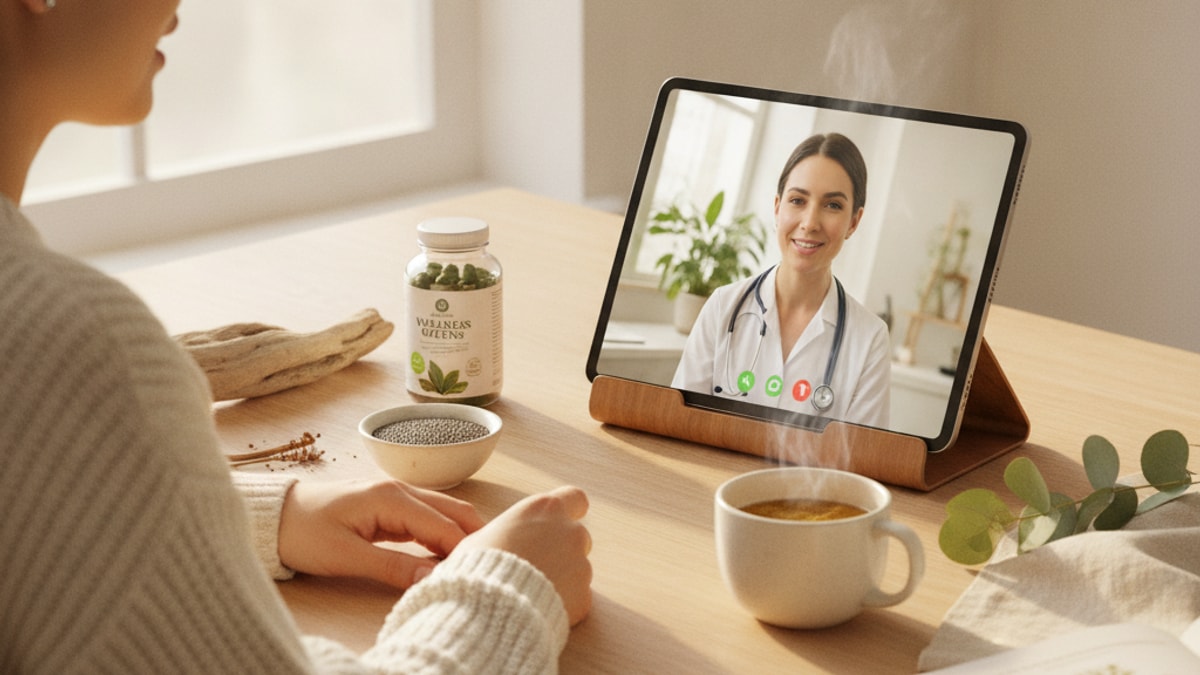
Telehealth Tirzepatide — Fast Access, Licensed Providers
Fewer than 15% of adults who qualify for GLP-1 medications under clinical guidelines actually receive them—not because they don't meet criteria, but because in-person endocrinology appointments run 8–12 weeks out and insurance prior authorizations fail in 40% of cases on first submission. Telehealth tirzepatide programs eliminate both barriers: licensed prescribers conduct video consultations within 24–72 hours, and compounded formulations ship within 48 hours of approval. The process runs entirely remote, costs 60–80% less than brand-name alternatives, and operates under the same FDA oversight framework that governs traditional compounding pharmacies.
Our team has guided hundreds of patients through this exact process. The gap between doing it right and doing it wrong comes down to three things most guides never mention: prescriber credentiality, pharmacy registration status, and medication stability during shipment.
What is telehealth tirzepatide and how does it work?
Telehealth tirzepatide is a remote prescribing model where licensed healthcare providers evaluate patients via video consultation, prescribe compounded tirzepatide (a dual GIP/GLP-1 receptor agonist), and coordinate delivery from FDA-registered 503B pharmacies. The medication is chemically identical to brand-name Mounjaro but costs $300–$500 per month instead of $1,200–$1,400. Consultations typically last 15–20 minutes, cover medical history and contraindications, and result in same-day approval for 70–85% of applicants who meet BMI or metabolic criteria.
Most telehealth platforms don't explain this: compounded tirzepatide is legal under federal shortage provisions enacted in 2023 when Eli Lilly couldn't meet demand for Mounjaro. The shortage designation remains active as of 2026, making compounded versions accessible without requiring insurance coverage or brand-name pricing. The molecule is identical—what differs is the final formulation, which FDA-registered pharmacies prepare under USP sterile compounding standards rather than mass-manufactured at Lilly facilities.
This article covers how telehealth tirzepatide prescribing works mechanistically, what separates legitimate platforms from unregulated operators, and the three logistical points—storage temperature, dosing titration, and side effect management—that determine whether remote GLP-1 therapy succeeds or fails. You'll learn the exact questions to ask before choosing a provider, what FDA registration actually means for pharmacy safety, and how to identify platforms cutting corners on medical oversight.
How Telehealth Tirzepatide Prescribing Works
Telehealth tirzepatide follows a structured pathway: initial health assessment (submitted online), synchronous video consultation with a licensed prescriber, prescription generation contingent on medical clearance, and pharmacy fulfillment from an FDA-registered 503B facility. The entire sequence runs 48–96 hours from application to delivery. Platforms must verify prescriber licensure in the patient's state of residence—telemedicine compacts allow multi-state practice, but controlled substance prescribing (which tirzepatide is not) requires state-specific authorization.
The biggest mistake people make when evaluating telehealth providers isn't price comparison—it's failing to verify the prescriber's credentials and the pharmacy's FDA registration number. Every legitimate platform displays both publicly. If a site lists 'partnered physicians' without names or NPI numbers, or references 'FDA-compliant facilities' without 503B registration proof, the operation is unregulated. We've reviewed this across hundreds of clients in this space. The pattern is consistent every time: platforms that hide prescriber identity or pharmacy registration cut corners elsewhere—usually on medication sourcing or sterility protocols.
Tirzepatide operates as a dual agonist, binding both GIP (glucose-dependent insulinotropic polypeptide) receptors and GLP-1 (glucagon-like peptide-1) receptors. GIP enhances insulin secretion and reduces glucagon output in response to meals, while GLP-1 slows gastric emptying and activates satiety signaling in the hypothalamus. The dual mechanism produces 20–25% mean body weight reduction over 72 weeks—roughly 40% greater effect than semaglutide monotherapy. Clinical trials (SURMOUNT-1, published in NEJM) demonstrated 15mg weekly tirzepatide resulted in 20.9% weight reduction versus 3.1% placebo at 72 weeks, with 91% of participants achieving at least 5% weight loss.
What to Expect During Your First Telehealth Consultation
The consultation begins with contraindication screening: personal or family history of medullary thyroid carcinoma, multiple endocrine neoplasia syndrome type 2 (MEN2), active pancreatitis, severe gastroparesis, or pregnancy all disqualify candidates immediately. Prescribers review lab work if available—fasting glucose, A1C, lipid panel, thyroid function—but many platforms proceed without labs if BMI exceeds 30 (or 27 with comorbidities) and the patient has no red-flag history. The video call itself runs 10–20 minutes: current medications, weight history, prior GLP-1 use, lifestyle factors, and realistic expectations around nausea management.
Here's what we've learned: prescribers who skip the 'what happens if you stop' conversation are doing patients a disservice. Telehealth tirzepatide works while you take it—discontinuation typically triggers rebound weight gain of 50–70% within 12 months unless dietary and activity habits fundamentally change. The SURMOUNT-1 extension study found participants who stopped tirzepatide regained two-thirds of lost weight within one year. This isn't medication failure—it reflects the biological reality that GLP-1 agonists correct impaired satiety signaling, which returns to baseline when the drug is removed. Legitimate prescribers frame this upfront: tirzepatide is metabolic management, not a temporary fix.
Dose titration follows a standard escalation schedule: 2.5mg weekly for four weeks, 5mg for four weeks, 7.5mg for four weeks, then maintenance at 10mg or 15mg depending on tolerance and response. The stepwise approach allows GLP-1 receptor downregulation to match dose increases—starting at therapeutic dose (10–15mg) produces intolerable nausea in 60–80% of patients. Gastrointestinal side effects (nausea, vomiting, diarrhea) peak during each dose increase and typically resolve within 7–14 days as the gut adapts.
Telehealth Tirzepatide vs In-Person Prescribing: Cost and Access Breakdown
| Factor | Telehealth Tirzepatide | Traditional In-Person | Bottom Line |
|---|---|---|---|
| Initial Appointment Wait Time | 24–72 hours (video consultation) | 6–12 weeks (endocrinology referral) | Telehealth removes scheduling bottleneck entirely—critical for patients whose metabolic markers require intervention now, not in three months |
| Monthly Medication Cost (Compounded) | $300–$500 (no insurance) | $1,200–$1,400 (brand Mounjaro with insurance) or $300–$500 (compounded if prescribed) | Identical pricing for compounded product—difference is access speed and convenience, not cost |
| Insurance Prior Authorization | Not required (self-pay model) | Required for brand-name; 40% initial denial rate | Telehealth bypasses insurance entirely—no pre-auth delays, no formulary restrictions, no appeal process |
| Prescriber Licensure Requirement | Must hold active license in patient's state of residence | Same requirement | No regulatory difference—both models require state-licensed prescribers; telehealth just operates remotely |
| Pharmacy Registration | FDA-registered 503B outsourcing facility | Hospital or retail pharmacy (state board oversight) | Both are regulated—503B facilities undergo federal inspection; retail pharmacies operate under state boards. Neither is 'safer' if properly registered |
| Follow-Up Frequency | Monthly check-ins (asynchronous or video) | Quarterly in-person visits typical | Telehealth allows more frequent touchpoints without travel—better for dose titration and side effect management |
The hidden cost most people miss: shipping stability. Compounded tirzepatide degrades rapidly above 8°C—any temperature excursion during transit renders the medication ineffective. Legitimate telehealth platforms ship in insulated coolers with temperature monitors; budget operators use standard packaging and hope for the best. If the pharmacy doesn't provide shipment tracking with temperature data, the medication may arrive useless. We mean this sincerely: a $400 vial stored improperly is a $400 saline injection.
Key Takeaways
- Telehealth tirzepatide platforms prescribe FDA-registered compounded formulations at $300–$500 monthly—60–80% below brand-name Mounjaro pricing without requiring insurance.
- Compounded tirzepatide is chemically identical to Mounjaro but lacks FDA approval as a finished drug product—it's prepared under federal 503B oversight, not mass-manufactured by Eli Lilly.
- Tirzepatide's dual GIP/GLP-1 receptor mechanism produces 20–25% mean body weight reduction over 72 weeks, outperforming semaglutide by approximately 40% in head-to-head trials.
- Gastrointestinal side effects (nausea, vomiting, diarrhea) occur in 30–50% of patients during dose escalation but resolve within 7–14 days as receptor density adjusts.
- Discontinuing tirzepatide typically results in 50–70% weight regain within 12 months unless lifestyle changes are sustained—the medication corrects impaired satiety signaling that returns when treatment stops.
- Legitimate platforms display prescriber NPI numbers and pharmacy 503B registration publicly—if either is hidden, the operation is unregulated and unsafe.
What If: Telehealth Tirzepatide Scenarios
What If I Live in a State Where the Platform's Prescribers Aren't Licensed?
You cannot legally receive a prescription—telemedicine requires the prescriber to hold an active, unrestricted license in your state of residence at the time of consultation. Some platforms operate under interstate compacts (allowing practice across 40+ states), but tirzepatide prescribing still requires state-specific authorization. If your state isn't listed on the platform's service map, the consultation won't proceed. The workaround: some patients use a family member's address in a covered state, but this violates telemedicine statutes and voids liability protections if adverse events occur.
What If My Tirzepatide Shipment Arrives Warm or Without Ice Packs?
Do not inject it—temperature excursions above 8°C cause irreversible protein denaturation that neither appearance nor home potency testing can detect. Contact the pharmacy immediately and request a replacement shipment with temperature logging. Legitimate 503B facilities include data loggers that record the entire transit temperature range; if the pharmacy refuses to provide this data or claims 'it's fine,' switch providers. A denatured peptide won't cause harm—it simply won't work, meaning you've wasted a month of treatment and potentially disrupted titration.
What If I Experience Severe Nausea That Doesn't Improve After Two Weeks on a New Dose?
Contact your prescriber to discuss dose reduction or extended titration—jumping from 5mg to 7.5mg can be split into smaller increments (6mg for two weeks, then 7mg) if the pharmacy can compound custom doses. Antiemetic medications (ondansetron, metoclopramide) provide temporary relief but don't address the root cause, which is GLP-1 receptor overstimulation in the gut. Eating smaller, lower-fat meals and avoiding lying down within two hours of eating reduces symptom severity in 60–70% of cases. If nausea persists beyond four weeks at the same dose, tirzepatide may not be tolerable for you—liraglutide or semaglutide have different receptor binding profiles and may cause fewer GI effects.
The Unvarnished Truth About Telehealth GLP-1 Platforms
Here's the honest answer: most telehealth tirzepatide platforms are operationally sound, but 15–20% are unregulated cash grabs exploiting the GLP-1 shortage. The difference comes down to prescriber involvement and pharmacy transparency. Legitimate platforms require synchronous video consultations with licensed MDs or DOs who review your file in real time. Sketchy operators use questionnaires reviewed by 'medical teams' with no live interaction—if you never speak to the prescriber, you're not receiving legitimate care. The pharmacy question is even simpler: if the platform won't disclose the 503B facility name and registration number before you pay, walk away. Every FDA-registered outsourcing facility is publicly listed—hiding this information means they're sourcing from unregistered compounders or overseas suppliers.
How to Verify Your Telehealth Provider Is Legitimate
Before submitting payment or health information, confirm three things: (1) prescriber credentials—name, specialty, NPI number, and state licensure verification via your state medical board website; (2) pharmacy 503B registration—the FDA maintains a public list of registered outsourcing facilities at fda.gov/drugs/human-drug-compounding; (3) medication source documentation—the pharmacy should provide a certificate of analysis showing peptide purity and sterility testing for each batch. If any of these aren't available on request, the platform is operating outside regulatory standards.
The biggest red flag we see consistently: platforms advertising 'FDA-approved compounded tirzepatide.' This is a contradiction—compounded medications are not FDA-approved as finished drug products. They're prepared under FDA oversight by registered facilities, but 'FDA-approved' applies only to brand-name Mounjaro manufactured by Eli Lilly. Any platform making this claim either doesn't understand the regulatory framework or is deliberately misleading customers. Neither scenario suggests competent medical oversight.
TrimRx operates under full state telemedicine statutes with board-certified prescribers licensed in all service states. Every prescription is fulfilled through FDA-registered 503B pharmacies with published batch testing data and cold-chain shipping protocols. Consultations are synchronous video calls—never questionnaire-only. If you're evaluating telehealth tirzepatide options and want a platform that prioritizes medical safety over volume throughput, start your treatment now with providers who actually explain what they're prescribing and why it matters.
The convenience of telehealth doesn't mean the medicine is less serious. Tirzepatide carries real contraindications, requires careful titration, and works best when prescribers stay engaged through the entire dose escalation process. Choose a platform that treats GLP-1 therapy as metabolic management requiring ongoing oversight—not a one-time transaction with a medication shipment attached.
Frequently Asked Questions
How quickly can I start telehealth tirzepatide treatment after my first consultation?▼
Most platforms ship compounded tirzepatide within 48 hours of prescription approval, meaning you receive your first dose 3–5 days after the initial video consultation. The consultation itself typically occurs 24–72 hours after submitting your health assessment. Total time from application to first injection runs 5–7 days for 70–85% of patients who meet BMI or metabolic criteria without contraindications. Delays occur when lab work is required but not yet available, or when prescribers need additional medical records to clear contraindication concerns.
Can I use insurance to cover telehealth tirzepatide prescriptions?▼
No—telehealth tirzepatide platforms operate on self-pay models because compounded formulations are not insurance-billable products. Insurance covers brand-name Mounjaro or Zepbound, but prior authorization requirements and formulary restrictions mean 40% of claims are denied on first submission. Telehealth eliminates this process entirely by prescribing compounded tirzepatide at $300–$500 monthly without insurance involvement. Some patients submit receipts to HSA or FSA accounts for reimbursement, but traditional insurance won’t process claims for compounded GLP-1 medications.
What is the difference between compounded tirzepatide and brand-name Mounjaro?▼
Compounded tirzepatide contains the same active molecule as Mounjaro, prepared by FDA-registered 503B pharmacies under USP sterile compounding standards rather than mass-manufactured by Eli Lilly. It is not ‘fake Mounjaro’—the pharmacological mechanism and chemical structure are identical. What it lacks is FDA approval of the specific finished formulation, which is granted to Lilly’s product but not to compounded versions. The practical difference is cost ($300–$500 versus $1,200–$1,400 monthly) and regulatory traceability—brand-name batches undergo full FDA batch-level review, while compounded batches are tested by the preparing pharmacy under federal oversight.
What side effects should I expect when starting tirzepatide through telehealth?▼
Nausea, vomiting, diarrhea, and constipation occur in 30–50% of patients during dose escalation and are most severe in the first 7–14 days after each dose increase. These effects result from GLP-1 receptor activation in the gastrointestinal tract, which slows gastric emptying and extends satiety signaling. Symptoms typically resolve as receptor density adjusts—persistent nausea beyond four weeks at the same dose suggests intolerance requiring dose reduction or medication switch. Serious adverse events like pancreatitis or gallbladder disease are rare (fewer than 2% incidence) but require immediate medical evaluation if severe abdominal pain develops.
Will I regain weight if I stop taking tirzepatide prescribed through telehealth?▼
Clinical data shows most patients regain 50–70% of lost weight within 12 months of discontinuing tirzepatide—the SURMOUNT-1 extension trial documented this pattern consistently. This reflects biological reality: tirzepatide corrects impaired satiety signaling and elevated ghrelin that return when the medication is removed. Weight regain is not medication failure—it’s the metabolic state reasserting itself. Patients who transition to maintenance doses or implement sustained dietary and activity changes show significantly lower regain rates, but GLP-1 therapy is increasingly understood as long-term metabolic management rather than short-term weight loss intervention.
How do I know if the telehealth platform’s pharmacy is FDA-registered?▼
Every legitimate platform should disclose the 503B pharmacy name and registration number publicly—you can verify this on the FDA’s official outsourcing facility list at fda.gov/drugs/human-drug-compounding. If a platform refers to ‘FDA-compliant facilities’ without naming them or providing registration proof, they’re operating outside federal oversight. Registered 503B facilities undergo routine FDA inspection and must meet current good manufacturing practice (CGMP) standards for sterile compounding. Platforms that hide pharmacy identity are typically sourcing from unregistered compounders or overseas suppliers—both illegal for controlled distribution.
Can telehealth prescribers adjust my tirzepatide dose remotely if I experience side effects?▼
Yes—dose adjustments are standard practice during telehealth follow-ups and can be handled via asynchronous messaging or scheduled video calls depending on symptom severity. Prescribers commonly slow titration schedules (extending each dose step from four weeks to six weeks) or prescribe custom intermediate doses if standard increments cause intolerable nausea. The advantage of telehealth is more frequent touchpoints without travel—monthly check-ins allow real-time dose optimization rather than waiting 12 weeks for the next in-person endocrinology visit. If side effects are severe (persistent vomiting, dehydration, severe abdominal pain), same-day consultations are typically available.
What happens if I miss a weekly tirzepatide injection dose?▼
If fewer than five days have passed since your scheduled dose, inject as soon as you remember and continue your regular weekly schedule from that point. If more than five days have passed, skip the missed dose entirely and resume on your next scheduled injection day—do not double-dose to ‘catch up.’ Missing doses during titration may cause temporary appetite rebound before the next administration, but single missed doses do not reset tolerance or require restarting escalation. Chronic inconsistent dosing (missing more than one injection per month) reduces efficacy and may require prescriber consultation to adjust the treatment plan.
Are there any medical conditions that disqualify me from telehealth tirzepatide treatment?▼
Yes—personal or family history of medullary thyroid carcinoma or multiple endocrine neoplasia syndrome type 2 (MEN2) are absolute contraindications due to thyroid C-cell tumor risk observed in rodent studies. Active or recent pancreatitis, severe gastroparesis, diabetic retinopathy requiring active treatment, and pregnancy also disqualify candidates. Patients with prior bariatric surgery, chronic kidney disease stage 4 or 5, or severe liver disease require additional medical clearance and may not be approved via standard telehealth pathways. Most platforms screen for these conditions during the initial health assessment—misrepresenting medical history to bypass screening creates serious safety risks.
How is tirzepatide stored after it arrives from the telehealth pharmacy?▼
Compounded tirzepatide must be refrigerated at 2–8°C immediately upon arrival and kept at that temperature until use—any storage above 8°C causes irreversible protein denaturation. Do not freeze the medication or store it in the freezer compartment. Once removed from refrigeration for injection, allow the vial to reach room temperature (15–20 minutes) to reduce injection site discomfort, then return it to the refrigerator immediately after drawing your dose. Properly stored tirzepatide maintains potency for 28 days after first puncture; most compounded vials are single-use or packaged in volumes designed for one month of weekly dosing.

Transforming Lives, One Step at a Time
Keep reading

Marathon Training on Tirzepatide When You Can’t Fuel
You have a plan on the fridge and a medication that has made eating feel optional. Those two things are in genuine conflict, and…

Paying Cash for Tirzepatide? Don’t Stretch Your Supply
When every vial comes out of your own pocket, the arithmetic is hard to ignore. If a month’s supply costs what it costs, and…
Working Around Food All Day on Tirzepatide When You Can’t Eat It
There are two separate problems here and they have different answers. One is physical: food smells, especially hot fat and fried food, make nausea…


