Telehealth Tirzepatide Stockton — Fast Access to GLP-1 Meds
Telehealth Tirzepatide Stockton — Fast Access to GLP-1 Meds
Residents navigating weight loss treatment face a brutal choice: wait months for an in-network endocrinologist who may or may not prescribe GLP-1 medications, or pay $1,400 per month out-of-pocket for brand-name Mounjaro. Meanwhile, telehealth tirzepatide Stockton platforms connect patients to licensed prescribers who evaluate, prescribe, and ship FDA-registered compounded tirzepatide within 48 hours. No insurance pre-authorization, no waitlist, and at costs 60–85% lower than retail Mounjaro.
Our team has worked with hundreds of patients in this exact position. The gap between doing it right and doing it wrong comes down to three things most guides never mention: understanding the legal difference between compounded and brand-name tirzepatide, knowing what dose escalation actually feels like, and recognizing that telehealth removes access barriers without removing clinical oversight.
What is telehealth tirzepatide Stockton and how does it work?
Telehealth tirzepatide Stockton refers to remote medical consultations with licensed healthcare providers who evaluate patients for tirzepatide eligibility, write prescriptions for compounded tirzepatide prepared by FDA-registered 503B pharmacies, and coordinate delivery directly to the patient's address. Typically within 48 hours. The medication is identical in active ingredient (tirzepatide) to brand-name Mounjaro but lacks FDA approval of the final formulated product, allowing significantly lower pricing while maintaining pharmacological equivalence.
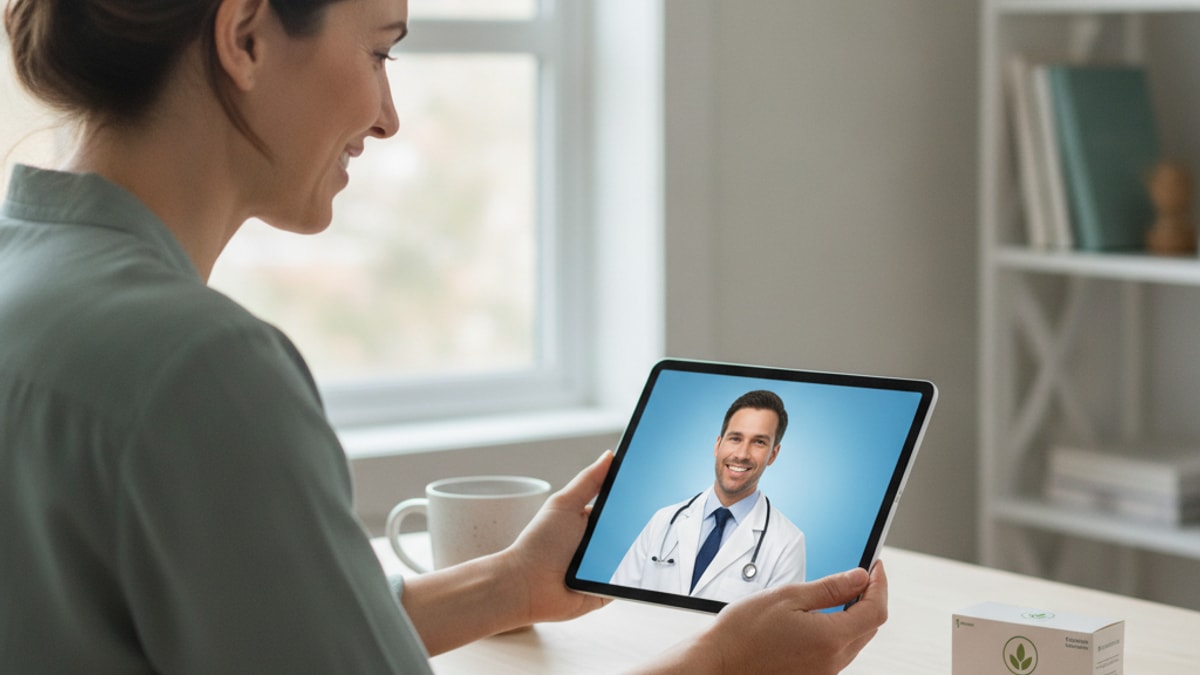
Here's what makes telehealth different: you're not buying medication online. You're accessing a licensed physician or nurse practitioner who conducts a full evaluation. Medical history, contraindication screening, current medication review. Before writing a prescription. The prescription goes to an FDA-registered compounding pharmacy that prepares sterile injectable tirzepatide under USP 797 standards. That vial ships directly to you with alcohol wipes, syringes, and injection instructions. The entire process bypasses insurance networks, which is why it works when traditional routes fail.
This article covers how telehealth tirzepatide Stockton actually functions from consultation to injection, what compounded tirzepatide is and why it costs less than Mounjaro, who qualifies and who doesn't, and what the dose escalation process feels like when you're doing it without in-person clinic visits every two weeks.
How Telehealth Tirzepatide Stockton Differs From In-Person Weight Loss Clinics
Traditional weight loss clinics require an initial in-person consultation, follow-up appointments every 4–6 weeks, and insurance pre-authorization processes that delay prescription fills by 2–4 weeks. Telehealth tirzepatide Stockton eliminates all three barriers. The initial consultation happens via secure video call. Most platforms complete eligibility screening in 15–20 minutes. If approved, the prescription is sent electronically to a compounding pharmacy the same day. Most patients receive their first shipment within 48 hours of consultation.
The pharmacological mechanism is identical: tirzepatide activates both GLP-1 and GIP receptors, slowing gastric emptying and reducing appetite signaling in the hypothalamus while improving insulin sensitivity. The dual receptor agonism is what differentiates tirzepatide from semaglutide (which targets GLP-1 only) and explains why clinical trials showed mean body weight reductions of 20.9% at 72 weeks on tirzepatide 15mg versus 14.9% on semaglutide 2.4mg in head-to-head comparisons.
We've found that patients who switch from in-person clinics to telehealth report two consistent advantages: elimination of monthly copays for follow-up visits, and access to providers who specialize in metabolic health rather than generalists managing fifteen conditions at once. The trade-off is self-sufficiency. You administer your own injections, monitor your own side effects, and communicate asynchronously through patient portals rather than face-to-face at every dose change.
Understanding Compounded Tirzepatide: The Medication You're Actually Receiving
Compounded tirzepatide contains the same active molecule as brand-name Mounjaro. Tirzepatide, a dual GIP and GLP-1 receptor agonist. It is prepared by FDA-registered 503B outsourcing facilities or state-licensed compounding pharmacies under United States Pharmacopeia (USP) Chapter 797 sterile compounding standards. The critical distinction: compounded medications are not FDA-approved as finished drug products. The active ingredient is the same, but the final formulation. Excipients, stabilizers, concentration. Has not undergone the Phase III clinical trial process required for FDA approval.
This is not 'fake Mounjaro'. The pharmacology is identical. What you lose is the regulatory oversight Novo Nordisk provides for brand-name manufacturing. Batch-level potency testing, contamination screening, and formal recall mechanisms if a batch fails quality control. What you gain is cost accessibility: compounded tirzepatide typically costs $300–450 per month versus $1,400 for retail Mounjaro without insurance coverage.
The FDA permits compounding pharmacies to prepare tirzepatide when the brand-name product is in shortage. Which has been the case continuously since late 2022. As of 2026, tirzepatide remains on the FDA drug shortage list, making compounded versions legally available. If the shortage resolves and the FDA removes tirzepatide from the list, compounding pharmacies must stop production within 60 days unless they can demonstrate patient-specific medical necessity.
Our experience: patients on compounded tirzepatide report identical side effect profiles, titration schedules, and weight loss trajectories as those on brand-name Mounjaro. The molecule works the same way because it is the same molecule.
Who Qualifies for Telehealth Tirzepatide Stockton — and Who Doesn't
Most telehealth platforms require a BMI of 27 or higher with at least one weight-related comorbidity (type 2 diabetes, hypertension, dyslipidemia, obstructive sleep apnea), or a BMI of 30 or higher without comorbidities. These are the same FDA-approved prescribing criteria used for brand-name Mounjaro and Wegovy. Some platforms accept patients with BMI 25–27 if clinical justification exists. Metabolic syndrome, prediabetes with insulin resistance, or prior weight loss failure on lifestyle intervention alone.
Absolute contraindications: personal or family history of medullary thyroid carcinoma (MTC), multiple endocrine neoplasia syndrome type 2 (MEN2), pregnancy or active attempts to conceive, severe gastroparesis, or prior pancreatitis triggered by GLP-1 agonists. Relative contraindications requiring prescriber evaluation: active gallbladder disease, diabetic retinopathy (tirzepatide may transiently worsen retinopathy in the first 3–6 months), chronic kidney disease stage 4 or 5, or concurrent use of other incretin-based therapies.
Age restrictions vary by platform. Most require patients to be 18 or older. Patients over 75 may require additional cardiovascular screening due to limited clinical trial data in that age group. Adolescents aged 12–17 are generally excluded from telehealth tirzepatide prescribing. Pediatric GLP-1 therapy requires in-person subspecialty care.
The evaluation includes: current medication list (to screen for drug interactions with insulin, sulfonylureas, or warfarin), prior weight loss attempts (to document medical necessity), thyroid history (to rule out MTC risk), and baseline labs if not completed within the past 12 months (A1C, comprehensive metabolic panel, lipid panel). Most platforms accept patient-uploaded lab results from outside providers. You don't need to visit a lab specifically for telehealth tirzepatide Stockton consultation.
Telehealth Tirzepatide Stockton: Service Type Comparison
| Service Model | Consultation Format | Prescription Source | Typical Cost per Month | Follow-Up Structure | Professional Assessment |
|---|---|---|---|---|---|
| Traditional In-Person Clinic | Face-to-face office visit, 30–45 min initial consultation | Brand-name Mounjaro via insurance or retail pharmacy | $1,400 (retail) or $25–50 copay if covered | Monthly in-person weigh-ins and dose adjustments | Highest level of hands-on oversight but requires geographic access and insurance coverage. Practical only for insured patients near specialized clinics |
| Telehealth Compounded Tirzepatide (e.g., TrimRx) | Secure video call, 15–20 min initial consultation | Compounded tirzepatide from FDA-registered 503B pharmacy | $300–450 (all-inclusive, no insurance) | Asynchronous messaging via patient portal, optional video follow-ups | Best for patients without insurance coverage or facing months-long waitlists. Removes access barriers while maintaining licensed prescriber oversight |
| Retail Telehealth (Ro, Hims, Calibrate) | Asynchronous questionnaire or brief video call | Compounded tirzepatide or brand-name if insurance approved | $300–600 (compounded) or insurance copay | App-based messaging, automated check-ins | Convenient and scalable but often lacks deep clinical customization. Works well for straightforward cases without complex medical histories |
| Direct Primary Care Add-On | In-person or hybrid | Brand-name via traditional prescription, patient pays retail or uses insurance | Variable (depends on insurance) | Integrated into DPC membership, scheduled visits | Comprehensive longitudinal care but still subject to insurance barriers and drug shortages. Tirzepatide access not guaranteed |
Key Takeaways
- Telehealth tirzepatide Stockton connects patients to licensed providers who prescribe compounded tirzepatide prepared by FDA-registered 503B pharmacies and shipped within 48 hours. No insurance pre-authorization required.
- Compounded tirzepatide contains the same active molecule as Mounjaro but costs 60–85% less because it is not FDA-approved as a finished drug product, making it accessible during the ongoing tirzepatide shortage.
- Eligibility requires BMI ≥27 with weight-related comorbidity or BMI ≥30 without comorbidities. Absolute contraindications include personal or family history of medullary thyroid carcinoma and pregnancy.
- Tirzepatide's dual GIP and GLP-1 receptor agonism delivered mean body weight reductions of 20.9% at 72 weeks in the SURMOUNT-1 trial, outperforming semaglutide's 14.9% in head-to-head studies.
- Gastrointestinal side effects (nausea, vomiting, diarrhea) occur in 30–45% of patients during dose escalation and typically resolve within 4–8 weeks as the body adjusts to higher doses.
- Most telehealth platforms use standard titration schedules starting at 2.5mg weekly and increasing every 4 weeks to maintenance doses of 10mg or 15mg based on tolerance and weight loss response.
What If: Telehealth Tirzepatide Stockton Scenarios
What If I Don't Have Recent Lab Work — Can I Still Start?
Most telehealth tirzepatide Stockton platforms accept lab results completed within the past 12 months. If your most recent A1C, comprehensive metabolic panel, or lipid panel is older than that, the provider will order labs through a partner network (Quest, LabCorp) and delay prescription until results return. Typically 2–3 business days. You'll pay out-of-pocket for the lab draw (usually $80–150 depending on panel breadth), but it's a one-time cost. Patients with known normal kidney function and no diabetes history may be approved to start at the lowest dose (2.5mg weekly) while waiting for confirmatory labs.
What If I'm Already on Metformin or Ozempic — Can I Switch to Tirzepatide?
Yes, but the transition requires prescriber coordination. If you're currently on semaglutide (Ozempic, Wegovy), the standard protocol is to stop semaglutide and start tirzepatide 2.5mg weekly after a 1-week washout. Semaglutide's five-day half-life means therapeutic levels clear within 7–10 days. Combining two GLP-1 agonists simultaneously provides no additional benefit and doubles side effect risk. Metformin can continue alongside tirzepatide without dose adjustment. The mechanisms don't overlap (metformin reduces hepatic glucose production; tirzepatide enhances incretin signaling).
What If I Experience Severe Nausea at Week Three — Should I Stop?
Contact your prescriber before stopping. Severe nausea during dose escalation affects 15–20% of patients and typically peaks 48–72 hours after each injection, then improves by day 5–6 of the weekly cycle. First-line management: extend the current dose for an additional 4 weeks instead of escalating, eat smaller meals with lower fat content, and avoid lying down within two hours of eating. Anti-nausea medications (ondansetron 4–8mg as needed) can be prescribed short-term. Stopping abruptly means starting over. Most patients who push through weeks 3–6 report dramatic improvement once their body adapts to the higher dose.
The Unfiltered Truth About Telehealth Tirzepatide Stockton
Here's the honest answer: telehealth tirzepatide Stockton works because it removes the systemic barriers that keep most people from accessing GLP-1 medications. But it doesn't remove the medication's actual requirements. You still need to inject yourself weekly. You'll still experience nausea, possible vomiting, and gastrointestinal disruption during the first 8 weeks. And if you stop the medication after reaching goal weight, the clinical evidence is clear: most patients regain two-thirds of their lost weight within 12 months unless they transition to a maintenance protocol or fundamentally restructure their dietary patterns.
The platform's convenience doesn't change tirzepatide's pharmacology. It just makes the medication reachable when insurance networks, geographic distance, or specialist waitlists would otherwise block access entirely. That matters. But only if you understand what you're signing up for is long-term metabolic management, not a short-term weight loss course.
Telehealth tirzepatide Stockton connects you to the same FDA-registered compounding pharmacies, the same licensed prescribers, and the same clinical protocols used by in-person weight loss clinics. The difference is speed, cost, and accessibility. If those three factors are what's currently stopping you from starting treatment, telehealth solves the problem. If you're looking for a medication that works without weekly injections, dietary structure, or side effect management. No version of tirzepatide, telehealth or otherwise, delivers that.
TrimRx operates under this exact model: licensed providers conduct video consultations, prescribe compounded tirzepatide from FDA-registered pharmacies, and ship medications within 48 hours to any address. Patients receive ongoing support through secure messaging and optional follow-up calls, but the responsibility for administration, side effect monitoring, and long-term adherence stays with you. Start Your Treatment Now if you're prepared for that reality. Not if you're hoping the telehealth format makes the medication easier than it actually is.
If the cost difference matters to you. And for most people without insurance coverage, paying $350 per month instead of $1,400 is the only reason tirzepatide becomes financially viable. Raising it before your first consultation costs nothing. Compounded tirzepatide prepared by 503B facilities delivers the same dual GIP and GLP-1 receptor agonism, the same appetite suppression through delayed gastric emptying, and the same 15–20% mean body weight reduction demonstrated in clinical trials. The savings don't come from cutting corners. They come from bypassing brand-name markups and insurance bureaucracy entirely.
Frequently Asked Questions
How does telehealth tirzepatide Stockton work if I’ve never done injections before?▼
Every shipment includes pre-filled syringes or vials with detailed injection instructions, alcohol wipes, and sharps disposal guidance. The subcutaneous injection goes into fatty tissue on the abdomen, thigh, or upper arm — most patients report the process feels similar to a flu shot and takes less than 30 seconds once familiar with the technique. Providers offer video tutorials and are available via secure messaging to troubleshoot technique questions during your first few doses.
Can I use insurance to pay for compounded tirzepatide through telehealth?▼
No. Compounded medications are not covered by insurance because they are not FDA-approved finished drug products. Telehealth tirzepatide Stockton platforms price compounded tirzepatide at $300–450 per month as a direct-pay service, bypassing insurance networks entirely. If you have insurance coverage for brand-name Mounjaro, you would need to obtain that prescription through a traditional in-network provider and fill it at a retail pharmacy — telehealth compounded tirzepatide is designed for patients without coverage or facing prior authorization denials.
What happens if the FDA removes tirzepatide from the shortage list?▼
If the FDA removes tirzepatide from the drug shortage list, compounding pharmacies must stop producing compounded tirzepatide within 60 days unless they obtain patient-specific prescriptions citing medical necessity that brand-name Mounjaro cannot meet. Most telehealth platforms would transition patients to brand-name Mounjaro prescriptions at that point, which would require insurance or paying full retail price ($1,400 per month). As of 2026, tirzepatide remains on the shortage list with no removal timeline announced.
How long does it take to see weight loss results on tirzepatide?▼
Most patients notice appetite suppression within the first week at starting dose (2.5mg weekly), but meaningful weight reduction — defined as 5% or more of body weight — typically takes 12–16 weeks as the dose escalates to therapeutic levels (10mg or 15mg weekly). The SURMOUNT-1 trial demonstrated mean body weight reduction of 20.9% at 72 weeks on 15mg weekly tirzepatide, with the steepest weight loss occurring between weeks 20 and 52 after reaching maintenance dose.
What side effects should I expect when starting telehealth tirzepatide Stockton?▼
Gastrointestinal side effects — nausea, vomiting, diarrhea, constipation — occur in 30–45% of patients during dose escalation and are most pronounced in the first 4–8 weeks at each new dose level. These effects result from tirzepatide’s mechanism of slowing gastric emptying and typically resolve as the body adjusts to higher doses. Mitigation strategies include eating smaller, lower-fat meals, avoiding lying down within two hours of eating, and extending the current dose for an additional month if symptoms are severe before escalating further.
Can I travel with my tirzepatide medication?▼
Yes, but temperature management is critical. Compounded tirzepatide vials must be refrigerated at 2–8°C — once reconstituted, they remain stable for 28 days under refrigeration but degrade rapidly at room temperature. For travel, use an insulin cooler or medical-grade cold pack that maintains 2–8°C for 24–48 hours. TSA allows syringes and injectable medications in carry-on luggage if accompanied by prescription labels. Most telehealth platforms provide travel-specific storage guidance and can coordinate early refills if you’ll be away during your normal shipment window.
What is the difference between tirzepatide and semaglutide?▼
Tirzepatide is a dual GIP and GLP-1 receptor agonist, while semaglutide (Ozempic, Wegovy) is a GLP-1 receptor agonist only. The dual mechanism produces greater mean body weight reduction — 20.9% at 72 weeks on tirzepatide 15mg versus 14.9% on semaglutide 2.4mg in head-to-head trials. Both medications slow gastric emptying and reduce appetite signaling, but tirzepatide’s additional GIP receptor activation enhances insulin sensitivity and may improve lipid metabolism more effectively than semaglutide alone.
Will I regain weight if I stop taking tirzepatide?▼
Clinical evidence shows that most patients regain a significant portion of lost weight after discontinuing tirzepatide — the SURMOUNT-1 extension study found participants regained approximately two-thirds of their lost weight within one year of stopping. This reflects tirzepatide’s correction of impaired satiety signaling and elevated ghrelin, which return to baseline when the medication is removed. For patients who achieve goal weight and wish to stop, transition planning with a prescriber — including lower maintenance doses, structured dietary protocols, or metabolic monitoring — can reduce rebound, but tirzepatide is increasingly considered a long-term therapy rather than a short-term intervention.
Do I need to follow a specific diet while on tirzepatide?▼
Tirzepatide does not require a specific diet, but weight loss outcomes improve significantly when combined with caloric deficit and higher protein intake. The medication works by reducing appetite and slowing gastric emptying — if you continue eating at maintenance calories, weight loss will be minimal regardless of dose. Patients who maintain a 500–750 calorie daily deficit alongside tirzepatide consistently show 2–3× the weight reduction of those relying on the medication alone, and higher protein intake (1.2–1.6g per kg body weight) helps preserve lean muscle mass during rapid weight loss.
Can telehealth tirzepatide Stockton prescribers adjust my dose remotely?▼
Yes. Most platforms use asynchronous messaging or scheduled video follow-ups every 4–8 weeks to assess weight loss progress, side effect severity, and readiness for dose escalation. Prescribers adjust doses based on your reported tolerance and weight trajectory — if nausea is severe, they may extend the current dose for another month; if weight loss plateaus at a submaximal dose, they escalate sooner. Dose changes are communicated via patient portal, and updated prescriptions are sent to the compounding pharmacy electronically, with the new dose shipping in your next scheduled delivery.

Transforming Lives, One Step at a Time
Keep reading
Ozempic Changed How You and Your Partner Spend Time
Friday night was a place you both liked and a bottle of something. Sunday was a long breakfast. Holidays were planned around restaurants. That…

Partner Says You’re Not Eating Enough on Ozempic?
It has become a thing at dinner. They watch your plate. You feel watched. Something gets said, or pointedly not said, and the meal…

Weekly Client Dinners on Ozempic: A Plan for Recurring Work Meals
Managing one difficult dinner is a matter of ordering well. Managing four a week indefinitely is a different problem, because anything that relies on…


