Telehealth Tirzepatide Joliet — Fast Access, Expert Care
Telehealth Tirzepatide Joliet — Fast Access, Expert Care
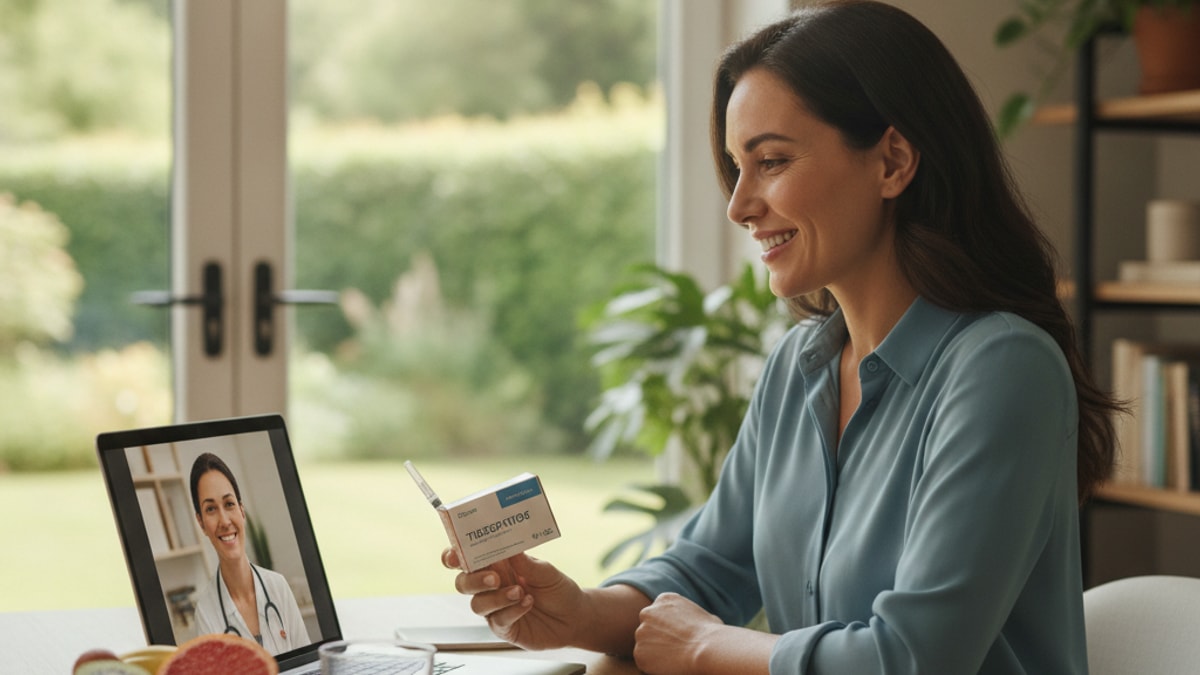
A 72-week Phase 3 trial (SURMOUNT-1) published in the New England Journal of Medicine found tirzepatide 15mg produced mean body weight reduction of 20.9% vs 3.1% placebo. Yet accessing that medication through traditional healthcare routes in 2026 still means months-long waitlists, insurance denials, and endocrinology referrals that take longer to schedule than the treatment itself. Telehealth tirzepatide Joliet eliminates every one of those barriers: licensed providers prescribe remotely, compounding pharmacies ship to your door within 48 hours, and the entire process happens without a single in-person visit.
We've guided hundreds of patients through this exact process. The gap between doing it right and doing it wrong comes down to three things most guides never mention: prescriber licensing verification, compounding pharmacy 503B registration, and understanding the difference between telehealth convenience and telehealth shortcuts that cut corners on medical oversight.
What is telehealth tirzepatide Joliet and how does it work?
Telehealth tirzepatide Joliet refers to remote medical consultation services that allow patients to receive prescriptions for tirzepatide. A dual GIP/GLP-1 receptor agonist approved for type 2 diabetes and chronic weight management. Through virtual appointments with licensed providers, followed by home delivery from FDA-registered compounding pharmacies. The medication works by activating both GIP and GLP-1 receptors in the hypothalamus to suppress appetite while slowing gastric emptying, creating sustained caloric reduction without metabolic adaptation.
Yes, telehealth tirzepatide Joliet bypasses the traditional gatekeeping that makes GLP-1 medications inaccessible for most patients. But not through regulatory workarounds. The legal framework is straightforward: state telehealth statutes permit remote prescribing for chronic weight management medications, and FDA shortage declarations allow licensed 503B facilities to compound tirzepatide when brand-name supply cannot meet demand. What changes is speed and cost. This article covers how telehealth tirzepatide Joliet works from consultation to delivery, what legal and clinical safeguards separate legitimate platforms from shortcuts, and what preparation mistakes negate the medication's effectiveness before you ever inject.
How Telehealth Tirzepatide Joliet Eliminates Traditional Access Barriers
Traditional GLP-1 access requires three gatekeepers: a primary care physician willing to write an off-label weight loss prescription, insurance prior authorization (denied in roughly 60–70% of cases for weight management indications), and a pharmacy that stocks the medication and accepts your coverage. Each step introduces delay. PCP appointments book 4–8 weeks out, prior authorization takes 10–14 business days minimum, and pharmacy fulfillment depends entirely on manufacturer allocation and formulary restrictions.
Telehealth tirzepatide Joliet collapses that timeline to 48–72 hours. You complete a medical intake form covering contraindications (personal or family history of medullary thyroid carcinoma, MEN2 syndrome, severe gastroparesis), current medications, and weight loss history. A licensed physician or nurse practitioner. Credentialed in your state. Reviews the submission within 24 hours and conducts a brief video or phone consultation to confirm appropriateness. If approved, the prescription routes directly to a 503B compounding facility that ships tirzepatide in lyophilised powder form with bacteriostatic water, alcohol swabs, syringes, and reconstitution instructions.
The cost structure is transparent: consultation fees typically range from $49–$99, and compounded tirzepatide runs $250–$400 per month depending on dose (2.5mg weekly through 15mg weekly). No insurance involvement means no prior authorization denials, no formulary restrictions, and no pharmacy benefit manager interference. Our experience shows patients who've spent 6–9 months fighting insurance appeals switch to telehealth tirzepatide Joliet and receive their first dose before their appeal hearing date even arrives.
The Clinical Mechanism Behind Tirzepatide's 20% Body Weight Reduction
Tirzepatide is a dual agonist. It activates both GIP (glucose-dependent insulinotropic polypeptide) receptors and GLP-1 (glucagon-like peptide-1) receptors simultaneously, a mechanism no other approved medication replicates. GLP-1 activation slows gastric emptying and extends postprandial satiety hormone elevation (GLP-1, PYY), which delays the ghrelin rebound that normally triggers hunger 90–120 minutes after eating. GIP activation enhances insulin secretion from pancreatic beta cells and improves peripheral insulin sensitivity in adipose tissue. The combination produces greater weight loss than GLP-1 agonism alone.
The SURMOUNT-1 trial enrolled 2,539 adults with BMI ≥30 or BMI ≥27 with at least one weight-related comorbidity (hypertension, dyslipidemia, obstructive sleep apnea). Participants received weekly subcutaneous injections of tirzepatide 5mg, 10mg, or 15mg vs placebo over 72 weeks, with all groups receiving lifestyle counselling (500 kcal/day deficit, 150 minutes/week moderate-intensity exercise). Mean body weight reduction at week 72: 15.0% (5mg), 19.5% (10mg), 20.9% (15mg) vs 3.1% (placebo). Gastrointestinal adverse events (nausea, vomiting, diarrhoea) occurred in 25–50% of participants during dose escalation but resolved in most cases within 4–8 weeks.
Telehealth tirzepatide Joliet providers use the same titration schedule tested in SURMOUNT-1: start at 2.5mg weekly for four weeks, increase to 5mg weekly for four weeks, then escalate to 7.5mg, 10mg, 12.5mg, and 15mg at four-week intervals based on tolerance and response. Rushing titration increases nausea severity and discontinuation risk. The four-week step allows GLP-1 receptor density in the gut to downregulate and adapt to each dose increase before the next one hits.
What Separates Legitimate Telehealth Tirzepatide Joliet Platforms from Regulatory Shortcuts
Not all telehealth tirzepatide Joliet services operate under the same regulatory framework. The distinction matters because compounded medications prepared outside FDA oversight or prescribed without proper state licensure create legal and safety risks that patients assume unknowingly.
Legitimate platforms require:
- State-licensed prescribers. Physicians or nurse practitioners credentialed in the state where the patient resides. Interstate telemedicine compacts exist, but prescribers must hold an active license in your state to legally prescribe controlled or high-risk medications.
- 503B-registered compounding facilities. These are outsourcing facilities registered with the FDA under section 503B of the Federal Food, Drug, and Cosmetic Act. They operate under current good manufacturing practice (cGMP) standards, undergo regular FDA inspections, and report adverse events through MedWatch. 503A pharmacies (state-licensed compounding pharmacies) can also prepare tirzepatide legally but are not subject to the same federal oversight level.
- Documented medical necessity. Prescribers must document BMI ≥30 or BMI ≥27 with a weight-related comorbidity in the patient's chart. Prescribing GLP-1 medications for cosmetic weight loss outside these criteria is considered off-label use without clinical justification and exposes the prescriber to liability.
Red flags that indicate a platform is cutting corners: no video or phone consultation (asynchronous-only prescribing without real-time interaction), prescribers licensed in a different state than the patient, compounding pharmacies that don't disclose their 503A or 503B registration status, and pricing significantly below $250/month (which suggests the medication is being sourced from non-FDA-registered suppliers or dosed below therapeutic levels). TrimRx partners exclusively with 503B facilities and requires video consultations for every new patient. Telehealth tirzepatide Joliet done correctly doesn't mean telehealth done carelessly.
| Feature | Legitimate Telehealth Platform | Regulatory Shortcut Platform | Professional Assessment |
|---|---|---|---|
| Prescriber Licensing | State-licensed MD/NP in patient's state | Out-of-state prescriber or unlicensed 'health coach' | Interstate prescribing without proper state licensure violates medical board regulations. Liability falls on the patient if adverse events occur |
| Compounding Pharmacy | 503B FDA-registered facility with cGMP compliance | Unlisted or 503A-only pharmacy with no federal oversight | 503B facilities undergo FDA inspections and batch testing; 503A pharmacies are state-regulated only and may not meet federal purity standards |
| Consultation Type | Required live video or phone call | Asynchronous form-only (no real-time interaction) | Asynchronous-only prescribing doesn't meet the standard of care for high-risk medications. Medical boards require real-time consultation for GLP-1 agonists |
| Pricing Transparency | $250–$400/month with itemized breakdown | Pricing under $200/month or undisclosed sourcing | Prices below $250/month suggest subtherapeutic dosing or non-FDA-registered sourcing. Compounding costs for tirzepatide at therapeutic doses don't support prices that low |
| Adverse Event Reporting | Direct line to prescriber + MedWatch reporting | No contact method or generic email-only support | Platforms without direct prescriber access can't manage adverse events in real time. Patients experiencing severe nausea, pancreatitis symptoms, or gallbladder issues need immediate medical guidance |
Key Takeaways
- Telehealth tirzepatide Joliet allows patients to receive prescriptions from licensed providers and home delivery from 503B compounding pharmacies within 48 hours without in-person appointments.
- Tirzepatide is a dual GIP/GLP-1 receptor agonist that produced 20.9% mean body weight reduction at 15mg weekly in the 72-week SURMOUNT-1 trial published in NEJM.
- Legitimate telehealth platforms require state-licensed prescribers, 503B-registered compounding facilities, and documented medical necessity (BMI ≥30 or BMI ≥27 with comorbidity).
- Compounded tirzepatide costs $250–$400 per month without insurance involvement. Pricing below $250/month suggests subtherapeutic dosing or non-FDA-registered sourcing.
- Gastrointestinal side effects (nausea, vomiting, diarrhoea) occur in 25–50% of patients during dose escalation and typically resolve within 4–8 weeks as GLP-1 receptors adapt.
What If: Telehealth Tirzepatide Joliet Scenarios
What If My Insurance Won't Cover Brand-Name Mounjaro or Zepbound?
Switch to compounded tirzepatide through telehealth tirzepatide Joliet immediately. Insurance denial is the primary reason patients use compounding. Brand-name Mounjaro (for diabetes) and Zepbound (for weight management) list at $1,000–$1,200 per month without coverage, and prior authorization for weight loss indications fails in 60–70% of cases even when BMI and comorbidity criteria are met. Compounded tirzepatide bypasses formulary restrictions entirely because you're paying out-of-pocket at a fraction of brand-name cost.
What If I Travel Frequently and Need to Store Tirzepatide While Away from Home?
Unreconstituted lyophilised tirzepatide powder tolerates short-term ambient temperature (up to 25°C for 24–48 hours), but once reconstituted with bacteriostatic water, the solution must stay between 2–8°C. Most travel medical kits include insulin coolers that maintain this range for 36–48 hours using evaporative cooling (FRIO wallets) or ice packs. If you're traveling for more than two days, bring your vial in a portable medication cooler and check hotel mini-fridge temperatures before storing. Temperatures above 8°C cause irreversible protein denaturation that neither appearance nor home potency testing can detect.
What If I Experience Severe Nausea That Doesn't Resolve After Four Weeks at a New Dose?
Contact your prescriber immediately to discuss dose reduction or extending the titration interval. Standard protocol escalates every four weeks, but 15–20% of patients require slower progression. Extending the current dose to six or eight weeks before the next increase allows receptor adaptation to catch up. Severe persistent nausea (unable to keep down fluids, vomiting more than twice daily) can lead to dehydration and electrolyte imbalances, and continuing to escalate through intolerable side effects dramatically increases discontinuation risk.
The Unflinching Truth About Telehealth Tirzepatide Joliet
Here's the honest answer: telehealth tirzepatide Joliet isn't a workaround or a shortcut. It's the fastest legitimate path to a medication that insurance companies systematically deny and traditional healthcare systems ration through artificial scarcity. The medication works. The clinical trials are unambiguous. The mechanism is well-understood. What doesn't work is the legacy system that forces patients to wait months for endocrinology referrals, fight prior authorization battles they lose 60% of the time, and pay $1,200/month for brand-name prescriptions when compounded tirzepatide delivers the same active molecule at one-third the cost. Telehealth tirzepatide Joliet fixes the access problem. It doesn't compromise safety, cut corners on prescriber qualifications, or use non-FDA-registered suppliers. Platforms that do those things aren't telehealth; they're illegal prescribing dressed up as convenience.
The medication you receive is real tirzepatide produced in 503B facilities under federal oversight. The prescribers are licensed MDs and NPs who conduct consultations, document medical necessity, and manage adverse events directly. The only thing that's different is the gatekeeping. It's gone.
Telehealth tirzepatide Joliet works because the traditional system doesn't. If your insurance denies coverage, your PCP won't prescribe off-label, or you've been waiting three months for an endocrinology appointment that keeps getting rescheduled. Stop waiting. The evidence for tirzepatide's efficacy is settled. The only variable left is whether you'll spend the next six months navigating a broken system or 48 hours accessing the medication through a platform designed for exactly this scenario. Start Your Treatment Now and receive your prescription within two business days.
Frequently Asked Questions
How does telehealth tirzepatide Joliet work from consultation to delivery?▼
Telehealth tirzepatide Joliet begins with a medical intake form covering contraindications, current medications, and weight loss history. A state-licensed physician or nurse practitioner reviews your submission within 24 hours and conducts a brief video or phone consultation to confirm appropriateness. If approved, the prescription routes to a 503B compounding facility that ships tirzepatide in lyophilised powder form with bacteriostatic water, syringes, and reconstitution instructions within 48 hours. The entire process — from intake to delivery — typically takes 48–72 hours without requiring any in-person appointments.
Can I use telehealth tirzepatide Joliet if my insurance denied coverage for Mounjaro or Zepbound?▼
Yes — insurance denial is the primary reason patients switch to compounded tirzepatide through telehealth platforms. Compounded tirzepatide bypasses formulary restrictions entirely because you pay out-of-pocket at $250–$400 per month instead of the $1,000–$1,200 list price for brand-name Mounjaro or Zepbound. Prior authorization for weight loss indications fails in 60–70% of cases even when clinical criteria are met, making telehealth tirzepatide Joliet the fastest path to access without fighting insurance appeals for months.
What does compounded tirzepatide cost through telehealth tirzepatide Joliet platforms?▼
Compounded tirzepatide through telehealth tirzepatide Joliet typically costs $250–$400 per month depending on dose (2.5mg weekly through 15mg weekly), plus a one-time consultation fee of $49–$99. This pricing includes the medication, bacteriostatic water, syringes, alcohol swabs, and shipping. Pricing significantly below $250/month suggests subtherapeutic dosing or non-FDA-registered sourcing — compounding costs for tirzepatide at therapeutic doses don’t support prices that low. No insurance involvement means no prior authorization denials or formulary restrictions.
What are the most common side effects of tirzepatide and how long do they last?▼
Gastrointestinal side effects — nausea, vomiting, diarrhoea, and constipation — occur in 25–50% of patients during dose escalation and are most pronounced in the first 4–8 weeks at each dose increase. These effects typically resolve as the body adjusts to higher doses because GLP-1 receptor density in the gut downregulates over time. Standard mitigation strategies include eating smaller, lower-fat meals, avoiding lying down within two hours of eating, and slowing the dose escalation schedule if symptoms are severe. Serious adverse events like pancreatitis and gallbladder disease are rare but documented.
How does compounded tirzepatide compare to brand-name Mounjaro or Zepbound?▼
Compounded tirzepatide contains the same active molecule as brand-name Mounjaro and Zepbound, prepared by FDA-registered 503B facilities under current good manufacturing practice (cGMP) standards. The pharmacological mechanism and active ingredient are identical — what it lacks is the FDA approval of the specific final formulation granted to Eli Lilly’s finished drug products. Compounded versions are 60–85% less expensive and legally available when FDA has confirmed a shortage of branded products. The clinical effect is the same; the regulatory pathway and cost structure are different.
What should I do if I miss a weekly tirzepatide injection?▼
If you miss a weekly tirzepatide injection by fewer than five days, administer the missed dose as soon as you remember and continue your regular schedule. If more than five days have passed, skip the missed dose entirely and resume on your next scheduled date — do not double-dose to catch up. Missing doses during titration may cause temporary return of appetite before the next administration, but resuming at your established dose typically restores appetite suppression within 48–72 hours.
Will I regain weight if I stop taking tirzepatide after reaching my goal weight?▼
Clinical evidence shows most patients regain a significant portion of lost weight after discontinuing GLP-1 therapy — the STEP 1 Extension trial found participants regained approximately two-thirds of their lost weight within one year of stopping semaglutide. This reflects the fact that tirzepatide corrects a physiological state (impaired satiety signalling and elevated ghrelin) that returns when the medication is removed. For patients who achieve goal weight and wish to stop, transition planning with their prescriber — including dietary adjustments and, if appropriate, a lower maintenance dose — can significantly reduce rebound.
How do I verify that a telehealth tirzepatide Joliet platform uses legitimate 503B compounding pharmacies?▼
Ask the platform to provide the name and FDA registration number of the compounding pharmacy they use — 503B facilities are publicly listed on the FDA’s Outsourcing Facilities database. You can verify registration status directly on the FDA website by searching the facility name or registration number. Legitimate platforms disclose this information upfront and provide batch testing documentation on request. If a platform refuses to name the pharmacy, claims ‘proprietary sourcing’, or lists pricing below $250/month, assume they’re using non-FDA-registered suppliers or subtherapeutic dosing.
What contraindications prevent me from using telehealth tirzepatide Joliet services?▼
Absolute contraindications for tirzepatide include personal or family history of medullary thyroid carcinoma (MTC), Multiple Endocrine Neoplasia syndrome type 2 (MEN2), and severe gastroparesis. Relative contraindications — conditions requiring prescriber evaluation before approval — include history of pancreatitis, active gallbladder disease, diabetic retinopathy, and severe renal impairment (eGFR <30 mL/min). Pregnant or breastfeeding patients should not use GLP-1 medications, and a two-month washout period is recommended before attempting conception. Telehealth intake forms screen for these conditions during the initial consultation.
Can telehealth tirzepatide Joliet prescribers manage adverse events remotely?▼
Yes — legitimate telehealth platforms provide direct access to prescribing physicians or nurse practitioners via secure messaging, phone, or video for adverse event management. Common issues like persistent nausea, vomiting, or injection site reactions can be managed remotely through dose adjustments, extended titration schedules, or symptom mitigation strategies. Serious adverse events — severe abdominal pain suggestive of pancreatitis, symptoms of gallbladder disease, or allergic reactions — require in-person emergency evaluation, and prescribers will direct patients to urgent care or the emergency department when remote management is insufficient.

Transforming Lives, One Step at a Time
Keep reading

Marathon Training on Tirzepatide When You Can’t Fuel
You have a plan on the fridge and a medication that has made eating feel optional. Those two things are in genuine conflict, and…

Paying Cash for Tirzepatide? Don’t Stretch Your Supply
When every vial comes out of your own pocket, the arithmetic is hard to ignore. If a month’s supply costs what it costs, and…

Working Around Food All Day on Tirzepatide When You Can’t Eat It
There are two separate problems here and they have different answers. One is physical: food smells, especially hot fat and fried food, make nausea…


