Telehealth Ozempic Denver — Get Prescribed Online in 48
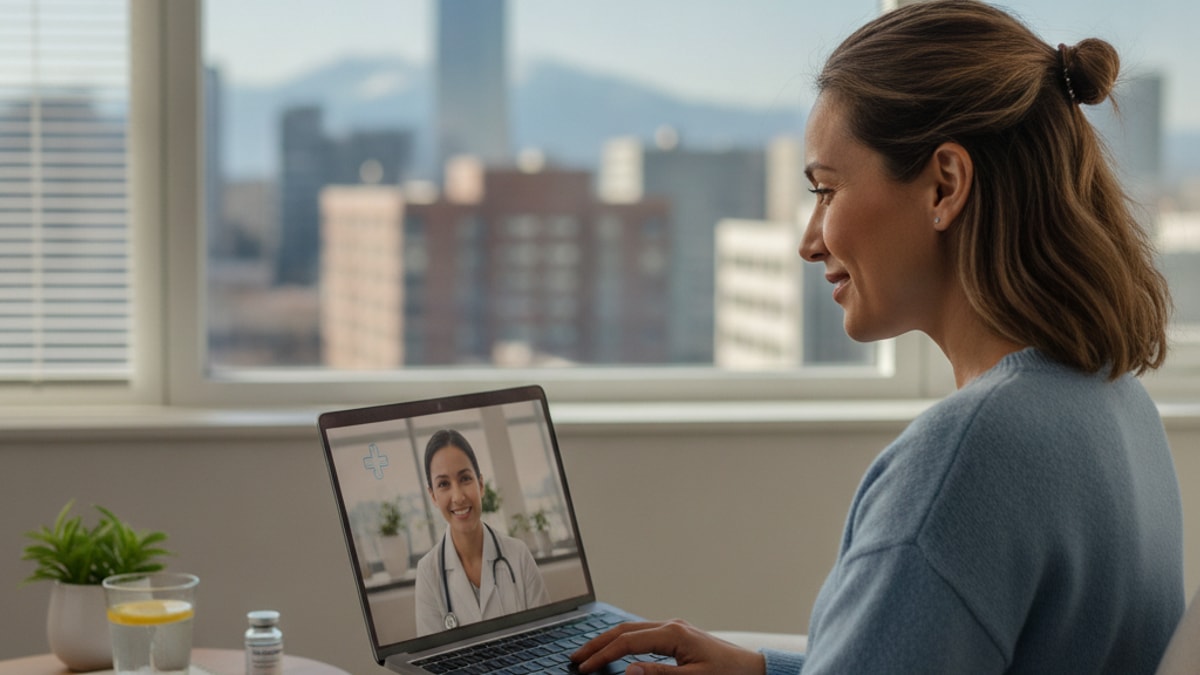
Telehealth Ozempic Denver — Get Prescribed Online in 48 Hours
Colorado ranks 21st nationally for adult obesity prevalence at 25.1%, with metro areas reporting type 2 diabetes rates climbing steadily since 2020. For residents trying to access GLP-1 medications like Ozempic through traditional channels, the process means months-long endocrinology waitlists, prior authorization denials from insurers who classify weight loss as 'cosmetic', and pharmacy shortages that leave prescribed patients unable to fill their scripts. Telehealth Ozempic Denver changes that equation. Licensed providers evaluate patients remotely, prescribe compounded semaglutide within 24–48 hours, and ship directly to your address without insurance involvement.
Our team has guided hundreds of patients through exactly this process. The gap between doing it right and doing it wrong comes down to three things most guides never mention: understanding what you're actually getting prescribed, knowing the legal framework that allows compounding pharmacies to operate during FDA shortages, and recognizing which providers are operating under legitimate medical board oversight versus dropshipping peptides with no prescriber involvement.
What is telehealth Ozempic Denver and how does it work?
Telehealth Ozempic Denver refers to online medical consultations where Colorado-licensed providers evaluate patients for GLP-1 receptor agonist therapy. Typically compounded semaglutide rather than brand-name Ozempic. And arrange prescription fulfillment through FDA-registered 503B compounding facilities. The consultation happens via video or asynchronous questionnaire, the prescription is written same-day if medically appropriate, and the medication ships within 48 hours to any address. This bypasses insurance pre-authorization, pharmacy shortages, and the 4–8 week specialist waitlists common in traditional care pathways.
Most patients assume 'telehealth Ozempic' means receiving the exact Novo Nordisk product sold in retail pharmacies. It doesn't. What nearly all telehealth providers dispense is compounded semaglutide. The same active molecule prepared by a licensed compounding pharmacy rather than the pharmaceutical manufacturer. The pharmacological mechanism is identical: semaglutide binds to GLP-1 receptors in the hypothalamus to reduce appetite signaling while slowing gastric emptying, creating sustained caloric deficit without metabolic adaptation. What differs is regulatory pathway, cost, and availability. This article covers how telehealth prescribing works under Colorado medical board rules, what compounded semaglutide is and how it differs from Ozempic, and the three compliance red flags that separate legitimate telehealth providers from peptide vendors masquerading as clinics.
How Telehealth Ozempic Prescribing Works Under Colorado Law
Colorado Revised Statutes § 12-240-121 defines telehealth as 'the use of electronic information and telecommunications technologies to support long-distance clinical healthcare'. For controlled substances and GLP-1 medications, the Medical Board requires a synchronous audio-visual consultation before initial prescribing. Asynchronous (questionnaire-only) visits are permitted for refills once the patient-provider relationship is established. Providers must be licensed in Colorado, document the consultation in a HIPAA-compliant system, and maintain prescribing authority under their DEA registration.
The consultation itself takes 15–30 minutes. Providers review medical history, current medications, contraindications (personal or family history of medullary thyroid carcinoma or MEN2 syndrome disqualifies patients immediately), and weight loss goals. Lab work isn't federally required for GLP-1 prescribing but many telehealth platforms request recent thyroid function and hemoglobin A1C results to establish baseline metabolic health. If cleared, the prescription is transmitted electronically to the pharmacy. Typically a 503B outsourcing facility that specializes in compounded peptides and ships nationwide.
Here's what our team has found working with patients in this space: the quality variance between telehealth providers is enormous. Some platforms staff board-certified obesity medicine physicians who conduct genuine consultations; others use offshore physicians rubber-stamping prescriptions with no video interaction. The difference shows up in patient outcomes. Inadequate dose titration causes preventable side effects, and lack of follow-up means patients abandon therapy at week six when nausea peaks. Legitimacy markers: the provider's NPI number is publicly searchable, the pharmacy discloses its 503B registration, and follow-up consultations are included rather than billed separately.
Compounded Semaglutide vs Brand-Name Ozempic — The Distinction That Matters
Compounded semaglutide contains the same 31-amino-acid peptide as Ozempic and Wegovy, synthesized under USP <795> and <797> standards by FDA-registered 503B facilities. It is not a 'generic'. FDA approval applies to finished drug products, not individual molecules. What compounding pharmacies do is source pharmaceutical-grade semaglutide, reconstitute it with bacteriostatic water, and dispense it in sterile vials or pre-filled syringes. The active ingredient and mechanism are identical. What it lacks is FDA approval of the specific formulation, which means batch-level oversight occurs at the state pharmacy board level rather than through FDA's CDER division.
The cost difference is stark: brand-name Ozempic lists at $935–$1,349 per month without insurance; compounded semaglutide through telehealth platforms typically runs $297–$450 per month including consultation fees. This isn't price gouging by pharmacies. It reflects the absence of R&D cost amortization, patent premiums, and pharmacy benefit manager rebate structures that inflate brand-name pricing. For patients whose insurance denies coverage (most commercial plans classify non-diabetic weight loss as cosmetic), compounded semaglutide is the only economically viable option.
Let's be direct about this: compounded semaglutide works. The molecule is the same. The dosing is the same. The side effect profile is the same. What you lose is the convenience of pre-filled pen injectors (compounded versions require manual syringe draws) and the FDA's batch-by-batch potency verification. A 503B facility that follows USP standards produces a product that is functionally equivalent. But if a batch is impure or underdosed, the recall pathway is slower and less visible than with FDA-approved products. Choose a provider that discloses its pharmacy's 503B registration number and posts third-party potency testing results.
What If: Telehealth Ozempic Denver Scenarios
What If I'm Denied by Traditional Insurance but Qualify Medically?
Contact a telehealth provider that prescribes compounded semaglutide. These consultations bypass insurance entirely. Medical qualification for GLP-1 therapy typically requires BMI ≥30 kg/m² or BMI ≥27 kg/m² with at least one weight-related comorbidity (hypertension, type 2 diabetes, dyslipidemia, obstructive sleep apnea). If you meet these thresholds and have no contraindications, a telehealth provider can prescribe same-day. Cash-pay pricing runs $297–$450 per month including medication and follow-up consultations. Often less than the copay for brand-name Ozempic under insurance.
What If I Travel Frequently and Can't Maintain Cold-Chain Storage?
Unreconstituted lyophilized semaglutide tolerates short-term ambient temperature (up to 25°C for 48 hours), but reconstituted vials must stay refrigerated at 2–8°C. Invest in a portable medication cooler like the FRIO wallet, which uses evaporative cooling and requires no ice or electricity. These maintain therapeutic range for 36–48 hours. For trips longer than two days, ship your next dose to your destination address using overnight cold-pack delivery. Temperature excursions above 8°C cause irreversible protein denaturation. If your vial warms, assume it's inactive and request a replacement from your provider.
What If I Experience Severe Nausea During Dose Titration?
Contact your prescribing provider immediately. Do not stop abruptly. GI side effects peak during dose escalation because GLP-1 receptor density in the gut exceeds that in the hypothalamus. Mitigation strategies: split your weekly dose into two smaller injections 3–4 days apart, take the medication at bedtime rather than morning, avoid high-fat meals within four hours of injection, and consider a prescription antiemetic like ondansetron for the first 48 hours post-injection. If symptoms persist beyond week four at the same dose, your provider may extend the titration schedule. Clinical protocols allow 8-week intervals between increases rather than the standard 4 weeks.
The Unflinching Truth About Telehealth GLP-1 Prescribing
Here's the honest answer: telehealth has democratized access to medications that traditional healthcare gatekeeps behind months-long waitlists and arbitrary insurance denials. But it's also enabled a parallel market of unregulated peptide vendors using 'telehealth' as legal camouflage. The difference between a legitimate provider and a dropshipper is prescriber involvement. If you never speak to a physician, if the 'consultation' is a five-question form with no follow-up, if the pharmacy won't disclose its 503B registration. You're buying from a grey-market supplier, not a telehealth clinic. Compounded semaglutide from a legitimate 503B facility is safe, effective, and legal under current FDA shortage allowances. Peptides shipped from overseas labs with no prescriber oversight are none of those things.
Telehealth Ozempic Denver: Service Comparison
| Provider Type | Consultation Format | Medication Source | Monthly Cost | Follow-Up Included | Prescriber License Verification |
|---|---|---|---|---|---|
| TrimRx (licensed telehealth) | Synchronous video with CO-licensed provider | FDA-registered 503B compounding pharmacy | $297–$379 | Yes. Monthly check-ins included | NPI publicly searchable, DEA-verified |
| Insurance-based endocrinology | In-person, 4–8 week wait | Brand-name Ozempic (if approved) | $50–$200 copay (if approved) | Yes | Hospital-credentialed |
| Offshore peptide vendor | Questionnaire only, no video | Overseas lab, no 503B registration | $150–$250 | No | No verifiable US medical license |
| Cash-pay telehealth (mid-tier) | Asynchronous questionnaire | 503B pharmacy (disclosed) | $350–$450 | Limited. Refills only | License listed but not independently verified |
| Retail pharmacy with prior auth | Requires insurance approval | Brand-name Ozempic | $935–$1,349 (denied ~70% for weight loss) | Through prescribing physician | N/A |
| Bottom Line | TrimRx operates within Colorado telehealth statutes, uses FDA-registered compounding sources, and includes follow-up at no added cost. The compliance and cost balance that matters for long-term therapy. |
Key Takeaways
- Telehealth Ozempic Denver refers to online consultations where Colorado-licensed providers prescribe compounded semaglutide, not brand-name Ozempic, shipped within 48 hours to any address.
- Compounded semaglutide contains the same active molecule as Ozempic, prepared by FDA-registered 503B facilities under USP standards, at 60–85% lower cost than brand-name products.
- Colorado telehealth law requires synchronous audio-visual consultation for initial GLP-1 prescribing. Asynchronous questionnaire-only services violate Medical Board standards.
- Legitimate providers disclose their pharmacy's 503B registration number, verify prescriber NPI credentials publicly, and include follow-up consultations rather than billing separately for refills.
- GI side effects (nausea, vomiting, diarrhea) occur in 30–45% of patients during dose titration but typically resolve within 4–8 weeks. Slowing the escalation schedule reduces severity.
- Compounded semaglutide must be refrigerated at 2–8°C after reconstitution. Temperature excursions above 8°C denature the protein irreversibly, rendering it inactive without visible indication.
If insurance has denied prior authorization or your PCP won't prescribe for weight loss, telehealth isn't a workaround. It's the primary access pathway for the majority of patients who medically qualify but can't navigate traditional gatekeeping. TrimRx provides licensed telehealth consultations, compounded semaglutide from FDA-registered facilities, and follow-up care without the insurance coordination that delays or denies treatment for months. The biggest mistake patients make isn't choosing telehealth. It's choosing a vendor that prioritizes convenience over compliance.
Frequently Asked Questions
How does telehealth Ozempic prescribing work if I’ve never used telehealth before?▼
You complete an initial health questionnaire covering medical history, current medications, and weight loss goals. A Colorado-licensed provider conducts a synchronous video consultation (15–30 minutes) to review contraindications and confirm medical appropriateness. If cleared, the prescription is transmitted electronically to an FDA-registered 503B compounding pharmacy, which ships compounded semaglutide to your address within 48 hours. Follow-up consultations occur monthly via video or asynchronous messaging to adjust dosing and monitor side effects.
Can I use insurance to pay for telehealth Ozempic Denver?▼
Most telehealth providers operate on a cash-pay basis because compounded semaglutide is not FDA-approved as a finished drug product and therefore not covered by insurance formularies. Brand-name Ozempic requires prior authorization, which insurers deny in approximately 70% of weight loss cases by classifying it as cosmetic rather than medically necessary. Telehealth bypasses this barrier — you pay out-of-pocket ($297–$450/month) but avoid the 4–8 week insurance review process that often ends in denial.
What is the difference between Ozempic and compounded semaglutide from telehealth providers?▼
Both contain the same active molecule — semaglutide, a GLP-1 receptor agonist. Ozempic is FDA-approved, manufactured by Novo Nordisk, and dispensed in pre-filled pen injectors. Compounded semaglutide is prepared by FDA-registered 503B pharmacies, dispensed in vials requiring manual syringe draws, and lacks FDA approval of the specific formulation (though the molecule itself is identical). Cost differs drastically: Ozempic lists at $935–$1,349/month; compounded semaglutide runs $297–$450/month.
What are the risks of using telehealth for GLP-1 medications?▼
The primary risk is provider legitimacy — unregulated peptide vendors use ‘telehealth’ as legal cover while shipping overseas peptides with no prescriber involvement. Red flags: no video consultation, pharmacy won’t disclose 503B registration, provider’s medical license isn’t publicly searchable. Legitimate risks with proper telehealth: GI side effects (nausea, vomiting) in 30–45% during titration, rare pancreatitis or gallbladder disease, and contraindication in patients with personal/family history of medullary thyroid carcinoma. Proper screening and follow-up mitigate these significantly.
How much weight can I expect to lose with telehealth-prescribed semaglutide?▼
Clinical trials (STEP-1, published in NEJM) demonstrated mean body weight reduction of 14.9% at 68 weeks on 2.4mg weekly semaglutide versus 2.4% placebo. Real-world outcomes vary: patients maintaining structured dietary deficits alongside medication lose 2–3× more than those relying on the drug alone. Expect 1–2 pounds per week at therapeutic dose (1.7–2.4mg weekly), with most weight loss occurring in the first 20 weeks. Plateaus at months 5–6 are normal — dose adjustments or temporary breaks can restart progress.
Will I regain weight if I stop taking semaglutide prescribed through telehealth?▼
Yes — most patients regain approximately two-thirds of lost weight within one year of discontinuation, per STEP-1 Extension data. Semaglutide corrects impaired satiety signaling and elevated ghrelin; when removed, those physiological states return. This isn’t medication failure — it reflects the chronic nature of obesity as a metabolic condition. Transition strategies include: maintaining a lower maintenance dose indefinitely, structured dietary planning with your provider before stopping, and understanding that GLP-1 therapy is increasingly considered long-term management rather than a short-term course.
What happens during the initial telehealth consultation for Ozempic in Denver?▼
The provider reviews your medical history via video call, focusing on contraindications (thyroid cancer history, MEN2 syndrome, pancreatitis), current medications (especially insulin or sulfonylureas that increase hypoglycemia risk), and baseline metabolic health. They calculate BMI to confirm eligibility (≥30 or ≥27 with comorbidity), discuss realistic weight loss expectations, and outline the dose titration schedule. If approved, you receive a prescription same-day. Most platforms request recent lab work (TSH, A1C) but don’t require it for initial prescribing — follow-up labs are monitored at 3–6 months.
Are there any patients who should not use telehealth for GLP-1 medications?▼
Absolute contraindications: personal or family history of medullary thyroid carcinoma, MEN2 syndrome, or prior severe allergic reaction to GLP-1 agonists. Relative contraindications: history of pancreatitis, severe gastroparesis, diabetic retinopathy (rapid glucose lowering can worsen retinopathy temporarily), or active gallbladder disease. Pregnant or breastfeeding patients should not use GLP-1 medications — a two-month washout period is required before conception. Patients requiring in-person monitoring due to complex comorbidities (severe kidney disease, unstable cardiovascular disease) may not be appropriate for remote-only care.
How do I verify that a telehealth Ozempic provider in Denver is legitimate?▼
Check these compliance markers: (1) Provider’s NPI (National Provider Identifier) is publicly searchable on NPPES and shows active Colorado medical license. (2) Consultation is synchronous video — not questionnaire-only. (3) Pharmacy discloses its FDA 503B registration number (searchable on FDA’s Outsourcing Facilities database). (4) Follow-up consultations are included rather than billed separately. (5) The provider operates under a named medical director whose credentials are verifiable. If any of these are missing or refused when asked, it’s not a legitimate telehealth clinic.
What should I do if my compounded semaglutide was left out of the refrigerator overnight?▼
If reconstituted semaglutide was at room temperature (20–25°C) for fewer than 12 hours, it may retain potency — refrigerate immediately and monitor for reduced efficacy over the next injection cycle. Beyond 12 hours or if temperature exceeded 30°C, assume the protein has denatured and request a replacement vial from your provider. Unreconstituted lyophilized powder tolerates short-term ambient temperature (up to 48 hours at 25°C), but once mixed with bacteriostatic water, cold-chain integrity is non-negotiable. Temperature-sensitive medications like semaglutide do not show visible signs of degradation — you can’t tell by looking.

Transforming Lives, One Step at a Time
Keep reading
How to Keep an Ozempic Routine on Rotating Shifts
The good news is that the injection is the easiest part of this. Semaglutide is dosed weekly and has a long duration of action,…

Was Your Weight Gain Really Menopause? What Ozempic Working Tells You
It tells you almost nothing about the cause, and that is worth understanding before you draw conclusions about the last several years. A treatment…

Ozempic and Social Isolation: When Food Was How You Connected
This is a real cost of treatment and it does not get discussed much, partly because it sounds minor next to the medical benefits….


