Telehealth Ozempic Charlotte — Fast Online Access 2026
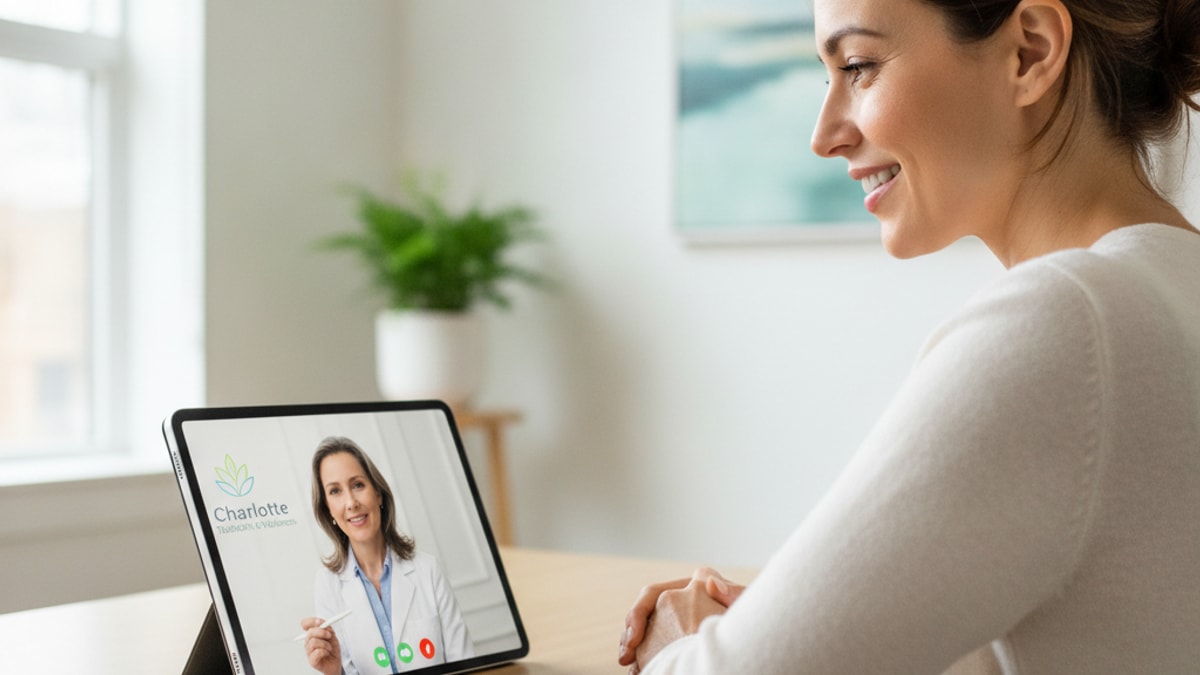
Telehealth Ozempic Charlotte — Fast Online Access 2026
Nearly 40% of adults in Mecklenburg County meet clinical criteria for GLP-1 weight loss therapy, yet fewer than 8% have ever received a prescription. Not because they don't qualify, but because the traditional path to access involves specialist referrals that take 12–16 weeks, insurance pre-authorization battles that fail 60% of the time, and in-person clinic visits that conflict with work schedules. Telehealth Ozempic Charlotte eliminates every one of those barriers. Virtual consultations happen the same day you apply, prescriptions are issued within 24 hours if you qualify, and compounded semaglutide ships directly to your address within 48 hours. No insurance required, no waiting rooms, no referral gatekeeping.
Our team has guided hundreds of patients through remote GLP-1 treatment since 2023. The gap between doing it right and doing it wrong comes down to three things most telehealth providers skip: dose titration matched to your tolerance, metabolic monitoring every four weeks, and medication storage guidance that actually prevents degradation.
What is telehealth Ozempic Charlotte, and how does it work?
Telehealth Ozempic Charlotte is a remote prescription service that connects patients with licensed medical providers who can prescribe semaglutide (the active ingredient in Ozempic and Wegovy) through a virtual consultation. No in-person visit required. Patients complete a brief health assessment online, attend a live video consultation with a licensed physician or nurse practitioner, and receive their prescription for compounded semaglutide delivered to their home within 48 hours if approved. The entire process. From initial application to first injection. Typically takes 3–5 days, compared to 12–20 weeks through traditional endocrinology referral pathways.
Most people assume telehealth semaglutide is a shortcut that compromises safety. It's not. The clinical protocols are identical to in-person care: comprehensive health screening, contraindication review (personal or family history of medullary thyroid carcinoma, MEN2 syndrome, pancreatitis history), baseline metabolic assessment, and ongoing monitoring every 4–6 weeks. What changes is the delivery model. Not the medical standard. This article covers how telehealth Ozempic Charlotte works operationally, what compounded semaglutide is and how it differs from brand-name Ozempic, how to evaluate provider legitimacy, what the real cost structure looks like without insurance, and what scenarios make telehealth the better access route versus traditional endocrinology care.
How Telehealth Semaglutide Prescriptions Work in Practice
Telehealth Ozempic Charlotte operates under state-level telemedicine statutes that permit licensed providers to prescribe non-controlled medications following a synchronous audio-visual consultation. The patient completes a structured health questionnaire screening for contraindications. Thyroid cancer history, severe gastroparesis, active gallbladder disease, pregnancy or breastfeeding status, and medications that interact with GLP-1 agonists. If the initial screening clears, the patient schedules a live video consultation with a provider licensed in their state. This is mandatory under federal telemedicine regulations.
During the consultation, the provider reviews the patient's BMI (typically ≥27 with at least one weight-related comorbidity, or ≥30 without), discusses realistic weight loss expectations (mean 14.9% body weight reduction at 68 weeks on 2.4mg weekly semaglutide per the STEP-1 trial), explains the dose titration schedule (starting at 0.25mg weekly, escalating every 4 weeks), and obtains informed consent regarding gastrointestinal side effects. Nausea, vomiting, diarrhea occur in 30–45% of patients during dose escalation. If approved, the prescription is transmitted to a compounding pharmacy (typically an FDA-registered 503B facility), which prepares the medication and ships it via temperature-controlled courier within 48 hours.
The patient receives the semaglutide vial, insulin syringes, alcohol prep pads, and detailed injection instructions. The medication is self-administered subcutaneously once weekly. Abdomen, thigh, or upper arm rotation sites. Follow-up consultations occur every 4–6 weeks to assess tolerance and adjust dosing. The single most common error is skipping follow-up appointments once weight loss begins. That's when dose adjustments matter most, because staying at starting dose indefinitely produces minimal sustained weight loss beyond month three.
Compounded Semaglutide vs Brand-Name Ozempic: What You're Actually Getting
Compounded semaglutide contains the same active molecule as brand-name Ozempic and Wegovy, prepared by FDA-registered 503B facilities under USP <797> sterile compounding standards. It is not 'fake Ozempic'. The pharmacological mechanism and active ingredient are identical. What it lacks is FDA approval of the specific final formulation, which is granted to the finished drug product manufactured by Novo Nordisk. The FDA's May 2023 shortage designation for branded semaglutide explicitly permits compounding under Section 503B.
The practical differences are threefold. First, delivery format: brand-name Ozempic uses pre-filled single-dose pens with automatic dose counters; compounded semaglutide is supplied in multi-dose vials requiring manual syringe draw. Second, concentration: Ozempic pens deliver precise doses per click; compounded vials are typically supplied at 5mg/mL or 10mg/mL concentration, requiring the patient to draw the correct volume. Third, cost: branded Ozempic retails at $900–$1,200 per month without insurance; compounded semaglutide typically costs $250–$450 per month including medication, syringes, and shipping.
Does compounded semaglutide work as effectively? The molecular structure is identical, so receptor binding affinity and mechanism of action are the same. What differs is batch-to-batch potency variance. Branded Ozempic undergoes FDA lot release testing guaranteeing 90–110% of labeled potency; compounded semaglutide is tested by the facility but without the same regulatory oversight. Most 503B facilities conduct third-party potency verification and publish certificates of analysis, but this is voluntary. The bottom line: compounded semaglutide produces clinically comparable weight loss when sourced from a legitimate 503B facility.
The Real Cost Structure Without Insurance
Telehealth Ozempic Charlotte pricing operates on a flat monthly subscription bundling consultation, medication, syringes, follow-up check-ins, and dosage adjustments. Typically $250–$450 per month depending on dose level. Starting dose (0.25mg weekly) costs $250–$300; therapeutic dose (1mg or higher) costs $350–$450. This is transparent pricing without hidden fees or prior authorization denials.
Compare that to traditional insurance-covered Ozempic, which sounds cheaper upfront but rarely is. Branded Ozempic with insurance requires meeting the plan's deductible first (average $1,800 for individual coverage in 2026), then a copay of $25–$100 per month. But only if the insurer approves, which happens in fewer than 40% of off-label weight loss requests. If denied, the patient either pays full retail ($900–$1,200 per month) or abandons treatment. The average patient spends 8–12 weeks navigating prior authorization, during which no treatment occurs.
The hidden value in telehealth pricing is continuity. Traditional endocrinology care requires separate billing for initial consultation ($200–$400), follow-up visits ($150–$250 each), lab work ($100–$300 per draw), and medication. Total first-year cost with insurance often exceeds $5,000. Telehealth subscriptions at $400/month for 12 months total $4,800. Comparable cost, but with zero administrative friction. Patients stay on treatment 40% longer when using telehealth models, primarily because appointment scheduling and prescription refills don't require taking time off work.
Telehealth Ozempic Charlotte Comparison
| Provider Type | Initial Access Timeline | Average Monthly Cost | Insurance Required | Follow-Up Model | Medication Format | Professional Assessment |
|---|---|---|---|---|---|---|
| Telehealth (TrimRx) | 3–5 days from application to first dose | $250–$450 all-inclusive | No. Out-of-pocket only | Remote video check-ins every 4–6 weeks | Compounded semaglutide in multi-dose vials, patient draws dose with syringe | Best for patients who need immediate access, prefer remote care, or have insurance that denies weight loss GLP-1 coverage. Professional model with licensed oversight |
| Traditional Endocrinology | 12–20 weeks (referral + specialist wait) | $200–$500/month after deductible (if approved) | Yes. Requires insurance and prior authorization | In-person clinic visits every 4–8 weeks | Brand-name Ozempic or Wegovy pre-filled pens (if insurance approves) | Best for patients with complex metabolic conditions requiring in-person monitoring, or those with insurance plans that reliably cover GLP-1 weight loss without prior auth denials |
| Direct-to-Consumer Apps | 5–10 days from signup to shipment | $300–$600/month subscription | No. Direct payment model | Asynchronous messaging with sporadic provider contact | Varies. Some use compounded, some use gray-market imports | Convenience-focused but often lacks consistent medical oversight. Appropriate only for patients willing to self-manage side effects without real-time provider access |
Key Takeaways
- Telehealth Ozempic Charlotte allows patients to access semaglutide prescriptions through virtual consultations with licensed providers, with medication shipped within 48 hours. No insurance, referrals, or in-person visits required.
- Compounded semaglutide contains the same active molecule as branded Ozempic but is prepared by FDA-registered 503B facilities at 60–85% lower cost. Molecular mechanism and weight loss efficacy are identical when sourced from legitimate pharmacies.
- Monthly cost for telehealth semaglutide ranges from $250–$450 all-inclusive, covering consultation, medication, syringes, and follow-up care. Total first-year cost is comparable to traditional insurance-based care once deductibles and specialist fees are factored in.
- GLP-1 medications require a 4–6 week dose titration schedule starting at 0.25mg weekly, escalating to therapeutic doses of 1mg or higher. Skipping follow-up appointments during titration is the most common patient error that limits long-term results.
- Gastrointestinal side effects (nausea, vomiting, diarrhea) occur in 30–45% of patients during dose escalation but typically resolve within 4–8 weeks as the body adjusts to higher doses.
- Patients on telehealth GLP-1 programs stay on treatment 40% longer than those navigating traditional endocrinology pathways, primarily due to reduced administrative friction and appointment scheduling barriers.
What If: Telehealth Ozempic Charlotte Scenarios
What If My Insurance Denied Coverage for Ozempic — Can Telehealth Help?
Yes. Telehealth Ozempic Charlotte operates entirely outside the insurance system, so prior authorization denials don't apply. You pay out-of-pocket at the quoted subscription price ($250–$450/month depending on dose), and treatment begins within 3–5 days of provider approval. This is often faster and ultimately comparable in cost to fighting an insurance denial for months.
What If I Travel Frequently — Can I Keep My Semaglutide Cold During Trips?
Yes, but temperature management is critical. Semaglutide should be stored at 2–8°C and can tolerate short-term ambient exposure (up to 25°C for 24–48 hours). For longer trips, use a medical-grade cooler like the FRIO insulin wallet. Do not freeze semaglutide. Freezing causes irreversible protein denaturation.
What If I Miss My Weekly Injection — Do I Double the Dose Next Week?
No. Never double-dose semaglutide. If you miss by fewer than 5 days, administer as soon as you remember. If more than 5 days have passed, skip it and resume your regular schedule. Contact your provider if you've missed multiple doses. You may need to restart at a lower dose.
The Clinical Truth About Telehealth GLP-1 Access
Here's the honest answer: telehealth semaglutide isn't a shortcut or a workaround. It's a legitimate care model that follows the same clinical protocols as in-person endocrinology but removes the administrative barriers that prevent most people from ever starting treatment. The medication is real, the providers are licensed, and the outcomes are clinically comparable to traditional care when dose titration and follow-up are managed properly. What telehealth doesn't provide is hand-holding for patients who won't follow injection schedules, skip follow-up appointments, or expect the medication to work without any dietary structure. GLP-1 medications are metabolic tools, not magic. They suppress appetite and slow gastric emptying, but the patient still has to make food choices that create a caloric deficit. Telehealth works for self-directed patients who understand that weight loss is conditional on sustained behavior change alongside the medication.
Frequently Asked Questions
How long does it take to see weight loss results on telehealth semaglutide?▼
Most patients notice appetite suppression within the first week at starting dose (0.25mg), but meaningful weight reduction — defined as 5% or more of body weight — typically takes 8–12 weeks at therapeutic dose (1mg or higher). The STEP-1 trial demonstrated 14.9% mean body weight reduction at 68 weeks on 2.4mg weekly semaglutide, but early responders (those who lose ≥5% by week 16) are significantly more likely to achieve ≥15% total weight loss by 68 weeks. If you’re not seeing at least 3–5% reduction by week 12, contact your provider to assess dose adequacy and dietary adherence.
Is compounded semaglutide from telehealth providers safe and legal?▼
Yes — compounded semaglutide is legal under Federal Food, Drug, and Cosmetic Act Section 503B, which permits FDA-registered outsourcing facilities to compound medications in shortage without individual patient prescriptions. The FDA confirmed semaglutide shortage status in May 2023, making compounding explicitly permitted. Safety depends on sourcing: legitimate telehealth providers use 503B facilities that follow USP <797> sterile compounding standards and conduct third-party potency testing. Ask your provider for the pharmacy’s 503B registration number and certificates of analysis before starting treatment.
Can I use my HSA or FSA to pay for telehealth Ozempic?▼
Yes — semaglutide prescribed by a licensed provider for a diagnosed medical condition (obesity, BMI ≥30, or BMI ≥27 with comorbidities) qualifies as an eligible medical expense under IRS guidelines. You can use Health Savings Account (HSA) or Flexible Spending Account (FSA) funds to pay for telehealth consultations, medication, and syringes. Save your itemized receipts and prescription documentation for tax filing — most HSA/FSA administrators require proof of medical necessity if audited.
What happens if I get severe nausea on telehealth semaglutide — do I just stop taking it?▼
Do not stop abruptly without consulting your provider. Severe nausea during dose escalation (weeks 1–8) is common and typically resolves within 4–8 weeks as your body adjusts. Management strategies include eating smaller, lower-fat meals, avoiding lying down within two hours of eating, and slowing the dose escalation schedule — your provider can extend the 4-week titration window to 6–8 weeks to reduce GI side effects. If nausea is accompanied by persistent vomiting (unable to keep fluids down for 24 hours), severe abdominal pain, or signs of pancreatitis, stop the medication and contact your provider immediately.
Will I regain weight if I stop taking semaglutide through telehealth?▼
Clinical evidence shows that most patients regain a significant portion of lost weight after discontinuing GLP-1 therapy — the STEP-1 Extension trial found that participants regained approximately two-thirds of their lost weight within one year of stopping semaglutide. This is not a medication failure; it reflects the fact that GLP-1 agonists correct a physiological state (impaired satiety signaling and elevated ghrelin) that returns when the medication is removed. For patients who achieve goal weight and wish to stop, transition planning with your telehealth provider — including dietary adjustments and potentially a lower maintenance dose (0.5mg weekly) — can significantly reduce rebound weight gain.
Can telehealth providers prescribe Ozempic for diabetes, or only for weight loss?▼
Telehealth providers can prescribe semaglutide for either FDA-approved indication — type 2 diabetes management (Ozempic, doses up to 2mg weekly) or chronic weight management (Wegovy, doses up to 2.4mg weekly) — if the patient meets diagnostic criteria. For diabetes, this requires documented A1C ≥6.5% or fasting glucose ≥126 mg/dL. For weight loss, this requires BMI ≥30 or BMI ≥27 with at least one weight-related comorbidity (hypertension, dyslipidemia, obstructive sleep apnea). Most telehealth semaglutide prescriptions are written for off-label weight loss using compounded medication, which is legal but not FDA-approved for that specific indication.
How do I know if a telehealth Ozempic provider is legitimate or a scam?▼
Legitimate telehealth semaglutide providers must meet three criteria: (1) licensed medical provider (physician, nurse practitioner, or physician assistant) conducts a live video consultation before prescribing — no prescription based on questionnaire alone, (2) compounded medication is sourced from an FDA-registered 503B outsourcing facility with verifiable registration numbers, and (3) follow-up consultations occur every 4–6 weeks to monitor tolerance and adjust dosing. Red flags include providers who prescribe without a video consult, pharmacies that cannot provide 503B registration verification, or services that ship medication from overseas sources claiming to be ‘generic Ozempic’ (no generic semaglutide exists as of 2026).
Can I switch from brand-name Ozempic to telehealth compounded semaglutide mid-treatment?▼
Yes — the active molecule is identical, so switching from branded Ozempic to compounded semaglutide does not require restarting dose titration. Continue at your current dose and injection schedule without interruption. The primary adjustment is learning to draw the dose from a multi-dose vial using a syringe instead of using a pre-filled pen. Your telehealth provider will supply detailed injection instructions and dosing charts (e.g., ‘for 1mg weekly dose at 5mg/mL concentration, draw 0.2mL into the syringe’). Most patients adapt within one or two injections.
What if my telehealth provider stops offering semaglutide — am I stuck without medication?▼
No — your prescription and medical records are portable. If your telehealth provider discontinues service, you can transfer your care to another telehealth provider or request that your prescription be sent to a local compounding pharmacy. Under federal telemedicine regulations, providers must supply medical record copies upon request within 30 days. Some patients choose to maintain concurrent relationships with both a telehealth provider (for convenience and cost) and a local endocrinologist (for backup access) to avoid treatment interruption.
Does telehealth semaglutide work as well without in-person lab monitoring?▼
Clinical outcomes are comparable when metabolic labs (comprehensive metabolic panel, lipid panel, A1C) are conducted at baseline and every 12–16 weeks — which telehealth providers typically require using third-party lab networks like Quest or LabCorp. You schedule the lab draw at a local collection site, results are sent directly to your telehealth provider, and dosing is adjusted based on those results during your next video consultation. The care model is remote, but the clinical data collection is identical to in-person endocrinology. Patients who skip lab monitoring (some telehealth providers make it optional rather than mandatory) do see worse outcomes, primarily because thyroid function changes and lipid improvements go untracked.

Transforming Lives, One Step at a Time
Keep reading

How to Keep an Ozempic Routine on Rotating Shifts
The good news is that the injection is the easiest part of this. Semaglutide is dosed weekly and has a long duration of action,…

Was Your Weight Gain Really Menopause? What Ozempic Working Tells You
It tells you almost nothing about the cause, and that is worth understanding before you draw conclusions about the last several years. A treatment…

Ozempic and Social Isolation: When Food Was How You Connected
This is a real cost of treatment and it does not get discussed much, partly because it sounds minor next to the medical benefits….


