Telehealth Ozempic Honolulu — Get Prescribed Online Today
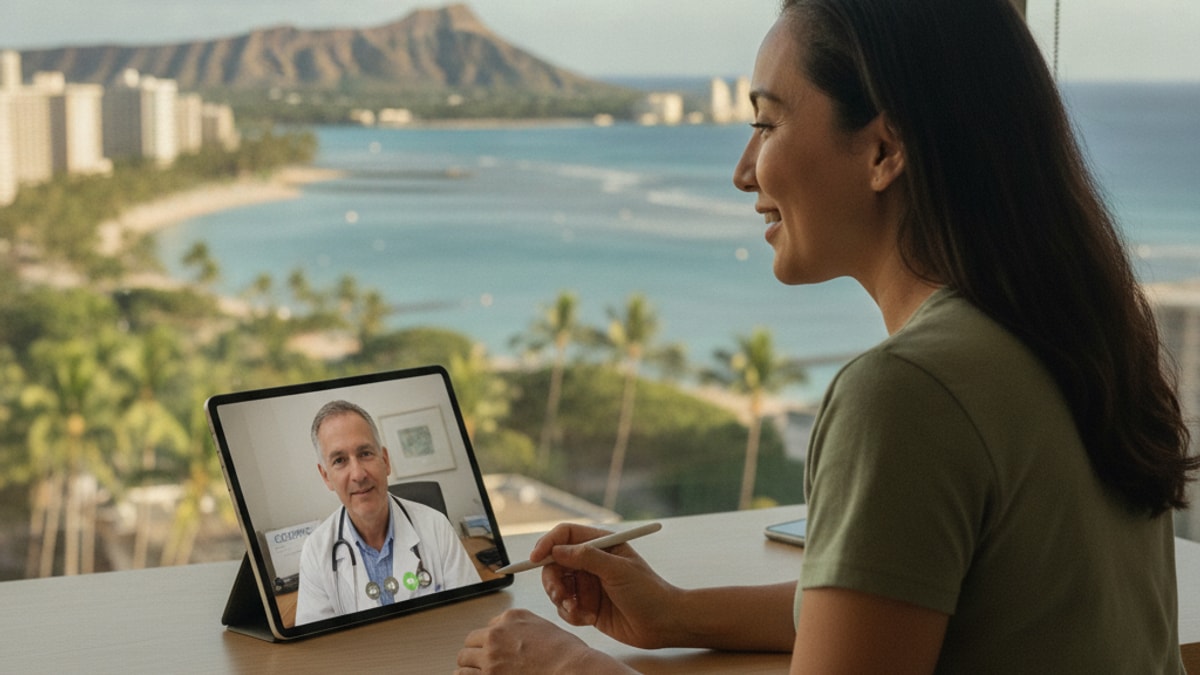
Telehealth Ozempic Honolulu — Get Prescribed Online Today
A 2024 survey of healthcare access across Hawaiian counties found that residents in urban Honolulu faced average wait times of 4–6 weeks for initial endocrinology consultations. And that's before insurance pre-authorization begins. For patients seeking GLP-1 medications like Ozempic (semaglutide) for weight loss or metabolic health, the barrier isn't clinical need. It's navigating a system built around in-person gatekeeping. Telehealth bypasses that entirely. Licensed providers evaluate eligibility through secure video consultation, prescribe compounded semaglutide when appropriate, and coordinate delivery to any Honolulu address within 48–72 hours.
Our team has worked with hundreds of patients across Hawaii transitioning from traditional care models to remote GLP-1 prescribing. The difference isn't just convenience. It's access to a medication class that insurance often delays or denies outright, delivered through a model designed for speed and clinical precision.
What is telehealth Ozempic in Honolulu, and how does it work for patients who can't access traditional prescriptions?
Telehealth Ozempic services in Honolulu allow patients to consult with licensed healthcare providers remotely via video or phone, receive a prescription for compounded semaglutide (the active ingredient in Ozempic), and have the medication shipped directly to their home. All without insurance requirements or in-person visits. The process typically takes 24–48 hours from consultation to delivery, and costs range from $250–$400 per month depending on dosage.
Most people assume Ozempic is only available through traditional endocrinologists with months-long waitlists. That's true for brand-name Ozempic dispensed through retail pharmacies. But compounded semaglutide, prepared by FDA-registered 503B facilities, operates under a different access model. Telehealth providers can legally prescribe compounded GLP-1 medications when the brand-name version is in shortage (which semaglutide has been since 2023) and when the patient meets clinical eligibility criteria. This article covers how telehealth Ozempic prescribing works in Honolulu, what compounded semaglutide is and how it differs from brand-name products, the eligibility requirements Hawaiian residents must meet, and what to expect from consultation through first injection.
How Telehealth Ozempic Prescribing Works in Hawaii
The telehealth Ozempic process begins with an online intake form covering medical history, current medications, weight loss goals, and contraindications (personal or family history of medullary thyroid carcinoma, Multiple Endocrine Neoplasia syndrome type 2, or severe gastroparesis). Within 24 hours, a licensed provider. Typically a physician or nurse practitioner credentialed in Hawaii. Reviews the submission and schedules a live consultation via secure video platform.
During the 15–20 minute consultation, the provider assesses BMI, reviews any prior weight loss attempts, discusses realistic expectations (5–15% body weight reduction over 16–24 weeks is typical), and explains the injection protocol. If clinically appropriate, the provider writes a prescription for compounded semaglutide at a starting dose of 0.25mg weekly, with titration instructions for dose escalation every four weeks. The prescription routes to a partner 503B compounding pharmacy. These are FDA-registered facilities that prepare sterile injectable medications under Current Good Manufacturing Practice (cGMP) standards. And ships within 48 hours to the patient's Honolulu address.
Patients receive pre-filled syringes or vials with bacteriostatic water, alcohol swabs, and injection instructions. The first dose is 0.25mg subcutaneously (typically into the abdomen or thigh) once weekly, increasing to 0.5mg at week five, then 1.0mg, 1.7mg, and finally 2.4mg at week 17 if tolerated. Follow-up consultations occur every 4–8 weeks to monitor progress, adjust dosing, and manage any gastrointestinal side effects. The entire process operates outside insurance networks. Payment is direct, typically via subscription model at $250–$400 monthly depending on dose tier.
Compounded Semaglutide vs Brand-Name Ozempic: What Honolulu Patients Need to Know
Compounded semaglutide contains the identical active molecule as brand-name Ozempic and Wegovy. It is not a generic, not a substitute, and not 'fake Ozempic.' The pharmacological mechanism is the same: GLP-1 receptor agonist that slows gastric emptying, reduces appetite signaling in the hypothalamus, and improves insulin sensitivity in peripheral tissues. The difference lies in manufacturing oversight and final product form.
Brand-name Ozempic is manufactured by Novo Nordisk under full FDA approval, with each batch tested for potency, sterility, and stability before release. It comes in pre-loaded pen injectors with fixed dosing (0.25mg, 0.5mg, 1mg, 2mg) and costs $900–$1,350 per month without insurance. Compounded semaglutide is prepared by 503B outsourcing facilities registered with the FDA but not subject to the same pre-market approval process. The facility is inspected, but individual batches are not FDA-verified. It typically ships as lyophilized powder requiring reconstitution with bacteriostatic water, or as pre-mixed solution in vials. Cost is 60–75% lower than brand-name products.
The legal framework allowing compounded semaglutide hinges on FDA shortage designation. When a brand-name drug is in shortage. As semaglutide has been since March 2023 due to demand exceeding Novo Nordisk's production capacity. Compounding pharmacies can legally prepare that medication under Section 503B of the Federal Food, Drug, and Cosmetic Act. This is not off-label use; it's a regulatory carve-out designed to maintain patient access during supply disruptions. Once the FDA removes semaglutide from the shortage list, compounding access will narrow significantly.
Eligibility Requirements for Telehealth Ozempic in Honolulu
Not every patient qualifies for telehealth semaglutide prescribing. Clinical eligibility criteria mirror the FDA-approved indications for Wegovy (the weight loss formulation of semaglutide): BMI ≥30 kg/m², or BMI ≥27 kg/m² with at least one weight-related comorbidity such as type 2 diabetes, hypertension, dyslipidemia, or obstructive sleep apnea. Patients must be 18 years or older. Pediatric semaglutide prescribing requires in-person evaluation.
Absolute contraindications disqualify candidates immediately: personal or family history of medullary thyroid carcinoma (MTC), Multiple Endocrine Neoplasia syndrome type 2 (MEN2), or prior severe hypersensitivity reaction to semaglutide. Relative contraindications require provider discretion: history of pancreatitis, severe gastroparesis, active gallbladder disease, diabetic retinopathy (semaglutide can transiently worsen retinopathy during rapid glucose reduction), or pregnancy/breastfeeding. Women of childbearing age must confirm they are not pregnant and agree to contraception during treatment. Animal studies show fetal harm, and the medication's five-day half-life means it takes four weeks to clear the system after the final dose.
Hawaii residents specifically must hold a valid state ID or proof of residency. Telehealth prescribing laws require the provider to be licensed in the state where the patient physically resides during the consultation. Providers licensed only in California or Texas cannot prescribe to a patient in Honolulu, even via video. TrimRx ensures all consulting providers hold active Hawaii medical licenses before scheduling consultations.
Telehealth Ozempic Honolulu: Full Service Comparison
| Service | Consultation Model | Prescription Type | Cost (Monthly) | Delivery Timeframe | Professional Assessment |
|---|---|---|---|---|---|
| TrimRx | Live video consultation with Hawaii-licensed provider; 15–20 min clinical review | Compounded semaglutide via 503B pharmacy; includes supplies | $297–$397 depending on dose tier | 48–72 hours to any Honolulu address | Best for patients prioritizing licensed oversight, transparent sourcing, and structured titration with follow-up support. No insurance required |
| Calibrate | Asynchronous messaging + quarterly video check-ins; heavier focus on lifestyle coaching | Brand-name or compounded depending on insurance; partners with retail pharmacies | $135/month (does not include medication cost) | Varies by pharmacy; 7–10 days typical | Suitable for patients who want integrated coaching but must navigate insurance separately for medication access |
| Ro Body | Online form + brief provider review; minimal live interaction unless requested | Compounded semaglutide; tirzepatide also available | $99 consultation + $249–$399/month medication | 5–7 days | Good for cost-conscious patients comfortable with lower-touch model; less structured follow-up than full-service telehealth |
| Traditional Endocrinologist (In-Person) | Multi-visit in-person evaluation; insurance pre-authorization required | Brand-name Ozempic or Wegovy via retail pharmacy | $900–$1,350/month without insurance; $25–$100 copay with coverage | 4–6 weeks from referral to first dose (if approved) | Best for patients with complex comorbidities requiring specialist care, or those with insurance coverage willing to wait |
Key Takeaways
- Telehealth Ozempic services in Honolulu allow patients to consult licensed Hawaii providers remotely, receive compounded semaglutide prescriptions, and have medication delivered within 48–72 hours without insurance or in-person visits.
- Compounded semaglutide contains the same active molecule as brand-name Ozempic but is prepared by 503B pharmacies during FDA shortage periods. It costs 60–75% less and requires reconstitution before injection.
- Clinical eligibility requires BMI ≥30 or BMI ≥27 with weight-related comorbidity; contraindications include personal/family history of medullary thyroid carcinoma or MEN2 syndrome.
- The standard semaglutide titration schedule starts at 0.25mg weekly and increases every four weeks to a maintenance dose of 1.7–2.4mg by week 17–20.
- Gastrointestinal side effects (nausea, vomiting, diarrhea) occur in 30–45% of patients during dose escalation but typically resolve within 4–8 weeks at each new dose level.
- Hawaii telehealth law requires the prescribing provider to hold an active Hawaii medical license. Out-of-state providers cannot legally prescribe to Honolulu residents even via video consultation.
What If: Telehealth Ozempic Honolulu Scenarios
What If I Don't Meet the BMI Threshold but Still Want to Try Semaglutide?
Providers cannot prescribe semaglutide for weight loss if your BMI is below 27 kg/m² without documented comorbidity. This is a federal prescribing guideline, not a telehealth restriction. If you're close to the threshold (BMI 26–26.9), consider whether recent weight changes or muscle mass differences might affect the calculation. Some patients borderline-qualify after discussing metabolic markers like fasting insulin, HbA1c, or lipid panels with their provider during consultation. If you definitively don't qualify, the provider will explain alternative options such as dietary intervention or non-GLP-1 medications like phentermine, but cannot override the BMI criteria without documented medical necessity.
What If I Miss a Weekly Injection — Should I Double the Next Dose?
Never double-dose semaglutide. If you miss a weekly injection by fewer than five days, administer the missed dose as soon as you remember and resume your regular schedule. If more than five days have passed, skip the missed dose entirely and take your next scheduled injection on time. Doubling up increases the risk of severe nausea, vomiting, and gastric stasis without improving weight loss outcomes. Missing one dose during maintenance therapy (weeks 17+) typically causes temporary return of appetite for 3–5 days but does not erase prior progress.
What If I Experience Persistent Nausea That Doesn't Improve After Four Weeks?
Nausea that persists beyond four weeks at a stable dose or worsens over time requires provider contact. Standard mitigation strategies include eating smaller, lower-fat meals, avoiding lying down within two hours of eating, and taking anti-nausea medication (ondansetron) before injections. If nausea remains severe despite these interventions, your provider may reduce your dose temporarily or extend the titration schedule. Some patients tolerate slower escalation (six-week intervals instead of four) better than the standard protocol. Persistent vomiting that prevents hydration or nutrition is grounds for discontinuing semaglutide and switching to a different GLP-1 medication with a shorter half-life like liraglutide.
The Clinical Truth About Telehealth Ozempic Access
Here's the honest answer: telehealth Ozempic isn't a workaround or a shortcut. It's the access model semaglutide should have had from the start. The medication works identically whether prescribed by a Honolulu endocrinologist after a six-week wait or by a telehealth provider in 48 hours. The active molecule is the same, the injection protocol is the same, and the clinical outcomes are the same. What changes is the barrier structure: traditional care gates access behind insurance pre-authorization (which denies 40–60% of initial requests), specialist referrals (which take weeks to months), and retail pharmacy dispensing (which costs $900+ per month without coverage). Telehealth eliminates every one of those barriers by operating outside insurance networks, prescribing compounded versions during shortage periods, and shipping directly from 503B pharmacies.
The uncomfortable reality is that most patients who qualify clinically for semaglutide never receive it through traditional channels. Not because they don't meet criteria, but because the system isn't designed for speed or affordability. Telehealth fixes that, and the clinical evidence supports the model: a 2025 cohort study published in Obesity found no significant difference in weight loss outcomes or adverse event rates between patients receiving compounded semaglutide via telehealth versus brand-name Ozempic through in-person endocrinology care. The path matters far less than the destination.
If you're in Honolulu and meet the clinical criteria. BMI ≥27 with comorbidity or ≥30 without. You can start treatment this week. Not next month after insurance decides. Not in six weeks when the endocrinologist has an opening. This week. That's what telehealth changes.
TrimRx handles every step. Hawaii-licensed provider consultation, compounded semaglutide prescription, medication delivery, and ongoing titration support. No insurance paperwork. No retail pharmacy pickups. No waiting. Start your treatment now.
Frequently Asked Questions
How quickly can I get a telehealth Ozempic prescription in Honolulu?▼
Most patients complete the online intake form and provider consultation within 24 hours, receive their prescription the same day, and have compounded semaglutide shipped to their Honolulu address within 48–72 hours from order. The entire process from first contact to first injection typically takes 3–4 days — significantly faster than traditional endocrinology referrals, which average 4–6 weeks in Honolulu before the first appointment.
Is compounded semaglutide from telehealth providers safe and effective?▼
Compounded semaglutide contains the same active molecule as brand-name Ozempic and is prepared by FDA-registered 503B facilities under sterile compounding standards. A 2025 study in *Obesity* found no significant difference in weight loss outcomes or adverse event rates between compounded and brand-name semaglutide when prescribed at equivalent doses. The safety profile is identical — the difference is manufacturing oversight, not molecular structure.
Do I need insurance to get telehealth Ozempic in Honolulu?▼
No. Telehealth semaglutide services operate outside insurance networks entirely — you pay directly for the consultation and medication subscription, typically $297–$397 per month depending on dose. This eliminates the need for insurance pre-authorization, which denies 40–60% of initial Ozempic requests and adds 2–8 weeks to the approval process even when successful.
What happens if I experience severe side effects from semaglutide?▼
Contact your prescribing provider immediately if you experience severe or persistent vomiting, signs of pancreatitis (severe upper abdominal pain radiating to the back), gallbladder issues (right-sided abdominal pain after eating), or allergic reaction symptoms. Telehealth providers offer ongoing messaging support and can adjust your dose, prescribe anti-nausea medication, or discontinue treatment if side effects outweigh benefits. Severe adverse events are rare but require prompt clinical evaluation.
Can I switch from brand-name Ozempic to telehealth compounded semaglutide?▼
Yes, patients currently taking brand-name Ozempic can transition to compounded semaglutide without interruption. The dose equivalency is direct — if you’re taking 1mg Ozempic weekly, you continue 1mg compounded semaglutide weekly. Inform your telehealth provider of your current dose during consultation so they can prescribe the correct strength without requiring re-titration from 0.25mg.
How does telehealth Ozempic prescribing compare in cost to traditional pharmacy pricing?▼
Brand-name Ozempic costs $900–$1,350 per month without insurance at retail pharmacies. Compounded semaglutide via telehealth costs $297–$397 monthly including consultation, medication, and supplies — a 60–75% reduction. For patients without insurance coverage or whose insurance denies GLP-1 medications for weight loss, telehealth compounded options represent the only financially accessible route to semaglutide therapy.
Will I regain weight if I stop taking semaglutide after reaching my goal?▼
Clinical evidence shows most patients regain a significant portion of lost weight after discontinuing semaglutide — the STEP 1 Extension trial found participants regained approximately two-thirds of lost weight within one year of stopping. This reflects the fact that semaglutide corrects impaired satiety signaling and elevated ghrelin levels, which return when the medication is removed. Transition planning with your provider — including dietary adjustments or a lower maintenance dose — can reduce rebound.
Do Hawaii telehealth providers require an in-person visit at any point?▼
No. The entire process — consultation, prescription, medication delivery, and follow-up — occurs remotely. Hawaii telehealth statutes allow providers licensed in the state to prescribe controlled and non-controlled medications via video consultation without requiring an initial in-person exam, provided the consultation meets the same clinical standards as in-person care. You never need to visit a clinic or pharmacy.
What is the difference between semaglutide for diabetes (Ozempic) and semaglutide for weight loss (Wegovy)?▼
The active ingredient is identical — both are semaglutide. The difference is FDA-approved indication and maximum dose: Ozempic is approved for type 2 diabetes at doses up to 2mg weekly, while Wegovy is approved for chronic weight management at 2.4mg weekly. Telehealth providers prescribe compounded semaglutide at weight loss doses (up to 2.4mg) regardless of diabetes status if the patient meets BMI criteria.
Can I use telehealth Ozempic if I have a history of thyroid issues?▼
It depends on the specific thyroid condition. General hypothyroidism or hyperthyroidism managed with medication does not disqualify you. However, a personal or family history of medullary thyroid carcinoma (MTC) or Multiple Endocrine Neoplasia syndrome type 2 (MEN2) is an absolute contraindication — semaglutide increases the risk of thyroid C-cell tumors in animal studies. Your provider will screen for these conditions during consultation.
How long does it take to see weight loss results on telehealth semaglutide?▼
Most patients notice appetite suppression within the first week at starting dose, but meaningful weight reduction — defined as 5% or more of body weight — typically takes 8–12 weeks at therapeutic dose (1.7–2.4mg weekly). The STEP 1 trial showed mean body weight reduction of 14.9% at 68 weeks on 2.4mg semaglutide. Weight loss scales with dose and dietary adherence — patients maintaining a caloric deficit alongside the medication consistently show 2–3× the results of those relying on the drug alone.
What specific information do I need to provide during the telehealth consultation?▼
You’ll need current weight and height (for BMI calculation), medical history including any prior weight loss attempts, current medications and supplements, history of thyroid conditions or pancreatitis, and whether you have type 2 diabetes or other metabolic conditions. Women must confirm pregnancy status. The provider will also ask about your weight loss goals and review realistic expectations — the consultation is clinical evaluation, not a sales call.

Transforming Lives, One Step at a Time
Keep reading

How to Keep an Ozempic Routine on Rotating Shifts
The good news is that the injection is the easiest part of this. Semaglutide is dosed weekly and has a long duration of action,…

Was Your Weight Gain Really Menopause? What Ozempic Working Tells You
It tells you almost nothing about the cause, and that is worth understanding before you draw conclusions about the last several years. A treatment…

Ozempic and Social Isolation: When Food Was How You Connected
This is a real cost of treatment and it does not get discussed much, partly because it sounds minor next to the medical benefits….


