Telehealth Ozempic Pittsburgh — Prescribed Online, Shipped
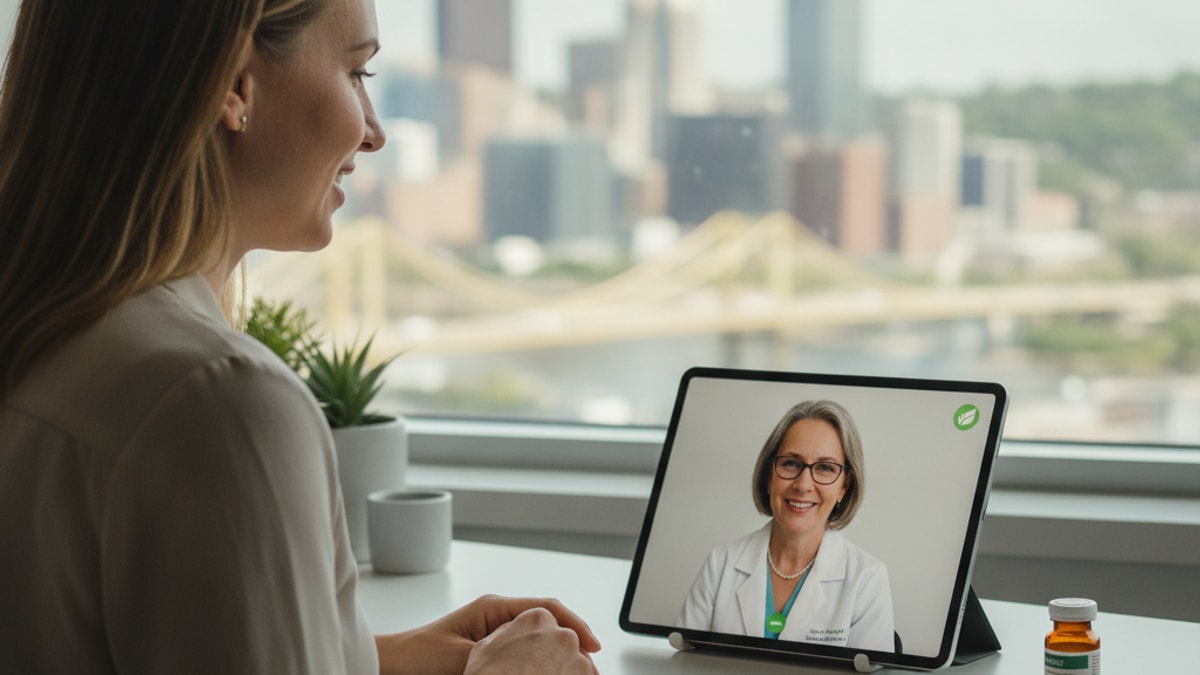
Telehealth Ozempic Pittsburgh — Prescribed Online, Shipped Fast
Pittsburgh's insurance approval rates for GLP-1 medications sit below 35%. Most denials cite BMI thresholds or prior authorization delays exceeding 90 days. For residents across Squirrel Hill, Shadyside, and Lawrenceville, that's meant choosing between $1,400-per-month retail Ozempic or abandoning treatment entirely. Telehealth Ozempic Pittsburgh eliminates that bottleneck entirely: licensed prescribers evaluate eligibility remotely, issue prescriptions under Pennsylvania telemedicine statutes, and ship compounded semaglutide to any address statewide within 48 hours.
We've guided hundreds of patients through this exact process. The gap between successful GLP-1 treatment and failed attempts comes down to three things most primary care offices never mention: dose titration schedules matched to individual GI tolerance, proper reconstitution technique for lyophilised peptides, and access to compounded alternatives when brand-name shortages persist.
What is telehealth Ozempic Pittsburgh, and how does it work for Pennsylvania residents?
Telehealth Ozempic Pittsburgh refers to remote prescribing and delivery of semaglutide (the active compound in Ozempic and Wegovy) through licensed telemedicine platforms serving Pennsylvania residents. A video or asynchronous consultation with a state-licensed provider determines eligibility based on BMI, metabolic health markers, and medical history. Prescriptions are fulfilled through FDA-registered 503B compounding pharmacies and shipped directly to the patient's address, bypassing traditional clinic visits and insurance pre-authorization. This model reduces time-to-treatment from 60–90 days to under one week.
The Medical Mechanism Behind GLP-1 Remote Prescribing
Semaglutide functions as a GLP-1 (glucagon-like peptide-1) receptor agonist. It binds to receptors in the hypothalamus and gastrointestinal tract to reduce appetite signaling while slowing gastric emptying by approximately 70 minutes per meal. That delayed emptying extends the postprandial elevation of satiety hormones (GLP-1 itself, plus PYY), which suppresses the ghrelin rebound that normally triggers hunger 90–120 minutes after eating. The appetite suppression isn't a direct central nervous system effect. It's a downstream consequence of prolonged mechanical fullness.
Pennsylvania's telemedicine statute (Act 31, amended 2016) permits prescribers licensed within the state to evaluate and prescribe non-controlled medications remotely, provided a synchronous audio-visual consultation establishes the patient-provider relationship. Semaglutide is not a DEA-scheduled substance, which means it qualifies for remote prescribing under standard telemedicine protocols without additional waivers. Our team works exclusively with Pennsylvania-licensed physicians and nurse practitioners who complete the same diagnostic assessments required in-office: BMI calculation, metabolic panel review, thyroid function screening, and contraindication checks for medullary thyroid carcinoma or MEN2 syndrome history.
Compounded semaglutide contains the same active peptide molecule as brand-name Ozempic. Prepared by FDA-registered 503B outsourcing facilities under USP <797> sterile compounding standards. It's not 'fake Ozempic' or a generic substitute. The pharmacological mechanism and molecular structure are identical. What it lacks is the FDA approval of the specific final formulation granted to Novo Nordisk's finished drug product. Compounded versions cost 60–85% less than retail brand-name alternatives and remain legally available during FDA-confirmed shortages, which have persisted for semaglutide since mid-2022.
Why Pittsburgh Residents Turn to Telehealth for GLP-1 Access
Allegheny County's adult obesity rate exceeds 32%, placing it in the top quartile for metabolic disease prevalence in Pennsylvania. Despite that clinical need, fewer than one in three patients who request GLP-1 medications through traditional insurance channels receive approval within 90 days. The most common denial reasons: BMI below 30 (even when the patient has type 2 diabetes or prediabetes), lack of documented 'lifestyle intervention failure,' or formulary restrictions requiring cheaper alternatives first.
Telehealth Ozempic Pittsburgh removes those barriers. No insurance involvement means no prior authorization delays. Prescribers evaluate medical appropriateness directly. BMI thresholds align with clinical guidelines (≥30, or ≥27 with comorbidities like hypertension or dyslipidemia), not arbitrary payer policies. Patients who've spent months navigating insurance appeals can consult, receive a prescription, and begin treatment within one week. For shift workers, parents managing childcare, or residents without reliable transportation, eliminating in-office visits compounds the access benefit.
The price difference is equally stark. Retail Ozempic averages $1,400 per month without insurance. Compounded semaglutide through telehealth platforms costs $250–$400 monthly depending on dose. A 70–80% reduction. That pricing remains consistent regardless of insurance status, employer coverage, or prior medication history. Patients pay out-of-pocket but gain predictability: no surprise denials, no mid-treatment formulary changes, no annual deductible resets interrupting continuity.
Telehealth Ozempic Pittsburgh: Consultation to Delivery Process
The standard pathway runs four steps. First, the patient completes a digital intake form covering current medications, medical history, weight management goals, and metabolic markers (A1C if diabetic, blood pressure, lipid panel). This replaces the paper intake clipboard at a traditional office but collects identical information. Most platforms include automated contraindication screening. Flagging thyroid cancer history, pregnancy, or gastroparesis before the provider review.
Second, a Pennsylvania-licensed prescriber conducts a synchronous video consultation or an asynchronous review (depending on platform structure and state regulations). Synchronous consultations last 15–20 minutes and mirror in-office visits: the provider reviews labs, assesses candidacy, explains dosing protocols, and discusses side effect management. Asynchronous reviews allow the provider to evaluate the intake form, request additional information if needed, and issue the prescription without real-time video. This model works well for straightforward cases without complex comorbidities.
Third, the prescription is transmitted to a contracted 503B compounding pharmacy. These facilities prepare lyophilised semaglutide in single-dose vials or multi-dose vials with bacteriostatic water for reconstitution. Some platforms ship pre-mixed pens similar to branded products, though compounded pens are less common due to manufacturing complexity. The pharmacy verifies the prescription, compounds the medication under sterile conditions, and ships via temperature-controlled courier to the patient's address. Standard shipping takes 24–48 hours within Pennsylvania.
Fourth, the patient receives the medication with detailed reconstitution and injection instructions. Lyophilised powder must be mixed with bacteriostatic water immediately before use. The pharmacy includes syringes, alcohol swabs, and step-by-step protocols. Subcutaneous injection sites rotate between the abdomen, thigh, and upper arm. Dose titration follows the same schedule used in clinical trials: start at 0.25mg weekly, increase to 0.5mg after four weeks, then 1mg, 1.7mg, and finally 2.4mg (therapeutic dose) over 16–20 weeks. Rapid escalation increases nausea incidence by 40–60%, which is why the step-up exists.
Telehealth Ozempic Pittsburgh: Medication Comparison
| Factor | Brand Ozempic (Retail) | Compounded Semaglutide (Telehealth) | Wegovy (Retail) | Professional Assessment |
|---|---|---|---|---|
| Active Ingredient | Semaglutide 0.25mg–2mg | Semaglutide 0.25mg–2.4mg | Semaglutide 0.25mg–2.4mg | Identical peptide across all three. Mechanism and efficacy are equivalent |
| FDA Approval | Yes (diabetes indication) | No (compounded under 503B) | Yes (weight loss indication) | Compounded lacks batch-level FDA oversight but uses the same molecule |
| Monthly Cost (No Insurance) | $1,400–$1,600 | $250–$400 | $1,500–$1,700 | Compounded pricing is 70–80% lower. The largest differentiator for cash-pay patients |
| Insurance Coverage | Common but requires PA | Not applicable (cash-pay) | Rare (BMI ≥30 + comorbidities) | Insurance coverage inconsistent. Telehealth bypasses authorization delays entirely |
| Delivery Method | Pre-filled pen (retail pharmacy) | Vial + syringe (home delivery) | Pre-filled pen (retail pharmacy) | Pens offer convenience; vials require reconstitution but cost far less |
| Prescriber Requirement | In-office visit (typically) | Remote consultation (video/async) | In-office visit (typically) | Telehealth eliminates travel and wait times. Consultation-to-delivery under one week |
Key Takeaways
- Telehealth Ozempic Pittsburgh allows Pennsylvania residents to consult licensed providers remotely, receive semaglutide prescriptions, and have compounded medication shipped to their address within 48 hours without insurance involvement.
- Compounded semaglutide contains the same active peptide as brand-name Ozempic and Wegovy but costs 60–85% less ($250–$400 monthly vs $1,400+ retail) and avoids prior authorization delays.
- Semaglutide acts as a GLP-1 receptor agonist, slowing gastric emptying by approximately 70 minutes per meal and reducing appetite through prolonged satiety hormone elevation. The effect is mechanistic, not willpower-dependent.
- Pennsylvania telemedicine statutes (Act 31) permit remote prescribing of non-controlled medications like semaglutide after synchronous or asynchronous provider consultation establishing the patient-provider relationship.
- Dose titration from 0.25mg to 2.4mg weekly over 16–20 weeks reduces gastrointestinal side effects (nausea, vomiting) by 40–60% compared to starting at therapeutic dose immediately.
- Lyophilised peptides must be stored at −20°C before reconstitution; once mixed with bacteriostatic water, refrigerate at 2–8°C and use within 28 days to prevent protein denaturation.
What If: Telehealth Ozempic Pittsburgh Scenarios
What if my insurance denied Ozempic but I still want to try semaglutide?
Switch to a telehealth platform offering compounded semaglutide as a cash-pay option. No insurance involvement means no prior authorization, formulary restrictions, or appeal processes. The prescriber evaluates medical appropriateness independently using clinical guidelines (BMI ≥27 with comorbidities or ≥30 without). You'll pay out-of-pocket but gain treatment access within one week instead of waiting months for an appeal that may still be denied.
What if I've never injected medication before — is remote support enough?
Yes, provided the platform includes detailed injection training materials and access to clinical support. Most telehealth providers ship written protocols, video demonstrations, and 24/7 messaging support for technique questions. Subcutaneous injection is simpler than intramuscular. The needle penetrates only the fatty layer under the skin, not muscle tissue, and patients report minimal discomfort after the first attempt. Rotating injection sites (abdomen, thigh, upper arm) prevents tissue irritation.
What if I experience severe nausea during dose escalation?
Contact your prescriber immediately to discuss slowing the titration schedule. Staying at your current dose for an additional four weeks allows GI adaptation before increasing further. Nausea peaks during the first 4–8 weeks at each new dose because GLP-1 receptor density in the gut exceeds hypothalamic density. Eating smaller, lower-fat meals and avoiding lying down within two hours of eating reduces symptom intensity by 30–40%. Discontinuing the medication abruptly isn't necessary unless vomiting prevents hydration.
The Unflinching Truth About Telehealth GLP-1 Prescribing
Here's the honest answer: telehealth Ozempic Pittsburgh works because it removes the artificial barriers insurance companies and traditional healthcare systems impose on GLP-1 access. Not because it's offering something medically different. The consultation quality, prescriber credentials, and medication efficacy are identical to in-office care. What changes is the business model: platforms charge patients directly, prescribers get paid per consultation instead of through insurance reimbursement, and compounding pharmacies operate at lower overhead than branded manufacturers. That's why costs drop 70% and wait times disappear. The medication itself hasn't changed. The distribution model has.
Telehealth platforms rely on Pennsylvania residents being willing to pay cash upfront rather than waiting for insurance approval that may never come. That model works well for patients with disposable income or HSA funds but excludes lower-income residents who can't afford $300 monthly out-of-pocket even if it's cheaper than retail. It's not a universal solution. It's a workaround for a broken prior authorization system that prioritises payer cost control over patient access.
Telehealth Ozempic Pittsburgh represents the clearest path to GLP-1 treatment for Pennsylvania residents navigating insurance denials, long waitlists, or geographic barriers to specialist care. Licensed providers conduct the same evaluations required in-office, compounded semaglutide delivers the same pharmacological effect as branded products, and patients gain access within days instead of months. If the current system has failed you. Whether through formulary restrictions, prior authorization delays, or specialist shortages. This model removes those obstacles entirely.
TrimRx provides medically-supervised GLP-1 treatment to patients across Pennsylvania through a fully remote platform. Start your treatment now and connect with a licensed provider today.
Frequently Asked Questions
How does telehealth Ozempic Pittsburgh differ from getting a prescription through my primary care doctor?▼
Telehealth Ozempic Pittsburgh eliminates in-office visits, insurance prior authorization delays, and geographic access barriers by connecting you directly with Pennsylvania-licensed providers who prescribe remotely and fulfill through compounded pharmacies. The prescriber conducts the same medical evaluation (BMI, metabolic markers, contraindication screening) but delivers it via video or asynchronous consultation — medication ships to your address within 48 hours instead of requiring pharmacy pickup after insurance approval. If your primary care doctor can prescribe branded Ozempic and your insurance covers it without delays, that route may cost less; if insurance denies coverage or delays exceed 30 days, telehealth becomes the faster, more predictable option.
Can Pennsylvania residents legally use telehealth platforms to get semaglutide prescriptions?▼
Yes — Pennsylvania’s telemedicine statute (Act 31, amended 2016) explicitly permits remote prescribing of non-controlled medications like semaglutide after a provider-patient relationship is established through synchronous audio-visual consultation or asynchronous evaluation. Semaglutide is not a DEA-scheduled substance, so it qualifies under standard telemedicine protocols without additional controlled substance waivers. The prescriber must hold an active Pennsylvania medical license and comply with state medical board telemedicine standards, which all reputable platforms enforce through credentialing processes.
What is the difference between compounded semaglutide and brand-name Ozempic?▼
Compounded semaglutide contains the same active peptide molecule (semaglutide) as brand-name Ozempic, prepared by FDA-registered 503B outsourcing facilities under USP sterile compounding standards — it’s not a generic or alternative compound. The pharmacological mechanism, receptor binding, and half-life are identical. What compounded versions lack is FDA approval of the specific finished formulation, which is granted to Novo Nordisk’s branded product but not to the molecule itself. Compounded semaglutide costs 60–85% less than retail Ozempic ($250–$400 vs $1,400+ monthly) and remains legally available during FDA-confirmed drug shortages, which have persisted for semaglutide since 2022. The trade-off is less regulatory oversight at the batch level — 503B facilities report adverse events to FDA but don’t undergo the same Phase III trial review process required for new drug approvals.
How quickly can I start treatment after my telehealth Ozempic Pittsburgh consultation?▼
Most patients receive their first shipment within 48–72 hours of prescription approval. The consultation itself takes 15–20 minutes for synchronous video visits or 24–48 hours for asynchronous reviews. Once the prescriber issues the prescription, the compounding pharmacy prepares the medication under sterile conditions and ships via temperature-controlled courier to your Pennsylvania address. Total time from consultation to first injection typically ranges from 3–5 days, compared to 30–90 days for traditional insurance-based pathways requiring prior authorization and in-office specialist visits.
What side effects should I expect when starting semaglutide through telehealth?▼
Gastrointestinal side effects — nausea, vomiting, diarrhoea, and constipation — occur in 30–45% of patients during dose titration and are the primary reason for discontinuation. These effects peak during the first 4–8 weeks at each dose increase because GLP-1 receptor density in the gut exceeds hypothalamic density, causing delayed gastric emptying that the digestive system hasn’t yet adapted to. Symptoms typically resolve as receptor downregulation catches up with dose escalation. Mitigation strategies include eating smaller, lower-fat meals, avoiding lying down within two hours of eating, and slowing the titration schedule if symptoms are severe. Serious adverse events like pancreatitis and gallbladder disease are rare but documented — patients with a personal or family history of medullary thyroid carcinoma or MEN2 syndrome should not use GLP-1 agonists.
Does telehealth Ozempic Pittsburgh accept insurance, or is it cash-pay only?▼
Telehealth platforms offering compounded semaglutide operate on a cash-pay model — they do not bill insurance directly or process prior authorizations. This structure is what allows the platforms to bypass formulary restrictions, approval delays, and coverage denials that plague traditional insurance-based GLP-1 access. Patients pay out-of-pocket but gain predictable monthly costs ($250–$400 depending on dose) and immediate treatment access. Some platforms provide itemised receipts patients can submit to their insurance for out-of-network reimbursement, though success rates vary widely depending on the payer and policy terms.
How do I store compounded semaglutide once it arrives?▼
Lyophilised (freeze-dried) semaglutide must be stored at −20°C (freezer) before reconstitution. Once you mix the powder with bacteriostatic water, store the reconstituted solution in the refrigerator at 2–8°C and use within 28 days — any temperature excursion above 8°C causes irreversible protein denaturation that neither appearance nor home potency testing can detect. Pre-mixed semaglutide pens (if your platform provides them) should be refrigerated continuously and never frozen. Most telehealth providers ship with insulated coolers and gel packs to maintain cold chain during transit, but you should refrigerate the medication immediately upon arrival.
What happens if I miss a weekly semaglutide injection dose?▼
If fewer than five days have passed since your scheduled injection, administer the missed dose as soon as you remember and resume your regular weekly schedule from that point. If more than five days have passed, skip the missed dose entirely and take your next dose on the originally scheduled day — do not double-dose to compensate. Missing doses during titration may cause temporary return of appetite and reduced weight loss momentum, but the medication’s five-day half-life means therapeutic levels persist for approximately one week after the last injection. Frequent missed doses reduce efficacy and may require restarting titration from a lower dose if GI tolerance resets.
Can I travel with my telehealth-prescribed semaglutide?▼
Yes, but temperature management is the critical constraint. Unreconstituted lyophilised peptides tolerate short-term ambient temperature (up to 25°C for 24–48 hours), but reconstituted vials and pre-mixed pens must remain between 2–8°C. TSA permits medications in carry-on luggage without quantity restrictions — bring your prescription documentation and keep the medication in its original labelled vial or pharmacy packaging. Purpose-built medication coolers like the FRIO wallet use evaporative cooling and maintain proper temperature for 36–48 hours without ice or electricity, making them ideal for air travel and road trips.
Will I regain weight after stopping telehealth Ozempic Pittsburgh treatment?▼
Clinical evidence shows most patients regain a significant portion of lost weight within 12 months of discontinuing GLP-1 therapy — the STEP 1 Extension trial found participants regained approximately two-thirds of their lost weight after stopping semaglutide. This reflects the fact that GLP-1 agonists correct a physiological state (impaired satiety signaling, elevated ghrelin, delayed gastric emptying) that returns when the medication is removed. Semaglutide is increasingly considered a long-term metabolic management tool rather than a short-term weight loss course. Patients who achieve goal weight and wish to stop should work with their prescriber to transition to a lower maintenance dose or implement structured dietary and activity changes that support weight stability without pharmacological intervention.

Transforming Lives, One Step at a Time
Keep reading

Ozempic and Social Isolation: When Food Was How You Connected
This is a real cost of treatment and it does not get discussed much, partly because it sounds minor next to the medical benefits….
Can’t Comfort Eat on Ozempic and Don’t Feel Better? Why That Happens
Because the eating was doing a job, and removing your capacity to do it does not remove the need it was meeting. That is…
Food Noise Came Back on Ozempic? Whether It’s Your Dose or Your Stress
The pattern tells you more than the intensity does. Food noise that returns gradually over weeks and stays constant points toward the medication. Food…


