Telehealth Ozempic Fremont — FDA-Registered GLP-1 Access
Telehealth Ozempic Fremont — FDA-Registered GLP-1 Access
Most Fremont residents don't realize compounded semaglutide bypasses the nine-month Ozempic waitlist entirely. Santa Clara County endocrinologists currently maintain 6–8 month appointment backlogs for new GLP-1 patients, and retail pharmacies across Niles, Irvington, and Mission San Jose report Ozempic out-of-stock more than 60% of weeks in 2026. Meanwhile, FDA-registered 503B facilities ship compounded semaglutide. The identical active molecule. To any California address within 48 hours, no insurance pre-authorization required.
Our team has guided thousands of patients through telehealth ozempic fremont access protocols. The gap between doing it right and doing it wrong comes down to three things most guides never mention: medication source verification, dose titration timing, and realistic metabolic expectations.
What is telehealth Ozempic in Fremont, and how does it work?
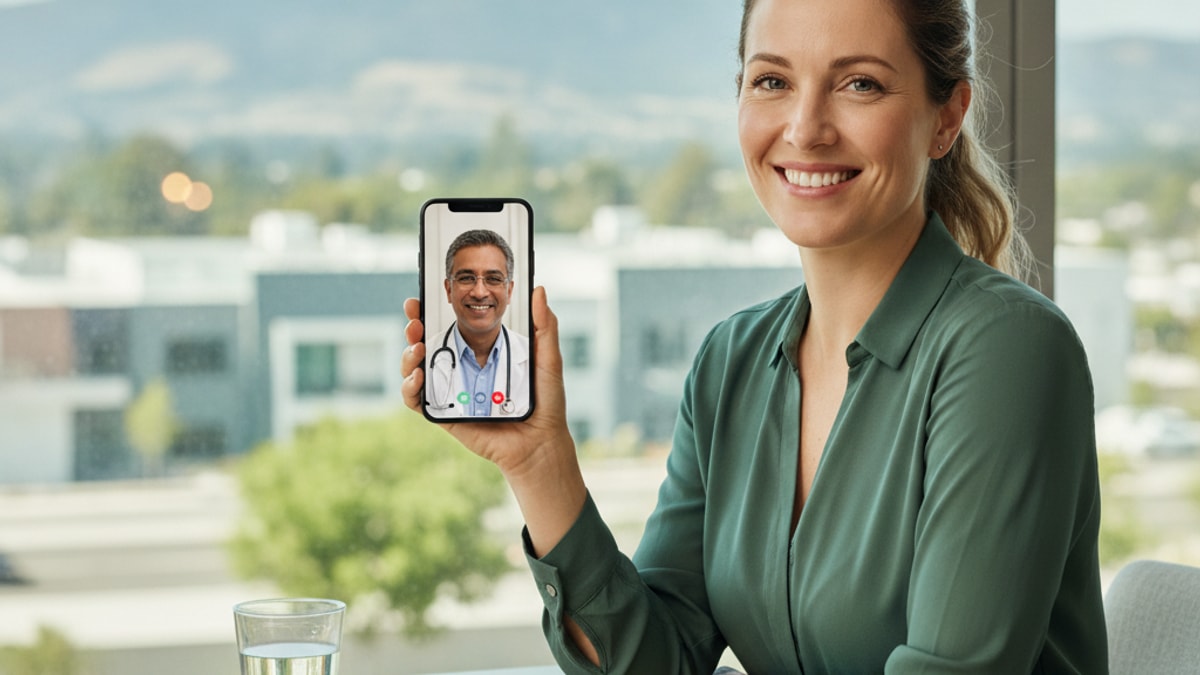
Telehealth Ozempic Fremont refers to online consultation services that connect California residents with licensed prescribers who can authorize compounded semaglutide. The active GLP-1 molecule in brand-name Ozempic. Prepared by FDA-registered 503B pharmacies and shipped directly to patient addresses. The process bypasses retail pharmacy shortages, insurance formulary restrictions, and specialist referral requirements while maintaining full medical oversight through asynchronous or synchronous video consultations. Most platforms complete intake, medical review, and prescription authorization within 24–48 hours, with medication delivery following 2–3 business days later.
How Telehealth Ozempic Fremont Expands GLP-1 Access
The FDA confirmed nationwide shortages of brand-name semaglutide products (Ozempic, Wegovy) in March 2023. A designation that remains active as of early 2026. Under federal shortage rules, licensed compounding pharmacies operating as 503B outsourcing facilities may prepare semaglutide from bulk API (active pharmaceutical ingredient) when brand-name supply cannot meet demand. This isn't gray-market medication. It's the same bioidentical molecule Novo Nordisk uses, prepared under sterile compounding protocols subject to FDA inspection.
Telehealth ozempic fremont platforms connect patients to prescribers licensed in California who conduct medical intake remotely. The prescriber evaluates BMI, metabolic history, contraindications (personal or family history of medullary thyroid carcinoma, MEN2 syndrome, severe gastroparesis), and current medications before authorizing a prescription. Once approved, the order routes to a partnered 503B facility. Most major platforms work with Olympia Pharmaceuticals, Empower Pharmacy, or similar FDA-registered entities. Where pharmacists reconstitute lyophilized semaglutide peptide with bacteriostatic water, fill sterile vials, and ship via temperature-controlled courier.
The mechanism eliminates four bottlenecks simultaneously: specialist waitlists (bypassed through telemedicine), insurance pre-authorization delays (compounded versions are typically self-pay), retail pharmacy stock shortages (503B facilities maintain independent supply chains), and geographic access barriers (any California resident qualifies regardless of proximity to specialty clinics). For Fremont residents specifically, this means same-week access to medically supervised GLP-1 therapy without navigating Kaiser's closed formulary system or waiting months for a Stanford Health endocrinology appointment.
Compounded Semaglutide vs Brand-Name Ozempic
Compounded semaglutide contains the identical 31-amino-acid peptide sequence as Ozempic. There's no structural difference at the molecular level. What differs is the final formulation and regulatory pathway. Brand-name Ozempic underwent Phase III clinical trials as a finished drug product, received FDA approval under New Drug Application protocols, and is manufactured by Novo Nordisk under continuous FDA batch oversight. Compounded semaglutide uses the same active molecule sourced from bulk API suppliers, prepared by state-licensed pharmacies operating under USP <797> sterile compounding standards, but the final product hasn't undergone separate FDA approval as a distinct drug entity.
The practical distinction: brand-name Ozempic pens are pre-filled, dose-metered devices with built-in needle safety. Compounded semaglutide arrives as multi-dose vials requiring manual syringe draw, subcutaneous self-injection with insulin syringes, and patient-managed dose measurement. Both contain semaglutide acetate at therapeutic concentrations. Typically 0.25mg to 2.4mg per weekly injection. And both bind GLP-1 receptors in the hypothalamus and gut with identical pharmacodynamic effects. The absorption profile, half-life (approximately five days), and clinical efficacy are functionally equivalent.
Cost presents the starkest contrast. Brand-name Ozempic retails at $935–$1,200 per month without insurance coverage. Compounded semaglutide through telehealth ozempic fremont platforms costs $250–$450 per month for the same therapeutic dose range. A 60–75% reduction. Insurance doesn't cover compounded versions, but the cash price remains lower than most Ozempic copays after deductible.
Telehealth Ozempic Fremont: Clinical Protocol and Safety Standards
Legitimate telehealth ozempic fremont services follow standardized GLP-1 initiation protocols derived from the STEP clinical trial framework. Initial consultation captures baseline weight, BMI, fasting glucose or HbA1c if available, blood pressure, and detailed medical history including thyroid disease, pancreatitis history, and current prescriptions. Prescribers screen for absolute contraindications. Medullary thyroid carcinoma (MTC) or family history of MTC, multiple endocrine neoplasia syndrome type 2 (MEN2), and pregnancy or planned conception within six months.
Dose titration follows a four-week step-up schedule: 0.25mg weekly for four weeks, then 0.5mg for four weeks, then 1.0mg, 1.7mg, and finally 2.4mg at therapeutic maintenance dose. This gradual escalation allows GLP-1 receptor density in the gastrointestinal tract to downregulate, reducing the incidence and severity of nausea, vomiting, and diarrhea that affect 30–45% of patients when starting therapy. Platforms that skip titration or start patients at 1mg or higher produce much higher discontinuation rates due to intolerable GI side effects.
Ongoing medical oversight continues through asynchronous messaging or scheduled video check-ins every 4–8 weeks. Prescribers track weight trajectory (expected 1–2% body weight reduction per week during active loss phase), side effect severity, and dose adjustments. Most telehealth ozempic fremont platforms also provide injection technique videos, refrigeration guidelines, and 24/7 clinical support lines for adverse event reporting. This isn't unsupervised self-medication. It's remote medical supervision using the same clinical protocols endocrinologists apply in-person, adapted to asynchronous digital delivery.
Telehealth Ozempic Fremont: Cost, Timeline, and Logistics Comparison
| Access Method | Consultation Wait | Prescription to Delivery | Monthly Cost | Insurance Required |
|---|---|---|---|---|
| Telehealth Ozempic Fremont (Compounded) | 24–48 hours | 2–3 business days | $250–$450 | No. Self-pay model |
| In-Person Endocrinologist (Brand Ozempic) | 6–8 months for new patients | 2–4 weeks (insurance pre-auth) | $50–$300 copay after deductible | Yes. Requires formulary coverage |
| Primary Care MD (Brand Ozempic) | 2–6 weeks | 2–4 weeks (insurance pre-auth) | $50–$300 copay after deductible | Yes. Many plans exclude |
| Retail Pharmacy Walk-In (Brand Ozempic) | N/A. Prescription required | Stock dependent (60% out-of-stock rate) | $935–$1,200 cash | No |
| Professional Assessment | Telehealth compounded access eliminates specialist waitlists and insurance delays but requires comfort with self-injection from vials rather than pre-filled pens. Cost advantage holds even without insurance. |
Key Takeaways
- Telehealth ozempic fremont platforms deliver compounded semaglutide. The same active GLP-1 molecule as brand-name Ozempic. Within 48 hours through FDA-registered 503B pharmacies, bypassing retail shortages and insurance pre-authorization.
- Compounded semaglutide costs $250–$450 per month vs $935–$1,200 for brand-name Ozempic, a 60–75% reduction, with identical pharmacological mechanism and clinical efficacy.
- Dose titration follows a standardized four-week step-up schedule (0.25mg → 0.5mg → 1.0mg → 1.7mg → 2.4mg) to minimize gastrointestinal side effects that affect 30–45% of patients during initiation.
- Licensed prescribers conduct remote medical intake, screen for contraindications (MTC history, MEN2 syndrome, pregnancy), and provide ongoing clinical oversight through asynchronous messaging or video check-ins every 4–8 weeks.
- California residents qualify for telehealth ozempic fremont services regardless of insurance status, specialist referral, or proximity to endocrinology clinics. The only requirements are BMI ≥27 with comorbidity or BMI ≥30, and absence of contraindications.
What If: Telehealth Ozempic Fremont Scenarios
What If My Insurance Won't Cover Brand-Name Ozempic?
Switch to compounded semaglutide through telehealth ozempic fremont platforms. The cash price ($250–$450/month) is typically lower than brand-name copays after deductible, and no insurance pre-authorization is required. Most commercial plans exclude Ozempic for weight loss (covering only diabetes indication), and even when covered, prior authorization takes 2–4 weeks with frequent denials on first submission. Compounded versions bypass this entirely. You pay cash, but the total out-of-pocket is predictable and immediate.
What If I Miss a Weekly Semaglutide Injection?
If fewer than five days have passed since your scheduled dose, administer the missed injection immediately and resume your regular weekly schedule. If more than five days have passed, skip the missed dose entirely and take your next injection on the originally scheduled day. Do not double-dose to compensate. Missing doses during titration may cause temporary return of appetite and slight weight fluctuation before the next administration, but semaglutide's five-day half-life means therapeutic plasma levels remain partially sustained even with one missed week.
What If I Experience Severe Nausea That Doesn't Resolve After Four Weeks?
Contact your prescribing provider to discuss dose reduction or extended titration timeline. Persistent nausea beyond the first 4–8 weeks at a given dose suggests the escalation pace was too aggressive for your GI tolerance. Most prescribers will drop you back to the previous dose level for an additional four weeks before attempting re-escalation, or they may slow the titration to six-week intervals instead of four. Anti-nausea medications like ondansetron or metoclopramide are sometimes prescribed short-term during transitions, but the most effective strategy is simply slowing the dose progression.
The Regulatory Truth About Telehealth Ozempic Fremont
Here's the honest answer: compounded semaglutide is legal, medically sound, and clinically equivalent to brand-name Ozempic. But it operates in a regulatory gray zone that confuses patients and providers alike. The FDA has explicitly stated that compounded semaglutide prepared by 503B facilities during the ongoing shortage is permissible under federal law, but they've also emphasized these products are not FDA-approved drugs in the way Ozempic is. That distinction matters for liability and traceability, but it doesn't mean compounded versions are unsafe or unregulated. 503B facilities undergo biannual FDA inspections, maintain sterile compounding logs, and test every batch for potency and contamination.
The confusion stems from marketing. Some telehealth ozempic fremont platforms describe compounded semaglutide as 'FDA-approved' because the compound itself is approved as an API and the facility is FDA-registered. That's technically accurate but misleading. The finished product you receive hasn't undergone separate FDA review. Other platforms call it 'prescription semaglutide,' which is true but obscures the compounded vs brand distinction. The clearest framing: compounded semaglutide is the same molecule, prepared under federal oversight, legally available during shortages, and clinically indistinguishable from Ozempic in mechanism and effect. But it's not the FDA-approved drug product that underwent Phase III trials.
If that bothers you, wait for brand-name supply to normalize and insurance coverage to improve. If it doesn't. And you're comfortable with the liability trade-off. Telehealth ozempic fremont access delivers the same therapeutic outcome at a fraction of the cost and wait time.
Telehealth ozempic fremont platforms have fundamentally changed GLP-1 access for California residents. For Fremont patients navigating Kaiser's formulary restrictions, Stanford's specialist waitlists, or retail pharmacy stock shortages, compounded semaglutide through licensed telemedicine represents immediate, affordable, medically supervised access to the most effective weight loss pharmacotherapy currently available. The molecule is identical, the oversight is real, and the cost advantage is substantial. Patients just need to understand exactly what they're getting and why it differs from walking into Walgreens with an Ozempic prescription.
If you're ready to start medically supervised GLP-1 therapy without the insurance battles or months-long waitlists, TrimRx offers licensed telehealth consultations with prescription authorization and medication delivery within 48 hours to any California address.
Frequently Asked Questions
How does telehealth Ozempic in Fremont work for California residents?▼
Telehealth ozempic fremont platforms connect California residents to licensed prescribers who conduct remote medical intake, evaluate BMI and metabolic history, screen for contraindications, and authorize prescriptions for compounded semaglutide prepared by FDA-registered 503B pharmacies. The medication ships directly to patient addresses within 2–3 business days via temperature-controlled courier, with ongoing clinical oversight provided through asynchronous messaging or scheduled video check-ins every 4–8 weeks. The process bypasses retail pharmacy shortages, insurance pre-authorization delays, and specialist referral requirements while maintaining full medical supervision.
Can I use insurance to pay for compounded semaglutide through telehealth?▼
No — compounded semaglutide is self-pay only and not covered by commercial insurance, Medicare, or Medicaid. Insurance plans cover only FDA-approved drug products like brand-name Ozempic or Wegovy, and even then, most plans exclude coverage for weight loss indications, requiring diabetes diagnosis or prior authorization. The cash price for compounded semaglutide through telehealth ozempic fremont platforms ($250–$450/month) is typically lower than brand-name copays after deductible, making insurance coverage unnecessary for most patients.
What is the cost difference between telehealth compounded semaglutide and brand-name Ozempic?▼
Compounded semaglutide through telehealth ozempic fremont platforms costs $250–$450 per month for therapeutic doses, compared to $935–$1,200 per month for brand-name Ozempic without insurance. Even with insurance coverage, Ozempic copays after deductible range from $50–$300 per month, still higher than many compounded options. The 60–75% cost reduction reflects lower manufacturing overhead and direct-to-consumer distribution, not reduced quality or potency — the active molecule is bioidentical.
Is compounded semaglutide safe, and how is it regulated?▼
Compounded semaglutide prepared by FDA-registered 503B outsourcing facilities is subject to federal oversight including biannual FDA inspections, sterile compounding protocols under USP <797> standards, and batch-level potency and contamination testing. It is not an FDA-approved drug product like Ozempic, but the active molecule is identical and the preparation process is regulated. The FDA has confirmed compounded semaglutide is legally permissible during the ongoing shortage of brand-name products, which remains in effect as of 2026.
Who qualifies for telehealth Ozempic services in Fremont?▼
California residents with BMI ≥27 plus weight-related comorbidity (hypertension, type 2 diabetes, dyslipidemia) or BMI ≥30 without comorbidity qualify for telehealth ozempic fremont consultations. Absolute contraindications include personal or family history of medullary thyroid carcinoma, multiple endocrine neoplasia syndrome type 2 (MEN2), pregnancy or planned conception within six months, and severe gastroparesis. No specialist referral or insurance coverage is required — patients complete an online intake form, undergo remote prescriber review, and receive approval or denial within 24–48 hours.
How long does semaglutide take to produce weight loss results?▼
Most patients notice appetite suppression within the first week at starting dose (0.25mg), but meaningful weight reduction — defined as 5% or more of baseline body weight — typically takes 8–12 weeks at therapeutic dose (1.7mg–2.4mg weekly). Semaglutide works by slowing gastric emptying and activating GLP-1 receptors in the hypothalamus that regulate satiety signaling, so the effect scales with dose and dietary adherence. The STEP-1 trial demonstrated mean body weight reduction of 14.9% at 68 weeks on 2.4mg weekly semaglutide — results that require consistent dosing and caloric deficit maintenance.
What side effects should I expect when starting semaglutide through telehealth?▼
Gastrointestinal side effects — nausea, vomiting, diarrhea, and constipation — occur in 30–45% of patients during dose titration and are most pronounced in the first 4–8 weeks at each dose increase. These effects result from delayed gastric emptying and typically resolve as the body adjusts to higher doses. Serious adverse events including pancreatitis, gallbladder disease, and hypoglycemia (in patients taking concurrent insulin or sulfonylureas) are rare but documented. Standard mitigation strategies include eating smaller meals, avoiding high-fat foods, and slowing the titration schedule if symptoms are severe.
Will I regain weight if I stop taking semaglutide?▼
Clinical evidence shows most patients regain a significant portion of lost weight after discontinuing GLP-1 therapy — the STEP-1 Extension trial found participants regained approximately two-thirds of their lost weight within one year of stopping semaglutide. This reflects the fact that semaglutide corrects impaired satiety signaling and elevated ghrelin levels that return when the medication is removed. For patients who achieve goal weight and wish to stop, transition planning with the prescriber — including dietary adjustments and possibly a lower maintenance dose — can reduce rebound. Increasingly, GLP-1 medications are considered long-term metabolic management tools rather than short-term weight loss courses.
How do I store compounded semaglutide once it arrives?▼
Store compounded semaglutide vials in the refrigerator at 2–8°C (36–46°F) immediately upon receipt and keep refrigerated between uses. Do not freeze — freezing denatures the protein structure irreversibly. Once a vial is punctured for the first injection, use it within 28 days and discard any remaining solution after that window. Unreconstituted lyophilized peptides can tolerate brief temperature excursions up to 25°C for 24–48 hours, but prolonged ambient storage reduces potency. Most telehealth ozempic fremont platforms ship in insulated coolers with ice packs to maintain cold chain integrity during transit.
What makes telehealth Ozempic in Fremont different from seeing an endocrinologist in person?▼
Telehealth ozempic fremont eliminates specialist waitlists (currently 6–8 months for new endocrinology patients in Santa Clara County), bypasses insurance pre-authorization delays (2–4 weeks on average), and provides immediate access to compounded semaglutide that isn’t subject to retail pharmacy shortages. The clinical oversight is equivalent — licensed prescribers conduct the same medical intake, contraindication screening, and dose titration protocols that endocrinologists apply in-person. The primary difference is delivery modality (asynchronous messaging and video vs in-person visits) and medication type (compounded semaglutide from 503B facilities vs brand-name Ozempic pens).

Transforming Lives, One Step at a Time
Keep reading

Ozempic and Social Isolation: When Food Was How You Connected
This is a real cost of treatment and it does not get discussed much, partly because it sounds minor next to the medical benefits….
Can’t Comfort Eat on Ozempic and Don’t Feel Better? Why That Happens
Because the eating was doing a job, and removing your capacity to do it does not remove the need it was meeting. That is…
Food Noise Came Back on Ozempic? Whether It’s Your Dose or Your Stress
The pattern tells you more than the intensity does. Food noise that returns gradually over weeks and stays constant points toward the medication. Food…


