Diabetes Medications for Weight Loss That Actually Work
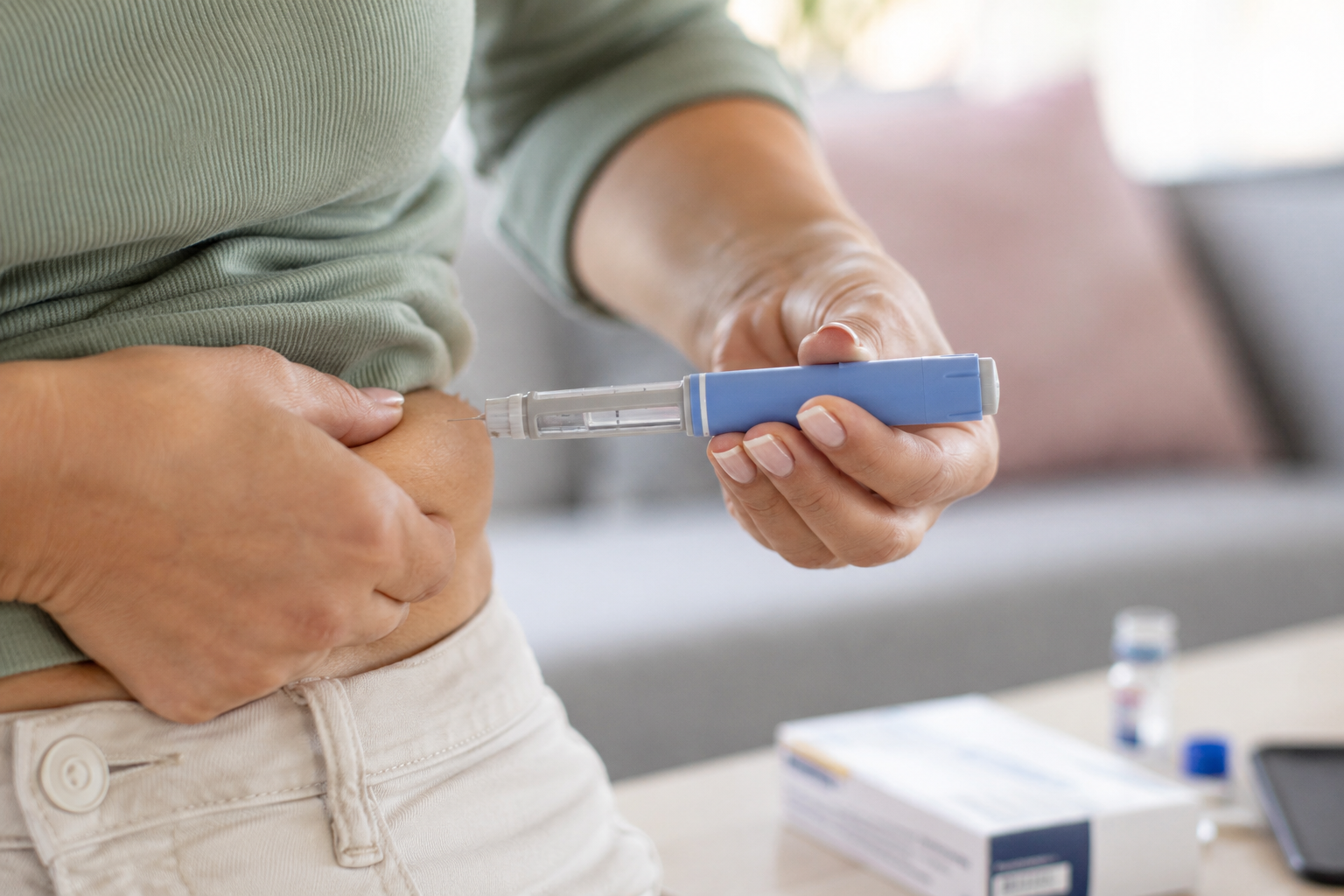
A diagnosis of type 2 diabetes usually comes with a list of new medications and a quiet hope that one of them might also help with the number on the scale. That hope is not misplaced. Several diabetes medications for weight loss have turned out to do double duty, lowering blood sugar while also helping people drop a meaningful amount of body weight along the way.
Not every diabetes drug works this way. Some are weight neutral and a few can even cause weight gain. But a handful of medication classes have changed how doctors think about treating diabetes and excess weight at the same time, and the results from clinical trials have been hard to ignore.
This guide breaks down which diabetes medications actually support weight loss, how each one works, and what to expect if your doctor brings one of these up at your next appointment.
Why Some Diabetes Medications Lead to Weight Loss
Blood sugar and body weight are more connected than most people realize. Insulin resistance, the hallmark of type 2 diabetes, often pushes the body to store extra fat. Some older diabetes medications worked by raising insulin levels even further, which helped blood sugar but frequently packed on extra pounds in the process.
Newer drug classes take a different approach. Instead of just pushing more insulin into the bloodstream, they work on appetite, digestion speed, and how the kidneys handle sugar. That shift in mechanism is exactly why certain diabetes medications for weight loss have become so widely discussed over the past few years.
1. GLP-1 Receptor Agonists
GLP-1 receptor agonists are probably the most known diabetes medications connected to weight loss right now. They mimic a natural gut hormone called glucagon-like peptide-1, which signals fullness to the brain, slows down how fast food leaves the stomach, and helps the pancreas release insulin only when blood sugar is actually high.
Common names in this class include semaglutide, sold for diabetes under the brand Ozempic, and liraglutide, sold for diabetes under the brand Victoza. Clinical studies have shown average weight loss in the range of 10 to 15 percent of starting body weight for people using higher dose GLP-1 medications over many months, although individual results vary quite a bit.
The appeal of this class is that people often describe feeling satisfied with smaller meals rather than feeling like they are constantly white knuckling through hunger. Many people also notice fewer cravings for sugary or highly processed foods once their dose stabilizes.
2. Dual GIP and GLP-1 Agonists
Tirzepatide, sold for diabetes under the brand Mounjaro, takes things a step further by acting on two hormone pathways instead of one. Alongside GLP-1, it also activates GIP receptors, which play their own role in metabolism and blood sugar regulation.
This dual mechanism tends to produce stronger weight loss results compared to GLP-1 only medications. Some clinical trials have shown average weight reduction climbing past 15 percent of starting body weight at higher maintenance doses. For people managing both diabetes and a significant amount of excess weight, this class has quickly become one of the most effective diabetes medications for weight loss available today.
3. SGLT2 Inhibitors
SGLT2 inhibitors work in a completely different way. Rather than touching appetite hormones, they block the kidneys from reabsorbing glucose, which means extra sugar gets flushed out through urine instead of staying in the bloodstream.
Losing that sugar through urine also means losing calories, which is part of why this class tends to come with modest weight loss, usually a few pounds rather than the larger numbers seen with GLP-1 medications. Common names include empagliflozin and dapagliflozin.
SGLT2 inhibitors are frequently paired with a GLP-1 medication for people who need both stronger blood sugar control and additional support with weight. The two classes work through different pathways, so combining them often produces better results than either one alone, along with added benefits for heart and kidney health.
4. Metformin
Metformin is usually the first medication prescribed for type 2 diabetes, and it remains one of the most affordable options available. Unlike GLP-1 medications or SGLT2 inhibitors, metformin is not approved specifically for weight loss, but many people do lose a small amount of weight while taking it, often in the range of a few pounds over several months.
Metformin works mainly by reducing how much glucose the liver produces and improving how the body responds to insulin. It will not produce dramatic weight loss on its own, but it is frequently used alongside other medications as part of a broader treatment plan.
Medications That Are Sometimes Combined for Better Results
Doctors increasingly look at how diabetes medications work together rather than relying on just one. A few common pairings include:
- Metformin plus a GLP-1 medication, which combines a low cost foundation with stronger appetite and blood sugar control.
- An SGLT2 inhibitor plus a GLP-1 medication, which tends to add a bit of extra weight loss along with cardiovascular and kidney protection.
- Reducing or stopping insulin once a GLP-1 medication is introduced, since many people need significantly less insulin once appetite and blood sugar improve.
Any changes to an existing diabetes medication routine should always go through a healthcare provider, since stopping or reducing insulin too quickly can cause blood sugar swings.
What to Expect When Starting One of These Medications
Most of these medications, especially GLP-1 and dual agonist options, start at a low dose that increases gradually over several weeks. This slow titration helps the body adjust and reduces the chance of nausea, which is the most commonly reported side effect early on.
Weight loss tends to build steadily over months rather than happening all at once. People who pair their medication with steady habits around protein intake, regular movement, and consistent sleep generally report smoother progress than those relying on medication alone.
For people who do not have a type 2 diabetes diagnosis but still want access to GLP-1 or dual agonist medications for weight management, programs like TrimRx connect patients with licensed providers who can evaluate eligibility for compounded semaglutide or tirzepatide as part of a personalized weight loss plan.
Conclusion
Several diabetes medications for weight loss have genuinely changed what people can expect from treatment. GLP-1 receptor agonists and dual GIP and GLP-1 agonists tend to produce the most noticeable results, SGLT2 inhibitors add modest weight loss along with other health benefits, and metformin remains a reliable, low cost foundation for many treatment plans.
The right combination depends on individual health history, current medications, and how your body responds, which is exactly why these decisions work best with a healthcare provider involved rather than guesswork alone.
Frequently Asked Questions
1. Which diabetes medication causes the most weight loss?
Tirzepatide, a dual GIP and GLP-1 agonist, has shown the strongest average weight loss in clinical trials, often exceeding 15 percent of starting body weight at higher doses.
2. Does metformin help with weight loss?
Metformin is not approved specifically for weight loss, but many people lose a modest amount of weight while taking it, usually just a few pounds over time.
3. Can SGLT2 inhibitors help you lose weight?
Yes, though the effect is generally modest compared to GLP-1 medications. Weight loss happens because excess sugar and the calories it carries are flushed out through urine.
4. Are GLP-1 medications only for people with diabetes?
No. While many GLP-1 medications were originally developed for type 2 diabetes, some are also approved specifically for weight management in people without diabetes.
5. Can diabetes medications be combined for better weight loss?
Yes. Combinations like an SGLT2 inhibitor with a GLP-1 medication, or metformin with a GLP-1 medication, are common and often improve both blood sugar control and weight loss.
6. How long does it take to see weight loss results on these medications?
Most people notice gradual changes over several months rather than immediate results, since doses are increased slowly to reduce side effects.
7. Do diabetes medications for weight loss have side effects?
Nausea, mild digestive discomfort, and reduced appetite are the most common side effects, especially during the first few weeks of treatment or dose increases.

Transforming Lives, One Step at a Time
Keep reading

What to Do With a Full Pantry You No Longer Eat From
Sort it into three piles rather than clearing it all out: donate, keep, and discard. The mistake most people make is emptying the whole…

How to Handle a Business Dinner When the Client Orders for the Table
This is the one dining situation where your usual tools do not work. You cannot order a starter as your main, cannot ask for…

How to Handle Group Dinners Where Everyone Shares Plates
Shared dining is generally easier than a fixed plate, not harder, and it is worth going in with that framing. When everyone is taking…


