Can You Lose Weight on 25 Units of Tirzepatide
Introduction
Standing in front of the mirror or stepping on the scale after your first few doses of a new medication can bring a mix of hope and anxiety. If you have recently started your journey with tirzepatide, you might be looking at your syringe and wondering if 25 units is enough to actually move the needle. Many individuals starting a medical weight loss program feel a sense of urgency to see immediate results, but clinical progress often looks different than we expect. At TrimRx, we believe that understanding the science behind your dosage is the first step toward a successful, sustainable transformation. This post covers how tirzepatide works in the body, what “25 units” typically means in terms of milligrams, and what the research says about weight loss at this initial stage. Our goal is to help you navigate your treatment with clarity and confidence as you work toward your health goals.
Understanding Tirzepatide and the Meaning of Units
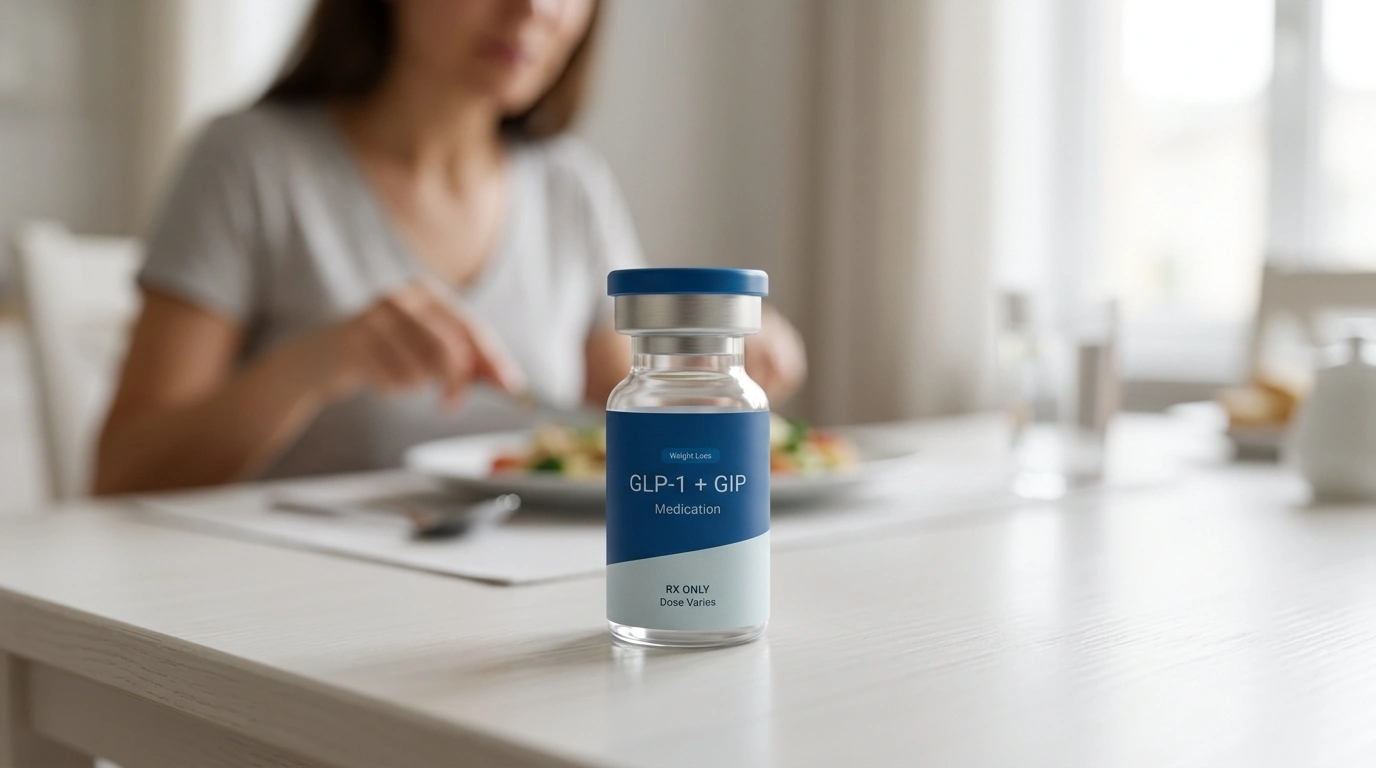
Tirzepatide is a relatively new type of medication known as a dual GIP and GLP-1 receptor agonist. To understand what that means, think of it as a key that fits into two different locks in your body. The first lock is the glucagon-like peptide-1 (GLP-1) receptor, which helps regulate appetite and slows down how quickly food leaves your stomach. The second lock is the glucose-dependent insulinotropic polypeptide (GIP) receptor, which helps the body process sugar and may improve how fat cells store energy.
When people ask about “25 units,” they are usually referring to the volume of liquid measured in a standard insulin syringe, often used with compounded versions of the medication. It is vital to understand that “units” and “milligrams” (mg) are not the same thing. Units measure the volume of the liquid, while milligrams measure the actual strength or amount of the medication within that liquid.
In many common concentrations provided by FDA-registered compounding pharmacies, 25 units on a syringe is equivalent to 2.5 mg of tirzepatide. This 2.5 mg amount is widely recognized as the standard starting dose for this medication. It is designed to introduce the medicine to your system gently, allowing your body to adapt before moving to higher, more therapeutic levels. For a closer look at how syringe measurements and concentrations can vary, review this tirzepatide dosage chart and unit conversion guide.
Can You Lose Weight on a 25-Unit Starter Dose?
The short answer is yes, it is possible to lose weight on 25 units of tirzepatide, but it is not the primary goal of this specific dose. Because 25 units (usually 2.5 mg) is the “loading” or “induction” dose, its main job is to help your body get used to the hormonal changes the medication triggers.
Some individuals are “super-responders.” These people may notice a significant decrease in “food noise”—the constant intrusive thoughts about eating—almost immediately. For them, 25 units might lead to several pounds of weight loss in the first month as their calorie intake naturally drops. However, many others may not see a change on the scale until they transition to 50 units (5 mg) or higher.
Key Takeaway: The 25-unit dose is primarily meant to prime your metabolic pathways and minimize side effects, rather than to serve as the final weight loss dose.
If you are not seeing rapid weight loss in the first four weeks, it does not mean the medication isn’t working. Your body is undergoing internal shifts in insulin sensitivity and gastric emptying that lay the foundation for more significant progress in the coming months. You can also learn more about what to expect from the tirzepatide starting dose.
The Science of Dosing and Titration
Clinical trials, such as the SURMOUNT studies, have provided a roadmap for how tirzepatide should be used. These trials looked at higher doses—specifically 5 mg, 10 mg, and 15 mg—and found that weight loss generally increases as the dose increases.
Participants in these studies who reached the 15 mg dose lost an average of over 20% of their body weight over 72 weeks. It is important to note that these participants all started at the 2.5 mg (25 unit) level for the first four weeks. This process of slowly increasing the dose is called titration. For additional context, explore this guide to the standard tirzepatide titration schedule.
Why Titration Matters:
- Safety: It reduces the risk of severe gastrointestinal issues.
- Adaptation: It allows your brain and gut to sync up with the new hormonal signals.
- Sustainability: It helps prevent the “crash” that can come from losing weight too quickly without metabolic support.
Most providers follow a schedule where the dose increases every four weeks. If you are on 25 units now, your provider will likely evaluate your progress and side effects before deciding to move you to 50 units (5 mg). At TrimRx, we emphasize that this journey is a marathon, not a sprint, and following the titration schedule is essential for long-term success. If you are considering a prescription program, you can complete a free eligibility assessment.
Factors That Influence Weight Loss at Lower Doses
While the medication is a powerful tool, it does not exist in a vacuum. Several factors can influence whether you see results on your initial 25-unit dose.
1. Metabolic Starting Point Everyone’s biology is unique. An individual with significant insulin resistance or type 2 diabetes may find that their body uses the initial doses to stabilize blood sugar before it begins to prioritize fat burning. Conversely, someone with fewer metabolic complications might see weight loss sooner.
2. Nutritional Choices Tirzepatide makes it easier to eat less, but what you eat still matters. Focusing on high-protein foods and fiber can enhance the feeling of fullness. Protein is especially important because it helps protect your muscle mass while you lose body fat.
3. Physical Activity Even light activity, like walking 30 minutes a day, can improve the medication’s effectiveness. Exercise makes your cells more sensitive to insulin, which complements the way tirzepatide works in the body.
4. Hydration and Sleep The medication can change your thirst signals. Dehydration can sometimes be mistaken for hunger or lead to fatigue. Similarly, poor sleep can raise cortisol levels, which may hinder weight loss even when you are taking medication.
How to Get Started with a Personalised Program
Starting a weight loss journey can feel overwhelming, especially with the various dosing terms and medication options available today. We focus on making this process as straightforward and supportive as possible through our telehealth platform.
Step 1: Complete the Free Assessment The first step is a comprehensive online health quiz. This allows us to understand your medical history, your current BMI, and your specific weight loss goals. This information is vital for determining if a GLP-1 or dual-agonist medication is right for you. To begin, take the free assessment quiz.
Step 2: Consultation with a Provider If you are eligible, you will be connected with a licensed healthcare provider. They will review your assessment and, if appropriate, write a prescription tailored to your needs. This is the stage where your starting dose—often 25 units—is established.
Step 3: Medication Delivered to Your Door Once your program is set, the medication is shipped directly from an FDA-registered, inspected compounding pharmacy to your home. There are no waiting rooms or pharmacy lines involved.
Step 4: Ongoing Support and Titration As you complete your first month at 25 units, you will have access to our team to discuss your progress. We help you manage the transition to higher doses and provide guidance on nutrition and lifestyle to ensure you are getting the most out of your program.
Managing Potential Side Effects
One of the reasons the 25-unit dose is so small is to manage the transition and minimize side effects. Because tirzepatide slows down digestion, the most common issues are related to the stomach. This tirzepatide side effects management guide provides additional information about common symptoms and practical support strategies.
- Nausea: This is the most frequently reported side effect. It often improves as your body becomes accustomed to the medication.
- Diarrhea or Constipation: Changes in digestion speed can affect bowel habits. Increasing fiber and water intake often helps.
- Heartburn: Eating smaller, more frequent meals rather than large portions can reduce acid reflux.
- Fatigue: As your body adjusts to a lower calorie intake, you may feel tired. Prioritizing sleep and hydration is key.
Note: If you experience severe abdominal pain, persistent vomiting, or signs of an allergic reaction, you should contact a healthcare professional immediately.
Most patients find that these side effects are mild and manageable, especially at the starting dose. Many people report that the benefits of reduced appetite and improved energy far outweigh the temporary discomfort of the adjustment period.
The Role of Supplements in Your Journey
While tirzepatide handles the heavy lifting of appetite regulation, your body may need extra support to function at its best during rapid weight loss. This is where targeted supplements can play a role.
For example, a daily support supplement can help replenish essential nutrients that you might miss when eating smaller portions. Our GLP-1 Daily Support supplement is designed to work alongside your medication to maintain energy levels and support digestive health. Additionally, Weight Loss Boost supplement can provide metabolic support for those who feel they have hit a temporary plateau.
These products do not require a prescription and are available for immediate purchase. They are excellent tools for those who want to ensure their body has everything it needs while the medication works on the hormonal level.
Compounded vs. Branded Medications
It is important to understand the landscape of tirzepatide options. You may have heard of branded medications like Mounjaro® or Zepbound®. These are FDA-approved medications manufactured by Eli Lilly and Company. While highly effective, they can sometimes be difficult to access due to supply shortages or insurance hurdles.
Compounded tirzepatide is an alternative that many patients choose for its flexibility and availability. Compounded medications are prepared by licensed pharmacists in FDA-registered and inspected facilities. They are often “compounded” with other ingredients, such as Vitamin B12, to help with energy levels.
Important: Compounded medications are not FDA-approved. However, they are a legal and common way for patients to access necessary treatments when branded versions are unavailable or when a customized dose is required.
At TrimRx, we connect you with providers who can help you decide which path is best for your health and your budget. We prioritize transparency, ensuring you know exactly what you are taking and where it comes from. You can review your potential eligibility for a personalized program.
Why Personalization Matters
No two bodies are exactly alike, and a “one-size-fits-all” approach rarely works for long-term weight management. This is why our platform emphasizes personalized programs. Your dose, your nutritional needs, and your rate of progress are unique to you.
We believe that medical weight loss should be more than just a prescription. It should be a partnership. By combining clinical expertise with 24/7 access to specialists and a dedicated support team, we help you stay on track even when the journey gets challenging. Whether you stay on 25 units for an extra month or move up the titration schedule quickly, our focus remains on your safety and your results.
Bottom line: 25 units is a starting point, a “test drive” for your metabolism that prepares you for the more powerful doses to come.
Success Beyond the Scale
While the primary question is often about losing weight, the benefits of tirzepatide frequently extend beyond the numbers on the scale. Many patients report:
- Improved Mobility: As inflammation decreases and weight drops, moving becomes easier and less painful.
- Better Mood: Resolving the “food noise” can reduce the mental burden of dieting, leading to a more positive outlook.
- Increased Confidence: Taking a proactive step toward your health can be a powerful boost to self-esteem.
- Healthier Markers: Even at lower doses, some individuals see improvements in blood sugar levels and blood pressure.
Focusing on these “non-scale victories” can help keep you motivated during the initial weeks on 25 units when the weight loss might be slower than you hoped.
Conclusion
Losing weight on 25 units of tirzepatide is possible, but it is best viewed as the beginning of a long-term metabolic shift. This initial dose serves as a vital bridge, allowing your body to adapt to dual-agonist therapy with minimal discomfort. Real success comes from combining this science-backed medication with a personalized program that includes nutritional support, lifestyle changes, and professional guidance. Our mission is to provide you with the tools and empathy needed to turn your health goals into a reality. If you are ready to see what a personalized, medically supervised plan can do for you, the best first step is to take our free assessment quiz to explore your options.
FAQ
Is 25 units of tirzepatide enough to see results?
For many people, 25 units (typically 2.5 mg) is a starting dose meant to help the body adjust to the medication. While some “super-responders” lose weight immediately, most people see more significant results as they move to higher doses like 5 mg or 10 mg. The primary goal of this initial phase is to reduce the risk of side effects while beginning to regulate your appetite. For more detail, read this explanation of the tirzepatide starting dose.
How many milligrams are in 25 units of tirzepatide?
In the most common concentrations used by compounding pharmacies (such as 10 mg per mL), 25 units on a standard syringe is equivalent to 2.5 mg of the medication. However, concentrations can vary between different pharmacies, so it is essential to follow the specific instructions provided by your healthcare provider and check the label on your vial. This guide to tirzepatide unit conversions explains why the concentration matters.
What should I do if I am not losing weight on 25 units?
Do not be discouraged if the scale does not move significantly in the first four weeks. This is a loading dose designed for safety and acclimation. Use this time to focus on establishing healthy habits, such as increasing protein intake and staying hydrated, and discuss a dose increase with your provider at your next check-in.
Can I stay on 25 units if I am already losing weight?
If you are seeing consistent weight loss and experiencing a significant reduction in appetite on 25 units, your provider may decide to keep you at that dose longer. The goal is to find the lowest effective dose that helps you reach your goals while minimizing side effects. Always consult with your clinical team before making any changes to your prescribed schedule.
Disclaimer: This content is for informational purposes only and does not constitute medical advice. It is not intended to diagnose, treat, cure, or prevent any disease or condition. Individual results may vary. Always consult a qualified healthcare professional before starting any weight loss program or medication.

Transforming Lives, One Step at a Time
Keep reading

Hormone Replacement Therapy and Tirzepatide: Is There an Interaction?
The question that matters is whether your hormone therapy is oral or transdermal, because that determines whether the one plausible interaction applies to you….

Can You Build Muscle While Losing Weight on Tirzepatide?
Possible for some people and unlikely for others, and the difference is mostly about where you are starting from. Someone new to resistance training…

Anxiety Around Food Got Worse on Tirzepatide, Not Better
Most people expect appetite suppression to make eating simpler. For a meaningful number it does the opposite, and there are four identifiable reasons why….


