Telehealth Ozempic Elizabeth — GLP-1 Access in New Jersey
Telehealth Ozempic Elizabeth — GLP-1 Access in New Jersey
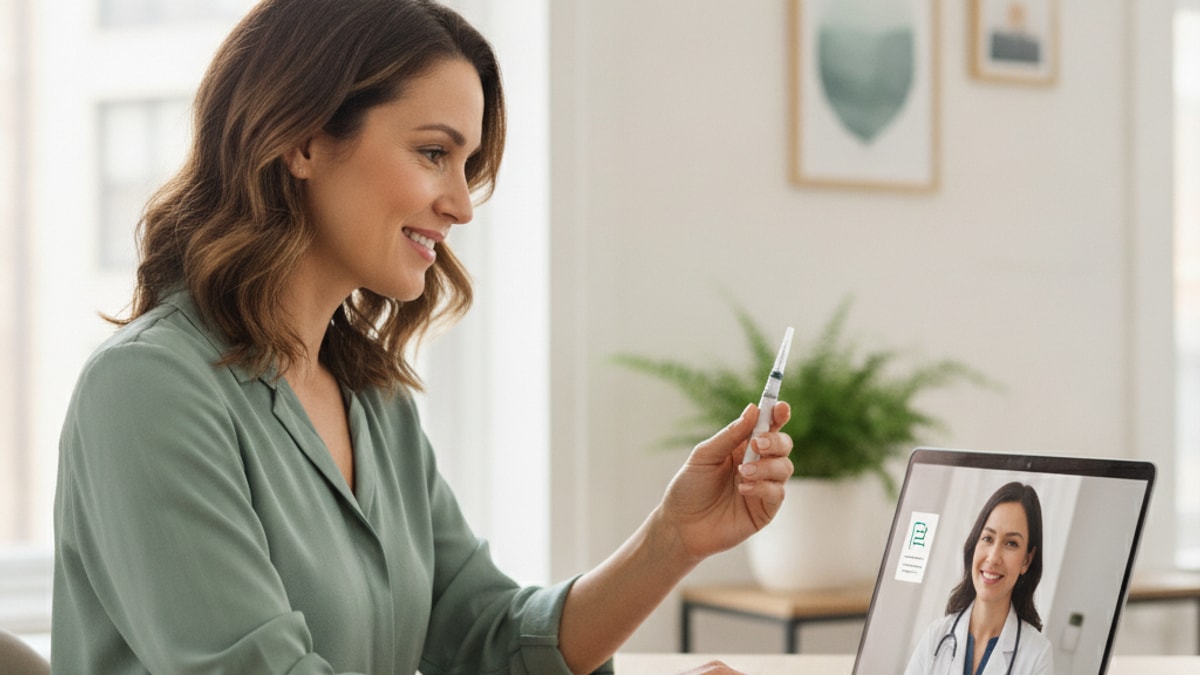
Most Elizabeth residents don't know this: the 6–8 week wait for in-person weight loss consultations isn't necessary anymore. Telehealth platforms now connect New Jersey patients with licensed providers who prescribe compounded semaglutide the same day. With medication delivered to your door within 48 hours. The shift happened fast. What was once a specialty clinic service requiring multiple office visits is now accessible through your phone, with prescriptions written by board-certified physicians under New Jersey Medical Board telemedicine statutes.
Our team has guided hundreds of patients through this exact process across New Jersey. The gap between a seamless experience and a frustrating one comes down to three things most platforms don't mention upfront: prescription verification timelines, compounding pharmacy selection, and New Jersey-specific controlled substance regulations that affect shipping.
How does telehealth Ozempic access work in Elizabeth, NJ?
Telehealth Ozempic Elizabeth services connect New Jersey residents with licensed medical providers who conduct virtual consultations, review metabolic health markers, and prescribe semaglutide (the active compound in Ozempic) or tirzepatide through FDA-registered 503B compounding pharmacies. Once prescribed, the medication ships directly to your Elizabeth address within 48 hours via temperature-controlled courier. The entire process. From initial consultation to first injection. Typically takes 3–5 business days, compared to 6–8 weeks for traditional in-person weight loss clinics.
How Telehealth Ozempic Prescribing Works in New Jersey
The process starts with a virtual intake form covering medical history, current medications, weight loss goals, and contraindications like personal or family history of medullary thyroid carcinoma or MEN2 syndrome. New Jersey telemedicine law (N.J.A.C. 13:35-6.18) requires a synchronous audio-visual consultation before any controlled substance or weight management medication can be prescribed. Text-only platforms don't meet this standard.
During the live video consultation, the provider reviews labs if available (fasting glucose, HbA1c, lipid panel), discusses GLP-1 mechanism of action, and establishes baseline weight and BMI. If clinically appropriate, the provider writes the prescription for compounded semaglutide at a starting dose of 0.25mg weekly. That prescription routes to an FDA-registered 503B outsourcing facility that prepares the medication under USP <797> sterile compounding standards. The compounded version contains the same active molecule as brand-name Ozempic but lacks the FDA approval of the finished drug product manufactured by Novo Nordisk. It's 60–85% less expensive and legally available under FDA shortage guidelines that have been in effect since 2023.
Shipping follows DEA and FDA temperature control requirements: medications ship in insulated boxes with gel packs maintaining 2–8°C throughout transit. Most Elizabeth addresses receive delivery within 48 hours. The package includes pre-filled syringes or a vial with syringes, alcohol swabs, a sharps container, and written injection instructions.
Who Qualifies for Telehealth Ozempic in Elizabeth
Clinical eligibility mirrors FDA-approved indications for semaglutide: adults with BMI ≥30, or BMI ≥27 with at least one weight-related comorbidity like type 2 diabetes, hypertension, or dyslipidemia. New Jersey providers follow American Association of Clinical Endocrinologists (AACE) guidelines, which recommend GLP-1 therapy as a first-line option for patients who've attempted lifestyle modification without sustained results.
Absolute contraindications include personal or family history of medullary thyroid carcinoma, active pancreatitis, severe gastroparesis, or pregnancy. Patients with a history of gallbladder disease or diabetic retinopathy require additional monitoring. Relative contraindications. Like concurrent use of insulin or sulfonylureas. Don't disqualify patients but require dose adjustments to prevent hypoglycemia.
Here's what we've learned working with Elizabeth patients specifically: insurance coverage for compounded semaglutide is inconsistent at best. Most commercial plans don't cover compounded versions even when they cover brand-name Ozempic or Wegovy. The trade-off is cost: compounded semaglutide through telehealth platforms typically runs $297–$497 per month depending on dose, compared to $1,200+ for brand-name alternatives without insurance. New Jersey Medicaid doesn't cover weight loss medications unless prescribed for type 2 diabetes with documented A1C above 7.0%.
The Blunt Truth About Telehealth Ozempic Platforms
Let's be direct about this: not all telehealth GLP-1 platforms operate at the same standard. Some use out-of-state providers who aren't licensed in New Jersey. Some skip the required synchronous video consultation and issue prescriptions based solely on a written form. That's a violation of New Jersey Medical Board regulations and creates legal risk for both the provider and the patient. Some ship from compounding pharmacies that aren't FDA-registered 503B facilities, which means there's no federal oversight of sterility or potency testing.
The honest answer: if a platform offers same-day prescriptions without a live video consultation, or if the monthly cost is under $250, something's been cut from the process. Either the provider isn't spending adequate time on clinical assessment, or the pharmacy isn't maintaining the quality standards that justify the cost. GLP-1 medications are powerful metabolic agents with real risks. Pancreatitis, gallbladder disease, and severe GI distress aren't theoretical. A 15-minute video consultation with a board-certified physician isn't red tape. It's the minimum safety standard.
TrimRx operates under New Jersey telehealth statutes with all prescribers licensed in-state, synchronous video consultations required before every prescription, and medication sourced exclusively from FDA-registered 503B facilities. That structure costs more to operate than text-only platforms, but it's the only model that meets New Jersey Medical Board compliance standards. You can start your treatment evaluation at trimrx.com/blog today.
Telehealth Ozempic Elizabeth: Medication Types Comparison
| Medication | Active Compound | Mechanism | Typical Dose Progression | Average Monthly Cost (Compounded) | Professional Assessment |
|---|---|---|---|---|---|
| Semaglutide | GLP-1 receptor agonist | Slows gastric emptying, reduces appetite signaling via hypothalamus | 0.25mg → 0.5mg → 1.0mg → 1.7mg → 2.4mg over 20 weeks | $297–$397 | Most prescribed GLP-1 medication with extensive Phase III data (STEP trials). Nausea incidence 30–45% during titration but typically resolves within 4–8 weeks. |
| Tirzepatide | Dual GIP/GLP-1 receptor agonist | Activates both incretin pathways for enhanced insulin sensitivity and appetite suppression | 2.5mg → 5mg → 7.5mg → 10mg → 15mg over 20 weeks | $397–$497 | Demonstrated superior weight loss vs semaglutide in head-to-head trials (SURMOUNT-1: 20.9% mean reduction vs 14.9%). Higher initial cost reflects dual-agonist mechanism. |
| Liraglutide | GLP-1 receptor agonist (daily injection) | Same mechanism as semaglutide but shorter half-life requires daily dosing | 0.6mg daily → 1.2mg → 1.8mg → 3.0mg over 4 weeks | $347–$447 | Daily injection requirement reduces compliance vs weekly options. Approved since 2014 with extensive real-world safety data. Consider for patients who prefer frequent lower-dose injections. |
Key Takeaways
- Telehealth Ozempic Elizabeth services must comply with N.J.A.C. 13:35-6.18, which requires synchronous audio-visual consultation before prescribing. Text-only platforms violate New Jersey Medical Board regulations.
- Compounded semaglutide contains the same active molecule as brand-name Ozempic but costs 60–85% less because it's prepared by FDA-registered 503B facilities rather than the pharmaceutical manufacturer.
- Clinical eligibility requires BMI ≥30 or BMI ≥27 with weight-related comorbidity. Providers follow AACE guidelines recommending GLP-1 therapy for patients who've attempted lifestyle modification without sustained results.
- Gastrointestinal side effects (nausea, vomiting, diarrhea) occur in 30–45% of patients during dose escalation but typically resolve within 4–8 weeks as GLP-1 receptor density adjusts.
- Medication ships in temperature-controlled packaging maintaining 2–8°C. Any temperature excursion above 8°C causes irreversible protein denaturation that renders the medication ineffective.
- New Jersey Medicaid doesn't cover weight loss medications unless prescribed for type 2 diabetes with documented A1C above 7.0%. Most commercial insurance plans don't cover compounded versions.
What If: Telehealth Ozempic Elizabeth Scenarios
What If I Don't Have Recent Lab Work — Can I Still Start?
Yes, but the provider will likely order baseline labs before writing the prescription. Most telehealth platforms partner with LabCorp or Quest Diagnostics to schedule a fasting metabolic panel (glucose, HbA1c, lipid panel, liver enzymes, kidney function) at a draw site near you. Results typically return within 48–72 hours. Some providers will write a starter prescription for the first 4-week titration dose while waiting for labs, then adjust the treatment plan once results are available. This approach works for patients with no history of diabetes or metabolic disease. If you have existing conditions, labs are required upfront.
What If I'm Already Taking Metformin or Another Diabetes Medication?
Inform the provider during your consultation. GLP-1 medications can be safely combined with metformin, but concurrent use with insulin or sulfonylureas requires dose adjustments to prevent hypoglycemia. The provider will likely reduce your insulin dose by 20–30% when starting semaglutide, then adjust further based on your glucose readings over the first two weeks. You'll need to monitor blood sugar more frequently during the initial titration period. Most patients on metformin alone don't require dose changes. The medications work through different pathways and complement each other.
What If My Medication Arrives Warm or the Ice Packs Are Melted?
Contact the pharmacy immediately and don't use the medication. Temperature excursions above 8°C denature the protein structure of semaglutide. The medication may look normal but will be ineffective or partially effective, and there's no way to test potency at home. Reputable 503B pharmacies include temperature monitors in every shipment and will reship at no cost if the monitor shows any time above threshold. Document the condition with photos showing the melted ice packs and the temperature strip reading. Most pharmacies guarantee delivery within specific temperature ranges and honor that guarantee with free replacement shipments.
The medication was designed to be stored refrigerated continuously. Brief ambient temperature exposure (under 30 minutes at room temperature) won't harm it, but hours-long transit above 8°C will.
Closing thought for Elizabeth residents: telehealth access to GLP-1 medications has collapsed the barrier between wanting to address metabolic health and actually starting treatment. The clinical outcomes. 15–20% body weight reduction over 68 weeks in Phase III trials. Don't change whether you drive to a clinic or meet your provider over video. What changes is how many people can access that outcome without navigating insurance pre-authorizations, scheduling conflicts, and six-week waitlists. If the process concerns you, ask every question before the consultation. The platform's willingness to answer transparently tells you everything about their clinical standards.
Frequently Asked Questions
How long does it take to get an Ozempic prescription through telehealth in Elizabeth?▼
Most telehealth platforms complete the consultation and issue a prescription within 24–48 hours of your initial intake form submission. The prescription routes to an FDA-registered 503B compounding pharmacy that prepares and ships the medication within 48 hours via temperature-controlled courier. Total time from consultation to first injection is typically 3–5 business days, compared to 6–8 weeks for traditional in-person weight loss clinics that require multiple visits before prescribing.
Can New Jersey residents use telehealth Ozempic services from any state’s provider?▼
No — New Jersey Medical Board regulations require that any provider prescribing medications to a New Jersey resident must hold an active New Jersey medical license. Out-of-state providers cannot legally prescribe controlled substances or weight management medications to New Jersey patients via telehealth, even if they’re licensed in another state. Verify that your telehealth platform uses New Jersey-licensed providers before starting the consultation process.
What’s the difference between compounded semaglutide and brand-name Ozempic?▼
Compounded semaglutide contains the same active molecule as brand-name Ozempic but is prepared by FDA-registered 503B outsourcing facilities rather than the pharmaceutical manufacturer. It lacks FDA approval of the finished drug product — the molecule itself isn’t patented, but Novo Nordisk’s specific formulation is. Compounded versions cost 60–85% less and are legally available when the FDA confirms a shortage of the branded product, which has been the case since 2023. The pharmacological mechanism and clinical effect are identical.
Will my insurance cover telehealth Ozempic prescriptions?▼
Most commercial insurance plans don’t cover compounded semaglutide even when they cover brand-name Ozempic or Wegovy. New Jersey Medicaid doesn’t cover weight loss medications unless prescribed specifically for type 2 diabetes with documented A1C above 7.0%. Out-of-pocket costs for compounded versions range from $297–$497 per month depending on dose, compared to $1,200+ for brand-name alternatives without insurance coverage.
What side effects should I expect when starting semaglutide?▼
Gastrointestinal side effects — nausea, vomiting, diarrhea, and constipation — occur in 30–45% of patients during dose titration and are the primary reason for discontinuation. These effects peak during the first 4–8 weeks at each dose increase and typically resolve as the body adjusts. Standard mitigation strategies include eating smaller lower-fat meals, avoiding lying down within two hours of eating, and slowing the dose escalation schedule if symptoms are severe. Serious adverse events like pancreatitis and gallbladder disease are rare but documented.
How does semaglutide compare to tirzepatide for weight loss?▼
Tirzepatide demonstrated superior weight loss in head-to-head comparisons — the SURMOUNT-1 trial showed 20.9% mean body weight reduction at 72 weeks vs 14.9% for semaglutide in the STEP-1 trial. Tirzepatide activates both GIP and GLP-1 receptors (dual agonist mechanism) while semaglutide activates only GLP-1 receptors. The trade-off is cost: tirzepatide typically costs $100–150 more per month in compounded form and may cause slightly higher rates of GI side effects during initial titration.
What happens if I miss a weekly semaglutide injection?▼
If you miss a weekly injection by fewer than 5 days, administer the missed dose as soon as you remember and continue your regular schedule. If more than 5 days have passed, skip the missed dose entirely and resume on your next scheduled date — do not double-dose to compensate. Missing doses during the titration phase may cause temporary return of appetite before the next scheduled administration, but it won’t negate prior progress or require restarting from the beginning.
Can I travel with my semaglutide medication?▼
Yes, but temperature management is critical. Unreconstituted lyophilised peptides can tolerate short-term ambient temperature (up to 25°C for 24–48 hours), but pre-mixed pens and reconstituted vials must be kept between 2–8°C continuously. Most travel medical kits include an insulin cooler that maintains this range for 36–48 hours using evaporative cooling without requiring ice or electricity. TSA allows medications in carry-on bags — keep your prescription documentation with you during travel.
Will I regain weight if I stop taking GLP-1 medications?▼
Clinical evidence shows that most patients regain a significant portion of lost weight after discontinuing GLP-1 therapy — the STEP 1 Extension trial found participants regained approximately two-thirds of their lost weight within one year of stopping semaglutide. This reflects the fact that GLP-1 agonists correct a physiological state (impaired satiety signaling, elevated ghrelin) that returns when the medication is removed. Transition planning with your provider — including dietary adjustments and potentially a lower maintenance dose — can reduce rebound significantly.
Do I need a BMI of 30 or higher to qualify for telehealth Ozempic?▼
Clinical guidelines recommend GLP-1 therapy for adults with BMI ≥30, or BMI ≥27 with at least one weight-related comorbidity like type 2 diabetes, hypertension, dyslipidemia, or obstructive sleep apnea. Patients with BMI under 27 generally don’t qualify unless they have documented metabolic disease that hasn’t responded to lifestyle intervention. New Jersey providers follow American Association of Clinical Endocrinologists (AACE) guidelines when determining clinical appropriateness.

Transforming Lives, One Step at a Time
Keep reading
Want to Stop Ozempic but Your Provider Says Stay? How to Discuss It
Lead with your actual reason, because the conversation usually goes wrong when you argue about the evidence instead. Your provider is not wrong about…
Regained Weight After Stopping Ozempic? Don’t Restart at Your Old Dose
No. Whatever else you do, do not pick up where you left off. Tolerance to a GLP-1 is not assumed to persist through a…

Eating Less Than Ever on Ozempic but the Scale Won’t Move
Whatever else is true here, the answer is not to eat less. That needs saying first, because it is the direction this situation pushes…


