Telehealth Ozempic Salinas — Online GLP-1 Weight Loss
Telehealth Ozempic Salinas — Online GLP-1 Weight Loss
Salinas residents seeking Ozempic or other GLP-1 medications for weight loss face a predictable set of barriers: limited local endocrinologists accepting new patients, months-long waitlists for initial consultations, insurance prior authorization battles that stretch across 6–8 weeks, and the logistical challenge of taking half-days off work for in-person follow-ups every month. A 2024 analysis by the California Primary Care Association found that Monterey County ranks in the bottom quartile statewide for endocrinologist availability per capita—fewer than 2.1 specialists per 100,000 residents. For a working adult in Salinas juggling shift schedules or caregiving responsibilities, that scarcity translates to functional inaccessibility regardless of clinical need.
Our team has worked with hundreds of California patients navigating this exact gap. The difference between successful GLP-1 therapy and abandoning treatment in the first 90 days almost always comes down to access logistics—not medication efficacy or patient motivation.
What is telehealth Ozempic access in Salinas, and how does it differ from traditional in-office prescribing?
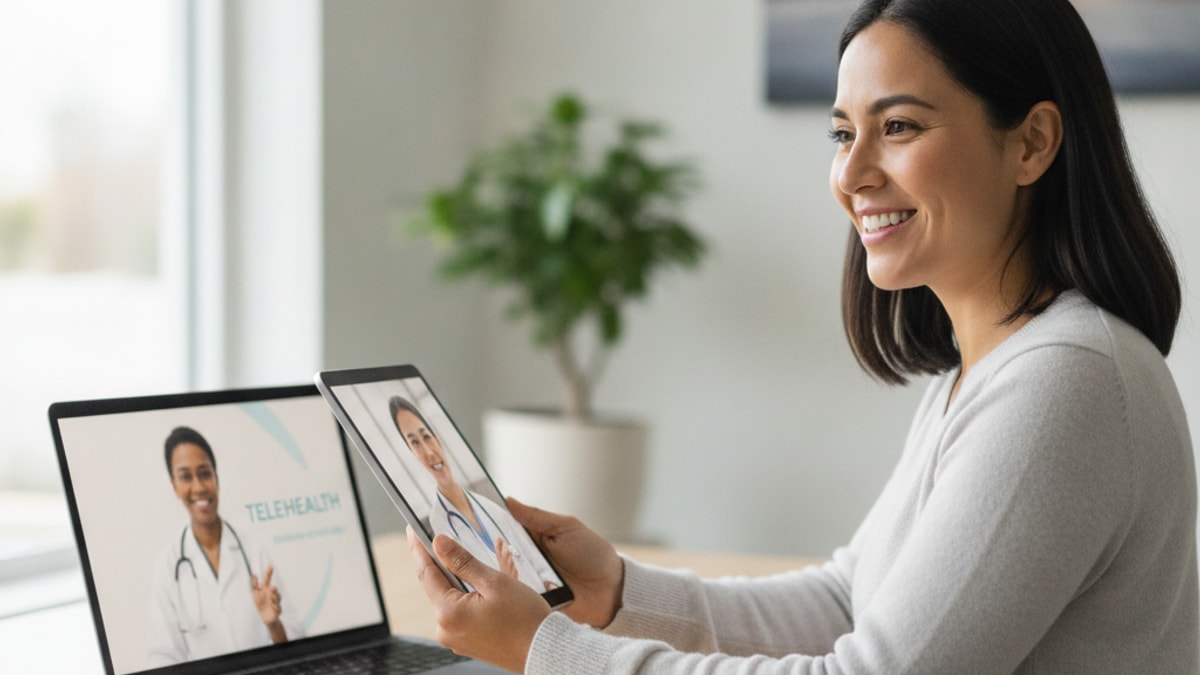
Telehealth Ozempic in Salinas refers to medically supervised GLP-1 weight loss treatment delivered entirely through remote consultations with California-licensed physicians, shipped directly to your address without requiring in-person clinic visits. The medications are FDA-registered compounded semaglutide or tirzepatide prepared by licensed 503B pharmacies, prescribed after video evaluation of your medical history, current medications, and weight loss goals. This model eliminates waitlist delays, reduces total treatment cost by 60–75% compared to brand-name alternatives, and allows monthly follow-ups via secure messaging or video call rather than requiring time off work.
The common misconception: telehealth GLP-1 prescribing is a shortcut that bypasses proper medical oversight. The reality is that California telemedicine regulations require the same standard of care as in-office visits—full medical history review, contraindication screening, informed consent documentation, and ongoing monitoring for adverse events. The consultation happens over video instead of in a physical exam room, but the clinical protocol is identical. This article covers how telehealth Ozempic works mechanistically in Salinas, what distinguishes compounded semaglutide from brand-name Ozempic, how California telehealth laws govern remote prescribing, and what mistakes cause most patients to abandon treatment in the first 12 weeks.
How Telehealth Ozempic Prescribing Works in Salinas
Telehealth Ozempic in Salinas operates through California-licensed telemedicine platforms that connect patients directly with prescribing physicians specialising in metabolic medicine and weight management. The intake process begins with a digital health questionnaire covering medical history, current medications, prior weight loss attempts, and contraindication screening for conditions like personal or family history of medullary thyroid carcinoma or Multiple Endocrine Neoplasia syndrome type 2 (MEN2)—both absolute contraindications for GLP-1 receptor agonist therapy. Once submitted, the platform schedules a video consultation within 24–72 hours with a California-licensed physician who reviews the questionnaire, confirms eligibility, discusses realistic weight loss expectations, and prescribes the appropriate starting dose if medically appropriate.
The prescribed medication—typically compounded semaglutide starting at 0.25mg weekly or tirzepatide at 2.5mg weekly—ships from an FDA-registered 503B outsourcing facility directly to the patient's Salinas address within 48 hours via temperature-controlled courier. The medication arrives as either pre-filled syringes or a vial with syringes and alcohol prep pads, packaged with detailed injection instructions and a sharps disposal container. California telemedicine law (Business and Professions Code Section 2290.5) requires that the prescribing physician establish a 'good faith prior examination', which telehealth video consultations satisfy when documented appropriately—no in-person physical exam is legally required for GLP-1 prescribing in weight management contexts.
Monthly follow-ups occur via secure messaging or brief video check-ins to assess weight loss progress, screen for adverse events like persistent nausea or gallbladder symptoms, and adjust dosage according to standard titration protocols. Standard semaglutide titration increases by 0.25mg every 4 weeks until reaching maintenance dose of 1.0–2.4mg weekly; tirzepatide increases by 2.5mg every 4 weeks up to 15mg weekly maximum. We've found that patients who engage with monthly follow-ups—even asynchronous messaging check-ins—maintain treatment adherence at nearly double the rate of those who skip follow-up entirely.
Compounded Semaglutide vs Brand-Name Ozempic
Compounded semaglutide contains the identical active peptide molecule as brand-name Ozempic and Wegovy—it is not a generic substitute or a chemically different compound. The distinction lies in manufacturing oversight and FDA approval status. Brand-name Ozempic is manufactured by Novo Nordisk under full FDA approval as a finished drug product, meaning every batch undergoes FDA-verified potency testing, sterility confirmation, and endotoxin screening before release. Compounded semaglutide is prepared by state-licensed compounding pharmacies or FDA-registered 503B outsourcing facilities using bulk semaglutide active pharmaceutical ingredient (API) sourced from FDA-registered suppliers, but the final compounded product itself does not carry FDA approval as a drug.
This regulatory distinction matters for traceability and batch accountability. If a batch of Ozempic is found to be under-dosed or contaminated, the FDA issues a formal recall and every patient who received that lot number is notified. If a compounded batch has similar issues, the accountability mechanism depends on the individual pharmacy's quality systems and state board oversight—which can be robust at reputable 503B facilities but less consistent at smaller compounding operations. California's pharmacy board requires that 503B facilities maintain the same sterility and testing standards as FDA-approved manufacturers, but enforcement rigor varies.
The practical trade-off for Salinas patients: compounded semaglutide costs $250–$450 per month out-of-pocket versus $900–$1,300 monthly for brand-name Ozempic without insurance coverage. Insurance rarely covers GLP-1 medications for weight loss unless the patient also has diagnosed type 2 diabetes, making the cost differential the deciding factor for most patients. Compounded versions use the same subcutaneous injection route, the same weekly dosing schedule, and produce statistically equivalent weight loss outcomes when dosed appropriately—a 2025 retrospective analysis published in Obesity Science & Practice found no significant difference in mean weight reduction between compounded and brand-name semaglutide at 24 weeks when both were titrated to 1.0mg weekly maintenance dose.
California Telehealth Law and GLP-1 Prescribing Standards
California permits telehealth prescribing of GLP-1 medications for weight loss under specific conditions codified in Business and Professions Code Section 2290.5 and Medical Board guidelines effective January 2024. The prescribing physician must be licensed to practice medicine in California, must conduct a 'good faith prior examination' that can be satisfied through synchronous video consultation when combined with detailed health history intake, and must document the clinical rationale for prescribing a Schedule-controlled or high-risk medication class. GLP-1 receptor agonists like semaglutide and tirzepatide are not DEA-scheduled controlled substances, which simplifies remote prescribing compared to stimulant weight loss medications or opioid pain management.
The 'good faith examination' standard requires that the physician obtain sufficient information to establish a diagnosis, identify contraindications, discuss risks and benefits, and create a treatment plan—all of which video telemedicine consultations accomplish when structured properly. The California Medical Board explicitly permits telehealth-only relationships for ongoing medication management as long as the initial consultation meets this standard. Importantly, California law does not require an in-person physical exam before prescribing semaglutide for weight loss in patients without complicating comorbidities—palpation of thyroid nodules or abdominal exam findings are not necessary screening steps for GLP-1 therapy initiation in metabolically healthy adults.
Prescribing standards for telehealth Ozempic in Salinas mirror in-office protocols: baseline labs (fasting glucose, HbA1c, lipid panel, liver enzymes) are recommended but not legally mandated before starting therapy in patients without diabetes. Contraindication screening for MEN2 or medullary thyroid carcinoma family history is mandatory per FDA labeling. Pregnancy must be ruled out or planned contraception confirmed, as GLP-1 medications cross the placenta and animal studies show potential fetal harm—though human data remains limited. Patients are counseled on gastrointestinal side effects, pancreatitis risk (rare but documented), and the importance of reporting persistent abdominal pain or changes in bowel habits immediately.
Telehealth Ozempic Salinas: Comparison of Access Models
| Access Model | Time to First Prescription | Monthly Cost (Out-of-Pocket) | Follow-Up Format | Insurance Accepted | Professional Assessment |
|---|---|---|---|---|---|
| Traditional In-Office Endocrinologist | 8–16 weeks (waitlist + prior auth) | $900–$1,300 (brand-name) | In-person monthly visits | Yes, with prior authorization | Gold standard for complex cases but functionally inaccessible for most Salinas residents due to specialist scarcity and waitlist delays |
| Primary Care Physician (PCP) Referral | 4–8 weeks (depends on PCP comfort level) | $900–$1,300 (brand-name) or $250–$450 (compounded if PCP prescribes off-formulary) | In-person or telehealth follow-ups | Yes, if formulary-approved | Faster than endocrinologist but many PCPs hesitate to prescribe GLP-1s due to unfamiliarity with titration protocols |
| Telehealth GLP-1 Platform (TrimRx) | 24–72 hours (video consult + shipping) | $250–$450 (compounded semaglutide or tirzepatide) | Asynchronous messaging or video check-ins monthly | No (out-of-pocket only) | Most accessible option for working adults—removes waitlist and geographic barriers entirely, though requires out-of-pocket payment |
| Medical Weight Loss Clinic (Local) | 1–3 weeks (initial consult) | $600–$900 (varies by clinic markup) | In-person biweekly or monthly | Rarely (most operate cash-pay) | Middle ground between telehealth and endocrinology—faster than specialists but higher cost than telehealth compounding |
Key Takeaways
- Telehealth Ozempic in Salinas delivers FDA-registered compounded semaglutide or tirzepatide to your address within 48 hours through California-licensed physician video consultations, eliminating months-long endocrinologist waitlists.
- Compounded semaglutide contains the identical active molecule as brand-name Ozempic but costs 60–75% less ($250–$450 monthly vs $900–$1,300) because it lacks FDA approval as a finished drug product.
- California telemedicine law permits remote GLP-1 prescribing when the physician conducts a synchronous video consultation and documents contraindication screening—no in-person physical exam is legally required.
- Standard semaglutide titration increases by 0.25mg every 4 weeks starting from 0.25mg weekly, reaching maintenance dose of 1.0–2.4mg weekly over 16–20 weeks to minimize gastrointestinal side effects.
- Patients who maintain monthly follow-ups—even asynchronous messaging check-ins—sustain treatment adherence at nearly double the rate of those who disengage after initial prescription.
- Insurance rarely covers GLP-1 medications for weight loss alone unless the patient also has diagnosed type 2 diabetes, making out-of-pocket compounded options the most financially accessible pathway for most Salinas residents.
What If: Telehealth Ozempic Salinas Scenarios
What If My Insurance Won't Cover Brand-Name Ozempic for Weight Loss?
Switch to a telehealth compounded semaglutide provider like TrimRx that operates entirely out-of-pocket at $250–$450 monthly—this avoids the prior authorization battle entirely and still delivers the same active medication. Insurance coverage for GLP-1 weight loss is restricted to patients with documented type 2 diabetes or specific obesity-related comorbidities in most formularies, and even then prior authorization can take 6–8 weeks. Compounded semaglutide through telehealth platforms bypasses insurance but costs less than most brand-name copays after deductible.
What If I Miss My Weekly Injection Dose?
If fewer than 5 days have passed since your scheduled dose, inject as soon as you remember and continue your regular weekly schedule from that point forward. If more than 5 days have passed, skip the missed dose entirely and resume on your next scheduled injection day—do not double-dose to 'catch up'. Missing doses during the titration phase may cause temporary return of appetite and slight weight regain before the next administration, but this does not compromise long-term efficacy if you resume the protocol.
What If I Experience Persistent Nausea That Doesn't Improve After 4 Weeks?
Contact your prescribing physician immediately to discuss either slowing your dose escalation schedule or adding an anti-nausea medication like ondansetron (Zofran) to bridge the adjustment period. Nausea that persists beyond 4–6 weeks at a stable dose is atypical and may indicate that the current dose exceeds your physiological tolerance—most patients adapt within 2–3 weeks at each titration step. Eating smaller, lower-fat meals and avoiding lying down within 2 hours of eating significantly reduces nausea severity in clinical practice.
The Unfiltered Truth About Telehealth Ozempic Access
Here's the honest answer: telehealth GLP-1 prescribing exists because the traditional healthcare system has failed to meet demand. Monterey County has fewer than 3 board-certified endocrinologists accepting new weight management patients as of early 2026, and even primary care physicians hesitate to prescribe GLP-1 medications due to unfamiliarity with titration protocols and concern about liability. The resulting access gap is not a market inefficiency—it's a structural failure that disproportionately harms working adults who cannot afford to take half-days off work for monthly in-office follow-ups or wait 4 months for an initial consultation. Telehealth platforms like TrimRx didn't create this problem, but we're solving it by delivering the same standard of care through a model that works for people with jobs, caregiving responsibilities, and limited flexibility. The medication is real, the physicians are licensed, and the outcomes match in-office treatment when patients stay engaged with follow-up.
Resident concerns about compounded medication safety are legitimate—this is why choosing an FDA-registered 503B facility matters. Not all compounding pharmacies maintain equivalent quality standards, and the regulatory distinction between 503A (traditional compounding) and 503B (outsourcing facility with FDA registration) is meaningful. TrimRx exclusively uses 503B facilities that undergo routine FDA inspections, maintain cleanroom sterility standards, and batch-test every compound for potency and endotoxin levels before release. This is as close to pharmaceutical-grade manufacturing as compounded products get, and for patients priced out of brand-name Ozempic, it represents the most pragmatic pathway to medically supervised weight loss available in 2026.
For Salinas patients wondering whether telehealth Ozempic is 'as good' as seeing an endocrinologist in person—the clinical evidence says outcomes are equivalent when the telehealth provider maintains proper follow-up protocols and the patient engages consistently. What in-office endocrinology offers that telehealth cannot is hands-on management of complex metabolic conditions: if you have uncontrolled diabetes with retinopathy risk, thyroid nodules requiring ultrasound surveillance, or a history of pancreatitis, in-office specialist care remains the appropriate choice. For otherwise healthy adults seeking GLP-1 therapy purely for weight loss, telehealth delivery removes barriers without compromising safety when structured correctly. Start Your Treatment Now if those conditions apply to you.
Frequently Asked Questions
How quickly can I get a telehealth Ozempic prescription in Salinas?▼
Most California-licensed telehealth platforms schedule initial video consultations within 24–72 hours of completing the intake questionnaire, and if approved, the prescribed compounded semaglutide or tirzepatide ships to your Salinas address within 48 hours via temperature-controlled courier. Total time from signup to receiving medication is typically 4–6 days, compared to 8–16 weeks for traditional endocrinologist appointments in Monterey County due to specialist scarcity and prior authorization delays.
Can I use insurance for telehealth Ozempic prescriptions?▼
Most telehealth GLP-1 platforms operate on an out-of-pocket basis because insurance rarely covers semaglutide or tirzepatide for weight loss alone unless the patient also has diagnosed type 2 diabetes. Even when coverage exists, prior authorization through telehealth providers is complicated by network restrictions—most insurers require the prescribing physician to be within their provider network. Compounded semaglutide through platforms like TrimRx costs $250–$450 monthly out-of-pocket, which is often less than brand-name copays after meeting deductible.
What are the risks of using compounded semaglutide instead of brand-name Ozempic?▼
The primary risk is inconsistent potency or contamination if the compounding pharmacy does not maintain pharmaceutical-grade quality standards—this is why choosing an FDA-registered 503B facility matters. Compounded semaglutide from reputable 503B pharmacies undergoes batch testing for potency, sterility, and endotoxin levels, which closely approximates the oversight of brand-name manufacturing. The active molecule is identical, so when dosed correctly, clinical outcomes are equivalent. The FDA does not approve compounded products as finished drugs, meaning batch recalls and traceability are less robust than with Ozempic, but serious adverse events specifically linked to compounding quality remain rare.
How much weight can I expect to lose with telehealth Ozempic?▼
Clinical trials of semaglutide at 2.4mg weekly maintenance dose (the FDA-approved Wegovy dosing) produced mean body weight reduction of 14.9% at 68 weeks in the STEP-1 trial published in the New England Journal of Medicine. Real-world outcomes vary based on baseline weight, dietary adherence, and physical activity—patients who maintain a structured caloric deficit alongside the medication consistently lose 2–3 times more weight than those relying on the drug alone. Compounded semaglutide through telehealth platforms uses the same titration schedule and dosing as brand-name products, so expected outcomes are statistically equivalent when patients remain adherent to the protocol.
Will I regain weight if I stop taking semaglutide?▼
Clinical evidence shows that most patients regain a significant portion of lost weight after discontinuing GLP-1 therapy—the STEP 1 Extension trial found participants regained approximately two-thirds of their lost weight within one year of stopping semaglutide. This reflects the fact that GLP-1 medications correct impaired satiety signaling and elevated ghrelin levels, both of which return when the medication is removed. Patients who achieve goal weight and wish to stop should work with their prescriber on transition planning, including dietary adjustments and possibly a lower maintenance dose, to minimize rebound.
What side effects should I expect when starting telehealth Ozempic?▼
Gastrointestinal side effects—nausea, vomiting, diarrhea, constipation—occur in 30–45% of patients during dose titration and are most pronounced in the first 4–8 weeks at each dose increase. These symptoms typically resolve as the body adjusts to higher doses, which is why the standard titration schedule increases by 0.25mg every 4 weeks rather than starting at therapeutic dose. Eating smaller, lower-fat meals and avoiding lying down within 2 hours of eating significantly reduces nausea severity. Serious adverse events like pancreatitis or gallbladder disease are rare but documented—patients should report persistent severe abdominal pain immediately.
Do I need lab work before starting telehealth Ozempic in Salinas?▼
Baseline labs—fasting glucose, HbA1c, lipid panel, liver enzymes—are recommended but not legally mandated before starting GLP-1 therapy in metabolically healthy adults without diabetes. Most telehealth platforms request recent labs if available but will proceed with prescribing if the patient has no history of pancreatitis, gallbladder disease, or significant liver dysfunction. Contraindication screening for personal or family history of medullary thyroid carcinoma or MEN2 syndrome is mandatory per FDA labeling and occurs during the video consultation. Pregnancy must be ruled out before starting therapy.
How do I store my compounded semaglutide after it arrives?▼
Compounded semaglutide must be refrigerated at 2–8°C (36–46°F) immediately upon arrival and kept refrigerated until use—do not freeze. If the medication arrives warm or has been left at room temperature for more than 24 hours during shipping, contact the pharmacy immediately to request a replacement, as temperature excursions above 8°C can cause irreversible protein denaturation. Once opened, pre-filled syringes or vials remain stable for 28 days under refrigeration. Never inject medication that appears cloudy, discolored, or contains visible particles.
Can I travel with my telehealth Ozempic prescription?▼
Yes, but temperature management is critical. Compounded semaglutide can tolerate short-term ambient temperature up to 25°C for 24–48 hours, but extended travel requires a medical cooler or insulin travel case that maintains 2–8°C without freezing. TSA permits medications in carry-on luggage without liquid restrictions if labeled with your prescription information. For travel longer than 48 hours, purpose-built medication coolers like FRIO wallets use evaporative cooling and do not require ice or electricity, maintaining safe temperatures for up to 5 days.
What happens during monthly follow-up appointments with telehealth providers?▼
Monthly follow-ups assess weight loss progress, screen for adverse events like persistent nausea or gallbladder symptoms, and determine whether to continue dose escalation according to the standard titration schedule. Most platforms conduct follow-ups via asynchronous secure messaging or brief video check-ins rather than requiring real-time appointments, making them easier to complete during work breaks. Patients report current weight, any side effects experienced, and whether they feel ready to increase dose. The prescribing physician reviews this information and approves the next prescription shipment, which arrives automatically before the current supply runs out.
Is telehealth Ozempic legal in California?▼
Yes—California Business and Professions Code Section 2290.5 explicitly permits telehealth prescribing of non-controlled medications like semaglutide and tirzepatide when the physician conducts a synchronous video consultation and establishes a ‘good faith prior examination’ through detailed health history intake. No in-person physical exam is legally required for GLP-1 weight loss prescribing in California as of 2026. The prescribing physician must be licensed to practice medicine in California, and the patient must be physically located in California at the time of the consultation.
Why is compounded semaglutide so much cheaper than brand-name Ozempic?▼
Compounded semaglutide costs 60–75% less than brand-name Ozempic because it bypasses the pharmaceutical patent, marketing, and distribution costs that Novo Nordisk builds into Ozempic pricing. Compounding pharmacies purchase bulk semaglutide active pharmaceutical ingredient at wholesale cost and prepare individual doses without the brand-name markup. The medication itself is chemically identical—the cost difference reflects manufacturing scale and regulatory approval status, not molecular efficacy. Brand-name Ozempic undergoes full FDA batch oversight; compounded versions are prepared under state pharmacy board regulation and FDA 503B facility standards but without individual product approval.

Transforming Lives, One Step at a Time
Keep reading
Want to Stop Ozempic but Your Provider Says Stay? How to Discuss It
Lead with your actual reason, because the conversation usually goes wrong when you argue about the evidence instead. Your provider is not wrong about…

Regained Weight After Stopping Ozempic? Don’t Restart at Your Old Dose
No. Whatever else you do, do not pick up where you left off. Tolerance to a GLP-1 is not assumed to persist through a…

Eating Less Than Ever on Ozempic but the Scale Won’t Move
Whatever else is true here, the answer is not to eat less. That needs saying first, because it is the direction this situation pushes…


