Telehealth Ozempic Baton Rouge — Medical Weight Loss Online
Telehealth Ozempic Baton Rouge — Medical Weight Loss Online
East Baton Rouge Parish reports obesity rates exceeding 38% as of 2026, placing Louisiana consistently among the top 10 states for metabolic disease burden. For residents across Mid City, Shenandoah, and Garden District neighborhoods, securing an Ozempic prescription traditionally meant navigating months-long waitlists, prior authorization battles with insurers, and out-of-pocket costs approaching $1,000 per month for brand-name medication. Telehealth platforms have fundamentally changed that equation. Licensed providers can now evaluate, prescribe, and ship compounded semaglutide to any Louisiana address within 48 hours of consultation, bypassing the access barriers that left thousands of eligible patients untreated.
Our team has guided hundreds of Louisiana residents through this exact process. The gap between doing it right and doing it wrong comes down to three things most generic telehealth guides never mention: regulatory compliance under Louisiana Revised Statutes Title 37, verification that the compounding pharmacy operates under FDA-registered 503B standards, and understanding the difference between compounded and brand-name formulations.
What is telehealth Ozempic in Baton Rouge, and how does it work?
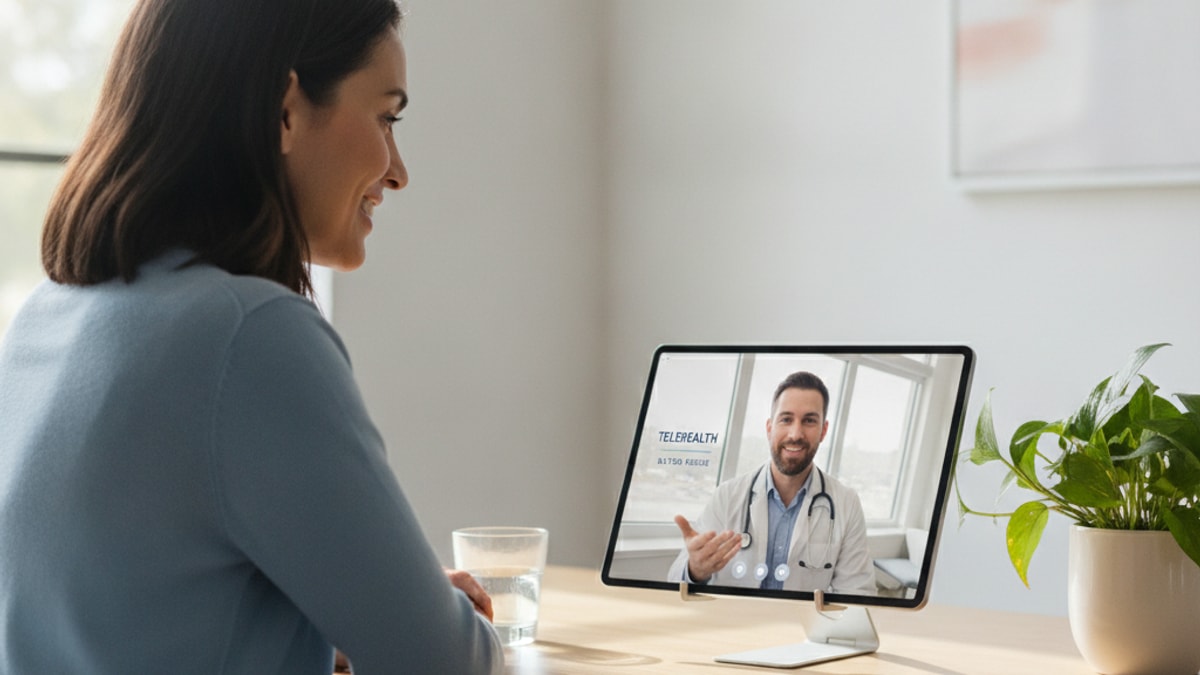
Telehealth Ozempic in Baton Rouge refers to remote medical consultations with licensed Louisiana providers who evaluate patients for GLP-1 receptor agonist therapy (semaglutide), prescribe the medication if clinically appropriate, and coordinate shipment of compounded formulations from FDA-registered pharmacies directly to patients' homes. The entire process. Consultation, prescription, and delivery. Occurs without requiring an in-person visit, making medically supervised weight loss accessible to residents across East Baton Rouge, Ascension, and Livingston parishes.
The fundamental difference between telehealth Ozempic and traditional in-clinic prescribing isn't just convenience. It's cost and access. Brand-name Ozempic manufactured by Novo Nordisk costs $900–$1,350 per month without insurance; compounded semaglutide prescribed through legitimate telehealth platforms typically ranges from $250–$400 monthly. Both contain the same active molecule (semaglutide), but compounded versions lack the brand name, the pre-filled pen delivery mechanism, and the FDA approval of the finished drug product. Not the molecule itself. This article covers exactly how Louisiana telehealth regulations work, what clinical criteria determine eligibility, how to verify pharmacy legitimacy, what compounded semaglutide actually is, and what mistakes to avoid that waste money or compromise safety.
How Telehealth Ozempic Works Under Louisiana Law
Louisiana Revised Statutes Title 37, Chapter 11 (Medical Practice Act) and Title 37, Chapter 7 (Pharmacy Practice Act) establish the legal framework for remote prescribing of controlled and non-controlled medications. Semaglutide itself is not a controlled substance under DEA scheduling, but Louisiana law requires that any prescriber establish a valid provider-patient relationship before issuing a prescription. Historically interpreted to require at least one in-person encounter. The Louisiana State Board of Medical Examiners updated its guidance in 2022 to permit synchronous telemedicine consultations (live video or phone) to satisfy this requirement, provided the prescriber conducts a clinically appropriate evaluation including medical history, current medications, contraindications screening, and documented clinical necessity.
This means a legitimate telehealth Ozempic provider in Baton Rouge must conduct a live consultation. Not merely a text-based questionnaire. Platforms that offer 'prescription in 5 minutes' based solely on form submission violate Louisiana prescribing standards and operate in a regulatory grey zone that exposes patients to risk. TrimRx operates under full Louisiana compliance: every patient completes a synchronous video consultation with a licensed provider before any prescription is issued, and all compounded medications are prepared by FDA-registered 503B outsourcing facilities that meet Current Good Manufacturing Practice (CGMP) standards.
The second legal constraint is pharmacy sourcing. Louisiana Board of Pharmacy regulations require that any compounding pharmacy dispensing to Louisiana residents either hold a Louisiana non-resident pharmacy license or operate as an FDA-registered 503B facility. Patients using out-of-state telehealth platforms must verify this registration. Medications shipped from unregistered facilities are technically illegal under Louisiana law, even if the prescription itself is valid. We've seen this trap dozens of Baton Rouge patients who ordered from discount telehealth providers only to have shipments seized at state borders or flagged by pharmacies during refill attempts.
What Compounded Semaglutide Actually Is
Compounded semaglutide is not 'generic Ozempic'. It's the same active pharmaceutical ingredient (semaglutide) prepared by a licensed compounding pharmacy rather than the brand manufacturer. The molecule is identical; the formulation and delivery mechanism differ. Brand-name Ozempic comes as a pre-filled pen containing 2mg semaglutide in 1.5mL solution with excipients including disodium phosphate dihydrate, propylene glycol, and phenol. Compounded versions are typically prepared as lyophilized (freeze-dried) powder that patients or providers reconstitute with bacteriostatic water, then draw into standard insulin syringes for subcutaneous injection.
The practical differences matter for three reasons. First, cost: compounded semaglutide prepared by 503B facilities costs 60–85% less than brand-name Ozempic because it bypasses brand pricing, marketing overhead, and the proprietary pen mechanism. Second, availability: Novo Nordisk has maintained sporadic supply shortages of Ozempic and Wegovy since 2022, creating months-long waitlists even for patients with valid prescriptions. Compounded versions remain available because 503B facilities source raw semaglutide from multiple API suppliers. Third, customization: compounding allows dose flexibility beyond the fixed pen increments (0.25mg, 0.5mg, 1mg, 2mg) that brand pens offer, which matters during titration or when patients experience side effects at standard escalation rates.
What compounded semaglutide lacks is the full FDA approval process granted to finished drug products. The active ingredient (semaglutide) itself is FDA-approved, but the specific formulation prepared by a compounding pharmacy is not independently tested and approved by the FDA. That oversight falls to state pharmacy boards and, for 503B facilities, FDA inspection of manufacturing practices rather than product-by-product review. This distinction is why the FDA issued a warning in 2023 about 'compounded semaglutide' products containing impurities or incorrect doses. Those warnings targeted unregistered facilities, not legitimate 503B operations. Patients using compounded medications through platforms like TrimRx receive the same active molecule prepared under CGMP oversight, just without the brand name attached.
Telehealth Ozempic Baton Rouge: Cost, Access, and Insurance Coverage
| Cost Factor | Brand-Name Ozempic | Compounded Semaglutide (Telehealth) | Bottom Line |
|---|---|---|---|
| Monthly medication cost (out-of-pocket) | $900–$1,350 | $250–$400 | Compounded versions cost 60–75% less without insurance; same active molecule |
| Insurance coverage likelihood | Moderate (requires prior authorization, often denied for weight loss vs diabetes indication) | Low (rarely covered; considered off-label compounding) | Most patients pay cash for both; compounded is cheaper even without coverage |
| Initial consultation fee | $150–$300 (in-person endocrinologist) | $0–$50 (telehealth platform) | Telehealth eliminates specialist visit fees and travel time |
| Prescription turnaround time | 2–6 weeks (waitlists, prior auth delays) | 24–48 hours (telehealth to delivery) | Compounded via telehealth bypasses waitlist and insurance approval loops |
| Delivery mechanism | Pre-filled pen (no mixing required) | Lyophilized powder + reconstitution (requires mixing and standard syringes) | Brand pens are more convenient; compounded requires 5-minute mixing step |
The honest answer: most Baton Rouge residents pursuing Ozempic for weight loss will pay out-of-pocket regardless of insurance status. Major insurers. Including Blue Cross Blue Shield of Louisiana, UnitedHealthcare, and Aetna. Classify Ozempic as a diabetes medication and deny coverage for weight loss indications unless patients meet restrictive BMI thresholds (typically BMI ≥40 or BMI ≥35 with comorbidities) and fail documented lifestyle interventions first. Even when approved, prior authorization processes average 3–6 weeks and frequently result in denial on first submission. Wegovy, the FDA-approved weight-loss formulation of semaglutide, faces similar barriers and costs $1,400–$1,600 monthly without coverage.
Telehealth platforms offering compounded semaglutide operate outside this insurance framework entirely. Patients pay cash, but the medication cost is 60–75% lower than brand prices, and the consultation fee is often waived or minimal compared to in-person specialist visits. For a Baton Rouge resident paying $350 monthly for compounded semaglutide through TrimRx versus $1,200 for brand Ozempic without insurance, the savings compound to $10,200 annually. That cost differential is why telehealth compounded GLP-1 prescriptions have grown 400% year-over-year since 2023 despite zero insurance reimbursement.
Key Takeaways
- Telehealth Ozempic in Baton Rouge allows Louisiana residents to consult licensed providers remotely and receive compounded semaglutide shipped within 48 hours, bypassing months-long waitlists for brand-name prescriptions.
- Compounded semaglutide contains the same active molecule as brand Ozempic but costs $250–$400 monthly versus $900–$1,350 for brand. Prepared by FDA-registered 503B facilities under CGMP standards, not by the brand manufacturer.
- Louisiana law requires synchronous telemedicine consultations (live video or phone) to establish a valid provider-patient relationship before prescribing. Text-only questionnaires do not meet legal standards.
- Insurance rarely covers Ozempic for weight loss indications, and prior authorization processes average 3–6 weeks with frequent denials. Cash-pay compounded options are cheaper and faster even without coverage.
- Legitimate telehealth platforms verify that compounding pharmacies hold FDA 503B registration and Louisiana non-resident pharmacy licenses. Unregistered sources ship medications that violate state pharmacy law.
- Compounded semaglutide requires reconstitution (mixing lyophilized powder with bacteriostatic water) and injection with standard syringes, unlike pre-filled brand pens. The process takes 5 minutes but demands proper sterile technique.
What If: Telehealth Ozempic Baton Rouge Scenarios
What If My Insurance Denies Ozempic for Weight Loss?
Switch to cash-pay compounded semaglutide through a telehealth platform. The out-of-pocket cost is lower than most insurance copays for brand Ozempic even when covered. Brand-name Ozempic copays under typical commercial insurance plans range from $25–$300 monthly depending on formulary tier, but prior authorization denials for weight loss indications are common. Compounded semaglutide at $250–$400 monthly with zero prior authorization requirement bypasses the insurance loop entirely and often costs less than fighting for brand coverage.
What If I Live Outside Baton Rouge — Can I Still Use Telehealth Ozempic Services?
Yes, if you hold Louisiana residency. Telehealth platforms licensed in Louisiana can serve patients anywhere in the state, including Lafayette, Shreveport, New Orleans, and rural parishes. The consultation occurs remotely, and compounded medication ships to your home address within 48 hours. Louisiana law does not require patients to reside within a specific radius of the prescribing provider for telemedicine consultations, so geographic access barriers are eliminated.
What If I Experience Severe Nausea During Dose Escalation?
Contact your prescribing provider immediately to discuss slowing the titration schedule or adjusting dietary timing around injections. Gastrointestinal side effects (nausea, vomiting, diarrhea) occur in 30–45% of patients during dose increases and typically resolve within 4–8 weeks as GLP-1 receptors in the gut downregulate. Standard mitigation includes eating smaller, lower-fat meals, avoiding lying down within two hours of eating, and extending the time at each dose step from 4 weeks to 6–8 weeks. Do not stop the medication abruptly without provider guidance. Sudden discontinuation can cause rebound appetite and rapid weight regain.
The Unfiltered Truth About Telehealth Ozempic
Here's the honest answer: telehealth Ozempic isn't a loophole or a shortcut. It's how medically supervised GLP-1 therapy should have worked from the beginning. The traditional system. Months-long waitlists, insurance gatekeeping, and $1,200 monthly brand pricing. Exists to protect pharmaceutical revenue and specialist billing, not patient access. Compounded semaglutide prepared by FDA-registered 503B facilities is pharmacologically identical to brand Ozempic, costs a fraction of the price, and bypasses the artificial scarcity Novo Nordisk has maintained since 2022. Patients who dismiss compounded versions as 'fake' or 'risky' are repeating brand marketing, not evaluating evidence. The real risk is paying $14,400 annually for a pen mechanism when the same molecule costs $3,600.
If you're in Baton Rouge and your doctor won't prescribe Ozempic without six months of documented diet failure, or your insurance denied coverage after a 45-day prior authorization battle, telehealth platforms like TrimRx solve both problems in 48 hours. That's not disruption. That's fixing a broken system.
The clinical evidence for semaglutide's efficacy is unambiguous: the STEP-1 trial published in the New England Journal of Medicine demonstrated 14.9% mean body weight reduction at 68 weeks on 2.4mg weekly semaglutide versus 2.4% on placebo. A result that lifestyle intervention alone rarely achieves. Whether that semaglutide comes in a $1,200 Novo Nordisk pen or a $350 compounded vial makes zero pharmacological difference. The molecule binds to the same GLP-1 receptors, slows gastric emptying at the same rate, and suppresses appetite through the same hypothalamic signaling pathway. The only difference is the price tag and the delivery mechanism.
Telehealth Ozempic in Baton Rouge works because it strips out the inefficiencies. The specialist referral, the insurance negotiation, the pharmacy benefit manager markup, the brand premium. And delivers the medication patients need at a cost they can sustain long-term. For Louisiana residents facing BMI thresholds above 30 with weight-related comorbidities or above 27 with type 2 diabetes, remote consultation and compounded semaglutide isn't a workaround. It's the most direct path to evidence-based metabolic therapy available in 2026. Start your treatment now at TrimRx and bypass the system that was designed to delay your access.
Frequently Asked Questions
How does telehealth Ozempic in Baton Rouge work if I’ve never used telemedicine before?▼
You complete an online intake form detailing your medical history, current medications, and weight loss goals, then schedule a live video or phone consultation with a Louisiana-licensed provider who evaluates your eligibility for semaglutide therapy. If approved, the provider sends your prescription to an FDA-registered 503B compounding pharmacy that ships your medication within 48 hours. The entire process requires no in-person visits and complies with Louisiana telemedicine regulations that allow synchronous consultations to establish a valid provider-patient relationship.
Can I use telehealth Ozempic services if my insurance denied coverage for weight loss?▼
Yes — telehealth platforms offering compounded semaglutide operate outside insurance networks entirely, so prior authorization denials or coverage restrictions don’t apply. You pay cash for the medication and consultation, but compounded semaglutide costs $250–$400 monthly versus $900–$1,350 for brand Ozempic without insurance, making the cash-pay telehealth option cheaper than most insurance copays even when brand coverage is approved. Insurance denial is the single most common reason Baton Rouge patients switch to compounded telehealth options.
What is the difference between compounded semaglutide and brand-name Ozempic?▼
Both contain the same active molecule (semaglutide), but brand Ozempic is manufactured by Novo Nordisk as a pre-filled pen with full FDA approval of the finished drug product, while compounded semaglutide is prepared by FDA-registered 503B pharmacies as lyophilized powder under CGMP standards without independent FDA approval of the specific formulation. The pharmacological mechanism is identical — both activate GLP-1 receptors to slow gastric emptying and reduce appetite — but compounded versions cost 60–75% less and require reconstitution with bacteriostatic water before injection using standard syringes.
How long does it take to see weight loss results with telehealth Ozempic in Baton Rouge?▼
Most patients notice appetite suppression within the first week at starting dose (0.25mg weekly), but meaningful weight reduction — defined as 5% or more of body weight — typically takes 8–12 weeks at therapeutic doses (1mg–2mg weekly). The STEP-1 trial demonstrated peak weight loss at 68 weeks with 14.9% mean body weight reduction, so this is a long-term metabolic therapy rather than a rapid-result intervention. Patients who maintain a caloric deficit alongside the medication consistently achieve 2–3 times the weight loss of those relying on the drug alone without dietary modification.
What happens if I miss a weekly semaglutide injection dose?▼
If fewer than 5 days have passed since your scheduled dose, administer the missed injection as soon as you remember and continue your regular weekly schedule from that point. If more than 5 days have passed, skip the missed dose entirely and resume on your next scheduled injection date — do not double-dose to catch up, as this significantly increases gastrointestinal side effects without improving efficacy. Missing doses during titration may cause temporary return of appetite before the next administration, but one missed dose does not negate prior progress.
Is compounded semaglutide safe if it’s not FDA-approved?▼
Compounded semaglutide prepared by FDA-registered 503B outsourcing facilities is safe when sourced correctly — these facilities operate under FDA inspection and CGMP manufacturing standards, with quarterly potency and sterility testing. The active ingredient (semaglutide) is FDA-approved; what lacks approval is the specific finished formulation prepared by the compounder rather than Novo Nordisk. The FDA’s 2023 warning about compounded semaglutide safety targeted unregistered facilities selling impure or misdosed products online, not legitimate 503B operations. Verify your telehealth platform sources from 503B-registered pharmacies before ordering.
Will I regain weight after stopping semaglutide prescribed through telehealth?▼
Clinical evidence shows most patients regain a significant portion of lost weight after discontinuing semaglutide — the STEP-1 Extension trial found participants regained approximately two-thirds of their lost weight within one year of stopping. This reflects the fact that semaglutide corrects impaired satiety signaling and elevated ghrelin levels that return when the medication is removed, not a medication failure. Patients who achieve goal weight and wish to discontinue should work with their prescriber on transition planning, including dietary adjustments and potentially a lower maintenance dose, to reduce rebound. GLP-1 medications are increasingly considered long-term metabolic management tools rather than short-term weight loss courses.
Can I travel with compounded semaglutide prescribed through telehealth Ozempic services in Baton Rouge?▼
Yes, but temperature management is critical — reconstituted semaglutide must be kept between 2–8°C (36–46°F) at all times to prevent protein denaturation. Unreconstituted lyophilized powder can tolerate short-term ambient temperature (up to 25°C for 24–48 hours), but once mixed with bacteriostatic water, refrigeration is mandatory. Use a medical-grade travel cooler like a FRIO wallet or insulin cooler that maintains 2–8°C for 36–48 hours without requiring ice or electricity. Carry your prescription documentation and a provider letter when traveling across state lines to avoid complications at security checkpoints.
What side effects should I expect when starting semaglutide through telehealth in Baton Rouge?▼
Gastrointestinal side effects — nausea, vomiting, diarrhea, and constipation — occur in 30–45% of patients during dose escalation and are the most common reason for discontinuation. These effects peak during the first 4–8 weeks at each dose increase and typically resolve as the body adjusts. Standard mitigation strategies include eating smaller, lower-fat meals, avoiding lying down within two hours of eating, and slowing the dose escalation schedule from 4-week steps to 6–8 weeks if symptoms are severe. Serious adverse events including pancreatitis and gallbladder disease are rare (less than 1% incidence) but documented — contact your provider immediately if you experience severe abdominal pain.
How do I verify that a telehealth Ozempic provider in Baton Rouge is legitimate?▼
Confirm three things before ordering: (1) the platform requires a live synchronous consultation (video or phone) with a Louisiana-licensed provider, not just a text questionnaire; (2) the compounding pharmacy holds FDA 503B registration, verifiable through the FDA’s Outsourcing Facility Database; and (3) the pharmacy holds a Louisiana non-resident pharmacy license if located out-of-state. Platforms that promise ‘prescription in 5 minutes’ without a live consultation violate Louisiana prescribing standards. TrimRx meets all three criteria and publishes pharmacy registration information transparently on its website — verify before you order.

Transforming Lives, One Step at a Time
Keep reading
Want to Stop Ozempic but Your Provider Says Stay? How to Discuss It
Lead with your actual reason, because the conversation usually goes wrong when you argue about the evidence instead. Your provider is not wrong about…

Regained Weight After Stopping Ozempic? Don’t Restart at Your Old Dose
No. Whatever else you do, do not pick up where you left off. Tolerance to a GLP-1 is not assumed to persist through a…

Eating Less Than Ever on Ozempic but the Scale Won’t Move
Whatever else is true here, the answer is not to eat less. That needs saying first, because it is the direction this situation pushes…


