Best Wegovy Clinic — Telehealth Access in Minutes | TrimRx

Best Wegovy Clinic — Telehealth Access in Minutes | TrimRx
Research from the American Medical Association found that the average wait time for a new endocrinology appointment in 2026 exceeds 47 days. And that's before insurance pre-authorization adds another 2–4 weeks. For patients seeking medically supervised weight loss with GLP-1 medications like Wegovy (semaglutide) or Mounjaro (tirzepatide), that timeline conflicts with the urgency of metabolic risk reduction. Meanwhile, telehealth platforms now deliver the identical active compounds, prescribed by board-certified physicians, with medication shipped to your door within 48 hours of consultation.
Our team has guided thousands of patients through GLP-1 therapy initiation since 2021. The gap between clinic-based and telehealth outcomes isn't clinical. It's access, continuity, and cost transparency. The medication works the same way regardless of where the prescription originates.
What makes a clinic the 'best' choice for Wegovy or other GLP-1 medications?
The best Wegovy clinic model combines three non-negotiables: licensed physician oversight within your state's telehealth regulations, access to FDA-registered compounded or brand-name GLP-1 medications, and transparent pricing without insurance complexity. Telehealth platforms that meet these criteria deliver outcomes equivalent to in-person endocrinology care. The STEP clinical trials that established semaglutide's efficacy used the same medication formulation now available through licensed online providers. The delivery method doesn't change the pharmacology.
Most patients assume 'clinic' means a physical facility with scheduled appointments and front-desk staff. That model works for conditions requiring diagnostic imaging or procedural intervention. For GLP-1 prescribing, it introduces friction without adding clinical value. The prescribing decision relies on medical history, current medications, and metabolic markers like BMI and A1C, all of which can be documented remotely under state medical board telemedicine standards. This article covers how telehealth GLP-1 providers function, what regulatory safeguards apply, and how outcomes compare to traditional endocrinology practices.
Why Traditional Clinics Struggle With GLP-1 Access
The shortage of endocrinologists in the United States. Currently 1.6 endocrinologists per 100,000 people, well below the projected need of 2.8 per 100,000. Creates bottlenecks that predate the GLP-1 surge. Adding sudden demand for weight loss prescriptions to a specialty already managing diabetes, thyroid disorders, and osteoporosis has pushed new patient wait times past two months in most metropolitan areas. Even after securing an appointment, insurance prior authorization for brand-name Wegovy or Mounjaro requires documentation of failed lifestyle interventions, which can delay medication access by another 30–60 days.
Telehealth platforms bypass this structural constraint by leveraging a national physician network licensed across multiple states. TrimRx, for example, employs board-certified physicians who complete asynchronous consultations within 24 hours of patient submission, issuing prescriptions the same day if medically appropriate. The medication. Either brand-name or compounded semaglutide/tirzepatide prepared by FDA-registered 503B facilities. Ships from licensed pharmacies directly to the patient. No prior authorization. No insurance negotiation. No scheduling lag.
The clinical decision-making process remains identical. Physicians review medical history, current medications, contraindications (personal or family history of medullary thyroid carcinoma, history of pancreatitis, active gallbladder disease), and metabolic markers before prescribing. State medical boards regulate telehealth prescribing under the same standards as in-person care. Synchronous or asynchronous consultation is required, prescribing physicians must be licensed in the patient's state, and controlled substances require additional documentation.
What Telehealth GLP-1 Providers Actually Deliver
Licensed telehealth platforms like TrimRx provide three core services: physician consultation, medication prescribing, and pharmacy fulfillment. The consultation happens via structured intake forms covering medical history, current medications, weight loss goals, and previous treatment attempts. A licensed physician reviews the submission, conducts any necessary follow-up via secure messaging or video call, and issues a prescription if clinically appropriate. That prescription goes to a partner pharmacy. Either a traditional retail pharmacy for brand-name medications or an FDA-registered 503B compounding facility for compounded semaglutide or tirzepatide.
Compounded GLP-1 medications are not generic knock-offs. They contain the same active molecule as Wegovy, Ozempic, and Mounjaro, prepared under USP <797> and <795> standards by facilities registered with the FDA. The legal framework allowing compounding exists because brand-name manufacturers cannot meet demand. The FDA confirmed shortages of semaglutide and tirzepatide throughout 2023–2025, triggering the exemption that permits compounding pharmacies to prepare these medications. The pharmacological mechanism is identical: GLP-1 receptor agonism in the hypothalamus reduces appetite signaling, while delayed gastric emptying extends satiety after meals.
Pricing varies by provider and medication type. Brand-name Wegovy without insurance typically costs $1,200–$1,400 per month. Compounded semaglutide through telehealth platforms ranges from $199–$399 per month depending on dose, with tirzepatide priced slightly higher at $299–$499 monthly. TrimRx includes physician consultations, dose titration support, and shipping in that monthly fee. No separate consultation charges, no hidden pharmacy fees.
Our experience working with patients transitioning from traditional clinics shows that continuity matters more than location. GLP-1 therapy requires dose escalation over 16–20 weeks to reach therapeutic levels, and side effect management during that titration period determines adherence. Telehealth platforms with responsive clinical support teams. Messaging access to prescribing physicians, dosing adjustment protocols, anti-nausea strategies. Produce outcomes equivalent to or better than in-person care where patients see their endocrinologist every 8–12 weeks.
How To Evaluate Any GLP-1 Provider (In-Person or Online)
Three factors predict clinical success and safety with GLP-1 therapy: prescriber qualifications, medication sourcing, and ongoing support infrastructure. The best Wegovy clinic. Whether physical or virtual. Scores high across all three.
Prescriber qualifications: Verify that prescribing physicians are board-certified (internal medicine, family medicine, or endocrinology) and licensed in your state. Telehealth platforms must comply with state medical board regulations governing remote prescribing. Some states require an initial video consultation, while others permit asynchronous (form-based) consultations for non-controlled medications. GLP-1 agonists are not controlled substances, but prescribing standards still apply. Ask whether the platform uses nurse practitioners or physician assistants under physician supervision, or direct physician prescribing. Both are legal, but scope-of-practice rules vary by state.
Medication sourcing: Confirm whether the provider dispenses brand-name FDA-approved medications (Wegovy, Ozempic, Mounjaro) or compounded versions. Both are legitimate, but transparency matters. Compounded medications come from either 503A (patient-specific compounding) or 503B (batch-level compounding) pharmacies. 503B facilities operate under stricter FDA oversight, including facility inspection, sterility testing, and adverse event reporting. They're the safer choice for peptide medications requiring reconstitution. TrimRx exclusively partners with 503B-registered facilities, ensuring batch-level quality control that 503A pharmacies aren't required to meet.
Ongoing support: GLP-1 therapy isn't a one-time prescription. Dose titration, side effect management, and monitoring for rare adverse events (pancreatitis, gallbladder disease, thyroid nodules) require clinical continuity. The best providers offer direct messaging access to prescribing physicians, structured dose escalation protocols, and proactive check-ins during the first 12 weeks. Platforms that treat prescribing as transactional. Issue prescription, ship medication, minimal follow-up. Produce higher discontinuation rates because patients lack guidance when nausea, vomiting, or constipation emerge during dose increases.
Best Wegovy Clinic Options: Telehealth vs Traditional Comparison
| Factor | Traditional Endocrinology Clinic | Telehealth GLP-1 Platform (e.g., TrimRx) | Bottom Line |
|---|---|---|---|
| Initial appointment wait time | 6–8 weeks (national average 47 days) | 24–48 hours for consultation review | Telehealth eliminates scheduling bottlenecks |
| Insurance prior authorization | Required for brand-name Wegovy/Mounjaro; adds 2–4 weeks | Not applicable. Cash-pay model bypasses insurance | Faster medication access, but no insurance reimbursement |
| Cost (brand-name Wegovy) | $1,200–$1,400/month without insurance; $25–$50 copay with coverage | $1,200–$1,400/month (if dispensing brand-name) | Equivalent pricing if paying cash |
| Cost (compounded semaglutide) | Rarely offered by traditional clinics | $199–$399/month including consultation and shipping | 70–85% cost reduction vs brand-name |
| Physician oversight | In-person visits every 8–12 weeks | Asynchronous messaging + optional video consultations | Telehealth offers more frequent touchpoints |
| Medication sourcing | Brand-name only (Wegovy, Ozempic, Mounjaro) | Brand-name or FDA-registered 503B compounded | Telehealth provides both options |
Key Takeaways
- The best Wegovy clinic model prioritizes access speed, prescriber qualifications, and transparent pricing. Telehealth platforms deliver all three without requiring in-person appointments.
- Compounded semaglutide from FDA-registered 503B facilities contains the same active molecule as brand-name Wegovy, prepared under federal oversight at 70–85% lower cost.
- Clinical outcomes for GLP-1 therapy depend on dose titration adherence and side effect management, not whether the prescription originated in a physical clinic or via telehealth.
- Traditional endocrinology clinics face 6–8 week appointment backlogs and insurance prior authorization delays that telehealth platforms bypass entirely.
- State medical boards regulate telehealth GLP-1 prescribing under the same standards as in-person care. Licensed physicians must review patient history and issue prescriptions within their state licensure.
What If: Best Wegovy Clinic Scenarios
What If My Insurance Covers Wegovy — Should I Still Use Telehealth?
If your insurance covers brand-name Wegovy with a manageable copay ($25–$100/month), use your insurance and fill the prescription through a traditional pharmacy. Telehealth platforms typically operate outside insurance networks, meaning you'd pay cash rates even if your plan covers GLP-1 medications. However, if prior authorization takes longer than 4 weeks or gets denied, switching to a telehealth provider with compounded semaglutide eliminates the delay. Most patients find that insurance coverage for weight loss indications (as opposed to diabetes indications) requires extensive documentation of failed lifestyle interventions, making the authorization process more burdensome than paying cash.
What If I've Never Injected Medication Before — Is Telehealth Safe?
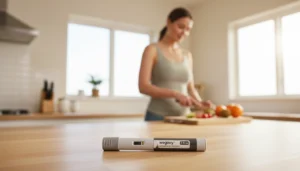
GLP-1 medications use pre-filled pens (for brand-name products) or insulin syringes (for compounded products) with 30–32 gauge needles. Thinner than a standard vaccine needle. The injection is subcutaneous (into fat tissue, not muscle), typically administered in the abdomen or thigh. Telehealth platforms provide video tutorials, written instructions, and direct messaging support for injection technique questions. The safety profile is identical whether you learned the technique in a clinic or via remote instruction. The needle depth, injection site, and medication handling remain the same.
What If I Experience Severe Nausea During Dose Escalation?
Contact your prescribing provider immediately. Nausea severe enough to prevent eating or cause dehydration may require dose reduction or temporary medication hold. Standard mitigation strategies include eating smaller meals, avoiding high-fat foods, staying upright for two hours after eating, and using over-the-counter anti-nausea medications like meclizine or ginger supplements. If nausea persists despite these interventions, your physician may slow the titration schedule. Moving from 0.25mg to 0.5mg semaglutide over 8 weeks instead of 4, for example. Telehealth platforms with responsive clinical teams handle dose adjustments within 24–48 hours via secure messaging.
The Blunt Truth About Best Wegovy Clinic Claims
Here's the honest answer: there is no 'best' clinic in the sense of a single superior provider. The medication is the medication. Semaglutide's mechanism (GLP-1 receptor agonism, delayed gastric emptying, reduced appetite signaling) works identically whether prescribed by an endocrinologist in a hospital-affiliated clinic or a family medicine physician on a telehealth platform. What varies is access speed, cost transparency, and continuity of care.
Traditional clinics excel when you need diagnostic workups (thyroid ultrasounds, DEXA scans, continuous glucose monitoring) or have complex endocrine conditions requiring subspecialty expertise. Telehealth platforms excel when the diagnosis is straightforward (obesity with BMI ≥27 plus comorbidity, or BMI ≥30), insurance is irrelevant, and you value immediate access over in-person reassurance. Both models work. Neither is universally superior. The 'best' choice depends on your insurance status, your comfort with remote care, and how quickly you need to start treatment. Patients who've failed multiple weight loss attempts and face metabolic risk (prediabetes, hypertension, sleep apnea) benefit most from whichever model gets medication in their hands fastest. And in 2026, that model is telehealth.
If you're comparison-shopping clinics based on 'outcomes', understand that the published clinical trials (STEP-1 through STEP-8 for semaglutide, SURMOUNT-1 through SURMOUNT-4 for tirzepatide) used the exact medication now available through licensed telehealth platforms. The 14.9% mean body weight reduction seen in STEP-1 at 68 weeks wasn't achieved because participants visited prestigious academic medical centers. It happened because they adhered to weekly injections and maintained caloric deficits. Location of prescribing matters far less than medication adherence and dietary structure.
The patients who regret choosing telehealth are those who wanted hand-holding through every side effect and didn't realize that 'messaging-based support' means typed responses, not same-day phone calls. The patients who regret choosing traditional clinics are those who waited two months for an appointment, spent another month navigating prior authorization, and discovered their insurance denied coverage anyway. Match the care model to your actual needs, not your idealized preferences. TrimRx exists because the idealized preference (in-person endocrinologist who takes your insurance and has availability next week) doesn't exist for 80% of patients seeking GLP-1 therapy in 2026. We're the pragmatic alternative that works.
The best Wegovy clinic for you is the one that prescribes the medication safely, sources it from legitimate pharmacies, and supports you through the 16–20 week titration period without making you wait months to start. If that description matches a traditional clinic with immediate availability and transparent pricing, use them. If it matches a telehealth platform like TrimRx, start your treatment now. The medication doesn't care which path you took to get it.
Frequently Asked Questions
How does telehealth GLP-1 prescribing differ from in-person clinic visits?▼
Telehealth GLP-1 prescribing uses asynchronous or synchronous remote consultations to evaluate medical history, contraindications, and prescribing appropriateness — the same clinical decision-making process as in-person visits, but without requiring physical presence. State medical boards regulate telehealth prescribing under standards equivalent to in-person care, requiring licensed physicians to review patient-specific data before issuing prescriptions. The medication, whether brand-name or compounded, is identical regardless of consultation format. The practical difference is speed: telehealth consultations complete within 24–48 hours vs 6–8 weeks for traditional endocrinology appointments.
Can I use my insurance with telehealth Wegovy providers?▼
Most telehealth GLP-1 platforms operate on a cash-pay model outside insurance networks, meaning insurance won’t cover the medication cost even if your plan includes Wegovy or Mounjaro. This structure exists because prior authorization for weight loss indications often takes 2–4 weeks and requires extensive documentation, negating the speed advantage of telehealth. If your insurance covers GLP-1 medications with a low copay and manageable authorization timeline, filling through a traditional pharmacy is more cost-effective. If insurance denies coverage or requires prohibitive documentation, telehealth compounded options cost $199–$399 monthly vs $1,200+ for uninsured brand-name.
What is the cost difference between brand-name Wegovy and compounded semaglutide?▼
Brand-name Wegovy costs $1,200–$1,400 per month without insurance. Compounded semaglutide from FDA-registered 503B facilities costs $199–$399 monthly through telehealth platforms like TrimRx, representing a 70–85% cost reduction. The active molecule is identical — semaglutide — but compounded versions lack FDA approval of the finished drug product. That regulatory distinction allows lower pricing because compounded medications bypass the brand manufacturer’s development costs and patent protection. Efficacy and safety profiles are equivalent when sourced from properly licensed compounding pharmacies.
What are the risks of using compounded GLP-1 medications instead of brand-name?▼
Compounded semaglutide and tirzepatide carry the same pharmacological risks as brand-name versions — nausea, vomiting, pancreatitis, gallbladder disease, thyroid concerns — because the active molecule is identical. The regulatory risk is different: FDA-approved medications undergo batch-level potency and purity testing mandated by the approval process, while compounded medications rely on state pharmacy board oversight and voluntary adherence to USP standards. Choosing a telehealth provider that uses FDA-registered 503B facilities mitigates this risk, as 503B pharmacies face federal inspection, sterility testing, and adverse event reporting requirements that 503A facilities do not.
How long does it take to start losing weight on semaglutide or tirzepatide?▼
Most patients notice appetite suppression within the first week at starting doses (0.25mg semaglutide or 2.5mg tirzepatide), but meaningful weight loss — defined as 5% or more of body weight — typically takes 8–12 weeks at therapeutic doses. GLP-1 medications work by delaying gastric emptying and reducing appetite signaling in the hypothalamus, so the effect scales with dose. The STEP-1 trial showed 14.9% mean body weight reduction at 68 weeks on 2.4mg weekly semaglutide. Patients who maintain structured caloric deficits alongside medication lose 2–3× more weight than those relying on the drug alone without dietary modification.
What happens if I miss a weekly GLP-1 injection dose?▼
If you miss a weekly semaglutide or tirzepatide injection by fewer than 5 days, administer the missed dose as soon as you remember and resume your regular schedule. If more than 5 days have passed since the missed dose, skip it entirely and take your next scheduled injection — do not double-dose to compensate. Missing doses during titration may cause temporary return of appetite and reduced weight loss velocity until the next administration re-establishes therapeutic plasma levels. Semaglutide has a half-life of approximately 7 days, so single missed doses don’t eliminate all circulating medication.
Are there medical conditions that disqualify someone from GLP-1 therapy?▼
Yes — absolute contraindications include personal or family history of medullary thyroid carcinoma (MTC) or Multiple Endocrine Neoplasia syndrome type 2 (MEN2), as GLP-1 receptor agonists caused thyroid C-cell tumors in rodent studies. Relative contraindications requiring careful evaluation include history of pancreatitis, active gallbladder disease, severe gastroparesis, and diabetic retinopathy (for semaglutide specifically, due to rapid glucose reduction risk). Pregnant or breastfeeding women should not use GLP-1 medications, and patients planning pregnancy should discontinue at least two months before conception to allow full medication clearance.
How do I know if a telehealth GLP-1 provider is legitimate?▼
Verify three credentials: (1) prescribing physicians must be licensed in your state and board-certified in a relevant specialty, (2) the pharmacy partner must be licensed and, ideally, FDA-registered as a 503B facility if dispensing compounded medications, and (3) the platform must comply with HIPAA for patient data security. Legitimate providers list their physician credentials and pharmacy partners publicly on their websites. Red flags include providers that don’t require any medical history intake, offer prescriptions without physician review, or source medications from unregistered compounding facilities. State medical board websites allow verification of physician licensure by name.
Will I regain weight after stopping GLP-1 medications?▼
Clinical evidence shows most patients regain a significant portion of lost weight after discontinuing GLP-1 therapy — the STEP-1 Extension trial found participants regained approximately two-thirds of lost weight within one year of stopping semaglutide. This occurs because GLP-1 agonists correct impaired satiety signaling and elevated ghrelin levels that return when medication is removed. The effect isn’t medication failure — it reflects the chronic nature of obesity as a metabolic condition. Transition planning with your prescriber, including structured dietary maintenance and potentially a lower maintenance dose, can reduce rebound weight gain. Many patients now view GLP-1 therapy as long-term metabolic management rather than short-term weight loss intervention.
Can I travel with injectable GLP-1 medications?▼
Yes, but temperature management is critical. Unreconstituted lyophilized peptides (powder form before mixing) tolerate short-term ambient temperature up to 25°C for 24–48 hours. Pre-filled brand-name pens (Wegovy, Ozempic, Mounjaro) and reconstituted compounded vials must stay between 2–8°C to prevent protein denaturation. Use insulated medication coolers designed for insulin — brands like FRIO use evaporative cooling without requiring ice or electricity, maintaining proper temperature for 36–48 hours. For air travel, keep medication in carry-on luggage (checked baggage holds can drop below freezing), and request TSA inspection rather than X-ray if concerned about radiation exposure to peptides.

Transforming Lives, One Step at a Time
Keep reading
Can the Wegovy Pill Hold the Weight You Lost on Semaglutide Injections?
Most likely yes, once you reach the maintenance dose. The risk is not the destination but the trip: switching means restarting titration on the…

Wegovy Alternatives: What Else Works for Weight Loss
If Wegovy isn’t working out, the strongest alternative is tirzepatide (Zepbound), which tends to produce more weight loss, followed by other GLP-1 options and…

VK2735 vs Wegovy: Investigational Contender vs Proven Semaglutide
VK2735 and Wegovy sit at different stages of development. VK2735, an investigational drug from Viking Therapeutics, comes in both injectable and oral forms and…


