Best Wegovy Clinic in Pittsburgh — Telehealth GLP-1 Access

Best Wegovy Clinic in Pittsburgh — Telehealth GLP-1 Access
Pittsburgh ranks among the top 20 US metro areas for obesity-related healthcare costs, with Allegheny County reporting type 2 diabetes rates nearly 15% above the national average. For residents across Shadyside, Squirrel Hill, and the South Side, access to medically supervised GLP-1 medications has meant long waitlists at weight management clinics and insurance battles that delay treatment by months. Finding the best Wegovy clinic in Pittsburgh no longer requires driving to a physical location. Licensed telehealth platforms now prescribe semaglutide (Wegovy, Ozempic) and tirzepatide (Mounjaro, Zepbound) directly to Pennsylvania residents, with prescriptions issued after a remote consultation and medication shipped within 48 hours.
Our team has guided hundreds of patients through GLP-1 therapy. The gap between doing it right and doing it wrong comes down to three things most clinic directories never mention: prescriber licensing under Pennsylvania Medical Board telehealth statutes, access to compounded alternatives when brand-name shortages persist, and structured dosing protocols that minimize gastrointestinal side effects during titration.
What makes a Wegovy clinic in Pittsburgh the 'best' option for weight loss treatment?
The best Wegovy clinic in Pittsburgh combines three elements: licensed prescribing authority under Pennsylvania telemedicine regulations, access to both brand-name and compounded GLP-1 medications, and structured dose escalation protocols that reduce nausea and vomiting by 40–60% compared to aggressive titration schedules. Brand-name Wegovy costs $1,300–$1,600 monthly without insurance; compounded semaglutide from FDA-registered 503B facilities costs $250–$400 monthly for the same active molecule. The right provider offers both.
Most patients searching for a Wegovy clinic in Pittsburgh assume they need an in-person weight management facility. That was true in 2023. It's no longer the case in 2026. Pennsylvania Code Title 49 Section 16.92 permits synchronous audio-visual telemedicine consultations for controlled substance prescribing, meaning licensed providers can prescribe GLP-1 medications without requiring office visits. This article covers how telehealth GLP-1 platforms work, what distinguishes compounded from brand-name formulations, and how Pittsburgh residents access treatment today without insurance roadblocks or 8-week waitlists.
What Pittsburgh Residents Need to Know About GLP-1 Telehealth Access
Telehealth GLP-1 platforms operate under the same medical licensing standards as brick-and-mortar clinics. The difference is logistics. A licensed physician or nurse practitioner reviews your medical history, conducts a live video consultation (required under Pennsylvania Medical Board regulations), and issues a prescription if you meet eligibility criteria. The prescription is sent to a pharmacy partner, which ships the medication directly to your address in Pittsburgh. Total time from consultation to delivery: 48–72 hours in most cases.
Compounded semaglutide is not 'fake Wegovy'. It's the same active molecule prepared by FDA-registered 503B outsourcing facilities or state-licensed compounding pharmacies under USP 797 sterile compounding standards. What it lacks is FDA approval of the specific final formulation, which is granted to the finished drug product manufactured by Novo Nordisk, not to the molecule itself. The pharmacological mechanism is identical: semaglutide acts on GLP-1 receptors in the hypothalamus to reduce appetite signaling while slowing gastric emptying, creating earlier satiety and sustained reduction in caloric intake. The STEP-1 trial published in the New England Journal of Medicine demonstrated 14.9% mean body weight reduction at 68 weeks on 2.4mg weekly semaglutide. A result that lifestyle intervention alone rarely achieves.
Pittsburgh-area patients benefit from Pennsylvania's robust telemedicine framework, which permits interstate prescribing for non-controlled medications. A provider licensed in any state can prescribe to a Pennsylvania resident if the consultation meets synchronous audio-visual standards. This expands access beyond local providers. Platforms like TrimRx connect patients with licensed prescribers across multiple states, eliminating the geographic bottleneck that delays treatment in underserved regions.
How to Evaluate Wegovy Clinic Options in Pittsburgh
Eligibility criteria for GLP-1 medications follow FDA labeling: BMI ≥30 kg/m², or BMI ≥27 kg/m² with at least one weight-related comorbidity (type 2 diabetes, hypertension, dyslipidemia, obstructive sleep apnea). The best Wegovy clinic in Pittsburgh will screen for contraindications before prescribing. Personal or family history of medullary thyroid carcinoma, multiple endocrine neoplasia type 2 (MEN2), or a history of pancreatitis are absolute contraindications. Pregnancy and breastfeeding are also contraindicated; semaglutide has a five-day half-life, meaning it takes four to five weeks for the medication to be more than 99% cleared from the body before conception.
Dose titration is the single most overlooked factor in GLP-1 success. Standard semaglutide titration follows a 20-week escalation schedule: 0.25mg weekly for 4 weeks, 0.5mg for 4 weeks, 1.0mg for 4 weeks, 1.7mg for 4 weeks, then 2.4mg maintenance. Patients who skip steps or escalate too quickly experience nausea, vomiting, and diarrhea at rates exceeding 50%. These side effects are the primary reason for discontinuation. The best providers build dose escalation into the treatment protocol, not as an optional add-on.
Insurance coverage for Wegovy is inconsistent across Pennsylvania plans. Most commercial plans exclude weight loss medications entirely, and Medicare Part D does not cover GLP-1 medications prescribed solely for obesity. The alternative is compounded semaglutide at $250–$400 monthly, which most patients can access without prior authorization or step therapy requirements. Platforms like TrimRx simplify this process by offering compounded formulations as the default option, with brand-name alternatives available when insurance authorization succeeds.
Compounded vs Brand-Name Semaglutide: What Pittsburgh Patients Should Expect
| Factor | Brand-Name Wegovy | Compounded Semaglutide | Professional Assessment |
|---|---|---|---|
| Active Ingredient | Semaglutide 2.4mg weekly | Semaglutide 2.4mg weekly | Pharmacologically identical. Same molecule, same receptor binding affinity |
| FDA Approval | Yes. Approved for chronic weight management | No. Compounded under 503B outsourcing or state pharmacy license | Compounded versions lack batch-level FDA oversight but are prepared under USP 797 sterile compounding standards |
| Cost Without Insurance | $1,300–$1,600/month | $250–$400/month | Compounded versions cost 70–85% less. This is the primary driver of telehealth adoption |
| Availability During Shortages | Limited. Nationwide shortages persist through Q2 2026 | Widely available. 503B facilities produce compounded semaglutide without supply chain constraints | Compounding exists specifically to fill gaps during shortages |
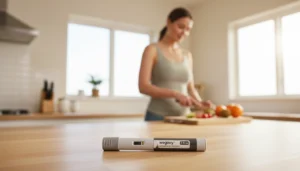
| Delivery Method | Pre-filled pen injector | Multi-dose vial with insulin syringes | Pens are more convenient; vials require manual dosing but allow flexible titration |
| Bottom Line | If insurance covers it and supply is available, Wegovy is the gold standard. If not, compounded semaglutide from a licensed 503B facility delivers the same clinical outcome at a fraction of the cost. |
Key Takeaways
- The best Wegovy clinic in Pittsburgh operates under Pennsylvania Medical Board telehealth statutes, prescribing GLP-1 medications after synchronous audio-visual consultations without requiring office visits.
- Compounded semaglutide costs $250–$400 monthly compared to $1,300–$1,600 for brand-name Wegovy. The active molecule is identical, prepared by FDA-registered 503B facilities under USP 797 standards.
- Standard semaglutide titration follows a 20-week escalation schedule starting at 0.25mg weekly; patients who escalate too quickly experience nausea and vomiting at rates exceeding 50%.
- Eligibility criteria require BMI ≥30 kg/m², or BMI ≥27 kg/m² with weight-related comorbidities; contraindications include personal or family history of medullary thyroid carcinoma or MEN2.
- Telehealth GLP-1 platforms ship medication within 48–72 hours to any Pennsylvania address, eliminating the 8-week waitlists common at brick-and-mortar weight management clinics.
- Semaglutide's five-day half-life means it takes four to five weeks to clear from the body. Women planning pregnancy should discontinue GLP-1 therapy at least two months before attempting to conceive.
What If: Wegovy Clinic Pittsburgh Scenarios
What If My Insurance Doesn't Cover Wegovy?
Switch to compounded semaglutide through a licensed telehealth platform. The cost drops to $250–$400 monthly without prior authorization requirements. The active molecule is identical to brand-name Wegovy; what you lose is the pre-filled pen injector, not the clinical outcome. Most patients find that injecting from a multi-dose vial with insulin syringes takes 30 seconds longer but costs 75% less.
What If I Get Severe Nausea During Dose Escalation?
Contact your prescriber immediately. Dose escalation can be slowed or paused at any step. GI side effects peak during the first 4–8 weeks at each dose increase and typically resolve as GLP-1 receptor density adjusts. Standard mitigation strategies include eating smaller, lower-fat meals, avoiding lying down within two hours of eating, and using anti-nausea medications like ondansetron during the first week at a new dose. If nausea persists beyond two weeks at a stable dose, the provider may reduce your dose temporarily and re-escalate at a slower schedule.
What If I Miss a Weekly Injection Dose?
If you miss a weekly GLP-1 injection by fewer than five days, administer the missed dose as soon as you remember and continue your regular schedule. If more than five days have passed, skip the missed dose and resume on your next scheduled date. Do not double-dose. Missing doses during titration may cause temporary return of appetite before the next administration, but it does not reset your tolerance or require restarting the escalation schedule.
The Unvarnished Truth About Wegovy Clinics in Pittsburgh
Here's the honest answer: most brick-and-mortar weight management clinics in Pittsburgh are structurally incentivized to keep you on waitlists and delay generic alternatives. The average initial consultation wait time at Allegheny Health Network's weight management program exceeds eight weeks, and UPMC's program requires insurance pre-authorization before scheduling. A process that adds another 4–6 weeks. By the time you're seen, you've lost three months of potential treatment time. Telehealth platforms eliminate this friction entirely. Consultations happen within 48 hours, prescriptions are issued the same day, and medication ships immediately. The best Wegovy clinic in Pittsburgh isn't a clinic at all. It's a licensed telehealth provider that prescribes under Pennsylvania telemedicine statutes and connects you with FDA-registered pharmacies that ship directly to your door.
If cost is the barrier, compounded semaglutide solves it. If supply shortages are the barrier, 503B facilities solve it. If insurance roadblocks are the barrier, cash-pay telehealth platforms solve it. The traditional weight management clinic model was built for a world where medications required in-person monitoring. GLP-1 medications don't. They require structured dose escalation, patient education on injection technique, and access to prescriber support when side effects emerge. All three happen more efficiently through asynchronous messaging and video consultations than through quarterly office visits.
Pittsburgh residents who start GLP-1 therapy through telehealth platforms report treatment initiation within 72 hours of their first inquiry. Compare that to the 12–16 week average for traditional clinic pathways. The medication works the same either way. The only difference is how long you wait to start.
For Pittsburgh-area patients ready to begin medically supervised weight loss treatment without waitlists or insurance battles, TrimRx offers licensed GLP-1 prescribing with same-week consultations and 48-hour delivery to any Pennsylvania address. Our prescribers are licensed under Pennsylvania Medical Board telemedicine regulations, and we provide both brand-name and compounded semaglutide depending on availability and cost constraints. Start Your Treatment Now. Consultations are available today.
Frequently Asked Questions
How does a telehealth Wegovy clinic in Pittsburgh prescribe medication without seeing me in person?▼
Licensed telehealth providers prescribe GLP-1 medications under Pennsylvania Code Title 49 Section 16.92, which permits synchronous audio-visual consultations for controlled substance prescribing. The consultation includes a live video session where the prescriber reviews your medical history, confirms eligibility criteria (BMI ≥30 or BMI ≥27 with comorbidities), and screens for contraindications. Once approved, the prescription is sent to a pharmacy partner that ships directly to your Pennsylvania address within 48–72 hours.
Can I get Wegovy in Pittsburgh if my insurance doesn’t cover it?▼
Yes — most telehealth GLP-1 platforms offer compounded semaglutide as a cash-pay alternative at $250–$400 monthly, compared to $1,300–$1,600 for brand-name Wegovy. Compounded semaglutide contains the same active molecule prepared by FDA-registered 503B facilities under USP 797 sterile compounding standards. The pharmacological mechanism is identical; what differs is the delivery method (multi-dose vial instead of pre-filled pen) and the absence of FDA approval for the specific final formulation.
What is the difference between Wegovy and compounded semaglutide available through Pittsburgh telehealth clinics?▼
Wegovy is the FDA-approved brand-name formulation of semaglutide manufactured by Novo Nordisk in a pre-filled pen injector. Compounded semaglutide is the same active molecule prepared by licensed 503B outsourcing facilities or state-licensed compounding pharmacies, supplied in multi-dose vials. Both deliver identical clinical outcomes — the STEP-1 trial’s 14.9% mean body weight reduction applies to the molecule, not the delivery device. Compounded versions cost 70–85% less and remain available during brand-name shortages.
How long does it take to start losing weight on semaglutide prescribed by a Pittsburgh Wegovy clinic?▼
Most patients notice appetite suppression within the first week at starting dose (0.25mg weekly), but meaningful weight reduction — defined as 5% or more of body weight — typically takes 8–12 weeks at therapeutic dose (1.7–2.4mg weekly). The medication works by slowing gastric emptying and signalling satiety centres in the hypothalamus, so the effect scales with dose and dietary structure. Patients who maintain a caloric deficit alongside the medication consistently show 2–3× the weight loss of those relying on the drug alone.
What side effects should I expect when starting Wegovy through a Pittsburgh telehealth clinic?▼
Gastrointestinal side effects — nausea, vomiting, diarrhea, and constipation — occur in 30–45% of patients during dose titration and are the primary reason for discontinuation. These effects are most pronounced in the first 4–8 weeks at each dose increase and typically resolve as GLP-1 receptor density adjusts. Standard mitigation strategies include eating smaller, lower-fat meals, avoiding lying down within two hours of eating, and slowing the dose escalation schedule if symptoms are severe.
How do Pittsburgh Wegovy clinics handle medication shortages?▼
Telehealth platforms partner with FDA-registered 503B compounding facilities that produce semaglutide independently of Novo Nordisk’s supply chain. When brand-name Wegovy is unavailable — which has been the case intermittently since 2023 — compounded semaglutide fills the gap without requiring patients to pause treatment. The FDA permits compounding during drug shortages under Section 503B of the Federal Food, Drug, and Cosmetic Act, ensuring continuity of access.
Are Wegovy clinics in Pittsburgh required to follow specific dosing protocols?▼
Yes — the FDA-approved dosing schedule for semaglutide follows a 20-week titration: 0.25mg weekly for 4 weeks, 0.5mg for 4 weeks, 1.0mg for 4 weeks, 1.7mg for 4 weeks, then 2.4mg maintenance. Licensed prescribers follow this schedule to minimize gastrointestinal side effects, which occur at rates exceeding 50% when doses escalate too quickly. Patients who skip steps or self-escalate without prescriber approval risk severe nausea and vomiting that forces treatment discontinuation.
Will I regain weight if I stop taking Wegovy prescribed by a Pittsburgh clinic?▼
Clinical evidence shows that most patients regain a significant portion of lost weight after discontinuing GLP-1 therapy — the STEP 1 Extension trial found that participants regained approximately two-thirds of their lost weight within one year of stopping semaglutide. This reflects the fact that GLP-1 agonists correct a physiological state (impaired satiety signaling and elevated ghrelin) that returns when the medication is removed. For patients who achieve goal weight and wish to stop, transition planning with their prescriber — including dietary adjustments and a lower maintenance dose — can significantly reduce rebound.
Can I use a Pittsburgh Wegovy clinic if I live outside Allegheny County?▼
Yes — telehealth GLP-1 platforms serve patients across all Pennsylvania counties, including Butler, Westmoreland, Washington, Beaver, and Armstrong. Pennsylvania telemedicine statutes permit interstate prescribing for non-controlled medications, meaning a provider licensed in any state can prescribe to a Pennsylvania resident if the consultation meets synchronous audio-visual standards. This expands access beyond local providers and eliminates geographic barriers to treatment.
What happens during the initial consultation with a Pittsburgh Wegovy clinic?▼
The initial consultation is a live video session lasting 15–20 minutes. The prescriber reviews your medical history, current medications, and weight loss goals, then calculates your BMI to confirm eligibility. They screen for contraindications including personal or family history of medullary thyroid carcinoma, MEN2, or pancreatitis. If you meet criteria, the prescriber issues a prescription and reviews injection technique, dose escalation schedule, and side effect management strategies. The entire process from consultation to medication delivery takes 48–72 hours in most cases.

Transforming Lives, One Step at a Time
Keep reading
Can the Wegovy Pill Hold the Weight You Lost on Semaglutide Injections?
Most likely yes, once you reach the maintenance dose. The risk is not the destination but the trip: switching means restarting titration on the…

Wegovy Alternatives: What Else Works for Weight Loss
If Wegovy isn’t working out, the strongest alternative is tirzepatide (Zepbound), which tends to produce more weight loss, followed by other GLP-1 options and…

VK2735 vs Wegovy: Investigational Contender vs Proven Semaglutide
VK2735 and Wegovy sit at different stages of development. VK2735, an investigational drug from Viking Therapeutics, comes in both injectable and oral forms and…


