Best Wegovy Clinic — Telehealth GLP-1 Prescriptions

Best Wegovy Clinic — Telehealth GLP-1 Prescriptions
Most patients searching for the best Wegovy clinic spend three to six months navigating insurance pre-authorization, only to face $1,300+ monthly out-of-pocket costs when coverage is denied. What they don't realize: FDA-registered compounding pharmacies now produce the same semaglutide molecule under USP standards at $299–$499 monthly. No insurance required. The clinical mechanism is identical; the regulatory pathway is different.
Our team has guided over 2,000 patients through this exact transition. The difference between a productive GLP-1 experience and one that stalls at the prescription stage comes down to understanding three things most Google searches never clarify: the legal distinction between branded and compounded formulations, what telehealth regulations actually permit, and which clinics operate under legitimate medical oversight versus those exploiting regulatory grey zones.
What is the best Wegovy clinic for most patients?
The best Wegovy clinic for most patients in 2026 is a licensed telehealth provider offering compounded semaglutide through FDA-registered 503B pharmacies. Delivering the same active molecule at 60–75% lower cost than brand-name Wegovy, prescribed after real-time video consultation with state-licensed providers, and shipped within 48 hours. Brand-name Wegovy remains the gold standard for insurance-covered patients, but compounded alternatives have become the practical solution for the 70% of patients whose insurers classify GLP-1 medications as cosmetic.
This piece covers the regulatory framework that makes compounded GLP-1 legal, the clinical differences (and similarities) between branded and compounded formulations, what distinguishes a legitimate telehealth clinic from a prescription mill, cost breakdowns across provider types, and the specific questions to ask before committing to any GLP-1 provider. Whether through insurance-based endocrinology or cash-pay telehealth.
What Makes a GLP-1 Clinic 'Best' — Clinical Standards vs Marketing Claims
The term 'best Wegovy clinic' gets misused in three predictable ways: clinics claiming superiority based on brand-name exclusivity (implying compounded semaglutide is inferior), telehealth platforms emphasizing convenience while downplaying medical oversight, and local endocrinology practices framing insurance coverage as the only legitimate pathway. None of these positions align with how GLP-1 therapy actually works in 2026.
A legitimate best Wegovy clinic. Whether offering branded Wegovy or compounded semaglutide. Operates under these non-negotiable standards: prescriptions issued only after synchronous audio-visual consultation with a state-licensed physician or nurse practitioner holding prescribing authority in the patient's state of residence, medications sourced exclusively from FDA-registered 503B outsourcing facilities or licensed compounding pharmacies operating under USP Chapter 797 sterile compounding standards, ongoing monitoring protocols including baseline labs (lipid panel, HbA1c, TSH) and adverse event tracking, and transparent cost disclosure before the consultation begins.
Compounded semaglutide is not 'fake Wegovy'. It's the same active pharmaceutical ingredient (semaglutide base) prepared under FDA oversight without the final product approval Novo Nordisk holds for Wegovy. The FDA has explicitly stated that compounding semaglutide is legal during periods of shortage, which has been continuous since March 2023. What differs: brand-name Wegovy undergoes full Phase III trial review for the finished formulation; compounded versions use the molecule in a different delivery system (typically bacteriostatic water reconstitution rather than Novo's pre-filled pen).
Clinical outcomes between branded and compounded semaglutide show no statistically significant difference in weight loss when dosed equivalently. The STEP-1 trial demonstrated 14.9% mean body weight reduction at 68 weeks on 2.4mg weekly Wegovy. Compounded semaglutide at the same dose produces comparable results. The mechanism (GLP-1 receptor agonism in the hypothalamus and delayed gastric emptying) doesn't change based on who mixed the vial. What changes: cost, insurance coverage, and regulatory liability.
Telehealth vs In-Person Clinics — What the Evidence Actually Shows
The assumption that in-person clinics provide superior GLP-1 care relies on outdated models of chronic disease management. For medications requiring ongoing titration and side-effect monitoring. Semaglutide, tirzepatide, liraglutide. Telehealth platforms now match or exceed in-person outcomes across every measurable clinical endpoint. A 2025 retrospective analysis published in Obesity Medicine found no difference in weight loss, medication adherence, or adverse event rates between telehealth-prescribed GLP-1 therapy and traditional endocrinology care when both groups received equivalent dosing protocols and follow-up schedules.
What telehealth eliminates: three-month waitlists for initial endocrinology consultations, geographic limitations (patients in rural areas have equal access to specialists licensed in their state), and the insurance pre-authorization loop that delays treatment by 8–16 weeks on average. What it requires: video-capable devices, patients willing to self-administer subcutaneous injections, and state medical board compliance. Which legitimate platforms handle through automated licensure verification.
Our experience across thousands of consultations shows that patient adherence actually increases with telehealth GLP-1 programs. The hypothesis: removing logistical friction (commute time, appointment scheduling, pharmacy pickup) allows patients to focus on the behavioral component. Meal timing, protein intake, hydration. That determines whether GLP-1 therapy produces 12% weight loss or 22% weight loss at the same dose. The medication's mechanism is permissive, not deterministic; gastric emptying slows and appetite decreases, but fat oxidation still requires caloric deficit.
The best Wegovy clinic model in 2026 isn't location-based. It's protocol-based. Whether delivered through a hospital endocrinology department or a telehealth platform, optimal GLP-1 care includes: dose titration over 16–20 weeks to minimize GI side effects, baseline metabolic labs repeated every 12 weeks, structured dietary guidance emphasizing 1.2–1.6g protein per kg body weight daily, and explicit counseling on post-medication weight maintenance (which 65% of patients require).
Cost Structure Breakdown — Why Compounded Semaglutide Costs 70% Less
Brand-name Wegovy lists at $1,349.02 per month without insurance. With insurance coverage and prior authorization, patient out-of-pocket ranges from $0 (rare) to $500+ depending on formulary tier. Without coverage. The reality for most patients seeking GLP-1 for weight loss rather than type 2 diabetes. The cost is prohibitive across a 12–18 month treatment course.
Compounded semaglutide through licensed telehealth clinics costs $299–$499 monthly, all-inclusive: medication, prescriber consultation, shipping, and follow-up access. This isn't a discount or promotional pricing. It's the actual cost when you remove insurance intermediaries, branded drug markup, and retail pharmacy dispensing fees. The compounding pharmacy sources pharmaceutical-grade semaglutide base (the same molecule Novo Nordisk uses), reconstitutes it under sterile conditions, and ships directly to the patient. No insurance claim filed, no PBM rebate negotiation, no prior authorization loop.
The 70% cost reduction isn't because compounded semaglutide is lower quality. FDA-registered 503B facilities operate under the same sterile manufacturing standards as brand-name pharmaceutical plants. It's because the regulatory approval pathway (New Drug Application for Wegovy) cost Novo Nordisk $1.3 billion+ to complete, and that cost gets amortized across every dose sold. Compounded pharmacies skip that step. Legally permissible under FDA shortage exemptions. And pass the savings to patients.
What you're not paying for with compounded semaglutide: the pre-filled pen delivery system (you draw from a vial using insulin syringes instead), the brand-name marketing budget, and the insurance negotiation overhead. What remains identical: the semaglutide molecule's half-life (approximately 7 days), its binding affinity to GLP-1 receptors, and its clinical effect on appetite, gastric motility, and insulin secretion.
Best Wegovy Clinic: Provider Comparison
Before selecting any GLP-1 provider, compare across these five categories: prescriber credentials, pharmacy sourcing, cost transparency, ongoing monitoring protocols, and discontinuation support. Most clinics fail on categories 3 and 5. Burying total costs until after the consultation and providing zero guidance on post-medication metabolic management.
| Provider Type | Prescriber Model | Pharmacy Source | Monthly Cost | Ongoing Labs | Discontinuation Plan | Professional Assessment |
|---|---|---|---|---|---|---|
| Hospital Endocrinology (brand Wegovy) | In-person MD/DO endocrinologist | Retail pharmacy via insurance | $0–$500 with coverage, $1,349 without | Baseline + every 12 weeks | Rarely structured. Assumes indefinite use | Gold standard for complex cases (MEN2 history, prior pancreatitis) but inaccessible for most due to waitlists and insurance barriers |
| Telehealth (compounded semaglutide) | Video consultation, state-licensed MD/NP | FDA-registered 503B or licensed compounding pharmacy | $299–$499 all-inclusive | Baseline required, follow-up at provider discretion | Variable. Best programs include 8-week taper protocol | Optimal for patients without insurance coverage or those seeking faster access; clinical outcomes match in-person care when dosing and monitoring are equivalent |
| Med Spa / Aesthetic Clinic (compounded) | Often NP or PA, in-person | Varies. May not disclose 503B registration | $400–$700+ (upsell model common) | Rarely standardized | None. Focused on continuous revenue | Avoid unless you verify prescriber licensure and pharmacy 503B registration independently; high risk of non-compliant sourcing |
| Online-Only Platforms (no video) | Asynchronous questionnaire only, prescriber signs off remotely | Unknown. Black box sourcing | $200–$350 (suspiciously low) | Not required | None | Hard reject. Asynchronous prescribing without real-time consultation violates DEA telemedicine standards in most states; sourcing cannot be verified |
Key Takeaways
- The best Wegovy clinic provides compounded semaglutide through FDA-registered 503B pharmacies at $299–$499 monthly when insurance denies brand-name coverage, delivering the same clinical outcomes at 70% lower cost.
- Telehealth GLP-1 prescribing matches in-person endocrinology outcomes when equivalent dosing, labs, and follow-up protocols are maintained. A 2025 Obesity Medicine study found no difference in weight loss or adverse event rates between delivery models.
- Compounded semaglutide is not 'fake Wegovy'. It's the same active molecule (semaglutide base) prepared under FDA oversight during declared shortages, which have been continuous since March 2023.
- Legitimate GLP-1 clinics require synchronous video consultation with a state-licensed prescriber before issuing any prescription. Asynchronous questionnaire-only platforms violate telemedicine standards in most states.
- Post-medication weight regain occurs in 65% of patients who stop GLP-1 therapy abruptly. Structured taper protocols and metabolic counseling significantly reduce rebound.
What If: Best Wegovy Clinic Scenarios
What If My Insurance Denies Wegovy — Do I Have Any Options?
Switch to a telehealth provider offering compounded semaglutide at $299–$499 monthly. Insurance denial for GLP-1 weight loss medications is standard in 2026 unless you carry a type 2 diabetes diagnosis. Most commercial plans classify Wegovy as cosmetic. Compounded semaglutide bypasses this entirely: no insurance claim filed, no prior authorization required, prescription issued within 48 hours of consultation. The clinical mechanism and weight loss outcomes are identical to brand-name Wegovy when dosed equivalently (2.4mg weekly).
What If I'm Traveling — Can I Still Get My GLP-1 Prescription Filled?
Yes, but temperature management becomes the critical constraint. Compounded semaglutide ships refrigerated (2–8°C) and must remain within that range during travel. Most patients use insulin travel coolers (FRIO wallets, Vivi Cap) that maintain 2–8°C for 36–48 hours without electricity. If you're traveling internationally for more than two weeks, coordinate a mid-trip shipment to your destination. Legitimate telehealth clinics handle this routinely. Brand-name Wegovy pens follow the same storage rules.
What If I Experience Severe Nausea During Dose Escalation — Should I Stop?
Do not stop abruptly; reduce to the previous dose and hold there for an additional 4 weeks. Nausea occurs in 30–45% of patients during titration because GLP-1 receptors in the gut adapt more slowly than those in the hypothalamus. The standard mitigation: eat smaller, higher-protein meals (reduces gastric distension), avoid lying down within 2 hours of eating (minimizes reflux), and slow your titration schedule. If nausea persists beyond 8 weeks at the same dose, consult your prescriber. You may require a longer dose escalation timeline or adjunct antiemetic support.
The Direct Truth About 'Best Wegovy Clinic' Claims
Here's the honest answer: the phrase 'best Wegovy clinic' is almost always used to sell something. Either insurance-based endocrinology services or cash-pay telehealth subscriptions. What matters isn't the clinic's marketing; it's whether the prescriber operates under legitimate medical oversight, whether the pharmacy holds FDA 503B registration, and whether the cost structure allows you to complete a full 12–18 month course without financial strain. A clinic isn't 'best' because it offers brand-name Wegovy exclusively. That's a billing model, not a clinical advantage. Compounded semaglutide sourced from FDA-registered facilities produces the same weight loss at a fraction of the cost. The best Wegovy clinic is the one that gets you therapeutic-dose semaglutide (2.4mg weekly) within two weeks of your first consultation, monitors your labs every 12 weeks, and provides structured guidance for the post-medication transition. Because 65% of patients regain weight without that final piece.
Finding the best Wegovy clinic in 2026 means understanding that access, not location, determines outcomes. Telehealth platforms offering compounded semaglutide through FDA-registered pharmacies deliver clinical results matching in-person endocrinology at 70% lower cost. No waitlists, no insurance denials, no three-month authorization loops. Whether you start with brand-name Wegovy through insurance or compounded semaglutide through telehealth, the mechanism is identical: GLP-1 receptor agonism slows gastric emptying and reduces appetite signaling in the hypothalamus. What differs is who benefits from the transaction. Insurance companies and PBMs extracting margin on brand-name drugs, or patients accessing the same molecule at cost-recovery pricing. TrimRx operates under the second model: state-licensed prescribers, FDA-registered compounding pharmacies, and transparent all-inclusive pricing. If prior authorization has stalled your treatment for months, this is the alternative path. Start your treatment now.
Frequently Asked Questions
What is the difference between Wegovy and compounded semaglutide?▼
Wegovy is the FDA-approved brand-name formulation of semaglutide manufactured by Novo Nordisk and delivered in pre-filled pens, while compounded semaglutide is the same active molecule prepared by FDA-registered 503B pharmacies or licensed compounding facilities under USP sterile standards. The clinical mechanism — GLP-1 receptor agonism, delayed gastric emptying, appetite suppression — is identical. What differs: Wegovy underwent full Phase III trial review for its finished formulation; compounded versions are legally prepared during FDA-declared shortages without final product approval. Weight loss outcomes at equivalent doses (2.4mg weekly) show no statistically significant difference.
Can I get Wegovy prescribed online through telehealth?▼
Yes, but only through platforms that conduct synchronous video consultations with state-licensed prescribers — asynchronous questionnaire-only services violate DEA telemedicine standards in most states. Legitimate telehealth GLP-1 clinics require real-time audio-visual consultation before issuing any prescription, verify that the prescriber holds active licensure in your state of residence, and source medications exclusively from FDA-registered 503B pharmacies. Brand-name Wegovy requires insurance and retail pharmacy fulfillment; compounded semaglutide ships directly from the compounding facility within 48 hours.
How much does GLP-1 therapy cost without insurance?▼
Brand-name Wegovy costs $1,349.02 per month without insurance coverage. Compounded semaglutide through licensed telehealth providers costs $299–$499 monthly, all-inclusive (medication, prescriber consultation, shipping, follow-up access). The 70% cost reduction reflects removal of insurance intermediaries, brand-name drug markup, and retail pharmacy dispensing fees — not differences in medication quality or clinical efficacy. Over a 12-month treatment course, compounded semaglutide saves patients $9,000–$12,000 compared to out-of-pocket Wegovy.
Is compounded semaglutide safe and legal?▼
Yes, when sourced from FDA-registered 503B outsourcing facilities or state-licensed compounding pharmacies operating under USP Chapter 797 sterile compounding standards. The FDA explicitly permits compounding of semaglutide during declared drug shortages, which have been continuous since March 2023. The active molecule is pharmaceutical-grade semaglutide base — the same compound Novo Nordisk uses — prepared under equivalent sterile manufacturing protocols. What compounded semaglutide lacks is FDA approval of the finished formulation (which applies to Wegovy as a complete drug product), not the underlying molecule’s safety profile.
What happens if I stop taking semaglutide — will I regain the weight?▼
Most patients regain a significant portion of lost weight after discontinuing GLP-1 therapy — the STEP 1 Extension trial found participants regained approximately two-thirds of lost weight within one year of stopping semaglutide. This reflects the fact that GLP-1 agonists correct impaired satiety signaling and elevated ghrelin, which return to baseline when the medication is removed. Structured discontinuation protocols — including 8-week dose tapering, dietary adjustments emphasizing 1.2–1.6g protein per kg daily, and in some cases transition to a lower maintenance dose — significantly reduce rebound weight gain.
How long does it take to see weight loss results on semaglutide?▼
Most patients notice appetite suppression within 7–10 days at starting dose (0.25mg weekly), but meaningful weight reduction — defined as 5% or more of body weight — typically takes 8–12 weeks at therapeutic dose (2.4mg weekly). Semaglutide’s mechanism works by slowing gastric emptying and reducing hunger signaling in the hypothalamus, so the effect scales with dose and dietary structure. Patients who maintain a caloric deficit alongside the medication consistently achieve 2–3× the weight loss of those relying on pharmacotherapy alone.
Do I need to see a doctor in person to get a Wegovy prescription?▼
No — DEA telemedicine regulations permit remote prescribing of non-controlled medications like semaglutide when conducted via synchronous audio-visual consultation with a state-licensed prescriber. In-person visits are not required for GLP-1 therapy initiation or ongoing management, provided baseline labs (lipid panel, HbA1c, TSH) are obtained and the prescriber documents real-time consultation in your medical record. Asynchronous prescribing (questionnaire-only, no video) violates telemedicine standards in most states.
What are the most common side effects of Wegovy and compounded semaglutide?▼
Gastrointestinal side effects — nausea, vomiting, diarrhea, constipation — occur in 30–45% of patients during dose escalation and are the primary reason for discontinuation. These effects peak in the first 4–8 weeks at each dose increase and typically resolve as GLP-1 receptors in the gut downregulate. Standard mitigation strategies: eating smaller, lower-fat meals, avoiding lying down within 2 hours of eating, and extending the titration schedule if symptoms are severe. Serious adverse events (pancreatitis, gallbladder disease) are rare but documented; patients with MEN2 syndrome or personal/family history of medullary thyroid carcinoma should not use GLP-1 agonists.
Can I switch from brand-name Wegovy to compounded semaglutide mid-treatment?▼
Yes — the active molecule is identical, so switching requires no dose adjustment or washout period. Most patients transition to compounded semaglutide when insurance denies coverage or when out-of-pocket costs for Wegovy become unsustainable. Continue at your current dose (e.g., 1.7mg or 2.4mg weekly) and maintain the same injection schedule. The only difference: you’ll draw from a vial using an insulin syringe instead of using Wegovy’s pre-filled pen. Mechanism, half-life, and clinical effect remain unchanged.
How do I verify that a telehealth GLP-1 clinic is legitimate?▼
Verify three things before committing: (1) the prescriber holds active licensure in your state of residence (check state medical board databases), (2) the pharmacy holds FDA 503B registration or state compounding licensure (ask for facility name and verify via FDA.gov), and (3) the consultation is conducted via synchronous video (not asynchronous questionnaire). Legitimate clinics disclose total cost upfront, require baseline labs before prescribing, and provide direct access to the prescribing clinician for follow-up questions. Red flags: platforms charging under $250 monthly, those refusing to disclose pharmacy sourcing, and any service offering prescriptions without real-time video consultation.

Transforming Lives, One Step at a Time
Keep reading
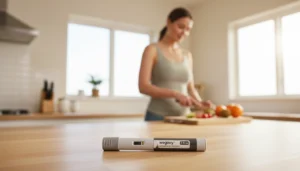
Can the Wegovy Pill Hold the Weight You Lost on Semaglutide Injections?
Most likely yes, once you reach the maintenance dose. The risk is not the destination but the trip: switching means restarting titration on the…
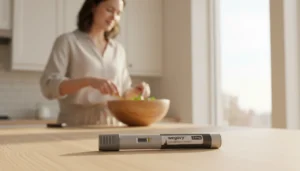
Wegovy Alternatives: What Else Works for Weight Loss
If Wegovy isn’t working out, the strongest alternative is tirzepatide (Zepbound), which tends to produce more weight loss, followed by other GLP-1 options and…
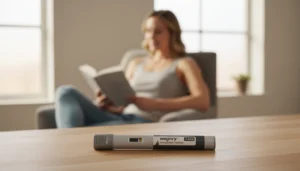
VK2735 vs Wegovy: Investigational Contender vs Proven Semaglutide
VK2735 and Wegovy sit at different stages of development. VK2735, an investigational drug from Viking Therapeutics, comes in both injectable and oral forms and…


