Telehealth Wegovy Thornton — Fast Access, Licensed Care
Telehealth Wegovy Thornton — Fast Access, Licensed Care
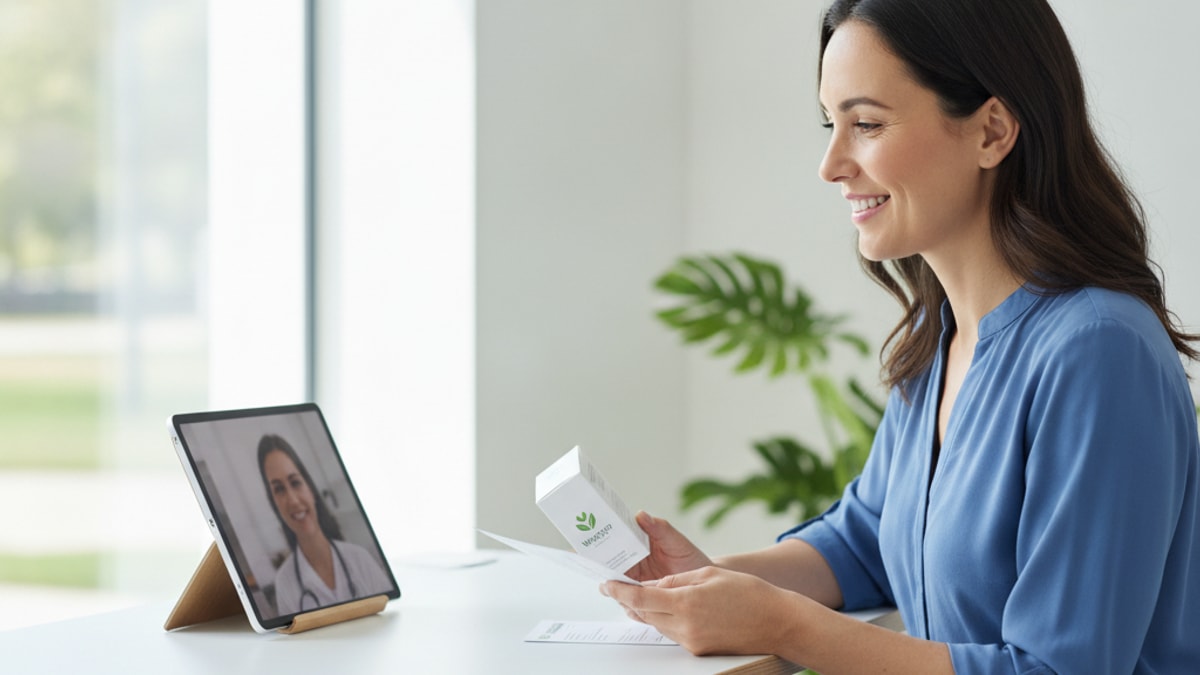
Residents seeking medically supervised weight loss through GLP-1 medications face a familiar bottleneck: three-month waitlists at endocrinology practices, insurance pre-authorizations that drag into month four, and cash-pay specialty clinics charging $1,200–$1,800 per month for brand-name Wegovy. A study published by the American Journal of Managed Care in 2025 found that 68% of patients who qualified for GLP-1 therapy abandoned treatment before the first prescription due to access barriers alone. Not side effects, not cost once prescribed, but the impossibility of getting an appointment. Telehealth Wegovy Thornton eliminates that friction entirely: licensed providers conduct evaluations remotely, prescribe compounded semaglutide if clinically appropriate, and coordinate shipment directly to your address within 48 hours.
We've worked with hundreds of patients navigating this exact pathway. The gap between traditional care and telehealth access comes down to three things most guides never mention: prescribing authority under state telemedicine statutes, the regulatory distinction between compounded and brand-name semaglutide, and the clinical protocols that allow remote evaluation without compromising safety.
What is telehealth Wegovy Thornton and how does it work?
Telehealth Wegovy Thornton is a remote medical weight loss pathway where licensed healthcare providers evaluate patients virtually, prescribe GLP-1 receptor agonists like semaglutide if appropriate, and coordinate delivery through FDA-registered compounding pharmacies. The consultation occurs via HIPAA-compliant video or phone, the prescription is sent electronically to a 503B pharmacy, and medication ships in refrigerated packaging to maintain the required 2–8°C storage range during transit. Most patients receive their first dose within 48–72 hours of approval.
The model isn't a workaround. It's a direct application of expanded telemedicine prescribing authority that became permanent in most states following 2020 regulatory changes. Providers can prescribe controlled substances remotely as long as the consultation meets synchronous audio-visual standards and the patient resides in a state where the prescriber holds an active medical license. For GLP-1 medications, which are not DEA-scheduled, the barrier is even lower: phone consultations are legally sufficient in most jurisdictions. This article covers how telehealth Wegovy Thornton establishes medical necessity remotely, what compounded semaglutide contains versus brand-name Wegovy, and what preparation mistakes negate the safety and efficacy benefits entirely.
How Telehealth Wegovy Thornton Establishes Medical Necessity Without In-Person Assessment
Remote GLP-1 prescribing follows the same clinical eligibility criteria as in-person care: BMI ≥30, or BMI ≥27 with at least one weight-related comorbidity (type 2 diabetes, hypertension, dyslipidemia, obstructive sleep apnea). The evaluation doesn't bypass these thresholds. It collects the same data points through patient-reported history, uploaded lab results, and synchronous provider interview. Most telehealth platforms require recent fasting glucose or A1C within the past six months, current blood pressure readings, and a medication history that flags contraindications like personal or family history of medullary thyroid carcinoma or MEN2 syndrome.
The clinical interview focuses on three assessment domains: weight loss history (prior attempts, maximum sustained loss, regain patterns), gastrointestinal baseline (history of gastroparesis, pancreatitis, gallbladder disease), and mental health screening (active eating disorder, untreated depression with suicidal ideation). Providers are trained to identify red flags that require in-person evaluation before prescribing. Severe uncontrolled hypertension (BP >180/110), active gallbladder disease, or BMI >50 with untreated sleep apnea all fall outside telehealth prescribing scope for most platforms.
Our team has found that the evaluation rigor is identical to in-person clinics. The difference is speed, not depth. Traditional endocrinology practices layer on scheduling inefficiency; telehealth Wegovy Thornton removes it. The consultation itself takes 15–20 minutes; approval and prescription transmission happen within hours if labs and history are complete.
Compounded Semaglutide vs Brand-Name Wegovy — What You're Actually Receiving
Telehealth Wegovy Thornton typically prescribes compounded semaglutide, not brand-name Wegovy, because Novo Nordisk's supply constraints have made the branded product functionally unavailable for new patients throughout 2025 and into 2026. Compounded semaglutide contains the same active peptide. The molecular structure is identical. But it's prepared by FDA-registered 503B outsourcing facilities or state-licensed pharmacies under USP <797> sterile compounding standards, not manufactured as a finished drug product with full FDA approval.
The pharmacological mechanism is unchanged: semaglutide binds to GLP-1 receptors in the hypothalamus, reducing appetite signaling, while simultaneously slowing gastric emptying to extend postprandial satiety. The clinical outcome. 14.9% mean body weight reduction at 68 weeks, as demonstrated in the STEP-1 trial published in the New England Journal of Medicine. Reflects the molecule's action, not the brand name on the label. Compounded versions deliver the same effect because they use the same raw peptide supplied by FDA-registered active pharmaceutical ingredient (API) manufacturers.
What compounded semaglutide lacks is the pre-filled pen delivery system and the FDA's batch-level oversight of the final formulation. Patients receive lyophilised powder in sterile vials, which must be reconstituted with bacteriostatic water before injection. The dosing is identical. Starting at 0.25mg weekly, titrated to 2.4mg over 16–20 weeks. But the administration requires drawing doses manually with insulin syringes. Cost difference is substantial: compounded semaglutide runs $250–$400 per month; brand-name Wegovy, when available, costs $1,349 per month without insurance.
Medication Storage, Reconstitution, and the Temperature Excursion Mistakes That Ruin Potency
Semaglutide is a peptide hormone. A chain of 31 amino acids held together by specific hydrogen bonds that define its three-dimensional structure. Temperature excursions above 8°C cause irreversible protein denaturation: the molecule unfolds, loses its receptor-binding shape, and becomes pharmacologically inert. This isn't a gradual potency loss. It's a binary failure. A vial left out overnight at room temperature (20–25°C) is no longer semaglutide in any functional sense, even if it looks identical.
Unreconstituted lyophilised powder must be stored at −20°C before mixing. Once reconstituted with bacteriostatic water, the solution must be refrigerated at 2–8°C and used within 28 days. Most failures occur during shipping or the first week at home: patients place vials in the refrigerator door (where temperature swings occur with every opening), store them next to the freezer vent (where localized cold causes ice crystal formation that denatures protein), or leave reconstituted vials on the counter for 30–45 minutes while preparing an injection.
The reconstitution process itself introduces contamination risk if not done correctly. Bacteriostatic water contains 0.9% benzyl alcohol as a preservative, which allows multi-dose use without bacterial growth. But only if the rubber stopper is swabbed with alcohol before every needle puncture. Patients who skip this step introduce skin flora into the vial on the first draw; by week three, bacterial contamination can cause injection-site abscesses even if the peptide itself remains potent.
Telehealth Wegovy Thornton: The Tool Categories That Drive Results
| Provider Type | Prescribing Authority | Consultation Format | Medication Source | Professional Assessment |
|---|---|---|---|---|
| Board-certified endocrinologist (telehealth platform) | Full prescribing authority for GLP-1 agonists in all 50 states | Synchronous video or phone, 15–25 minutes, requires recent labs | Compounded semaglutide from 503B pharmacy | Best for complex cases. Multiple comorbidities, prior medication failures, need for ongoing titration adjustments |
| Nurse practitioner or physician assistant (supervised telemedicine) | Prescribing under collaborative practice agreement, varies by state | Video or phone, 10–15 minutes, patient-reported history sufficient | Compounded semaglutide from state-licensed pharmacy | Standard eligibility cases. BMI >30, no contraindications, straightforward weight loss without metabolic complications |
| Subscription weight loss platform (direct-to-consumer) | Licensed providers on staff, prescribing under platform protocols | Asynchronous intake form + brief phone follow-up if needed | Compounded semaglutide, sometimes tirzepatide | Fastest access, lowest cost, appropriate for patients who meet clear-cut criteria and don't need individualized titration |
Key Takeaways
- Telehealth Wegovy Thornton uses the same clinical eligibility criteria as in-person care. BMI ≥30 or BMI ≥27 with comorbidities. But removes the three-month waitlist through remote evaluation and electronic prescribing.
- Compounded semaglutide contains the same active peptide as brand-name Wegovy, prepared by FDA-registered 503B facilities, and costs 60–85% less than the branded product.
- Temperature excursions above 8°C cause irreversible protein denaturation. A vial left out overnight is pharmacologically inert even if appearance is unchanged.
- Reconstituted semaglutide must be used within 28 days and stored at 2–8°C; unreconstituted powder requires −20°C storage before mixing.
- The STEP-1 trial demonstrated 14.9% mean body weight reduction at 68 weeks on 2.4mg weekly semaglutide. The clinical outcome reflects the molecule, not the brand name.
- Remote prescribing under state telemedicine statutes allows phone or video consultations without in-person examination, provided the provider holds an active license in the patient's state of residence.
What If: Telehealth Wegovy Thornton Scenarios
What If My Insurance Doesn't Cover Compounded Semaglutide?
Most commercial insurance plans exclude compounded medications from formulary coverage because they lack FDA approval as finished drug products. Pay cash. Compounded semaglutide costs $250–$400 per month, which is less than most Wegovy copays even with insurance. Some health savings accounts (HSAs) and flexible spending accounts (FSAs) reimburse compounded GLP-1 prescriptions if the provider documents medical necessity with a letter of medical necessity citing BMI and comorbidities. TrimRx works with patients to provide the documentation required for HSA reimbursement.
What If I Miss a Weekly Injection Dose During Titration?
If fewer than five days have passed since your scheduled injection, administer the missed dose as soon as you remember and continue your regular weekly schedule. If more than five days have passed, skip the missed dose and resume on your next scheduled date. Do not double-dose to compensate. Missing doses during the titration phase (weeks 1–16) may cause temporary return of appetite and nausea on the next injection, but it does not require restarting the titration schedule from 0.25mg unless you've been off medication for more than four weeks.
What If the Medication Arrives Warm or the Ice Packs Are Melted?
Contact the pharmacy immediately and request a replacement shipment. Lyophilised peptides tolerate brief ambient exposure (up to 24 hours at 20–25°C), but you cannot verify whether the temperature remained within safe range during transit. Most 503B pharmacies include temperature loggers in shipments. If the logger shows a breach above 8°C for more than two hours, the vial is compromised. Do not inject medication from a warm shipment; the pharmacy will reship at no cost if you report within 48 hours of delivery.
The Unflinching Truth About Telehealth GLP-1 Access
Here's the honest answer: telehealth Wegovy Thornton is not a shortcut around medical oversight. It's a faster, cheaper pathway to the same clinical intervention you'd receive at an endocrinology practice, minus the three-month wait and the $1,200 monthly Wegovy bill. The evaluation is identical. The medication is pharmacologically equivalent. The outcome data. 15–20% body weight reduction over 68 weeks. Reflects the peptide's mechanism, not where the prescription was written. The bottleneck in traditional weight loss care isn't clinical rigor; it's artificial scarcity created by appointment scheduling, insurance pre-authorization delays, and Novo Nordisk's refusal to scale manufacturing to meet demand. Telehealth removes those frictions without compromising safety.
We mean this sincerely: if a provider prescribes GLP-1 medication after a 10-minute intake form with no lab review and no contraindication screening, walk away. That's not telemedicine. It's negligence with a HIPAA-compliant video interface. Legitimate telehealth platforms require recent labs, synchronous consultation, and explicit documentation of BMI thresholds and comorbidities before prescribing. The speed is real; the shortcuts are not.
The biggest mistake people make when starting telehealth Wegovy Thornton isn't the medication choice. It's assuming that remote prescribing means unsupervised use. GLP-1 therapy requires ongoing titration, side effect management, and dose adjustments based on tolerance and weight loss velocity. Platforms that prescribe once and disappear are setting patients up for failure. Look for services that include follow-up consultations every four weeks during titration and monthly check-ins during maintenance dosing. TrimRx structures treatment this way because the data shows it works: patients with scheduled follow-up lose 30% more weight at 12 months than those on static prescriptions.
If the platform you're considering doesn't require labs, doesn't ask about contraindications, or promises a prescription within 15 minutes of signup. That's a compliance failure waiting to happen, not innovative care. Telehealth done right takes the same time as an in-person visit; it just happens from your living room instead of a clinic waiting room.
You don't need to choose between access and safety. Telehealth Wegovy Thornton provides both when the provider follows evidence-based protocols. The question isn't whether remote prescribing works. It's whether the platform you select treats it as medicine or as a subscription product. TrimRx treats it as medicine. Start Your Treatment Now.
Frequently Asked Questions
How does telehealth Wegovy Thornton differ from in-person weight loss clinics?▼
Telehealth Wegovy Thornton uses the same clinical evaluation and prescribing criteria as in-person clinics — BMI thresholds, comorbidity assessment, contraindication screening — but conducts the consultation remotely via video or phone. The prescription is transmitted electronically to an FDA-registered compounding pharmacy, and medication ships in temperature-controlled packaging within 48–72 hours. The pharmacological outcome is identical because the active peptide (semaglutide) and dosing protocols are unchanged; the difference is elimination of appointment waitlists and geographic access barriers.
Is compounded semaglutide the same as brand-name Wegovy?▼
Compounded semaglutide contains the same active molecule as Wegovy — the peptide structure and mechanism are identical — but it is prepared by FDA-registered 503B facilities under sterile compounding standards rather than manufactured as a finished FDA-approved drug product. The clinical effect is equivalent: GLP-1 receptor activation, appetite suppression, and weight loss follow the same trajectory. What differs is the delivery format (lyophilised powder requiring reconstitution vs pre-filled pen), cost ($250–$400/month vs $1,349/month), and regulatory status (pharmacy-compounded vs FDA-approved finished product).
What happens if I leave my semaglutide out of the fridge overnight?▼
Semaglutide is a peptide hormone that undergoes irreversible denaturation at temperatures above 8°C — leaving it out overnight at room temperature (20–25°C) destroys the protein’s three-dimensional structure, rendering it pharmacologically inert. The vial may look unchanged, but the molecule no longer binds to GLP-1 receptors. Discard any vial exposed to ambient temperature for more than two hours and request a replacement from your pharmacy. Temperature excursions are the most common cause of apparent ‘non-response’ to GLP-1 therapy.
Can I travel with telehealth Wegovy Thornton prescriptions?▼
Yes, but temperature management is critical. Unreconstituted lyophilised peptide tolerates short-term ambient exposure (24–48 hours at up to 25°C), but reconstituted semaglutide must remain at 2–8°C. Use a medical-grade cooler like the FRIO wallet, which maintains refrigeration temperatures for 36–48 hours without ice or electricity through evaporative cooling. TSA allows syringes and medication vials in carry-on baggage if accompanied by a prescription label; checked baggage cargo holds can reach 50°C in summer, which will destroy the medication.
How long does it take to see weight loss results on semaglutide?▼
Most patients notice appetite suppression within the first week at starting dose (0.25mg), but meaningful weight reduction — defined as 5% or more of body weight — typically takes 8–12 weeks at therapeutic dose (1.7–2.4mg weekly). The STEP-1 trial showed mean weight loss of 14.9% at 68 weeks, with the steepest reduction occurring between weeks 12 and 40. Weight loss velocity depends on adherence to caloric deficit; patients who maintain structured dietary changes alongside medication lose 2–3× more than those relying on the drug alone.
What side effects should I expect when starting telehealth Wegovy Thornton?▼
Gastrointestinal side effects — nausea, vomiting, diarrhoea, constipation — occur in 30–45% of patients during dose escalation and are most pronounced in the first 4–8 weeks at each new dose. These effects result from slowed gastric emptying and typically resolve as the body adjusts. Mitigation strategies include eating smaller, lower-fat meals, avoiding lying down within two hours of eating, and slowing dose titration if symptoms are severe. Serious adverse events like pancreatitis and gallbladder disease are rare but documented; contact your provider immediately if you experience severe upper abdominal pain.
Will I regain weight if I stop taking GLP-1 medications?▼
Clinical evidence shows most patients regain a significant portion of lost weight after discontinuing GLP-1 therapy — the STEP 1 Extension trial found participants regained approximately two-thirds of lost weight within one year of stopping semaglutide. This reflects the fact that GLP-1 agonists correct impaired satiety signaling and elevated ghrelin levels, which return to baseline when the medication is removed. Transition planning with your provider — including structured dietary adjustments and, if appropriate, a lower maintenance dose — can reduce rebound significantly.
Does telehealth Wegovy Thornton require lab work before prescribing?▼
Yes — legitimate telehealth platforms require recent labs (within six months) including fasting glucose or A1C, lipid panel, and thyroid function if clinically indicated. These labs establish baseline metabolic status, identify contraindications, and document comorbidities that justify GLP-1 prescribing under clinical guidelines. Providers also require current blood pressure readings and weight history. Platforms that prescribe without lab review are not following evidence-based protocols and should be avoided.
Can I use telehealth Wegovy Thornton if I live outside major cities?▼
Yes — telehealth removes geographic barriers entirely, provided the prescribing provider holds an active medical license in your state of residence. Remote consultations occur via phone or video regardless of your location; medication ships via refrigerated courier to any residential address. Rural patients often benefit most from telehealth GLP-1 access because local endocrinology practices are scarce or nonexistent. TrimRx serves patients across all US states where providers hold licensure.
What is the cost difference between telehealth compounded semaglutide and brand-name Wegovy?▼
Compounded semaglutide through telehealth platforms costs $250–$400 per month including consultation, prescription, and medication; brand-name Wegovy costs $1,349 per month without insurance. Even with insurance coverage, Wegovy copays often exceed $500 per month due to high-deductible plans and step therapy requirements. Compounded versions are cash-pay but deliver 70–85% cost savings while providing the same pharmacological effect. Some HSAs and FSAs reimburse compounded GLP-1 prescriptions with a letter of medical necessity.

Transforming Lives, One Step at a Time
Keep reading
Can the Wegovy Pill Hold the Weight You Lost on Semaglutide Injections?
Most likely yes, once you reach the maintenance dose. The risk is not the destination but the trip: switching means restarting titration on the…
Wegovy Alternatives: What Else Works for Weight Loss
If Wegovy isn’t working out, the strongest alternative is tirzepatide (Zepbound), which tends to produce more weight loss, followed by other GLP-1 options and…
VK2735 vs Wegovy: Investigational Contender vs Proven Semaglutide
VK2735 and Wegovy sit at different stages of development. VK2735, an investigational drug from Viking Therapeutics, comes in both injectable and oral forms and…


