How Much Weight Per Week on Semaglutide: What to Expect
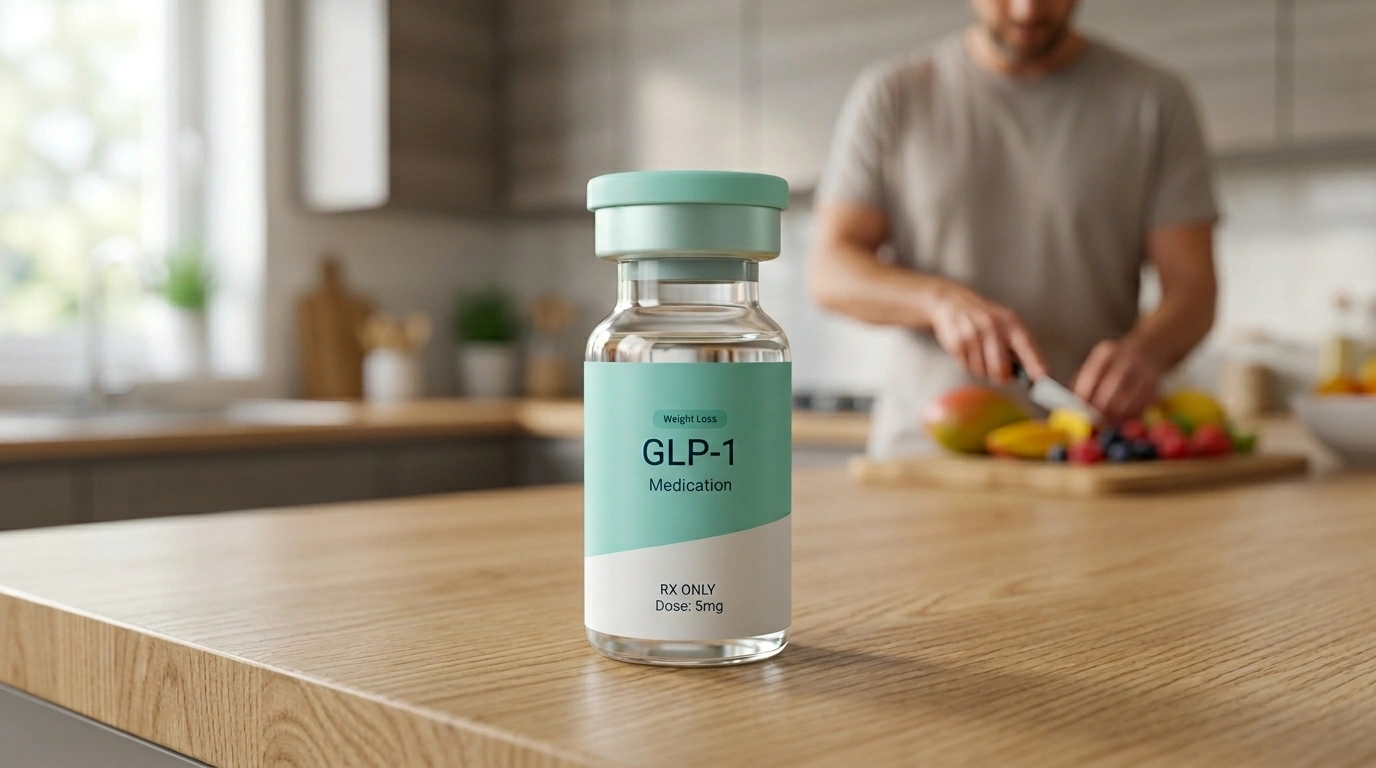
Table of Contents
- Introduction
- The Average Weekly Rate of Weight Loss
- What to Expect in the First Month
- Understanding the Titration Schedule
- Clinical Trial Insights: The STEP Trials
- Factors That Influence Your Weekly Results
- Navigating Plateaus: When the Scale Stops Moving
- Compounded Semaglutide vs. Branded Options
- Optimizing Your Progress with Supplements
- Step-by-Step: Starting Your Journey
- Realistic Expectations for Long-Term Success
- FAQ
Introduction
Stepping on the scale every morning can feel like an emotional roller coaster, especially when you are putting in the work but not seeing the numbers move. Many people find themselves trapped in a cycle of restrictive dieting and intense exercise, only to reach a plateau that feels impossible to break. If you have been researching medical support for your journey, you have likely encountered semaglutide, a glucagon-like peptide-1 (GLP-1) receptor agonist that has changed the conversation around metabolic health. At TrimRx, we understand that you aren’t just looking for a “quick fix” but for a realistic, science-backed timeline that helps you plan for long-term success.
This post will explore the typical rate of weight loss you can expect when starting this medication. We will break down the clinical data, the importance of the titration schedule, and how individual factors like starting weight and lifestyle choices influence your weekly progress. While everyone’s body responds differently, having a roadmap can provide the clarity and confidence you need to stay committed to your health goals. If you are considering prescription support, you can complete a free eligibility assessment to explore whether a personalized program may be appropriate for you.
The Average Weekly Rate of Weight Loss
When starting a program that includes semaglutide, the most common question is: “How much will I lose this week?” Based on clinical research and real-world data, most individuals can expect to lose between 1 and 2 pounds per week once they reach a therapeutic dose. This is generally considered a safe and sustainable rate of weight loss by medical professionals.
However, this number is an average. Weight loss is rarely a perfectly straight line. You may have weeks where the scale drops by 3 pounds and other weeks where it stays exactly the same. This variability is normal and often reflects the body adjusting to its new metabolic state.
Quick Answer: On average, individuals taking semaglutide lose approximately 1 to 2 pounds per week. This rate often fluctuates, with more rapid loss occurring in the first few weeks followed by a steady, consistent decline as the body reaches a maintenance dose.
The Significance of 1 to 2 Pounds
Losing weight at this pace is intentional. When you lose weight too rapidly, you risk losing a significant amount of lean muscle mass along with fat. Muscle is metabolically active tissue, meaning it helps you burn more calories even at rest. By aiming for a steady 1 to 2 pounds per week, you give your body the time it needs to preserve muscle while primarily targeting adipose tissue (fat).
Why the Rate Varies
Several factors determine whether you sit at the higher or lower end of that weekly average.
- Starting BMI: Individuals with a higher starting body mass index (BMI) often see more significant numerical drops in the early stages of treatment.
- Metabolic Health: Those with underlying conditions like insulin resistance or Type 2 diabetes may experience a different weight loss curve than those without these conditions.
- Lifestyle Synergy: The medication works best when paired with nutritional changes and increased physical activity.
What to Expect in the First Month
The first four weeks of a weight loss program involving semaglutide are often the most unique. During this time, your provider will likely start you on a low “onboarding” dose, typically 0.25 mg. This dose is not intended for maximum weight loss; rather, it is designed to introduce the medication to your system and minimize potential side effects like nausea. For more detail, review this guide to how semaglutide starting doses work.
The Initial “Drop”
It is not uncommon to see a loss of 2 to 5 pounds in the very first week. While this is exciting, it is important to understand what is happening internally. Much of this initial weight loss is often attributed to:
- Reduction in Inflammation: GLP-1 medications can have anti-inflammatory effects, which may lead to a quick reduction in systemic puffiness.
- Water Weight: As you begin to eat fewer processed foods and lower your caloric intake, your body releases stored glycogen. Glycogen holds onto water, so as it is used, that water weight is flushed out.
- Decreased Food Volume: Semaglutide slows down gastric emptying (the rate at which food leaves your stomach). You will likely feel full much faster, leading to an immediate reduction in the volume of food in your digestive tract.
The Adjustment Period
After the first week or two, the rate of loss usually stabilizes. Do not be discouraged if the second and third weeks show smaller numbers than the first. This is a sign that your body is moving past water loss and beginning the real work of metabolic adjustment.
Key Takeaway: The first month is about adaptation. While initial weight loss can be high due to water and inflammation, the goal of the first four weeks is to prepare your body for higher, more therapeutic doses.
Understanding the Titration Schedule
One of the most critical factors in how much weight you lose per week is your current dosage. Semaglutide is administered via a “titration” schedule, which means the dose is gradually increased every four weeks. You can also read about the standard semaglutide titration schedule for additional context.
Typical Dosage Progression
The standard path for branded medications like Wegovy® often looks like this:
- Month 1: 0.25 mg weekly
- Month 2: 0.5 mg weekly
- Month 3: 1.0 mg weekly
- Month 4: 1.7 mg weekly
- Month 5 and Beyond: 2.4 mg (maintenance dose)
Why Dosage Affects Weekly Progress
The medication works by mimicking a natural hormone that tells your brain you are full and tells your stomach to slow down. At lower doses, these signals are present but gentle. Many people find that their appetite suppression is “hit or miss” during the first two months. You might feel very full for three days after your injection, but find your hunger returning by day five.
As you move toward 1.0 mg and higher, the appetite suppression becomes more consistent throughout the entire week. This is why many patients report that their most significant and steady weight loss begins in month three or four.
Clinical Trial Insights: The STEP Trials
To understand long-term expectations, we look at the STEP (Semaglutide Treatment Effect in People with Obesity) clinical trials. These studies examined the efficacy of a 2.4 mg weekly dose of semaglutide over a 68-week period.
Summary of STEP 1 Results
In the landmark STEP 1 trial, participants lost an average of 14.9% of their initial body weight over 68 weeks. To put this in perspective:
- An individual starting at 250 pounds lost an average of 37 pounds.
- An individual starting at 200 pounds lost an average of 30 pounds.
The Timeline of Loss
The data showed that weight loss was most rapid during the first 20 weeks. After the 20-week mark, the rate of loss slowed down but continued steadily until about the 60-week mark, where most participants reached a plateau.
| Timeframe | Average Percentage of Weight Lost |
|---|---|
| Week 4 | ~2% to 3% |
| Week 12 | ~6% to 8% |
| Week 28 | ~10% to 12% |
| Week 68 | ~15% to 16% |
Note: These figures are averages from clinical trials where participants also received intensive lifestyle counseling. Your individual results may be higher or lower depending on your unique health profile and adherence to program guidelines.
Factors That Influence Your Weekly Results
While the medication is a powerful tool, it does not operate in a vacuum. Your daily habits and biological makeup play a significant role in determining how much weight you lose each week.
1. Dietary Choices and Protein Intake
Semaglutide makes it easier to eat less, but the quality of what you eat still matters. High-protein diets are essential during weight loss to protect muscle mass. If you are losing 2 pounds a week but not eating enough protein, a larger portion of that weight could be muscle rather than fat. This can actually slow your metabolism over time.
2. Physical Activity
While you can lose weight on semaglutide without exercise, incorporating strength training and cardiovascular activity can increase your weekly caloric deficit and improve your body composition. Many people find that as they lose weight, they have more energy to move, creating a positive feedback loop that supports further loss.
3. Hydration and Electrolytes
Because the medication slows digestion, it can sometimes affect how your body manages fluids. Staying hydrated is crucial for metabolic processes. Sometimes, what looks like a plateau on the scale is actually your body holding onto water because you are dehydrated.
4. Sleep and Stress
High levels of cortisol (the stress hormone) and lack of sleep can hinder weight loss. Cortisol can encourage the body to hold onto fat, especially in the abdominal area. If you find your weekly loss stalling despite good habits, evaluating your sleep hygiene and stress levels is a vital next step.
Navigating Plateaus: When the Scale Stops Moving
It is inevitable: at some point, the scale will stop moving for a week or two. This is called a plateau, and it is a normal part of the human biological response to weight loss. TrimRx also explains why weight loss plateaus can happen on semaglutide.
Why Plateaus Happen
Your body has a “set point,” a weight range it tries to maintain for survival. When you lose weight, your body may respond by lowering your resting metabolic rate to conserve energy. This is a survival mechanism left over from our ancestors.
How to Break a Plateau
If you go more than three weeks without any change in weight or measurements:
- Re-evaluate your caloric intake: As you get smaller, your body requires fewer calories to function. You may need to adjust your intake to reflect your new weight.
- Increase protein: Ensure you are getting at least 0.8 to 1.2 grams of protein per kilogram of body weight.
- Check for “Non-Scale Victories”: Sometimes the scale stays the same, but you are losing inches or your clothes are fitting better. This often means you are losing fat and gaining muscle simultaneously.
Compounded Semaglutide vs. Branded Options
At TrimRx, we connect our members with licensed healthcare providers who can determine if a weight loss program is right for them. This may include prescriptions for compounded semaglutide.
What is Compounded Semaglutide?
Compounded medications are prepared by pharmacists to meet the specific needs of an individual patient. While compounded semaglutide is not FDA-approved, it is prepared in FDA-registered and inspected compounding pharmacies. These pharmacies must follow strict quality standards.
The TrimRx Approach
Our platform provides access to a fully personalized program. This includes the initial doctor consultation, required lab work, and the medication itself—all shipped directly to your door. We remove the barriers of waiting rooms and insurance hurdles, allowing you to focus entirely on your health journey. We believe that professional supervision is key to ensuring your weekly weight loss is both effective and safe.
Myth: “Compounded medications are the same as generic drugs.” Fact: Generic drugs are FDA-approved versions of brand-name drugs. Compounded medications are custom-made by pharmacies and do not go through the same FDA approval process as branded or generic drugs, though the pharmacies themselves are regulated and inspected.
Optimizing Your Progress with Supplements
Sometimes, the medication needs a little extra support to help you feel your best and maintain a steady weight loss pace. Side effects like occasional fatigue or digestive changes can sometimes make it hard to stick to your exercise or nutrition goals.
Nutritional Support
Using a supplement like GLP-1 Daily Support can help fill nutritional gaps that may occur when you are eating significantly less food. Ensuring you have adequate vitamins and minerals supports your energy levels, making it easier to stay active.
Metabolism Boosters
For those looking to maximize their efforts, a supplement like Weight Loss Boost can complement your program by supporting the body’s natural metabolic pathways. These quick-access products do not require a prescription and can be a helpful addition to your daily routine.
Step-by-Step: Starting Your Journey
If you are ready to see how much weight you could lose per week with a professional program, the process is designed to be straightforward and supportive. You can see if you qualify for a personalized program by completing the assessment.
- Step 1: Take the Assessment Quiz. This free quiz helps us understand your health history, your weight loss goals, and whether you might be a candidate for a GLP-1 program.
- Step 2: Connect with a Provider. You will be matched with a licensed healthcare professional who will review your profile and lab work to ensure the program is safe for you.
- Step 3: Receive Your Program. If approved, your personalized program begins. Your medication and supplies are shipped directly to your home from an FDA-registered compounding pharmacy.
- Step 4: Ongoing Support. You have 24/7 access to our team to help you manage side effects, adjust your plan, and celebrate your weekly wins.
Realistic Expectations for Long-Term Success
Weight loss with semaglutide is a marathon, not a sprint. While the question of “how much weight per week” is important for tracking, the real value lies in the cumulative progress over months and years.
The First Six Months
During the first half-year, your primary goal is to establish a consistent routine. By month six, many people have lost between 10% and 12% of their body weight and have settled into a sustainable maintenance dose.
Year One and Beyond
As you approach the one-year mark, your rate of loss will likely slow down. This is the “maintenance phase,” where the focus shifts from losing weight to keeping it off and optimizing your metabolic health. Sustainable weight management is about finding the balance where you feel energized, healthy, and confident.
Bottom line: While you can expect to lose 1–2 pounds per week on average, the most successful individuals focus on the “big picture”—using the medication as a tool to build a healthier relationship with food and movement.
FAQ
How soon will I start losing weight on semaglutide?
Many people see a change on the scale within the first week, often losing 2 to 5 pounds of water weight and inflammation. However, significant fat loss typically becomes more consistent after the first month as you move from the initial 0.25 mg dose to higher, therapeutic levels.
Is it normal to lose only half a pound in a week?
Yes, it is perfectly normal. Weight loss is not linear, and factors like hormone fluctuations, salt intake, and muscle gain can influence the scale. As long as your overall trend is downward over a period of 4 to 6 weeks, the medication is working as intended.
Will I lose more weight if I skip meals?
No, skipping meals is not recommended and can actually slow your progress by causing your body to break down muscle for energy. Because semaglutide reduces hunger, it is important to focus on eating small, nutrient-dense, high-protein meals to fuel your metabolism and maintain your energy levels.
What should I do if my weight loss stalls for two weeks?
First, do not panic, as plateaus are a natural part of the process. Review your protein intake and hydration levels, and ensure you are getting enough sleep. If the stall continues for more than three weeks, consult with your healthcare provider through our platform to discuss a possible dosage adjustment or lifestyle change. If you are ready to discuss whether a supervised program is appropriate, you can take the free assessment quiz.
Disclaimer: This content is for informational purposes only and does not constitute medical advice. It is not intended to diagnose, treat, cure, or prevent any disease or condition. Individual results may vary. Always consult a qualified healthcare professional before starting any weight loss program or medication.

Transforming Lives, One Step at a Time
Keep reading
Semaglutide vs Tirzepatide: Comparing Weight Loss, Blood Sugar, and Side Effects
Semaglutide and Tirzepatide are one of the most common comparisons in medical weight loss. The two medications share a clear family resemblance. Both are…

How Much Weight Can You Lose on Semaglutide?
How much weight can you lose on semaglutide? The answer varies depending on your starting weight, dosage, treatment duration, and individual response to the…

Hair Shedding Months Into Semaglutide
It shows up in the shower drain first, then on the pillow, then in the brush. By the time most people search this, they…


