How to Dispose of Used Wegovy Pens Safely
Introduction
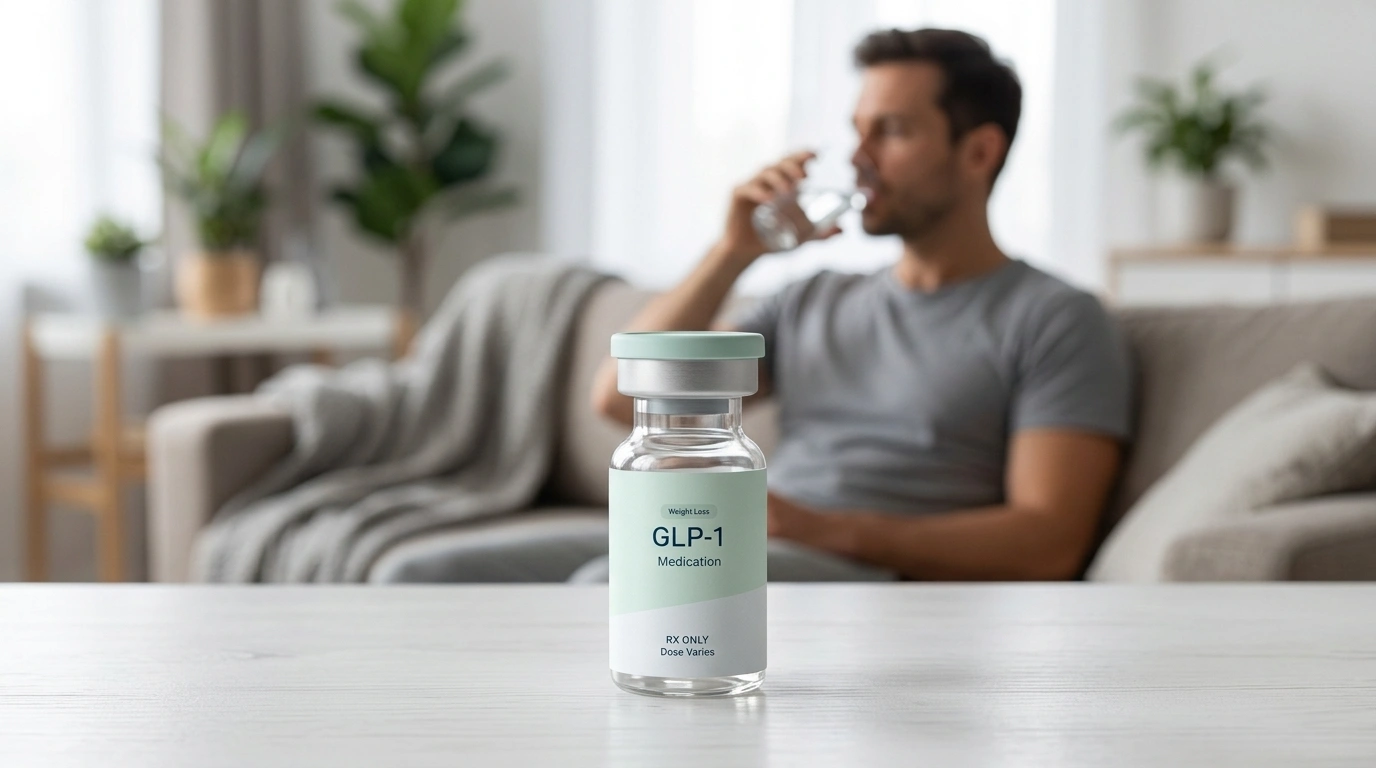
Starting a weight loss journey with a GLP-1 medication like Wegovy® is a significant step toward improving your metabolic health. As you begin your weekly injections, you may find yourself with a practical question: what do you do with the injector once the dose is delivered? Proper medical waste management is a vital part of your treatment plan that ensures the safety of your household and your community. At TrimRx, we believe that achieving your health goals should be paired with clear, actionable guidance on every aspect of your care, including the final step of your weekly routine. If you are still exploring whether prescription GLP-1 treatment is a fit, you can take the free assessment quiz to see what comes next. This article covers the legal requirements, safety protocols, and environmentally responsible methods for discarding your used injectors. By following these established guidelines, you can focus on your progress while maintaining a safe home environment.
The Basics of Sharps Safety
In the medical world, “sharps” is a term used to describe any device with sharp points or edges that can puncture or cut the skin. This category includes needles, syringes, and auto-injectors like the Wegovy® pen. Because these devices contain a needle, they cannot be tossed into the regular trash or recycling bin.
The primary concern with sharps is the risk of accidental needle sticks. Even if you are the only person using the medication, a used needle can carry trace amounts of blood or medication. If a waste management worker or a family member accidentally comes into contact with a loose needle in the trash, it poses a significant health risk.
Using a dedicated disposal method ensures that the needle is shielded and eventually destroyed in a controlled, professional environment. This process is not just about cleanliness; it is a matter of public safety and environmental responsibility.
Why Disposal Rules Exist
The regulations surrounding medical waste are designed to protect several groups of people. First, they protect your immediate household, including children and pets who might encounter a discarded pen. Second, they protect the workers who handle your household waste. Sanitation workers encounter thousands of bags a day, and a needle protruding from a thin plastic trash bag can cause serious injury or exposure to bloodborne pathogens.
Finally, these rules protect the environment. Medical injectors are made of a combination of plastic, metal, and glass. When they are processed through standard recycling centers, they can jam machinery or contaminate large batches of recyclable materials. By separating your medical waste, you ensure that these materials are handled through the correct specialized channels.
Key Takeaway: Proper sharps disposal is a legal and ethical responsibility that prevents accidental injury to family members and sanitation workers while protecting the environment from medical contamination.
The FDA-Recommended Disposal Method
The Food and Drug Administration (FDA) provides specific instructions for disposing of used auto-injectors. The gold standard for this process is the use of an FDA-cleared sharps disposal container. These containers are specifically engineered to be leak-proof and puncture-resistant.
Using an FDA-Cleared Container
Most patients can obtain a red sharps container from a local pharmacy, medical supply store, or through their healthcare provider. These containers come in various sizes, but even a small one can typically hold several months’ worth of weekly pens.
When your Wegovy® pen is used, you should place it immediately into the container. Do not attempt to recap the needle or tamper with the device once the injection is complete. The goal is to minimize the amount of time the used needle is exposed to the open air.
When Is the Container Full?
You should never fill a sharps container to the very top. Most containers have a “fill line” marked on the outside, usually at the three-quarters mark. Once the waste reaches this line, it is time to seal the container permanently and follow your local disposal procedures. Overfilling a container increases the risk that a needle could protrude or that the lid could fail to lock securely.
What If You Do Not Have a Red Sharps Container?
While a professional sharps container is the safest option, there are times when you may not have one immediately available. In these instances, the FDA allows for the use of certain household containers, provided they meet very specific safety criteria.
If you choose to use a household container, it must be:
- Made of heavy-duty plastic (such as a laundry detergent or bleach bottle)
- Able to close with a tight-fitting, puncture-resistant lid
- Able to stay upright and stable during use
- Leak-resistant
What you should never use: Do not use glass jars, aluminum cans, or thin plastic containers like water bottles or soda bottles. These materials can easily shatter or be punctured by a needle, leading to the exact safety risks the guidelines are meant to prevent.
How to Prepare a Household Container
If you use a heavy-duty plastic bottle, you must take extra steps to ensure it is handled correctly by waste workers. Once the bottle is about three-quarters full, screw the lid on tightly and secure it with heavy-duty tape, such as duct tape, to prevent the lid from coming loose.
You must also label the container clearly. Use a permanent marker to write “BIOHAZARD” or “DO NOT RECYCLE: HOUSEHOLD SHARPS” on the outside of the bottle. This warns anyone who handles the bottle that it contains medical waste and should not be processed with standard household recycling.
Essential “Don’ts” for Medication Disposal
To keep your community safe, there are several actions you must strictly avoid when handling your used injectors. These “don’ts” are universal across the United States.
- Do not throw loose pens in the trash: A needle can easily pierce a plastic trash bag and injure anyone who touches the bag.
- Do not put sharps in the recycling: Injectors are not recyclable in the traditional sense. Placing them in a blue bin puts workers at recycling facilities at extreme risk.
- Do not flush your pens: Injectors will clog plumbing systems and introduce medical waste into the water supply.
- Do not attempt to remove the needle: Wegovy® pens are designed as single-unit auto-injectors. Attempting to disassemble the device to remove the needle is dangerous and unnecessary.
Finding a Disposal Location Near You
Once your sharps container is full and sealed, you cannot simply put it out with the weekly trash in many jurisdictions. Disposal rules vary significantly by state and even by county.
Common disposal options include:
- Drop-off Sites: Many hospitals, health clinics, and pharmacies have kiosks or designated areas where you can drop off sealed sharps containers.
- Hazardous Waste Collection: Some communities have household hazardous waste collection sites that accept medical sharps on specific days of the month.
- Mail-Back Programs: Some companies offer a service where they send you a container, and once it is full, you mail it back to them in a pre-paid, specially designed shipping box for professional destruction.
- Residential Special Waste Pickup: In certain areas, you can schedule a special pickup for medical waste through your local sanitation department.
Before you dispose of your container, check with your local health department or search for “sharps disposal” followed by your zip code to find the specific rules for your area.
Managing Your Treatment with TrimRx
At TrimRx, our focus is on providing a personalized experience that covers every stage of your health journey. While we focus on connecting you with licensed providers and personalized weight loss programs, we understand that the logistical side of treatment—like managing your supplies—is just as important as the clinical side.
Our telehealth platform is designed to make weight management accessible and sustainable. When you participate in our programs, you have access to a team of specialists who can answer questions about your treatment, including how to integrate medication into your daily life safely. If you are looking for guidance on how GLP-1 treatment fits into a broader plan, this is a helpful place to start. Whether you are using compounded medications or exploring other options, our goal is to ensure you feel supported and informed.
Bottom line: Safe disposal is a non-negotiable part of using injectable GLP-1 medications, and taking the time to set up a proper sharps system at home is a small but vital step in your overall health strategy.
Traveling Safely with GLP-1 Injectors
If you are traveling while on a weight loss program, you will need to plan for both the storage and the disposal of your pens. Traveling with medication is common, but it requires a bit of foresight regarding medical waste.
When you are away from home, you should still follow the same disposal rules. Many hotels do not have sharps containers in the rooms, so you should bring a small, travel-sized sharps container with you. If you are flying, the TSA (Transportation Security Administration) allows you to carry your injectors and a sharps container in your carry-on luggage.
If you find yourself in a situation where you cannot access a sharps container while traveling, do not throw the used pen in a hotel trash can. Instead, keep the used pen in a secure part of your luggage (ideally inside a hard-sided case) and bring it home to dispose of it in your primary sharps container.
What to Do in Case of an Accidental Needle Stick
Despite your best efforts, accidents can happen. If you or someone in your household is accidentally stuck by a used needle, you should act immediately.
- Wash the area: Immediately wash the puncture site with soap and water. Do not use harsh chemicals like bleach, but a standard antiseptic can be used.
- Contact a professional: Call your healthcare provider or go to an urgent care center right away.
- Follow medical advice: A doctor may recommend blood tests or other preventative measures, depending on the circumstances of the injury.
While the risk of infection from your own needle is low, any accidental stick should be treated with caution to ensure your long-term health.
Understanding the Lifecycle of Your Medication
The medications used in modern weight loss programs, such as Semaglutide or Tirzepatide, are powerful tools for metabolic health. These medications work by mimicking natural hormones in the body to regulate appetite and blood sugar. Because they are proteins, they must be injected rather than swallowed, which is why the auto-injector pen is the standard delivery method.
Understanding how these devices work—and how they are disposed of—helps you become a more engaged and responsible patient. If you want to compare treatment pathways before getting started, this tirzepatide guide is a useful next read. When you use your medication as directed and dispose of the hardware safely, you are contributing to a healthcare system that is safer for everyone.
Creating a Routine for Success
The most successful participants in weight loss programs are those who create consistent routines. This includes your dosing schedule, your nutrition, and your supply management.
- Step 1: Designate a specific spot in your home for your medication and your sharps container.
- Step 2: Mark your injection day on your calendar.
- Step 3: Immediately after your injection, place the pen in the container.
- Step 4: Periodically check the fill line on your container so you are not caught with a full bin on your next injection day.
By making disposal an automatic part of your injection process, you remove the guesswork and ensure that no used pens are ever left sitting on a counter or tossed into a standard bin.
Final Thoughts on Safety and Support
Properly disposing of your Wegovy® pens is a small but essential task that protects your loved ones and the community. By choosing the right container and following local regulations, you ensure that your weight loss journey remains a positive and safe experience for everyone involved.
TrimRx is dedicated to helping you navigate the complexities of modern weight loss. We believe that science-backed treatments, paired with empathy and clear communication, are the keys to lasting success. If you are ready to see whether a personalized program is the right fit, you can complete the free assessment quiz to get started. As you continue your program, remember that every detail—from your personalized dosage to the way you handle your supplies—contributes to your overall health and well-being.
Key Takeaway: Consistency in safety is just as important as consistency in dosing. Establish a permanent “sharps station” in your home to make safe disposal a seamless part of your weekly health routine.
FAQ
Can I throw my used Wegovy® pen in the regular trash if I put the cap back on?
No, you should never throw a used pen in the regular trash, even with the cap on. Caps can easily fall off or be punctured by the needle during the waste compression process, creating a safety hazard for sanitation workers. Always use a dedicated sharps container or a heavy-duty plastic bottle labeled for medical waste. If you are still working through whether prescription treatment is appropriate, you can take the free assessment quiz to review your options.
Where can I get a free sharps container for my injections?
Many manufacturers of GLP-1 medications offer free sharps containers through their patient support programs. Additionally, some state health departments or local pharmacies provide them at no cost to residents. You can also check with your healthcare provider to see if they have containers available for patients starting a new injectable treatment. For a broader look at treatment support, this review of TrimRx covers how the platform approaches care.
Is it okay to use a plastic milk carton for my used pens?
No, a plastic milk carton is not safe for sharps disposal because the plastic is too thin and can be easily punctured by a needle. You should only use heavy-duty plastic containers, such as those used for laundry detergent or liquid fabric softener, which have thicker walls and a secure, screw-on lid. If you are also looking at how different programs handle treatment access, this tirzepatide comparison offers a useful perspective.
What should I do with my sharps container when it is full?
When your container is three-quarters full, seal it securely with heavy-duty tape and check your local regulations for disposal. Common options include dropping it off at a designated collection site, such as a pharmacy or hospital, or using a mail-back service. Do not place the sealed container in your standard recycling bin. If you want to learn more about the ordering process itself, how to buy tirzepatide explains the steps from consultation through delivery.
Disclaimer: This content is for informational purposes only and does not constitute medical advice. It is not intended to diagnose, treat, cure, or prevent any disease or condition. Individual results may vary. Always consult a qualified healthcare professional before starting any weight loss program or medication.

Transforming Lives, One Step at a Time
Keep reading
Wegovy Prior Authorization Approved, Then Reversed: What Happens Now
Getting an approval and then losing it is worse than never being approved, and not only because of the medication. You made a plan…
Can the Wegovy Pill Hold the Weight You Lost on Semaglutide Injections?
Most likely yes, once you reach the maintenance dose. The risk is not the destination but the trip: switching means restarting titration on the…

Wegovy Alternatives: What Else Works for Weight Loss
If Wegovy isn’t working out, the strongest alternative is tirzepatide (Zepbound), which tends to produce more weight loss, followed by other GLP-1 options and…


