Glutathione Therapy Norfolk — What Providers Actually Offer
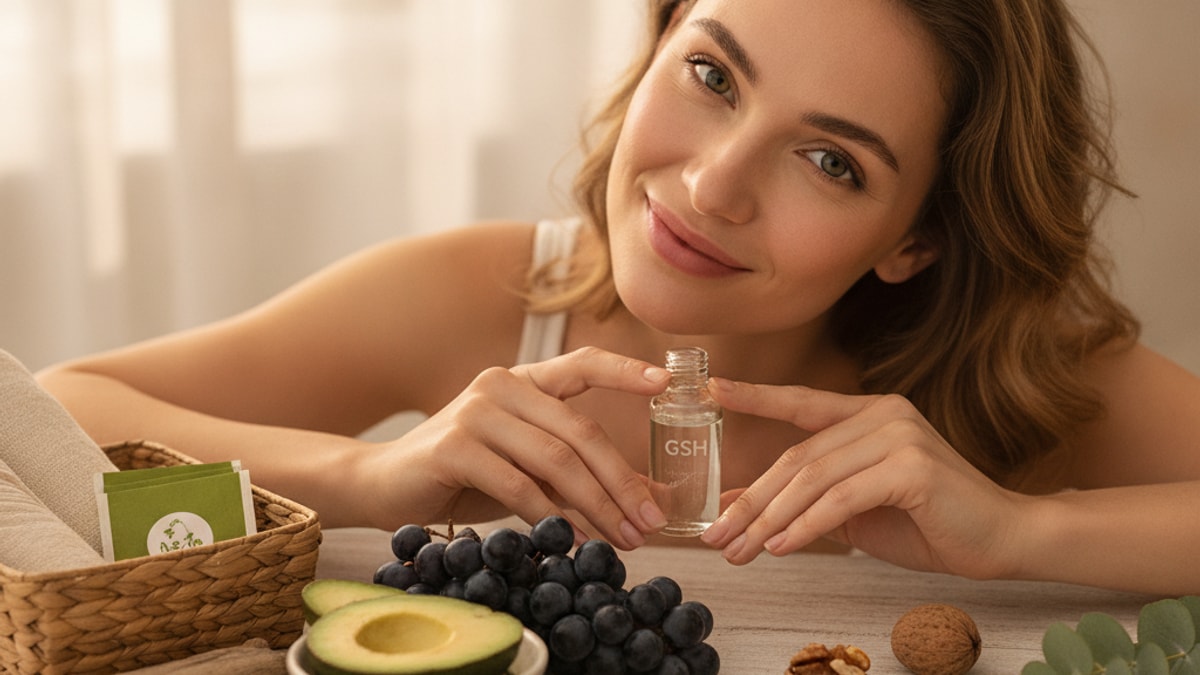
Glutathione Therapy Norfolk — What Providers Actually Offer
A 2021 randomised controlled trial published in the European Journal of Nutrition found that intravenous glutathione produced measurable increases in whole blood glutathione levels within 30 minutes, while oral administration at identical doses showed statistically insignificant changes even after 6 months. The mechanism isn't complicated. Glutathione is a tripeptide that gets cleaved by digestive enzymes before systemic absorption can occur, meaning swallowing it rarely delivers the antioxidant effect the marketing promises.
We've worked with patients across metabolic health interventions for years. The gap between what glutathione therapy providers claim and what the clinical evidence actually supports is wider than most people realise. And understanding that gap matters before spending hundreds on IV drips or supplement regimens.
What is glutathione therapy and does it work for weight loss or detoxification?
Glutathione therapy involves administering reduced L-glutathione (GSH). The body's most abundant intracellular antioxidant. Either orally, intravenously, or via nebulisation to increase systemic levels. Clinical evidence supports IV glutathione for specific medical indications including Parkinson's disease symptom management and acetaminophen overdose, but claims about weight loss, detoxification, and skin lightening lack peer-reviewed support in healthy populations. Oral glutathione supplements show minimal bioavailability due to enzymatic breakdown in the GI tract, while IV administration bypasses first-pass metabolism entirely.
Here's what separates evidence-based glutathione use from wellness marketing: glutathione is synthesised endogenously from cysteine, glycine, and glutamate. Your liver produces 8–10 grams daily under normal conditions. Supplementation only meaningfully raises systemic levels when delivery bypasses digestion or when endogenous synthesis is impaired by disease states like cirrhosis, HIV/AIDS, or severe oxidative stress from chemotherapy. The rest of this piece covers exactly how glutathione therapy works mechanistically, what delivery methods actually achieve systemic absorption, and what Norfolk providers offer versus what the published evidence supports.
The Mechanism Behind Glutathione's Antioxidant Function
Glutathione functions as the primary intracellular reducing agent through its thiol group (-SH) on the cysteine residue, which donates electrons to neutralise reactive oxygen species (ROS) and reactive nitrogen species (RNS). This redox reaction converts reduced glutathione (GSH) to oxidised glutathione (GSSG), which glutathione reductase then regenerates back to GSH using NADPH as the electron donor. The GSH:GSSG ratio serves as the key biomarker of cellular redox status. Ratios below 100:1 indicate oxidative stress.
The enzymatic system depends on three core components: glutathione peroxidase (which uses GSH to reduce hydrogen peroxide to water), glutathione S-transferase (which conjugates GSH to xenobiotics for elimination), and gamma-glutamylcysteine synthetase (the rate-limiting enzyme in GSH synthesis). When endogenous production can't keep pace with oxidative load. During sepsis, chemotherapy, acetaminophen toxicity, or advanced liver disease. Exogenous glutathione administration becomes clinically relevant.
Our team has reviewed this across metabolic health protocols repeatedly. The misconception is that more glutathione automatically equals better health outcomes. That's not how antioxidant systems work. They're tightly regulated feedback loops, not linear dose-response curves. Supplementing glutathione in someone with normal hepatic function and no oxidative stress doesn't elevate tissue levels meaningfully because cells downregulate synthesis when extracellular GSH is abundant.
Delivery Methods and Bioavailability — What Actually Reaches Systemic Circulation
Oral glutathione supplements face enzymatic degradation by gamma-glutamyltransferase in the intestinal brush border, cleaving the tripeptide into constituent amino acids before systemic absorption. A 2014 pharmacokinetics study in the European Journal of Clinical Pharmacology measured plasma glutathione levels after 1,000mg oral doses and found peak increases of only 17% above baseline. Statistically significant but clinically modest compared to IV administration, which produces 300–500% increases within minutes.
Intravenous glutathione bypasses first-pass metabolism entirely, delivering 100% bioavailability directly into circulation. Standard IV protocols in Norfolk wellness clinics typically administer 600–2,000mg over 15–30 minutes, achieving peak plasma concentrations of 1,500–3,000 μmol/L versus baseline levels around 5–10 μmol/L. These elevated levels persist for 60–90 minutes before hepatic uptake and renal clearance return concentrations to baseline.
Liposomal and sublingual formulations claim enhanced absorption through phospholipid encapsulation or buccal mucosa absorption, but peer-reviewed pharmacokinetic data remains sparse. A 2017 pilot study using liposomal glutathione showed modestly improved bioavailability versus standard oral capsules (approximately 25% plasma increase versus 15%), but still nowhere near IV levels. The biggest mistake people make is assuming 'liposomal' automatically means 'IV-equivalent'. It doesn't.
Glutathione Therapy Norfolk: Medical vs Wellness Applications
Glutathione IV therapy appears in two distinct contexts in Norfolk. Medical facilities using it for specific FDA-recognised indications, and wellness centres offering it as an elective antioxidant or aesthetic treatment. The former includes hospital-based administration for acetaminophen (paracetamol) overdose, where N-acetylcysteine (a glutathione precursor) is the standard of care, and experimental protocols for Parkinson's disease where intranasal or IV glutathione has shown symptom improvement in small trials.
Wellness clinics in Norfolk typically offer glutathione IV drips as part of broader 'detox' or 'immune support' packages, often combined with vitamin C, B-complex vitamins, and magnesium. These protocols range from $75–$150 per session, with providers recommending weekly or biweekly administration. The claimed benefits include immune enhancement, skin lightening, hangover recovery, and general detoxification. None of which have robust clinical trial support in healthy populations.
Here's the honest answer: glutathione doesn't 'detoxify' in the way wellness marketing implies. Your liver already conjugates toxins with glutathione via GST enzymes. That's endogenous detoxification, happening continuously. IV glutathione might marginally increase conjugation capacity if you're already severely depleted, but in someone with normal liver function, extra circulating GSH doesn't accelerate elimination of alcohol metabolites, environmental pollutants, or dietary toxins. The body's rate-limiting step is enzyme activity and hepatic blood flow, not glutathione availability.
Glutathione Therapy Norfolk: Medical vs Wellness | Comparison
| Application | Delivery Method | Typical Dose | Evidence Quality | Cost in Norfolk | Professional Assessment |
|---|---|---|---|---|---|
| Acetaminophen overdose | IV N-acetylcysteine (glutathione precursor) | 150mg/kg loading dose, then titrated | High. FDA-approved, multiple RCTs | Hospital-based, insurance-covered | Gold standard antidote with clear mortality benefit. No controversy here |
| Parkinson's symptom management | IV or intranasal glutathione | 600–1,400mg 2–3× weekly | Moderate. Small RCTs show motor improvement, mechanism unclear | $100–$180/session | Promising but investigational. Larger Phase 3 trials needed before standard-of-care adoption |
| Skin lightening/aesthetic | IV glutathione | 600–2,000mg weekly | Low. No placebo-controlled trials, anecdotal reports only | $90–$150/session | Mechanism plausible (inhibits tyrosinase) but evidence insufficient. Not FDA-approved for this indication |
| General 'detox'/wellness | IV glutathione + vitamin cocktail | 1,000–2,000mg per drip | Very low. No trials in healthy populations | $120–$200/session | Marketing outpaces evidence. Normal liver function handles detoxification without exogenous GSH supplementation |
| Oral supplementation (general use) | Capsules, 500–1,000mg daily | 250–1,000mg/day | Low. Minimal bioavailability, inconsistent plasma level changes | $30–$60/month | Bioavailability too low to meaningfully raise systemic levels. NAC or glycine supplementation more cost-effective for supporting endogenous synthesis |
Key Takeaways
- Intravenous glutathione achieves 100% bioavailability and produces plasma level increases of 300–500% within minutes, while oral administration rarely raises levels more than 15–20% due to enzymatic breakdown in the GI tract.
- FDA-approved medical uses for glutathione include acetaminophen overdose treatment (via N-acetylcysteine) and investigational protocols for Parkinson's disease. Wellness applications lack peer-reviewed clinical trial support.
- Glutathione therapy in Norfolk ranges from $75–$150 per IV session at wellness clinics or $30–$60 monthly for oral supplements, with medical facilities using it for specific poisoning or neurological indications.
- The body synthesises 8–10 grams of glutathione daily under normal conditions. Supplementation only meaningfully raises systemic levels when endogenous production is impaired by disease or severe oxidative stress.
- Claims about glutathione detoxification, immune enhancement, or skin lightening rely on mechanistic plausibility rather than placebo-controlled human trials. The liver's conjugation pathways already operate near maximum efficiency in healthy individuals.
What If: Glutathione Therapy Scenarios
What if I'm considering glutathione IV therapy for general wellness — is it worth the cost?
Skip it unless you have a documented oxidative stress condition confirmed by laboratory testing (GSH:GSSG ratio, oxidised LDL, or 8-OHdG urinary markers). Healthy individuals with normal liver function maintain glutathione homeostasis without exogenous supplementation. The IV drip raises plasma levels temporarily but doesn't translate to long-term tissue saturation or clinical benefit. The $120–$150 per session cost delivers short-lived plasma elevation without addressing upstream metabolic dysfunction if it exists.
What if I have chronic fatigue or suspected oxidative stress — would glutathione help?
Consult a physician who can order baseline glutathione testing and assess whether oxidative stress is actually driving your symptoms. Conditions like chronic inflammatory response syndrome (CIRS), mitochondrial dysfunction, or heavy metal toxicity can deplete glutathione meaningfully, in which case IV administration or NAC supplementation might provide symptomatic relief. But fatigue has dozens of potential causes. Treating presumed glutathione deficiency without confirming it wastes money and delays proper diagnosis.
What if I want to support glutathione levels without IV therapy — what works?
Support endogenous synthesis by ensuring adequate intake of precursor amino acids: cysteine (from whey protein, eggs, poultry), glycine (from bone broth, collagen), and glutamate (widely available in protein sources). N-acetylcysteine (NAC) supplementation at 600–1,200mg daily raises intracellular glutathione more cost-effectively than oral GSH because NAC survives first-pass metabolism and provides bioavailable cysteine. The rate-limiting precursor. Selenium and riboflavin support glutathione peroxidase and reductase function respectively.
The Clinical Truth About Glutathione Supplementation
Here's the honest answer: glutathione supplementation works brilliantly for acetaminophen overdose and shows genuine promise for Parkinson's disease. For everything else wellness clinics promote. Detoxification, immune boosting, skin lightening, hangover recovery. The evidence quality is low to non-existent. The mechanism is plausible in theory, which is why the marketing sounds convincing, but plausibility isn't the same as clinical proof.
Most people walking into Norfolk wellness clinics for glutathione drips don't have oxidative stress. They have normal age-related decline in antioxidant capacity, which is not a disease state requiring intervention. The $150 IV session elevates plasma glutathione for 90 minutes, after which renal clearance returns levels to baseline. Without addressing diet, sleep, chronic inflammation, or mitochondrial function, that temporary spike accomplishes nothing durable. We mean this sincerely: if you're spending $600/month on glutathione IVs but still eating a pro-inflammatory diet and sleeping five hours nightly, you're treating the wrong variable.
The supplement industry capitalised on glutathione's legitimate role in cellular defence and extrapolated it into a cure-all without waiting for human trials. That's not how evidence-based medicine works. And it's why most integrative physicians who understand redox biochemistry recommend NAC, glycine, and dietary optimisation before ever suggesting IV glutathione for wellness purposes.
If glutathione IV therapy interests you for a specific medical indication like Parkinson's symptom management or documented severe oxidative stress, work with a physician who can monitor biomarkers and adjust protocols based on response. If you're considering it for general wellness, aesthetic purposes, or 'detox', save your money. The return on investment doesn't match the marketing claims. That's not cynicism. It's what the clinical literature actually shows when you read past the abstracts and examine the methodology of the studies wellness clinics cite.
For patients exploring metabolic health interventions that address root-cause dysfunction rather than symptom suppression, start your treatment consultation to work with licensed providers who base protocols on peer-reviewed evidence rather than wellness trends. Sustainable metabolic improvement comes from addressing insulin resistance, mitochondrial function, and chronic inflammation. Not chasing transient antioxidant spikes that revert to baseline within hours.
Frequently Asked Questions
How does IV glutathione therapy work compared to oral supplements?▼
IV glutathione delivers 100% bioavailability directly into systemic circulation, bypassing the gastrointestinal tract where oral glutathione is cleaved by enzymes into constituent amino acids before absorption. A single 1,000–2,000mg IV dose raises plasma glutathione levels by 300–500% within minutes, while oral doses of the same amount increase levels by only 15–20% due to first-pass metabolism and enzymatic degradation by gamma-glutamyltransferase in the intestinal brush border.
Can glutathione therapy help with weight loss or metabolic health?▼
No peer-reviewed clinical trials demonstrate that glutathione supplementation — oral or IV — produces weight loss in healthy or overweight populations. While oxidative stress and mitochondrial dysfunction are associated with obesity, addressing these issues requires comprehensive metabolic intervention (caloric deficit, resistance training, sleep optimisation) rather than isolated antioxidant supplementation. Claims linking glutathione to fat loss or metabolic improvement lack controlled human trial evidence.
What does glutathione therapy cost in Norfolk and is it covered by insurance?▼
Wellness-focused IV glutathione therapy in Norfolk typically costs $75–$150 per session for 1,000–2,000mg doses, with oral supplements ranging from $30–$60 monthly for 500–1,000mg daily formulations. Insurance rarely covers elective glutathione administration for wellness purposes — coverage applies only to FDA-approved medical indications like acetaminophen overdose or investigational protocols for Parkinson’s disease administered in clinical trial settings.
What are the side effects or risks of glutathione IV therapy?▼
Adverse events from IV glutathione are rare but include abdominal cramping, allergic reactions (rash, bronchospasm in asthmatics), and transient hypotension during rapid infusion. High-dose chronic administration (above 2,500mg multiple times weekly) has theoretical risk of disrupting cellular redox signalling, as excessive antioxidant capacity can impair normal immune function and cellular stress responses. Most providers in Norfolk use conservative dosing protocols that minimise these risks.
Is glutathione therapy safe during pregnancy or breastfeeding?▼
Glutathione is endogenously produced and considered safe at physiological levels, but data on high-dose IV supplementation during pregnancy is insufficient to establish safety. The American College of Obstetricians and Gynecologists has not issued guidance on elective antioxidant IV therapy during gestation. Pregnant or breastfeeding individuals should avoid glutathione supplementation unless prescribed by a physician for a specific medical indication like acetaminophen overdose.
How does glutathione therapy compare to NAC supplementation for liver health?▼
N-acetylcysteine (NAC) is a glutathione precursor that survives first-pass metabolism and raises intracellular glutathione more effectively than oral glutathione itself. For liver health and antioxidant support, NAC at 600–1,200mg daily is more cost-effective and evidence-based than oral glutathione, though IV glutathione produces higher acute plasma levels. Both support hepatic glutathione synthesis, but NAC has stronger clinical trial data in non-acute settings.
Does glutathione therapy actually detoxify the body from environmental toxins?▼
Glutathione conjugates with xenobiotics and toxins via glutathione S-transferase enzymes as part of Phase II hepatic detoxification — this process occurs continuously in healthy individuals without supplementation. Exogenous glutathione administration doesn’t accelerate this pathway unless endogenous synthesis is severely impaired by disease (cirrhosis, HIV/AIDS) or acute poisoning. The liver’s conjugation capacity is rate-limited by enzyme activity and blood flow, not glutathione availability in healthy populations.
What blood tests should I get before starting glutathione therapy to confirm I need it?▼
Request baseline testing of whole blood glutathione (GSH), oxidised glutathione (GSSG), and the GSH:GSSG ratio — ratios below 100:1 indicate oxidative stress. Additional markers include oxidised LDL, 8-hydroxy-2′-deoxyguanosine (8-OHdG) in urine, and high-sensitivity C-reactive protein (hs-CRP) to assess systemic inflammation. These biomarkers establish whether oxidative stress exists and justify supplementation — starting therapy without lab confirmation treats a presumed condition that may not exist.
How long does it take to see results from glutathione therapy and how often should I get treatments?▼
Acute plasma glutathione elevation occurs within 15–30 minutes of IV administration but returns to baseline within 90 minutes due to renal clearance and hepatic uptake. Claimed benefits like skin lightening or immune enhancement (which lack controlled trial evidence) supposedly require 8–12 weekly sessions according to wellness clinic protocols, though no published data confirms this dosing schedule produces sustained tissue-level changes. For medical indications like Parkinson’s, protocols use 2–3 sessions weekly based on investigational trial designs.
Who should avoid glutathione therapy entirely due to underlying health conditions?▼
Individuals with asthma should use caution as inhaled or IV glutathione can trigger bronchospasm in sensitive patients. Those receiving chemotherapy should consult their oncologist before using antioxidant therapy, as high-dose antioxidants may theoretically interfere with pro-oxidant cancer treatments. People with kidney disease require dose adjustments due to reduced renal clearance. There are no absolute contraindications for oral glutathione, but IV administration requires medical supervision.

Transforming Lives, One Step at a Time
Keep reading

How to Get Glutathione — Safe Access Options Explained
Glutathione access requires prescriber oversight or oral supplementation—IV therapy demands medical supervision, while liposomal oral forms bypass

Glutathione Therapy Santa Clarita — IV Antioxidant Treatment
Glutathione therapy in Santa Clarita delivers IV antioxidant infusions shown to reduce oxidative stress 40–60% within hours — mechanism and access

Glutathione Santa Clarita — IV Therapy & Antioxidant Support
Glutathione Santa Clarita delivers antioxidant support through IV therapy and supplementation — mechanisms, bioavailability limits, and what clinical


