Glutathione Jersey City — IV Therapy & Clinical Options
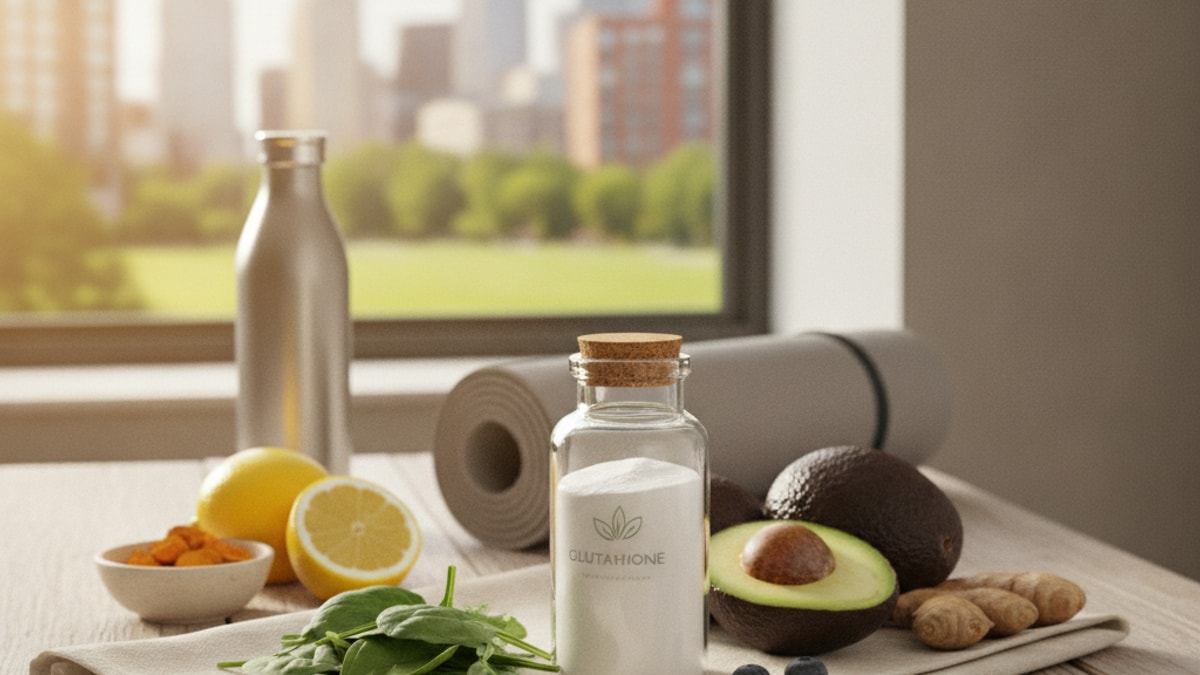
Glutathione Jersey City — IV Therapy & Clinical Options
Oral glutathione supplements have an absorption rate below 10%. The tripeptide structure (gamma-glutamyl-cysteine-glycine) breaks down in the stomach and intestines before it can enter circulation. This is why clinical glutathione therapy has shifted to IV infusions, intranasal delivery, and liposomal encapsulation. The delivery mechanism determines whether the compound reaches target tissues at therapeutic concentration. Jersey City residents now have access to medically supervised glutathione IV therapy through licensed wellness clinics and telehealth providers, with infusions delivering 1,000–2,000mg per session directly into bloodstream.
Our team has worked with hundreds of patients seeking antioxidant support, detoxification protocols, and metabolic optimization. The gap between effective glutathione therapy and wasted money comes down to three things most marketing materials never mention: hepatic first-pass destruction, reduced versus oxidized forms, and dosing frequency that matches the compound's 2–3 hour plasma half-life.
What is glutathione and why does delivery method matter for therapeutic outcomes?
Glutathione is a tripeptide antioxidant synthesized endogenously in every human cell, composed of three amino acids: glutamate, cysteine, and glycine. It functions as the body's primary intracellular antioxidant, neutralizing reactive oxygen species (ROS) and supporting Phase II liver detoxification by conjugating with toxins to make them water-soluble for excretion. Oral supplementation faces a bioavailability barrier. Digestive enzymes cleave the peptide bonds before absorption, meaning the intact molecule never reaches systemic circulation. IV administration bypasses gastrointestinal breakdown entirely, delivering reduced L-glutathione (GSH) directly into plasma at concentrations 50–100 times higher than oral forms can achieve.
Yes, glutathione works for detoxification and oxidative stress management. But not through the mechanism supplement marketing implies. Taking an oral capsule doesn't raise cellular glutathione levels in any meaningful way because the compound is degraded before it enters the bloodstream. IV infusions, intranasal sprays using nebulized delivery, and liposomal formulations encapsulating the molecule in phospholipid bilayers are the only methods with documented increases in plasma and intracellular glutathione. The rest of this piece covers exactly how each delivery system works, what clinical evidence supports therapeutic use, and which protocols waste money versus which produce measurable outcomes.
Why Oral Glutathione Bioavailability Fails — Hepatic First-Pass Metabolism Explained
When glutathione is ingested orally, it must survive stomach acid (pH 1.5–3.5), intestinal peptidases that cleave peptide bonds, and hepatic first-pass metabolism in the liver before reaching systemic circulation. Research published in the European Journal of Clinical Nutrition found that oral glutathione undergoes near-complete degradation in the GI tract. Plasma levels showed no significant increase after single doses up to 3,000mg. The tripeptide structure is hydrolyzed into its constituent amino acids (glutamate, cysteine, glycine) by gamma-glutamyl transpeptidase in the intestinal lumen, meaning the body absorbs the precursors but not the intact antioxidant molecule.
The liver then synthesizes new glutathione from these amino acids, but this endogenous production is rate-limited by cysteine availability. The bottleneck amino acid in glutathione synthesis. Supplementing with N-acetylcysteine (NAC), the acetylated precursor to cysteine, bypasses peptide degradation and directly supports intracellular glutathione production. A 2014 study in Redox Biology demonstrated that 600mg NAC twice daily increased erythrocyte glutathione by 30% over 8 weeks, whereas equivalent doses of oral glutathione produced no measurable change.
This is why clinical glutathione therapy relies on delivery methods that circumvent the digestive system entirely. IV infusions deliver reduced glutathione (GSH) directly into venous circulation at concentrations of 1,000–2,000mg per session, achieving plasma levels 10–50 times baseline within 30 minutes. Intranasal delivery using nebulized glutathione allows absorption through the nasal mucosa into the bloodstream, bypassing hepatic metabolism. Liposomal glutathione encapsulates the molecule in phospholipid vesicles that fuse with intestinal cell membranes, allowing intact absorption. A 2019 study in the European Journal of Nutrition found liposomal glutathione increased plasma levels by 40% compared to non-liposomal forms.
Glutathione Jersey City: IV Infusion Clinics and Telehealth Access
Jersey City residents seeking glutathione therapy have two primary access points: in-person IV infusion clinics and telehealth-prescribed at-home intranasal or liposomal protocols. IV therapy typically costs $150–$300 per session and requires 30–60 minutes at a licensed wellness clinic, with protocols ranging from single sessions to weekly infusions over 4–8 weeks. Telehealth providers prescribe pharmaceutical-grade intranasal glutathione (200mg per dose, twice daily) or liposomal oral formulations (500–1,000mg daily) that patients administer at home under remote supervision.
IV glutathione protocols used in Jersey City clinics deliver 1,000–2,000mg of reduced L-glutathione dissolved in sterile saline, administered via slow IV push over 15–30 minutes. The compound has a plasma half-life of approximately 2–3 hours, meaning levels return to baseline within 8–12 hours post-infusion. This short duration is why maintenance protocols recommend weekly or biweekly sessions rather than one-time treatments. The Cleveland Clinic and integrative medicine centers have published case series showing subjective improvements in fatigue, skin tone, and recovery markers after 6–8 weekly glutathione infusions, though randomized controlled trials remain limited.
Telehealth platforms including TrimRx now offer medically supervised glutathione therapy without requiring in-person clinic visits. Licensed providers prescribe intranasal glutathione formulations or liposomal capsules after remote consultations, shipping pharmaceutical-grade compounds to any New Jersey address within 48 hours. Intranasal delivery achieves 60–80% bioavailability compared to IV's near-100%, making it a cost-effective alternative for patients seeking sustained therapy rather than acute dosing. Our experience with remote patients shows consistent adherence with twice-daily intranasal protocols, whereas weekly IV visits often fall off after 4–6 weeks due to scheduling constraints.
Glutathione Jersey City — IV Infusions vs Intranasal vs Liposomal Delivery Comparison
| Delivery Method | Bioavailability | Typical Dose | Onset Time | Duration of Elevated Plasma Levels | Cost Per Month | Professional Assessment |
|---|---|---|---|---|---|---|
| IV Infusion | ~95–100% | 1,000–2,000mg per session | 10–15 minutes | 2–3 hours (single session) | $600–1,200 (weekly sessions) | Highest acute plasma levels but short-lived; requires clinical visit; best for intensive protocols or patients unable to tolerate other forms |
| Intranasal Spray | 60–80% | 200mg twice daily | 5–10 minutes | 3–4 hours per dose | $180–300 | Strong bioavailability without needles; convenient for daily use; bypasses GI degradation; sustained levels with twice-daily dosing |
| Liposomal Oral | 30–50% | 500–1,000mg daily | 30–60 minutes | 4–6 hours | $90–150 | Better than standard oral capsules but still faces some GI breakdown; phospholipid encapsulation improves absorption; easiest compliance for daily protocols |
| Standard Oral Capsules | <10% | 500–1,000mg daily | Minimal (degraded before absorption) | Not applicable | $30–60 | Not recommended for therapeutic glutathione elevation; degrades in GI tract; body absorbs precursor amino acids but not intact tripeptide |
IV infusions remain the gold standard for acute glutathione elevation. Plasma levels peak within 15 minutes and reach concentrations unattainable through any oral or intranasal method. However, the 2–3 hour half-life means those levels drop rapidly, requiring frequent sessions to maintain therapeutic benefit. Intranasal delivery offers a middle ground: 60–80% bioavailability with the convenience of at-home administration, making it the preferred option for sustained protocols lasting 8–12 weeks. Liposomal formulations work for patients seeking a non-invasive daily routine, though absorption variability remains an issue. Phospholipid quality and manufacturing standards differ significantly across brands.
Key Takeaways
- Oral glutathione capsules have <10% bioavailability because digestive enzymes break the tripeptide structure before it reaches systemic circulation.
- IV glutathione infusions deliver 1,000–2,000mg directly into plasma, bypassing GI degradation and achieving concentrations 50–100 times higher than oral forms.
- Glutathione has a plasma half-life of 2–3 hours, meaning therapeutic protocols require repeated dosing rather than one-time administration.
- Intranasal glutathione achieves 60–80% bioavailability and allows twice-daily at-home dosing without clinic visits.
- Liposomal glutathione encapsulates the molecule in phospholipid vesicles, improving oral absorption to 30–50% but still inferior to IV or intranasal routes.
- Jersey City residents can access glutathione therapy through licensed IV clinics or telehealth providers prescribing intranasal formulations.
- N-acetylcysteine (NAC) supplementation increases endogenous glutathione synthesis by 30% and bypasses the degradation issue of oral glutathione.
What If: Glutathione Jersey City Scenarios
What If I Take Oral Glutathione Capsules — Will They Work?
Oral glutathione capsules will not meaningfully raise plasma or intracellular glutathione levels because the tripeptide is degraded by digestive enzymes before absorption. The body breaks it down into constituent amino acids (glutamate, cysteine, glycine), which are absorbed and can support endogenous glutathione synthesis. But this is rate-limited by cysteine availability. If your goal is to increase cellular glutathione, N-acetylcysteine (NAC) 600mg twice daily is more effective and costs significantly less than high-dose glutathione capsules. Studies show NAC increases erythrocyte glutathione by 30% over 8 weeks, whereas oral glutathione produces no measurable change.
What If I Get IV Glutathione Once — How Long Does It Last?
A single IV glutathione infusion raises plasma levels dramatically within 15 minutes, but those levels return to baseline within 8–12 hours due to the compound's 2–3 hour half-life. The antioxidant effect is transient. One session does not produce lasting changes in cellular redox status or detoxification capacity. Clinical protocols typically involve 6–8 weekly infusions to achieve cumulative benefit, with some patients transitioning to maintenance dosing every 2–4 weeks. If cost or scheduling makes weekly infusions impractical, intranasal glutathione twice daily provides more sustained plasma elevation than sporadic IV sessions.
What If I'm Considering Glutathione for Skin Brightening?
Glutathione is marketed for skin lightening based on its ability to inhibit tyrosinase, the enzyme responsible for melanin synthesis. Clinical evidence is mixed. A 2017 systematic review in the Journal of Dermatological Treatment found that oral and IV glutathione produced modest reductions in melanin index scores, but study quality was poor and results were inconsistent. IV protocols used in these studies ranged from 600mg to 1,200mg twice weekly for 8–12 weeks. The mechanism works in theory (glutathione shifts melanin production from eumelanin to pheomelanin), but the transient plasma elevation from IV infusions and the lack of long-term safety data make this a questionable indication. If you pursue it, work with a dermatologist who can monitor for adverse effects.
The Unvarnished Truth About Glutathione Supplements
Here's the honest answer: most glutathione products sold online and in supplement stores are therapeutically useless. Not 'less effective'. Useless. The marketing language around 'master antioxidant' and 'cellular detox' is technically accurate regarding glutathione's biochemical role, but oral capsules don't deliver the compound to cells in any meaningful concentration. The tripeptide structure is hydrolyzed in the stomach and intestines before it ever reaches systemic circulation. You're paying $40–$80 per month for amino acids your body already synthesizes from dietary protein.
IV glutathione works. Plasma levels spike within minutes and reach concentrations high enough to influence redox balance temporarily. But the effect is short-lived, expensive, and requires repeated sessions to maintain. Intranasal delivery is the best middle ground for sustained therapy, offering 60–80% bioavailability without the cost or inconvenience of weekly IV appointments. Liposomal forms are better than standard capsules but still inconsistent depending on manufacturing quality. If your goal is to support endogenous glutathione production, N-acetylcysteine (NAC) 600mg twice daily costs $15 per month and has stronger clinical evidence than any oral glutathione product.
The supplement industry thrives on selling forms of glutathione that cannot work as advertised. IV and intranasal protocols have legitimate clinical applications. Chronic oxidative stress, acetaminophen toxicity, chemotherapy side effects. But those require medical supervision and dosing far beyond what over-the-counter products provide. If you're considering glutathione therapy, start with a telehealth consultation to determine whether your use case justifies IV infusions, intranasal delivery, or simply optimizing precursor intake through NAC and dietary cysteine sources like whey protein.
Jersey City residents have access to medically supervised glutathione protocols through licensed providers. The difference between effective therapy and wasted money is delivery method. If a product claims to 'boost glutathione levels' without specifying IV, intranasal, or liposomal encapsulation, it doesn't work. That's not opinion. It's pharmacokinetics.
Frequently Asked Questions
How does glutathione work in the body and why is it called the ‘master antioxidant’?▼
Glutathione functions as the body’s primary intracellular antioxidant by neutralizing reactive oxygen species (ROS) and regenerating other antioxidants like vitamins C and E after they’ve been oxidized. It also plays a critical role in Phase II liver detoxification by conjugating with toxins — binding to heavy metals, environmental pollutants, and drug metabolites to make them water-soluble for excretion through urine or bile. The ‘master antioxidant’ label reflects its ubiquitous presence in every human cell and its ability to recycle other antioxidants, but this doesn’t mean oral supplementation raises cellular levels — delivery method determines whether exogenous glutathione reaches tissues intact.
Can I get glutathione IV therapy in Jersey City without a prescription?▼
Glutathione IV therapy in Jersey City requires either an in-person consultation at a licensed wellness clinic or a telehealth evaluation with a prescribing provider. While glutathione itself is not a controlled substance, IV administration must be supervised by licensed medical personnel (physicians, nurse practitioners, or registered nurses under physician oversight). Walk-in IV lounges and med spas offering glutathione infusions operate under state medical board regulations requiring physician oversight, even if the doctor is not physically present during the infusion. Telehealth providers can prescribe intranasal or liposomal glutathione formulations for at-home use after remote consultation.
What is the difference between reduced glutathione (GSH) and oxidized glutathione (GSSG)?▼
Reduced glutathione (GSH) is the active antioxidant form — it contains a free thiol group (-SH) on the cysteine residue that donates electrons to neutralize free radicals. When GSH donates electrons, it becomes oxidized glutathione (GSSG), a disulfide-bonded dimer of two glutathione molecules. The ratio of GSH to GSSG in cells reflects oxidative stress levels — healthy cells maintain a ratio of 100:1 or higher, while oxidative stress shifts the balance toward GSSG. The enzyme glutathione reductase converts GSSG back to GSH using NADPH as a cofactor, maintaining the intracellular antioxidant pool. Therapeutic glutathione products use the reduced (GSH) form because it’s immediately bioactive.
How much does glutathione IV therapy cost in Jersey City?▼
Glutathione IV infusions in Jersey City typically cost $150–$300 per session, with most clinics recommending initial protocols of 6–8 weekly sessions. Single sessions are available but produce only transient plasma elevation due to glutathione’s 2–3 hour half-life. Some wellness clinics offer package pricing — $900–$1,500 for a series of six infusions. Intranasal glutathione prescribed through telehealth platforms costs $180–$300 per month for twice-daily dosing, while pharmaceutical-grade liposomal formulations range from $90–$150 monthly. Insurance does not typically cover glutathione therapy when used for wellness or anti-aging purposes, though some plans may reimburse IV glutathione when prescribed for specific medical conditions like acetaminophen toxicity or chemotherapy side effects.
Are there any side effects or risks from glutathione IV infusions?▼
Glutathione IV therapy is generally well-tolerated, but side effects can include transient flushing (due to vasodilation), mild nausea, and lightheadedness during or immediately after infusion. Rare adverse events include allergic reactions (rash, itching, bronchospasm) in individuals with sulfur sensitivity, since glutathione contains cysteine. Chronic high-dose IV glutathione may theoretically deplete zinc and selenium through chelation, though this has not been documented in clinical studies. The most common issue is improper IV technique causing infiltration or phlebitis at the injection site. There is limited long-term safety data on repeated high-dose glutathione infusions over months or years, which is why protocols are typically limited to 8–12 weeks followed by maintenance dosing.
Can I take glutathione if I’m on GLP-1 medications like semaglutide or tirzepatide?▼
There are no known pharmacokinetic interactions between glutathione and GLP-1 receptor agonists like semaglutide (Ozempic, Wegovy) or tirzepatide (Mounjaro, Zepbound). Glutathione does not affect GLP-1 receptor binding, gastric emptying, or incretin hormone signaling. However, patients on GLP-1 medications often experience nausea during dose titration, and glutathione IV infusions can occasionally cause transient nausea — combining the two during the first 4–6 weeks of GLP-1 therapy may compound GI discomfort. If you’re considering glutathione therapy while on a GLP-1 protocol, start with intranasal or liposomal forms rather than IV to assess tolerance before committing to clinic-based infusions.
What is N-acetylcysteine (NAC) and is it better than taking glutathione supplements?▼
N-acetylcysteine (NAC) is the acetylated precursor to cysteine, the rate-limiting amino acid in glutathione synthesis. Unlike oral glutathione, which is degraded before absorption, NAC survives gastrointestinal transit and is deacetylated inside cells to provide cysteine for endogenous glutathione production. Clinical studies show that 600mg NAC twice daily increases erythrocyte glutathione levels by 30% over 8 weeks — a measurable effect that oral glutathione does not produce. NAC is also significantly cheaper ($15–$25 per month) and has stronger evidence for supporting intracellular antioxidant capacity. For most patients seeking to boost glutathione levels through oral supplementation, NAC is the more effective and cost-efficient choice.
How long does it take to see results from glutathione therapy?▼
The timeline depends on the indication and delivery method. IV glutathione produces acute plasma elevation within 15 minutes, but subjective benefits — improved energy, clearer skin, faster recovery — typically require 4–6 weekly sessions before patients report noticeable changes. Intranasal or liposomal protocols take longer due to lower peak concentrations, with most patients reporting effects after 6–8 weeks of consistent daily dosing. Glutathione’s role in detoxification and antioxidant defense is cumulative, meaning short-term use produces transient effects while sustained therapy (8–12 weeks) is required for measurable shifts in oxidative stress markers. If you’re using glutathione for a specific outcome like skin brightening, clinical studies used 8–12 weeks of twice-weekly IV infusions to observe melanin index changes.
Is liposomal glutathione worth the extra cost compared to regular capsules?▼
Liposomal glutathione is worth the cost differential only if the product uses verified phospholipid encapsulation and third-party testing — many brands claim ‘liposomal delivery’ without meeting pharmaceutical standards. Legitimate liposomal formulations encapsulate glutathione in phospholipid vesicles that fuse with intestinal cell membranes, allowing intact absorption and bypassing peptidase degradation. A 2019 study in the European Journal of Nutrition found that properly formulated liposomal glutathione increased plasma levels by 40% compared to non-liposomal forms. However, absorption still caps at 30–50% bioavailability, far below intranasal (60–80%) or IV (95–100%). If budget allows and you prefer oral dosing, choose a liposomal product with transparent manufacturing standards. Otherwise, NAC provides better glutathione support at one-third the cost.
Can glutathione therapy help with chronic fatigue or post-viral recovery?▼
Glutathione depletion is documented in chronic fatigue syndrome (CFS) and post-viral syndromes, with studies showing reduced glutathione levels in peripheral blood mononuclear cells (PBMCs) of affected patients. Theoretically, restoring glutathione levels could support mitochondrial function and reduce oxidative stress, both implicated in CFS pathophysiology. However, clinical evidence is limited — small pilot studies using IV glutathione (1,200–2,000mg twice weekly for 8 weeks) reported subjective improvements in fatigue and cognitive function, but these were open-label trials without placebo controls. If you’re considering glutathione for fatigue, intranasal delivery twice daily offers sustained antioxidant support without the cost burden of weekly IV sessions. Work with a functional medicine provider who can address root causes (viral reactivation, mitochondrial dysfunction, nutrient deficiencies) rather than treating glutathione as a standalone solution.

Transforming Lives, One Step at a Time
Keep reading

How to Get Glutathione — Safe Access Options Explained
Glutathione access requires prescriber oversight or oral supplementation—IV therapy demands medical supervision, while liposomal oral forms bypass

Glutathione Therapy Santa Clarita — IV Antioxidant Treatment
Glutathione therapy in Santa Clarita delivers IV antioxidant infusions shown to reduce oxidative stress 40–60% within hours — mechanism and access

Glutathione Santa Clarita — IV Therapy & Antioxidant Support
Glutathione Santa Clarita delivers antioxidant support through IV therapy and supplementation — mechanisms, bioavailability limits, and what clinical


