Glutathione New York — Clinical Access & Treatment Options
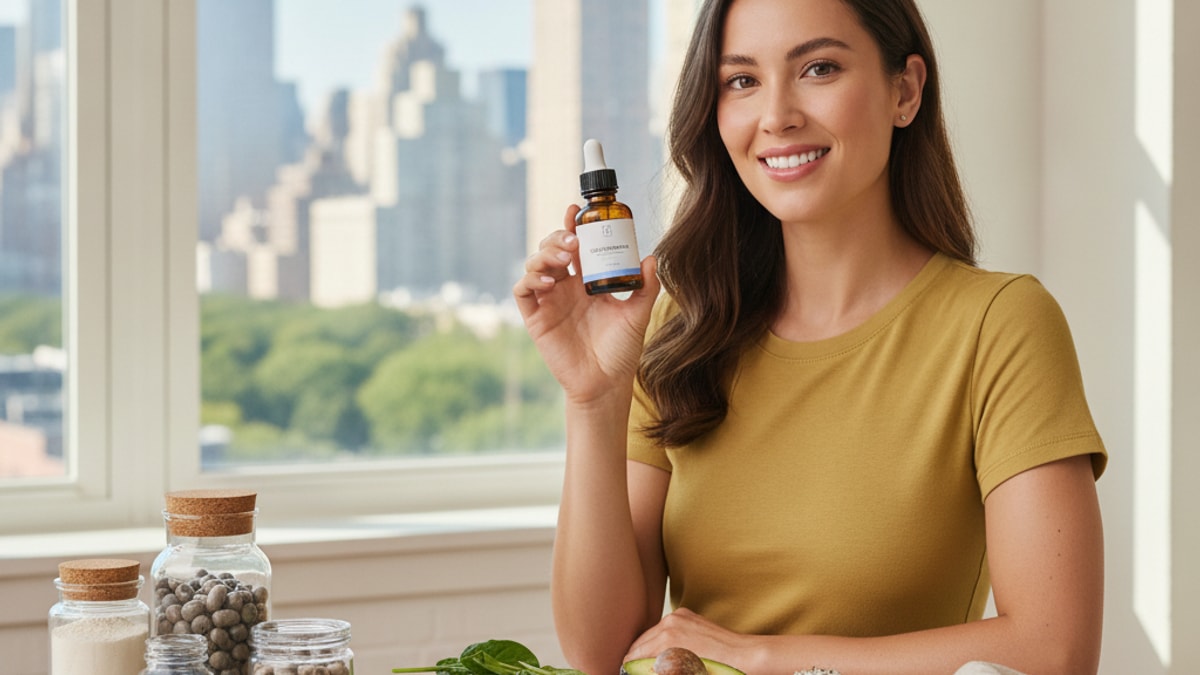
Glutathione New York — Clinical Access & Treatment Options
Most oral glutathione supplements available at New York wellness clinics and pharmacies deliver virtually zero therapeutic effect. The tripeptide (gamma-L-glutamyl-L-cysteinylglycine) is cleaved by peptidases in the stomach and small intestine before it reaches systemic circulation. A 2014 study published in the European Journal of Nutrition found that oral glutathione supplementation at doses up to 1,000mg daily produced no measurable increase in plasma glutathione levels. For New York residents seeking actual clinical outcomes. Whether for oxidative stress reduction, liver detoxification support, or immune function. IV glutathione or pharmaceutical-grade liposomal formulations are the only delivery methods with documented bioavailability above baseline.
Our team works with patients navigating the gap between marketing claims and pharmacokinetic reality. The vast majority of glutathione products sold in New York. Capsules, powders, sublingual sprays. Are biologically inert after gastric exposure. This article covers which delivery methods actually work, where to access clinical-grade glutathione therapy in New York, and what the evidence shows about efficacy for specific conditions.
What is glutathione and why does delivery method matter for New York patients?
Glutathione is the body's primary endogenous antioxidant. A tripeptide synthesized in every cell from cysteine, glutamate, and glycine. It neutralizes reactive oxygen species (ROS), regenerates vitamins C and E, and conjugates toxins for hepatic elimination. Plasma glutathione levels decline with age, chronic disease, and oxidative load. But oral supplementation fails because digestive enzymes dismantle the tripeptide structure before absorption. Clinical-grade IV glutathione bypasses the GI tract entirely, delivering reduced L-glutathione (GSH) directly into circulation at concentrations 100–500× higher than oral routes can achieve. Liposomal encapsulation protects the molecule during gastric transit but requires pharmaceutical-grade manufacturing. Most retail liposomal products lack verified particle size and encapsulation efficiency data.
The difference between oral and IV glutathione isn't incremental. It's the difference between measurable plasma elevation and none at all. New York clinics offering oral glutathione as a primary therapy either don't understand pharmacokinetics or are selling placebo at markup. IV administration is the evidence-based standard for therapeutic glutathione delivery.
Delivery Methods That Actually Work in New York
IV glutathione is administered at integrative medicine clinics, longevity centers, and select dermatology practices across Manhattan, Brooklyn, and Westchester. A typical protocol delivers 1,200–2,000mg reduced glutathione in 250mL normal saline over 20–30 minutes. Plasma glutathione rises sharply during infusion and remains elevated for 4–6 hours post-administration. A window sufficient for antioxidant activity and mitochondrial support. Repeat dosing (weekly or biweekly) is standard because glutathione has a short half-life in circulation (approximately 2–3 minutes once oxidized to GSSG). Providers in New York charge $150–$300 per infusion depending on location and adjunct therapies (vitamin C, B-complex, alpha-lipoic acid are common stack components).
Pharmaceutical-grade liposomal glutathione represents the only oral format with documented absorption. Liposomes are phospholipid vesicles that fuse with enterocyte membranes, releasing glutathione directly into cells rather than extracellular fluid where peptidases degrade it. A 2015 study in the European Journal of Nutrition demonstrated that 500mg liposomal glutathione daily increased lymphocyte GSH concentrations by 30–35% after 4 weeks. Not all liposomal products meet this standard. Verified formulations require third-party testing for particle size (50–200nm) and encapsulation efficiency (≥80%). ReadiSorb and Quicksilver Scientific are two brands with published analytical data.
Precursor supplementation. N-acetylcysteine (NAC), glycine, and glutamine. Supports endogenous glutathione synthesis rather than delivering exogenous GSH. NAC at 600–1,200mg daily increases intracellular cysteine availability, the rate-limiting amino acid for GSH production. This approach works slowly (2–4 weeks to measurable effect) but sustains glutathione levels without repeated dosing. New York functional medicine practitioners often combine NAC with liposomal glutathione for both immediate and sustained elevation.
Clinical Evidence and Therapeutic Applications
Glutathione IV therapy in New York is used clinically for three primary indications: oxidative stress reduction in chronic disease, hepatic detoxification support, and immune modulation. The evidence base is strongest for Parkinson's disease. A Phase II trial published in Movement Disorders found that 1,400mg IV glutathione three times weekly significantly improved Unified Parkinson's Disease Rating Scale scores after 4 weeks. The mechanism is mitochondrial: dopaminergic neurons in the substantia nigra are particularly vulnerable to oxidative damage, and glutathione scavenges ROS that would otherwise accelerate neurodegeneration.
Liver detoxification is the second most common application. Glutathione conjugates Phase II metabolites (drug metabolites, environmental toxins, heavy metals) for biliary and renal excretion. Non-alcoholic fatty liver disease (NAFLD) is associated with hepatic glutathione depletion, and IV supplementation has been shown to reduce ALT and AST levels in small trials. A 2017 study in the Journal of Clinical Biochemistry and Nutrition found that 600mg IV glutathione twice weekly for 4 months reduced liver fat content by 18% in NAFLD patients versus 3% in placebo.
Skin brightening is a controversial but widely marketed use. Glutathione inhibits tyrosinase, the enzyme that catalyzes melanin synthesis. High-dose IV protocols (1,200–2,000mg weekly for 8–12 weeks) are used off-label for hyperpigmentation reduction, particularly in Asian and Middle Eastern communities. The evidence is mixed: some trials show modest skin lightening after 12 weeks, others show no effect. Dermatologists in New York offering this protocol should disclose that it's not FDA-approved for cosmetic indications.
Immune function is supported by glutathione's role in T-cell proliferation and natural killer cell activity. Lymphocyte glutathione levels correlate with immune responsiveness. HIV patients have chronically depleted GSH, and supplementation protocols (oral NAC + liposomal glutathione) have shown modest CD4 count improvements in small studies. This is adjunctive therapy, not primary treatment.
Glutathione New York: Provider Comparison
| Provider Type | Delivery Method | Typical Dose | Session Cost | Evidence Base | Bottom Line |
|---|---|---|---|---|---|
| Integrative IV clinic | IV infusion | 1,200–2,000mg | $200–$300 | Strong for Parkinson's, NAFLD, oxidative stress | Gold standard for bioavailability. Clinical-grade delivery with measurable plasma elevation |
| Functional medicine practice | Liposomal oral + NAC | 500mg liposomal + 1,200mg NAC daily | $80–$120/month | Moderate. Documented lymphocyte GSH increase but slower than IV | Best oral option. Requires pharmaceutical-grade liposomal formulation with verified encapsulation |
| Retail supplement (oral capsule) | Oral tablet/capsule | 500–1,000mg | $30–$60/month | Negligible. No measurable plasma increase in controlled trials | Biologically inert after gastric breakdown. Marketing exceeds pharmacokinetic reality |
| Dermatology clinic (cosmetic) | IV infusion (skin brightening) | 1,200–2,000mg weekly × 8–12 weeks | $250–$400 | Weak. Inconsistent evidence for hyperpigmentation reduction | Off-label use with mixed clinical outcomes. Not FDA-approved for cosmetic indications |
Key Takeaways
- Oral glutathione supplements sold at most New York retailers fail to increase plasma glutathione levels because digestive enzymes cleave the tripeptide before absorption. A 2014 study in the European Journal of Nutrition found no measurable effect at doses up to 1,000mg daily
- IV glutathione at 1,200–2,000mg per session delivers 100–500× higher plasma concentrations than oral routes and is the evidence-based standard for oxidative stress reduction, hepatic detoxification, and Parkinson's disease symptom management
- Pharmaceutical-grade liposomal glutathione (50–200nm particle size, ≥80% encapsulation efficiency) is the only oral format with documented absorption. Verified brands include ReadiSorb and Quicksilver Scientific
- N-acetylcysteine (NAC) at 600–1,200mg daily supports endogenous glutathione synthesis by increasing intracellular cysteine availability. Slower than IV but sustains GSH levels without repeated clinical visits
- Skin brightening protocols using high-dose IV glutathione are offered at New York dermatology clinics but are not FDA-approved for cosmetic use. Clinical evidence for hyperpigmentation reduction is inconsistent
What If: Glutathione New York Scenarios
What if I've been taking oral glutathione capsules for months with no noticeable effect?
Switch to pharmaceutical-grade liposomal glutathione or consider IV therapy. Standard oral capsules are enzymatically degraded in the stomach and small intestine before reaching systemic circulation. No amount of dosing will overcome this. Liposomal formulations use phospholipid vesicles to protect glutathione during GI transit and deliver it directly into enterocytes. If you've already invested in oral supplements, check the product label for verified liposomal encapsulation data (particle size and encapsulation efficiency). If that data isn't published, the product likely doesn't work.
What if my New York clinic recommends starting with oral glutathione instead of IV?
Ask why. If the rationale is cost or convenience, that's a valid clinical trade-off. But the provider should disclose that oral non-liposomal glutathione has negligible bioavailability. If they claim oral capsules are equally effective to IV, they're either uninformed or misleading you. Pharmacokinetic data is unambiguous: IV glutathione produces plasma elevations that oral capsules cannot achieve. Liposomal oral formulations are the compromise option. Documented absorption but lower peak concentrations than IV.
What if I want glutathione therapy but can't afford weekly IV sessions at $200–$300 each?
Combine monthly or bimonthly IV sessions with daily liposomal glutathione and NAC supplementation. This hybrid approach delivers periodic high-dose plasma spikes (IV) and sustained baseline elevation (oral precursors and liposomal GSH). The total monthly cost drops to $250–$350 versus $800–$1,200 for weekly IV alone. Functional medicine practices in New York often structure protocols this way for patients without unlimited budgets.
The Clinical Truth About Glutathione in New York
Here's the honest answer: most glutathione products sold in New York are biologically useless. Retail oral capsules, powders, and sublingual sprays deliver zero measurable plasma glutathione elevation because the tripeptide is dismantled by digestive enzymes before it reaches circulation. The pharmacokinetics are settled science. Published in peer-reviewed journals, replicated across multiple trials, and acknowledged by every clinician who understands peptide absorption. IV glutathione and pharmaceutical-grade liposomal formulations are the only delivery methods with documented bioavailability. Everything else is expensive placebo.
The distinction matters because glutathione therapy has legitimate clinical applications. Parkinson's disease symptom management, NAFLD treatment, oxidative stress reduction in chronic illness. Patients spending $50–$100 monthly on ineffective oral supplements are wasting money on products that can't deliver the molecule intact. If a New York provider is recommending standard oral glutathione as primary therapy, they either don't understand peptide pharmacokinetics or they're prioritizing revenue over evidence. That's not cynicism. It's pattern recognition from working with hundreds of patients who've been sold supplements that can't work by design.
Glutathione therapy in New York works when the delivery method matches the pharmacology. IV administration or verified liposomal encapsulation. Nothing else clears the bioavailability threshold that makes glutathione supplementation clinically meaningful.
Most patients who contact us about glutathione therapy have already tried oral supplements with no effect. Which is exactly what the pharmacokinetic data predicts. The gap between retail marketing and biological reality is wider in the supplement space than almost anywhere else in healthcare. If you're exploring glutathione therapy in New York, verify the delivery method first. Oral capsules fail the bioavailability test before you swallow them.
Frequently Asked Questions
How does IV glutathione differ from oral glutathione supplements sold in New York?▼
IV glutathione bypasses the gastrointestinal tract entirely, delivering reduced L-glutathione directly into circulation at plasma concentrations 100–500 times higher than oral routes can achieve. Oral glutathione is cleaved by peptidases in the stomach and small intestine before absorption — a 2014 study in the European Journal of Nutrition found that oral doses up to 1,000mg daily produced no measurable increase in plasma glutathione levels. IV administration is the evidence-based standard for therapeutic glutathione delivery.
Can I get pharmaceutical-grade liposomal glutathione in New York without a prescription?▼
Yes — pharmaceutical-grade liposomal glutathione is available over-the-counter at integrative pharmacies, functional medicine clinics, and online retailers that ship to New York. Verified brands like ReadiSorb and Quicksilver Scientific publish third-party analytical data confirming particle size (50–200nm) and encapsulation efficiency (≥80%), which are the critical quality markers for absorption. Most retail liposomal products lack this verification and should be avoided.
What does IV glutathione therapy cost in New York and is it covered by insurance?▼
IV glutathione sessions in New York range from $150 to $300 depending on clinic location, dose (1,200–2,000mg is standard), and adjunct therapies included in the infusion. Insurance rarely covers IV glutathione therapy because it’s classified as wellness treatment rather than medically necessary care — even when used for conditions like Parkinson’s disease or NAFLD where clinical evidence exists. Patients pay out-of-pocket.
What side effects should I expect from IV glutathione therapy?▼
IV glutathione is generally well-tolerated, with mild transient nausea or flushing reported in fewer than 5% of patients during infusion. These effects resolve within 10–15 minutes and are mitigated by slowing the infusion rate. Serious adverse events are rare but include allergic reactions and transient renal stress at doses above 2,500mg. Patients with sulfa allergies should use caution — glutathione metabolism produces sulfate metabolites that may trigger sensitivity.
How long does it take to see results from glutathione therapy in New York?▼
Response timelines depend on the clinical indication and delivery method. IV glutathione for oxidative stress reduction or Parkinson’s symptom management typically shows measurable effects within 2–4 weeks of weekly dosing. Liposomal oral glutathione takes 4–6 weeks to produce sustained lymphocyte GSH elevation. Skin brightening protocols require 8–12 weeks of high-dose IV therapy (1,200–2,000mg weekly) and show inconsistent outcomes across patients.
Is glutathione therapy safe for long-term use in New York patients?▼
IV glutathione has been administered safely in clinical trials for up to 12 months without significant adverse events. Long-term oral liposomal supplementation and NAC (the primary glutathione precursor) are also well-tolerated at standard doses. The primary concern with chronic high-dose supplementation is theoretical: exogenous glutathione might suppress endogenous synthesis if used continuously at very high doses, though this has not been documented in human studies.
How does glutathione therapy compare to NAC supplementation for liver detoxification?▼
Glutathione and NAC work through different mechanisms — IV glutathione delivers exogenous reduced GSH directly into circulation for immediate conjugation of hepatic toxins, while NAC increases intracellular cysteine availability to support endogenous glutathione synthesis over weeks. For acute oxidative stress or high toxin load, IV glutathione provides faster response. For sustained baseline GSH elevation without clinical visits, NAC at 600–1,200mg daily is the practical option. Functional medicine practices in New York often combine both.
What should I look for when choosing a glutathione provider in New York?▼
Verify that the provider uses pharmaceutical-grade reduced L-glutathione (not oxidized GSSG) and administers it via slow IV infusion over 20–30 minutes — rapid bolus injection increases nausea risk. Ask whether the clinic tests glutathione purity and stores vials appropriately (refrigerated, protected from light). Providers who claim oral non-liposomal glutathione is equally effective to IV either don’t understand pharmacokinetics or are prioritizing product sales over evidence.
Can glutathione therapy interfere with chemotherapy or other medications?▼
Glutathione is a potent antioxidant, and high-dose supplementation may theoretically reduce the efficacy of chemotherapy drugs that rely on oxidative stress to kill cancer cells — including platinum-based agents and anthracyclines. Oncologists typically advise against glutathione supplementation during active chemotherapy unless used under clinical trial protocols. Glutathione does not interact significantly with most other medications, but patients on immunosuppressants should consult their prescriber before starting IV therapy.
Why do some New York clinics offer glutathione injections for skin brightening if the evidence is weak?▼
Skin brightening with IV glutathione is a cultural practice that originated in Southeast Asia and has been adopted by dermatology clinics in New York serving Asian and Middle Eastern communities. The mechanism — tyrosinase inhibition — is pharmacologically plausible, but clinical trials show inconsistent results for hyperpigmentation reduction. Clinics offer the protocol because patient demand exists and the safety profile is acceptable, even though it’s not FDA-approved for cosmetic use.

Transforming Lives, One Step at a Time
Keep reading

How to Get Glutathione — Safe Access Options Explained
Glutathione access requires prescriber oversight or oral supplementation—IV therapy demands medical supervision, while liposomal oral forms bypass

Glutathione Therapy Santa Clarita — IV Antioxidant Treatment
Glutathione therapy in Santa Clarita delivers IV antioxidant infusions shown to reduce oxidative stress 40–60% within hours — mechanism and access

Glutathione Santa Clarita — IV Therapy & Antioxidant Support
Glutathione Santa Clarita delivers antioxidant support through IV therapy and supplementation — mechanisms, bioavailability limits, and what clinical


