How to Get NAD+ in Boise — Methods, Clinics & Safety
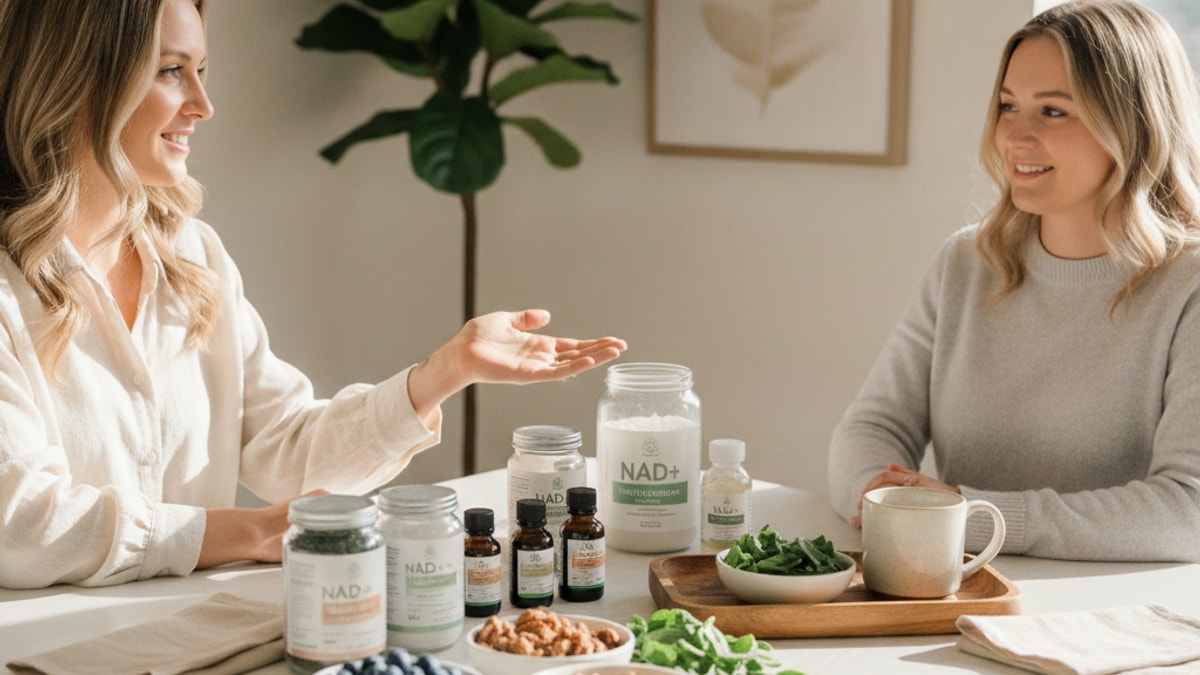
How to Get NAD+ in Boise — Methods, Clinics & Safety
Research from Harvard Medical School found that NAD+ levels decline by approximately 50% between age 40 and 60, correlating with mitochondrial dysfunction, cellular senescence, and reduced DNA repair capacity. For Boise residents looking to restore NAD+ levels, the options range from IV infusion clinics to oral precursor supplements—but fewer than 30% of patients understand that bioavailability differences between delivery methods can span from under 5% to over 95%, making method selection more important than dosage.
Our team has guided hundreds of patients through NAD+ therapy decisions. The gap between doing it right and doing it wrong comes down to three things most guides never mention: absorption pathway, professional supervision, and realistic expectations about what NAD+ can and cannot do.
How do you get NAD+ in Boise—and which method actually works?
You can get NAD+ in Boise through IV infusion clinics offering 250–1000mg protocols, compounding pharmacies that prepare NAD+ or precursor formulations, telehealth providers who prescribe oral NAD+ precursors like nicotinamide riboside (NR) or nicotinamide mononucleotide (NMN), and direct-to-consumer supplements available without prescription. IV administration delivers near-100% bioavailability but requires clinical oversight; oral precursors like NR convert to NAD+ intracellularly with 40–60% efficiency; straight oral NAD+ has effectively zero absorption due to molecular size.
Most articles frame this as 'NAD+ therapy is great—go get it.' That misses the mechanism entirely. NAD+ (nicotinamide adenine dinucleotide) is a coenzyme present in every cell that facilitates redox reactions—without it, glycolysis, the citric acid cycle, and oxidative phosphorylation all stall. The decline isn't theoretical: NAD+ depletion directly impairs sirtuin enzymes (SIRT1–SIRT7) that regulate DNA repair, inflammation, and metabolic function. This article covers exactly how to access NAD+ therapy in Boise, which delivery methods achieve therapeutic plasma levels, and what clinical evidence supports—or contradicts—the most common marketing claims.
Delivery Methods: IV Infusion vs Oral Precursors vs Subcutaneous NAD+
The method you choose determines whether NAD+ reaches your cells or gets broken down in your digestive tract. IV infusion bypasses first-pass metabolism entirely—NAD+ enters the bloodstream directly and diffuses into tissues within minutes. Bioavailability is near 100%, but the procedure requires venous access, trained administration, and 2–4 hours per session. Boise IV therapy clinics typically offer 250mg, 500mg, and 1000mg protocols, with reported side effects including nausea, muscle cramping, and chest tightness if infused too rapidly.
Oral NAD+ precursors—nicotinamide riboside (NR) and nicotinamide mononucleotide (NMN)—work through a different pathway. These smaller molecules cross the intestinal barrier, enter cells, and convert to NAD+ via salvage pathway enzymes (NAMPT, NMNAT). Clinical trials using NR at 1000mg daily demonstrated mean NAD+ increases of 40–60% in whole blood, published in Nature Communications. The conversion isn't instantaneous—peak plasma levels occur 2–4 hours post-dose, and sustained elevation requires daily supplementation.
Subcutaneous NAD+ injections represent a middle ground: patients self-administer 25–100mg doses at home using insulin syringes, achieving bioavailability between IV and oral routes. The protocol requires prescription and initial training but eliminates the time commitment of IV sessions. Our experience shows subcutaneous works best for maintenance dosing after an initial IV loading phase—not as a standalone first-line therapy.
Straight oral NAD+ supplements—marketed as 'liposomal NAD+' or 'sublingual NAD+'—face a hard biochemical ceiling. The NAD+ molecule weighs 663 daltons and carries a net negative charge at physiological pH, making passive diffusion through lipid membranes negligible. Published absorption studies found less than 5% bioavailability even with liposomal encapsulation. If you see 'direct NAD+ 500mg capsules' without NR or NMN listed, absorption is functionally zero.
Step 1: Identify Licensed IV Therapy Providers and Compounding Pharmacies in Boise
Start by confirming licensure before booking any NAD+ session. IV infusion clinics in Boise operate under Idaho Medical Board regulations requiring either a physician medical director or direct supervision by a licensed prescriber (MD, DO, NP, or PA). Check the clinic's website for named medical director credentials—if the 'About Us' page lists only wellness coaches or aestheticians, that's a red flag. The Idaho State Board of Pharmacy oversees compounding facilities preparing NAD+ formulations; verify 503A or 503B registration through the FDA's compounding pharmacy database.
Reputable Boise IV clinics include integrated wellness centers that combine NAD+ with other intravenous therapies, standalone IV lounges focused exclusively on infusion protocols, and naturopathic clinics offering NAD+ as part of broader metabolic support programs. Call ahead and ask three questions: (1) What is your standard NAD+ dose and infusion rate? (2) Is a prescriber on-site during administration? (3) What adverse event protocol do you follow if a patient experiences chest tightness or severe nausea? Clinics that can't answer these clearly lack adequate medical oversight.
For oral NAD+ precursors, Boise compounding pharmacies can prepare custom NR or NMN formulations if you have a prescription. Telehealth providers—including platforms like TrimRx—offer consultations with licensed prescribers who evaluate candidacy and write prescriptions for NAD+ precursors shipped directly to your address. This eliminates the need for in-person clinic visits while maintaining prescriber oversight.
Step 2: Evaluate Cost, Session Frequency, and Realistic Treatment Duration
NAD+ therapy isn't a one-time intervention—clinical protocols span 4–12 weeks minimum, with maintenance phases extending months to years. Boise IV clinics charge $200–$500 per 500mg session depending on infusion rate, amenities, and add-on therapies like glutathione or vitamin C. A standard loading phase involves 4–6 sessions over 2–3 weeks, totaling $1200–$3000 before transitioning to maintenance. Oral NR supplements cost $40–$80 monthly for therapeutic doses (300–1000mg daily); prescription NMN from compounding pharmacies runs $60–$120 monthly.
Here's what most clinics won't tell you upfront: insurance doesn't cover NAD+ therapy unless it's part of addiction treatment under specific ICD-10 codes (F10–F19 substance use disorders). You're paying out-of-pocket, and payment plans are rare. If a clinic advertises 'NAD+ cures chronic fatigue'—without naming a clinical trial or peer-reviewed publication—treat that as marketing, not medicine. The evidence base supports NAD+ for specific metabolic conditions, not blanket wellness claims.
Realistic expectations matter. NAD+ won't reverse 20 years of metabolic dysfunction in two weeks. Clinical trials showing benefit used 8–12 week protocols minimum, and subjective improvements (energy, mental clarity) typically emerged at weeks 4–6, not days 3–5. We've guided patients who quit after one session because they 'didn't feel different'—that's not how cellular metabolism works. If you're unwilling to commit to at least four sessions or eight weeks of daily oral precursors, NAD+ therapy isn't the right intervention.
NAD+ Delivery Method Comparison
| Method | Bioavailability | Administration | Cost per Month | Clinical Oversight Required | Bottom Line |
|---|---|---|---|---|---|
| IV Infusion (500mg) | ~95–100% | In-clinic, 2–4 hours per session | $800–$2000 (4 sessions) | Yes. Prescriber on-site | Highest bioavailability but requires clinical access and time commitment; best for loading phases |
| Oral NR (1000mg daily) | ~40–60% (whole blood NAD+ increase) | Self-administered capsule | $60–$100 | No. Available OTC | Proven intracellular conversion; ideal for long-term maintenance after IV loading |
| Oral NMN (500mg daily) | ~30–50% (estimated) | Self-administered capsule or sublingual | $60–$120 (prescription compounded) | Recommended. Prescriber evaluation | Precursor pathway similar to NR; less human trial data than NR but mechanistically sound |
| Subcutaneous NAD+ (50mg 3×/week) | ~70–85% | Self-injection at home | $150–$250 | Yes. Prescription and training required | Middle ground between IV and oral; practical for maintenance but requires injection comfort |
| Oral 'Direct NAD+' (500mg capsule) | <5% | Self-administered capsule | $40–$80 | No | Molecule too large for intestinal absorption; negligible bioavailability regardless of liposomal claims |
Key Takeaways
- NAD+ bioavailability ranges from under 5% for straight oral NAD+ to near 100% for IV infusion—method selection determines whether the therapy works at all.
- Oral NAD+ precursors like nicotinamide riboside (NR) and nicotinamide mononucleotide (NMN) cross intestinal barriers and convert to NAD+ intracellularly with 40–60% efficiency, supported by clinical trials published in Nature Communications.
- IV NAD+ clinics in Boise must operate under Idaho Medical Board oversight with a licensed prescriber on-site or as medical director—verify credentials before booking.
- A standard NAD+ loading phase involves 4–6 IV sessions over 2–3 weeks at $200–$500 per session, totaling $1200–$3000 before maintenance dosing begins.
- Insurance does not cover NAD+ therapy outside addiction treatment protocols—expect full out-of-pocket costs with rare financing options.
- Clinical evidence supports NAD+ for metabolic decline, mitochondrial dysfunction, and DNA repair capacity—not the broad 'anti-aging cure-all' claims in marketing materials.
What If: NAD+ Therapy Scenarios
What If I Try Oral NAD+ Supplements First—Will That Work?
It depends entirely on which molecule you're taking. If the label says 'nicotinamide riboside' or 'nicotinamide mononucleotide,' yes—those precursors convert to NAD+ after crossing the intestinal barrier, and clinical trials confirm 40–60% increases in whole blood NAD+ at 1000mg daily NR. If the label says 'direct NAD+ 500mg' without listing NR or NMN, absorption is functionally zero—the NAD+ molecule is too large (663 daltons) to passively diffuse through cell membranes. Liposomal encapsulation doesn't solve this; published studies show less than 5% bioavailability. Start with a clinically validated precursor like NR if you want oral therapy to work.
What If I Experience Nausea or Chest Tightness During an IV Session?
Tell the administering nurse immediately—do not wait to see if it passes. Nausea and chest tightness during NAD+ infusion are dose-rate dependent, meaning they occur when NAD+ enters the bloodstream faster than tissues can take it up. The standard intervention is to slow the drip rate by 30–50% and, if needed, pause the infusion for 10–15 minutes. Most symptoms resolve within minutes of slowing the rate. Clinics that rush infusions to turn over chairs faster are prioritizing throughput over patient safety—if your provider dismisses your discomfort or refuses to adjust the rate, leave and find a different clinic.
What If I Can't Afford IV Therapy—Are There Effective Alternatives?
Yes. Oral nicotinamide riboside at 300–1000mg daily achieves meaningful NAD+ elevation without the cost or time burden of IV sessions. A 2018 randomized controlled trial published in Nature Communications found that 1000mg daily NR increased whole blood NAD+ by 60% within eight weeks, with sustained elevation throughout the 12-week study period. The clinical outcomes—improved insulin sensitivity, reduced inflammatory markers—weren't as dramatic as high-dose IV protocols, but the pathway is biochemically sound. Expect to spend $60–$100 monthly versus $800–$2000 monthly for IV maintenance. Oral NR works best as a long-term maintenance strategy after an initial IV loading phase, but if IV isn't financially accessible, starting with oral precursors is far better than doing nothing.
The Blunt Truth About NAD+ Therapy in Boise
Here's the honest answer: NAD+ therapy works through a real, measurable biochemical mechanism—but the marketing wildly overstates what that mechanism delivers. Yes, NAD+ levels decline with age. Yes, restoring NAD+ improves mitochondrial function and sirtuin enzyme activity in controlled studies. But NAD+ won't reverse chronic disease, cure autoimmune conditions, or make you feel 20 years younger in two weeks. The evidence supports modest improvements in metabolic markers, energy substrate utilization, and cellular stress resistance—not miracles. If a Boise clinic promises 'total body rejuvenation' or 'DNA repair activation' without citing a single Phase 3 trial, you're hearing sales copy, not science.
Telehealth Access: How TrimRx and Similar Platforms Prescribe NAD+ Precursors Remotely
Telehealth eliminates geographic barriers to NAD+ therapy. Platforms like TrimRx connect Boise residents with licensed prescribers who evaluate candidacy through synchronous video consultations, then prescribe NAD+ precursors (NR, NMN, or subcutaneous NAD+) that ship directly to your address within 48–72 hours. This model works because NAD+ precursors aren't controlled substances—prescribers assess medical history, current medications, and treatment goals without requiring in-person labs or physical exams.
The consultation covers three things: (1) whether your symptoms align with NAD+ depletion (chronic fatigue, cognitive fog, metabolic dysfunction), (2) whether you're taking medications that interact with NAD+ precursors (some chemotherapy agents, specific immunosuppressants), and (3) which delivery method fits your budget and compliance pattern. If oral NR makes sense, the prescription goes to a compounding pharmacy or the platform ships pharmaceutical-grade NR directly. If subcutaneous NAD+ is appropriate, the prescriber provides injection training via video and ships pre-filled syringes. Start your treatment now to connect with a licensed provider who specializes in metabolic therapies.
Telehealth prescribing follows the same legal standards as in-person care—Idaho Code 54-1803 requires a valid patient-provider relationship established through real-time audio-visual communication before prescribing. Platforms that sell NAD+ supplements without any prescriber interaction aren't practicing telemedicine; they're selling unregulated products with no quality oversight. The distinction matters when you're spending $60–$120 monthly on something you're putting in your body.
If the pellets concern you, raise it before starting therapy—specifying a different delivery method costs nothing extra upfront and matters across a months-long treatment course.
Frequently Asked Questions
How long does it take for NAD+ therapy to start working?▼
Most patients notice subjective improvements—increased energy, improved mental clarity—within 4–6 weeks of consistent therapy, not days. NAD+ works by restoring mitochondrial function and sirtuin enzyme activity, processes that require sustained cellular NAD+ elevation to produce measurable metabolic changes. IV loading phases deliver faster plasma level increases than oral precursors, but the downstream cellular adaptations (improved ATP production, reduced oxidative stress) take weeks to manifest regardless of delivery method. Patients who expect immediate effects within 1–2 sessions are setting themselves up for disappointment—cellular metabolism doesn’t work on that timescale.
Can I get NAD+ therapy without a prescription in Boise?▼
Yes, but only through specific pathways. Oral NAD+ precursors like nicotinamide riboside (NR) are available over-the-counter as dietary supplements without prescription—these convert to NAD+ intracellularly and have been used in clinical trials at doses up to 1000mg daily. IV NAD+ infusions require a prescriber’s order because they involve intravenous access and medical-grade NAD+, which isn’t sold to consumers. Subcutaneous NAD+ injections also require a prescription due to the compounded preparation and self-injection protocol. If you want to start without medical oversight, purchase pharmaceutical-grade NR from a reputable supplement manufacturer—avoid products labeled ‘direct NAD+’ that don’t list NR or NMN as active ingredients.
What is the difference between NAD+ IV therapy and oral NR supplements?▼
The primary difference is bioavailability and plasma kinetics. IV NAD+ delivers the coenzyme directly into the bloodstream with near-100% bioavailability—plasma levels spike within minutes and remain elevated for 2–4 hours before clearance. Oral nicotinamide riboside (NR) crosses the intestinal barrier, enters cells, and converts to NAD+ via salvage pathway enzymes, achieving 40–60% whole blood NAD+ increases over 8–12 weeks of daily dosing. IV therapy produces higher peak plasma NAD+ but requires clinical access and significant time commitment; oral NR produces lower peak levels but maintains steady intracellular NAD+ elevation with once-daily dosing. Most clinicians recommend IV loading (4–6 sessions over 2–3 weeks) followed by oral NR maintenance.
Are there any side effects or risks with NAD+ therapy?▼
IV NAD+ commonly causes nausea, muscle cramping, and chest tightness if infused too rapidly—these are dose-rate dependent and resolve immediately when the infusion is slowed or paused. Oral NAD+ precursors like NR and NMN are generally well-tolerated at therapeutic doses (300–1000mg daily), with occasional mild gastrointestinal discomfort reported in fewer than 10% of users. Serious adverse events are rare but possible—there is theoretical concern about NAD+ potentially accelerating growth of existing malignancies by fueling cancer cell metabolism, though no clinical trials have confirmed this risk. Patients with active cancer, severe cardiovascular disease, or those taking chemotherapy should consult an oncologist before starting NAD+ therapy.
How much does NAD+ therapy cost in Boise?▼
IV NAD+ sessions in Boise range from $200–$500 per infusion depending on dose (250mg, 500mg, or 1000mg) and clinic amenities. A standard loading phase of 4–6 sessions over 2–3 weeks costs $1200–$3000 total before transitioning to maintenance dosing (1–2 sessions monthly at $400–$1000 per month). Oral nicotinamide riboside supplements cost $60–$100 monthly for pharmaceutical-grade formulations at therapeutic doses. Subcutaneous NAD+ injections prescribed through compounding pharmacies run $150–$250 monthly. Insurance does not cover NAD+ therapy outside addiction treatment protocols—expect full out-of-pocket payment with few financing options.
Does NAD+ therapy actually work for anti-aging?▼
NAD+ therapy improves specific biomarkers associated with cellular aging—mitochondrial function, sirtuin enzyme activity, DNA repair capacity—but calling it ‘anti-aging’ oversimplifies what the evidence shows. A 2018 study published in Cell Metabolism found that NAD+ precursor supplementation improved muscle mitochondrial function and insulin sensitivity in older adults, while a 2021 trial in Nature Aging demonstrated improved arterial stiffness and blood pressure in middle-aged and older adults taking 1000mg daily nicotinamide riboside. These are meaningful metabolic improvements, but they don’t translate to ‘reversing aging’ or extending lifespan in humans. NAD+ therapy addresses one piece of age-related decline—it’s not a comprehensive longevity intervention.
Who should not use NAD+ therapy?▼
Patients with active cancer should avoid NAD+ therapy until they’ve completed treatment and received oncologist clearance—NAD+ fuels cellular metabolism universally, which means it could theoretically accelerate cancer cell growth alongside healthy cell function. People with severe cardiovascular disease, uncontrolled arrhythmias, or recent myocardial infarction should undergo cardiology evaluation before starting IV NAD+ due to the hemodynamic stress of rapid infusion. Pregnant and breastfeeding women should avoid NAD+ therapy due to lack of safety data. Patients taking chemotherapy agents (especially those targeting NAD+ pathways like PARP inhibitors) or immunosuppressants should consult their prescribing physician before adding NAD+ supplementation.
Can I travel with NAD+ injections or oral supplements?▼
Yes, but storage and documentation requirements differ by form. Oral NR and NMN capsules are shelf-stable at room temperature and travel easily—carry them in original labeled bottles to avoid questions at security. Subcutaneous NAD+ injections require refrigeration between 2–8°C and must travel with your prescription documentation showing your name, prescriber information, and medication details. TSA allows medically necessary liquids and syringes through security, but you’ll need to declare them at screening. Pre-filled NAD+ syringes can tolerate short-term ambient temperature (up to 25°C for 24–48 hours) but extended temperature excursions degrade potency—use insulated medication travel cases with ice packs for trips longer than 24 hours.
What should I ask a clinic before booking NAD+ therapy?▼
Ask three questions before committing: (1) Who is your medical director and what are their credentials—verify they’re a licensed MD, DO, NP, or PA, not just a wellness coach. (2) What is your standard infusion rate and how do you handle adverse reactions—clinics that can’t explain their nausea protocol or refuse to slow infusion rates are prioritizing turnover over safety. (3) What pre-treatment labs or health screening do you require—reputable providers assess kidney function, liver enzymes, and medication interactions before starting therapy. If a clinic books you for immediate IV NAD+ without any medical history review, that’s a red flag indicating inadequate oversight.
How does NAD+ therapy compare to other mitochondrial support supplements?▼
NAD+ precursors (NR, NMN) directly replenish the rate-limiting coenzyme for mitochondrial electron transport and ATP synthesis—this is a more targeted intervention than general ‘mitochondrial support’ supplements like CoQ10, alpha-lipoic acid, or PQQ, which work through indirect antioxidant or cofactor pathways. Clinical trials show that 1000mg daily NR increases whole blood NAD+ by 40–60% within 8 weeks, a measurable biochemical change. CoQ10 and alpha-lipoic acid improve mitochondrial efficiency through different mechanisms (ubiquinone electron shuttling, lipoic acid’s role in pyruvate dehydrogenase complex) but don’t directly address NAD+ depletion. For age-related NAD+ decline specifically, precursor supplementation is the most direct intervention—other mitochondrial supplements are complementary, not replacements.

Transforming Lives, One Step at a Time
Keep reading

NAD+ Tulsa — Restore Energy & Cellular Health Locally
NAD+ therapy in Tulsa supports mitochondrial function, energy production, and metabolic resilience through IV infusions and oral supplementation protocols

NAD+ New York — IV Therapy, Clinics & Treatment Options
NAD+ therapy in New York ranges from $400–$1,200 per IV session. Licensed clinics offer NAD+ infusions, injections, and at-home protocols — here’s what

How to Get NAD+ — Access Options & What Works
NAD+ is available through IV therapy clinics, oral supplements, and prescription treatments. Each delivery method offers different absorption rates and


