Understanding Weight Loss Challenges on Semaglutide and How to Overcome Them

Introduction
It’s disheartening to step onto the scale after weeks of effort and see that the numbers haven’t budged. If you’re currently using semaglutide and asking yourself, “Why am I not losing weight on semaglutide?”, you’re not alone. Many individuals have experienced this frustrating plateau. According to a recent study, while semaglutide has been shown to facilitate weight loss for a significant number of users, some may find themselves in a holding pattern where the expected results are not materializing.
Semaglutide, a glucagon-like peptide-1 (GLP-1) receptor agonist, is primarily known for its effectiveness in managing blood sugar levels in individuals with Type 2 diabetes and has gained traction as a weight-loss solution. However, the journey to achieving your weight loss goals can be influenced by numerous factors beyond just the medication itself.
In this blog post, we will explore the reasons why some individuals may not see weight loss results while using semaglutide, and importantly, we will provide actionable insights on how to maximize the effectiveness of this treatment. By the end of this post, you will have a clearer understanding of potential obstacles and strategies to overcome them, helping you get back on track toward your weight loss goals.
We will cover the following points:
- What is semaglutide and how does it work?
- Common reasons why semaglutide may not lead to weight loss.
- Tips for maximizing weight loss on semaglutide.
- The importance of a personalized approach to weight management.
- Frequently Asked Questions (FAQs) regarding semaglutide and weight loss.
Let’s dive into the details that can help you understand your experience with semaglutide better.
What is Semaglutide and How Does It Work?
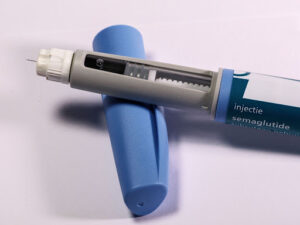
Semaglutide is an injectable medication that mimics the effects of a natural hormone called GLP-1, which is released in the gut after eating. This hormone plays a crucial role in regulating appetite, promoting feelings of fullness, and controlling blood sugar levels. By binding to GLP-1 receptors, semaglutide slows gastric emptying, reduces appetite, and increases insulin secretion when blood sugar levels are high.
The primary FDA-approved formulations of semaglutide for weight loss are Wegovy and Ozempic. While the latter is specifically designed for diabetes management, both have shown significant efficacy in promoting weight loss. Clinical trials indicate that individuals using semaglutide have lost substantial amounts of weight—averaging around 15-20% of their body weight when combined with lifestyle changes, such as diet and exercise.
However, despite these promising results, not everyone will experience the same level of success. This variance can be attributed to several factors that we will explore in the next section.
Common Reasons Why Semaglutide May Not Lead to Weight Loss
1. Incorrect Dosage
One of the primary reasons individuals may not see weight loss on semaglutide is being on an incorrect dosage. The treatment usually starts at a lower dose to allow the body to adjust, but if the dosage isn’t increased appropriately over time, the medication may not have the desired effect. It’s important to consult with your healthcare provider about your current dosage and whether adjustments are necessary based on your individual response.
2. Inconsistent Use
Consistency is key when it comes to medication. Skipping doses or not adhering to the prescribed schedule can significantly hinder the medication’s effectiveness. Semaglutide needs to be injected regularly to maintain stable levels in the bloodstream and achieve optimal results. Setting reminders or using a medication tracking app can help ensure you stay on track.
3. Dietary Habits
While semaglutide can help reduce appetite and cravings, it doesn’t negate the need for a balanced and healthy diet. If an individual’s caloric intake remains high or is predominantly made up of processed foods, weight loss may stall. Implementing a nutritious diet that emphasizes whole foods—such as fruits, vegetables, lean proteins, and whole grains—can complement the effects of semaglutide and enhance weight loss results.
4. Lack of Physical Activity
Physical activity plays a crucial role in any weight loss journey. If you’re not incorporating regular exercise into your routine, you might not see the progress you desire. Aim for a mix of aerobic activities, strength training, and flexibility exercises to promote overall health and support weight loss. Even small changes, like taking walks or engaging in fun physical activities, can make a big difference.
5. Metabolic Variations
Each individual’s body responds differently to medications, including semaglutide. Factors such as genetics, hormonal imbalances, and metabolic rates can influence how effectively semaglutide works for you. If you suspect that your metabolism might be affecting your weight loss, discussing this with your healthcare provider can provide insights into potential adjustments.
6. Underlying Health Conditions
Certain health conditions, such as hypothyroidism or polycystic ovary syndrome (PCOS), can significantly impact weight loss efforts. These conditions may slow metabolism or lead to hormonal imbalances that make it harder to shed pounds. If you have pre-existing medical conditions, it’s essential to address these with your healthcare provider to ensure they are managed properly.
7. Injection Technique
Proper injection technique is vital for the effectiveness of semaglutide. If the medication isn’t administered correctly, it may not be absorbed as intended. If you’re unsure about how to inject semaglutide, seek guidance from a healthcare provider to ensure you’re using the correct technique.
8. Psychological Factors
Stress and emotional well-being can also impact weight loss. Stress often leads to emotional eating or cravings for unhealthy foods, which can sabotage your weight loss efforts. Finding effective stress management techniques, such as mindfulness, yoga, or talking to a therapist, can be beneficial in overcoming these hurdles.
9. Plateauing
Experiencing a weight loss plateau is normal, especially after initial success. Your body may adapt to the weight loss, and changes in metabolism can occur. During these periods, it’s important to reassess your diet and exercise routine and make necessary adjustments to keep progressing.
10. Quality of the Medication
When using compounded semaglutide, the quality of the medication can be a significant factor. Compounded medications are not FDA-approved, leading to variability in their formulation and effectiveness. Ensuring that you are using semaglutide from a reputable, FDA-registered pharmacy can make a notable difference in your results.
Tips for Maximizing Weight Loss on Semaglutide
Now that we’ve discussed several reasons why weight loss may not be occurring on semaglutide, let’s explore actionable strategies to help you maximize your results:
1. Ensure Proper Dosage
Regularly review your dosage with your healthcare provider to determine if adjustments are necessary. Finding the right dosage is crucial for achieving the desired weight loss results.
2. Maintain Consistency
Set reminders to take your semaglutide injections on time and keep a consistent schedule. Consistency will help maintain stable levels of the medication in your bloodstream.
3. Refine Your Diet
Focus on a balanced diet rich in whole foods. Aim to include a variety of fruits, vegetables, lean proteins, and whole grains while minimizing processed foods and sugary beverages. Keeping a food diary can help you track your intake and identify areas for improvement.
4. Incorporate Regular Exercise
Aim for at least 150 minutes of moderate aerobic activity each week, in addition to muscle-strengthening exercises. Find activities you enjoy to make exercise feel less like a chore.
5. Monitor Your Progress
Keep track of your weight loss, dietary changes, and physical activity. This data can help you identify trends and make necessary adjustments to your approach. Be mindful of side effects as well, as they can impact your progress.
6. Address Underlying Health Conditions
If you suspect that a medical issue may be affecting your weight loss, consult with your healthcare provider for a thorough evaluation. They can help identify any underlying conditions and adjust your treatment plan accordingly.
7. Focus on Mental Well-being
Incorporate stress management techniques into your routine. Mindfulness practices, regular physical activity, and adequate sleep are all vital components of overall health that can support your weight loss journey.
8. Seek Professional Guidance
If you’re still struggling to see results, consider consulting with a weight management expert or healthcare provider who can offer personalized support and recommendations tailored to your individual needs.
The Importance of a Personalized Approach to Weight Management
At TrimRx, we believe that every individual’s journey toward weight loss is unique. That’s why our approach emphasizes personalized care and medically supervised solutions tailored to each person’s specific needs. Our team is dedicated to providing comprehensive support, including doctor consultations, medication, lab work, and ongoing assistance. We encourage you to take our free assessment quiz to explore whether you qualify for our prescription weight loss medications.
For those looking for immediate support, we also offer quick-access supplements, such as GLP-1 Daily Support and Weight Loss Boost, that can help enhance your wellness journey.
Explore Our Supportive Solutions:
FAQ
Can everyone lose weight on semaglutide?
While semaglutide is effective for many, individual results may vary due to factors like lifestyle, dosage, and underlying health conditions.
How long does it take to see weight loss results?
Most individuals may begin to notice weight loss within the first few weeks of treatment, but significant results often take several months of consistent use combined with lifestyle changes.
Is semaglutide safe?
Semaglutide is generally considered safe for most individuals when used as directed. However, it’s important to discuss any potential side effects or interactions with your healthcare provider.
What should I do if I’m not losing weight while on semaglutide?
If you’re not seeing results, consider evaluating your diet, exercise routine, and adherence to the medication schedule. Consulting with a healthcare provider can also help identify any underlying issues.
Conclusion
Navigating weight loss can be a challenging journey, especially when medications like semaglutide don’t yield expected results. However, understanding the various factors that can influence your progress is essential for overcoming these obstacles. By taking a comprehensive approach that includes proper dosage, consistent use, healthy dietary choices, regular exercise, and addressing underlying health conditions, you can maximize the effectiveness of semaglutide in your weight loss journey.
Remember, at TrimRx, we are committed to supporting you every step of the way. Together, we can explore personalized solutions to help you achieve your weight loss goals effectively and sustainably. If you haven’t already, consider taking our free assessment quiz and explore our quick-access supplements to enhance your journey.
Your path to a healthier lifestyle is within reach, and we’re here to help you every step of the way!

Transforming Lives, One Step at a Time
Keep reading
Semaglutide vs Tirzepatide: Comparing Weight Loss, Blood Sugar, and Side Effects
Semaglutide and Tirzepatide are one of the most common comparisons in medical weight loss. The two medications share a clear family resemblance. Both are…

How Much Weight Can You Lose on Semaglutide?
How much weight can you lose on semaglutide? The answer varies depending on your starting weight, dosage, treatment duration, and individual response to the…

Hair Shedding Months Into Semaglutide
It shows up in the shower drain first, then on the pillow, then in the brush. By the time most people search this, they…


