Weight Loss Drugs for Sleep Apnea: What the Research Shows
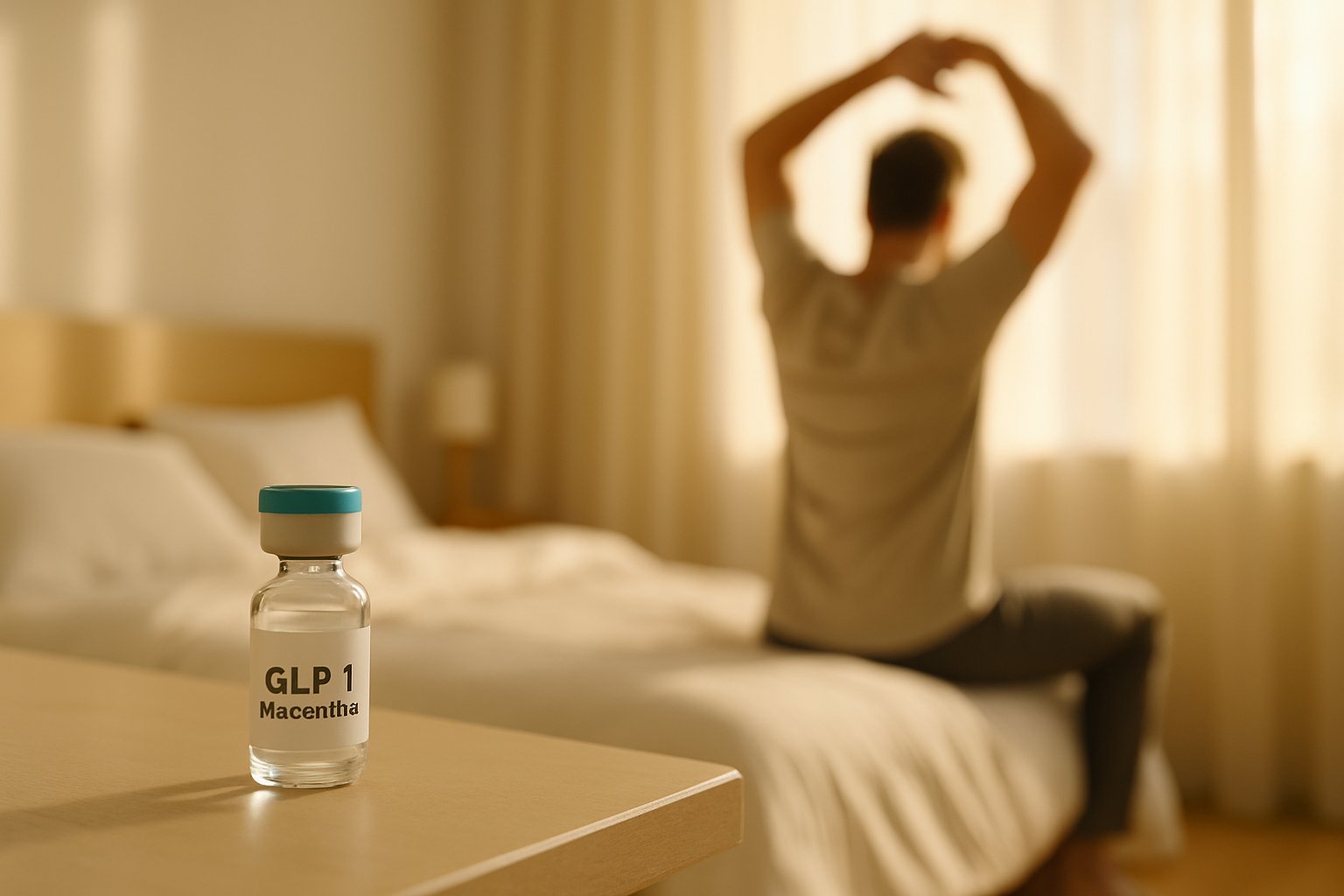
Sleep apnea and excess weight feed each other, and for the first time there’s a weight loss drug approved to treat the breathing disorder itself. Zepbound (tirzepatide) is FDA-approved for moderate-to-severe obstructive sleep apnea (OSA) in adults with obesity, based on trial data showing it substantially reduced apnea events. Other GLP-1 drugs like Wegovy (semaglutide) can help indirectly by driving the weight loss that eases OSA, though they aren’t specifically approved for it. Here’s how these options work and compare.
Why Weight and Sleep Apnea Are Linked
In obstructive sleep apnea, the airway repeatedly narrows or collapses during sleep, briefly cutting off breathing dozens of times an hour. Excess weight is a leading cause because fat around the neck and upper airway crowds the space, and abdominal fat can reduce lung volume and make the airway less stable at night.
The severity is measured by the apnea-hypopnea index (AHI), the number of breathing interruptions per hour. Untreated OSA is more than an inconvenience: it’s linked to high blood pressure, heart disease, and daytime exhaustion. Because weight is such a strong driver, losing a significant amount often lowers AHI, which is precisely where these medications come in.
Zepbound: The First Drug Approved for OSA
Tirzepatide earned its OSA approval on the strength of a dedicated trial program. In the SURMOUNT-OSA trials published in the New England Journal of Medicine in 2024, adults with moderate-to-severe OSA and obesity who took tirzepatide had large reductions in apnea events, along with lower body weight, blood pressure, and inflammation, whether or not they also used a CPAP machine. For many participants the improvement was enough to meaningfully change their disease severity.
That result is why tirzepatide (sold as Zepbound for weight-related uses) became the first medication cleared specifically for OSA in adults with obesity, rather than just for weight loss that happens to help.
Comparing the Options
| Option | How it works | OSA status | Notes |
|---|---|---|---|
| Tirzepatide (Zepbound) | Weekly injection, up to ~21% weight loss | FDA-approved for moderate-to-severe OSA with obesity | Direct trial evidence of reduced apnea events |
| Semaglutide (Wegovy) | Weekly injection, ~15% weight loss | Not specifically approved for OSA | Helps indirectly via weight loss |
| CPAP therapy | Keeps airway open with air pressure | Standard first-line device | Treats symptoms nightly, doesn’t address weight |
| Combined approach | Medication plus CPAP | Common in practice | Weight loss may reduce reliance on the device over time |
TrimRx prescribes compounded tirzepatide and brand Zepbound, as well as semaglutide options, so the medication with the strongest OSA evidence is available after a provider review. CPAP remains a mainstay and pairs well with weight loss rather than competing with it. Importantly, medication and CPAP are not mutually exclusive; the trial benefits held in people using CPAP too.
Consider a hypothetical patient with a BMI of 36 and moderate OSA who finds CPAP hard to tolerate every night. A GLP-1 that lowers his weight could reduce his apnea severity over time, potentially making his nights more manageable, though he would keep working with his sleep provider to monitor progress with a repeat sleep study.
If you’re weighing a telehealth route for this, it’s reasonable to vet the provider first. TrimRx publishes an honest look at how the service works, which can help you decide whether it fits your needs.
Frequently Asked Questions
Can weight loss really cure sleep apnea?
For some people, significant weight loss reduces or resolves OSA, especially when excess weight was the main cause. For others it improves severity without eliminating the condition, so ongoing monitoring with a sleep specialist matters.
Is Zepbound better than CPAP for sleep apnea?
They do different things. CPAP treats the airway directly every night and works immediately, while Zepbound addresses an underlying cause (excess weight) over months. Many people use both, and some reduce their CPAP reliance as they lose weight.
Do I still need a sleep study if I start a weight loss drug?
Yes. A sleep study diagnoses OSA and gauges severity, and a repeat study is how you and your provider confirm whether treatment is working. Medication doesn’t remove the need for proper diagnosis and follow-up.
To see whether tirzepatide or another GLP-1 fits your situation, you can take the TrimRx quiz for a licensed provider’s review.
This article is for educational purposes and is not medical advice. Obstructive sleep apnea requires diagnosis and follow-up with a qualified healthcare provider. Do not stop prescribed CPAP therapy without medical guidance. Individual results vary.

Transforming Lives, One Step at a Time
Keep reading

What to Do With a Full Pantry You No Longer Eat From
Sort it into three piles rather than clearing it all out: donate, keep, and discard. The mistake most people make is emptying the whole…

How to Handle a Business Dinner When the Client Orders for the Table
This is the one dining situation where your usual tools do not work. You cannot order a starter as your main, cannot ask for…

How to Handle Group Dinners Where Everyone Shares Plates
Shared dining is generally easier than a fixed plate, not harder, and it is worth going in with that framing. When everyone is taking…


