Oral Medications for Weight Loss Explained
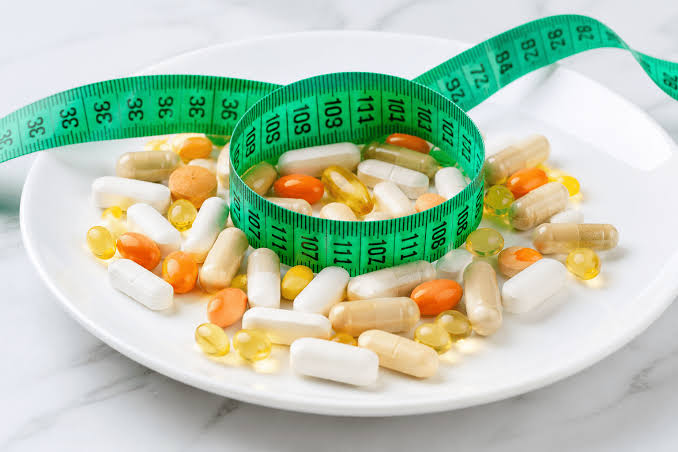
Oral medications for weight loss have become an increasingly popular option for people who want extra support alongside healthy eating, regular physical activity, and long-term lifestyle changes. Unlike injectable treatments, weight loss pills offer a convenient alternative that may help reduce appetite, increase feelings of fullness, or affect how the body processes calories, depending on the medication. With several prescription options now available, it’s important to understand how these treatments work, who they’re designed for, and what to expect before starting one.
Finding the right provider is just as important as choosing the right medication. Reputable telehealth services like TrimRX make it easier to connect with licensed healthcare professionals who can evaluate your weight loss goals, determine whether prescription treatment is appropriate, and provide ongoing medical guidance throughout your journey. In this guide, we’ll explore the most commonly prescribed weight loss medications in pill form, how they work, what side effects to watch for, and how to figure out which option might fit a particular weight management plan. Whether someone is brand new to weight loss medication or just tired of injections, there’s a lot worth knowing here.
Why Oral Weight Loss Medication Is Getting So Much Attention
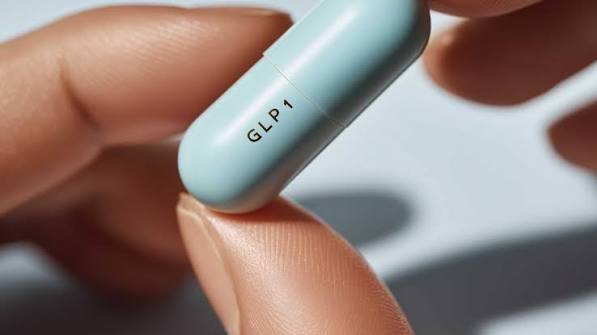
For years, the most effective weight loss medications came as injections. Injectable semaglutide (sold as Wegovy for weight management and Ozempic for type 2 diabetes) grabbed headlines for good reason: it works. But not everyone wants to give themselves a shot every week. Some people have needle anxiety. Others just find pills easier to work into a daily routine.
That’s pushed demand for oral options way up. An oral glp-1 or another weight loss pill can offer real body weight loss without the injection. And for many patients, the idea of taking a tablet with breakfast feels a whole lot more normal than a weekly shot.
There’s also a practical angle. Pills are often easier to store, travel with, and remember to take. If a medication works only when someone actually takes it, convenience matters more than most people think.
How Oral Weight Loss Medications Work
Not every obesity medication works the same way. Understanding the main mechanisms helps patients have better conversations with their healthcare provider. Most oral options fall into a few categories.
1. GLP-1 Receptor Agonists in Pill Form
Glp-1 receptor agonists are the heavy hitters of modern obesity medicine. These drugs mimic a hormone the body naturally releases after eating. The result? They reduce appetite, slow digestion, and create feelings of fullness that last longer after meals.
Oral semaglutide was the first oral glp-1 receptor agonist approved by the FDA, though its initial approval was for type 2 diabetes. It contains the same active ingredient as injectable semaglutide. The catch is that the oral version has to be taken on an empty stomach, first thing in the morning, with just a small sip of water. Patients then wait at least 30 minutes before eating, drinking, or taking other medications. That routine trips some people up, but those who stick with it often see meaningful weight loss over time.
Newer oral glp-1 medications are in development, weight loss programs keeps a close eye on these approvals as they happen. The oral and injectable versions of these drugs tend to produce similar results when taken correctly, which is encouraging for needle-averse patients.
2. Appetite Suppressants
Older medications like phentermine have been around for decades. They work by stimulating the central nervous system to reduce appetite. Phentermine is typically prescribed for short-term use, and it can cause side effects like increased heart rate, dry mouth, and trouble sleeping. It’s not a great fit for people with high blood pressure or certain heart conditions, so a clinician will review health history carefully before prescribing it.
3. Combination Medications
Some of the best oral weight loss medication options combine two drugs in one pill. Phentermine-topiramate (Qsymia) is a well-known example. The phentermine curbs appetite while topiramate, a drug originally used for seizures and migraines, adds feelings of fullness and may change how food tastes. Together, they produce stronger body weight loss than either drug alone.
Another combination medication, naltrexone-bupropion (Contrave), targets the brain’s reward system to reduce cravings and appetite. This one can be especially helpful for people who struggle with emotional eating.
4. Fat Absorption Blockers
Orlistat (Xenical by prescription, Alli over the counter) takes a different approach entirely. Instead of affecting appetite, it works in the gut to block fat absorption, preventing the body from digesting about a quarter of the dietary fat someone eats. The undigested fat passes through the system, which leads to the drug’s famous (and infamous) side effect: oily stools and urgent bathroom trips, especially after a high-fat meal. People who commit to a lower-fat eating plan tend to manage side effects much better on this one.
What the Best Oral Weight Loss Medication Can Realistically Do
Here’s the honest truth: no medication alone will do all the work. Even the strongest oral glp-1 produces the best results when combined with lifestyle changes like a healthy diet and exercise routine.
So what does effective weight loss look like on these medications? In clinical trials, patients on glp-1 for weight loss often lose somewhere between 10% and 15% of their starting body weight over a year or so. Combination medications like phentermine-topiramate typically land in the 8% to 10% range. Orlistat is more modest, usually around 5%.
Those numbers might not sound dramatic, but losing even 5% to 10% of body weight can lower blood pressure, improve blood sugar, and reduce strain on joints. For someone with a weight-related health condition, that’s a big deal.
It’s also worth knowing that weight regain is common when people stop taking these drugs. Obesity is a chronic condition, and most clinicians view these medications as tools for long-term use rather than a quick fix. If you stop the medication, the appetite signals come back, and old habits can creep in. Planning for the long haul from day one leads to better outcomes.
Who Qualifies for a Prescription?

Prescription weight loss medications aren’t handed out casually. Generally, weight loss medications are FDA-approved for adults with:
- A BMI of 30 or higher (obesity), or
- A BMI of 27 or higher with at least one weight-related health condition, such as type 2 diabetes, high blood pressure, or high cholesterol
A healthcare provider will look at a patient’s full health history, current medications, and personal goals before making a medication choice. Certain health conditions rule out certain drugs. For example, someone with a history of heart rhythm problems probably won’t be prescribed phentermine, and someone with a personal or family history of medullary thyroid cancer typically shouldn’t take a glp-1 receptor agonist.
This is exactly why working with a qualified clinician matters. Most programs connect patients with licensed providers who review all of this before prescribing oral medications for weight loss. If you’ve been wondering whether you qualify, a consultation is the fastest way to find out.
Common Side Effects and How to Manage Them
Every medication may cause side effects, and weight loss drugs are no exception. The good news is that most are mild and fade as the body adjusts.
For oral glp-1 medications, common side effects include nausea, vomiting, diarrhea, constipation, and stomach pain. These tend to be worst in the first few weeks or after a dose increase. Eating smaller meals, avoiding greasy food, and staying hydrated helps a lot.
Other medications bring their own potential side effects:
- Phentermine: dry mouth, insomnia, jitters, increased heart rate
- Topiramate (in Qsymia): tingling in hands and feet, trouble concentrating, changes in taste
- Naltrexone-bupropion: nausea, headache, possible increases in blood pressure
- Orlistat: oily spotting, gas, urgent bowel movements
One concern that comes up with any rapid body weight loss is muscle loss. Losing weight without enough protein or resistance exercise can mean losing muscle along with fat. A solid eating plan with adequate protein, plus some strength training, protects lean mass during treatment.
Anyone experiencing severe or persistent symptoms should contact their clinician right away rather than pushing through. Adjusting the dose or switching medications is often all it takes.
Oral vs. Injectable: How Do They Compare?
Patients often ask whether oral and injectable forms of the same drug work equally well. The short answer: they can, but there are trade-offs.
Oral versions are needle-free and easy to travel with, but some (like oral semaglutide) have strict timing rules and must be taken on an empty stomach. Absorption through the gut is also less efficient, which is why oral doses are higher than injectable ones. Other oral options, like combination medications, can be taken any time of day, which some patients find much easier.
Injectable versions are usually taken just once a week and have fewer timing restrictions, but they require comfort with self-injection.
Effectiveness-wise, the injectable versions of semaglutide currently have more clinical data behind them for weight management specifically. But for many patients, the “best” medication is simply the one they’ll actually take consistently.
What About Compounded Medications and Insurance Coverage?
Cost is a real barrier for a lot of people. Many insurance plans don’t cover weight loss medications, even when they’re prescribed by a doctor. Some plans cover them for type 2 diabetes but not for obesity, which frustrates patients to no end.
This is where compounded medications sometimes enter the picture. Compounded versions of certain drugs can offer a more affordable path when brand-name options aren’t covered. However, quality and oversight vary, so it’s important to get compounded medications only through reputable, licensed pharmacies and a legitimate provider. TrimRx works with licensed compounding pharmacies and licensed clinicians, which takes some of the guesswork out of the process for patients trying to access glp-1 for weight loss without breaking the bank.
Before ruling anything out, it’s worth checking with an insurance provider directly. Coverage rules change often, and some employers have started adding weight management benefits as the science around obesity medication has grown.
Building a Weight Management Plan That Actually Sticks
Medication works best as one piece of a bigger picture. The patients who see the most effective weight loss tend to combine their prescription with:
- A realistic eating plan they can maintain (not a crash diet)
- Regular movement, even if it’s just walking
- Adequate protein to prevent muscle loss
- Consistent sleep and stress management
- Regular check-ins with their healthcare provider
Medication alone might produce results for a while, but combined with lifestyle changes, the results are stronger and far more likely to last. Think of the medication as a power tool and lifestyle changes as the blueprint. One without the other only gets the job halfway done.
Conclusion
Oral weight loss medication has come a long way. From oral semaglutide to combination medications like phentermine-topiramate, patients now have real pill form options that produce meaningful weight loss without injections. Each medication comes with its own benefits, side effect profile, and daily routine, so the right choice depends on health history, personal preference, and honest conversations with a clinician.
The most important step is simply starting the conversation. Weight loss programs like TrimRx helps patients explore prescription weight loss medications through licensed providers, with a process designed to be straightforward and supportive. Whether someone is curious about an oral glp-1, weighing oral and injectable versions, or just trying to figure out if they qualify, help is closer than it might seem.
Frequently Asked Questions
What is the best oral weight loss medication available right now?
There’s no single winner because the “best” option depends on the individual. Oral semaglutide and combination medications like phentermine-topiramate tend to produce the largest average body weight loss, but a clinician will factor in health history, current medications, and personal preferences before prescribing. What works brilliantly for one person might be a poor fit for another.
Are oral glp-1 medications as effective as injections?
They contain the same active ingredient as their injectable counterparts and can produce similar results when taken correctly. The trade-off is that some oral versions, like oral semaglutide, must be taken on an empty stomach at least 30 minutes before eating, which requires a consistent morning routine. Injectable versions are taken weekly and have fewer timing rules.
What are the most common side effects of oral weight loss medications?
For glp-1 medications, common side effects include nausea, diarrhea, constipation, and stomach discomfort, especially early in treatment. Other medications may cause dry mouth, insomnia, or increased heart rate. Most side effects improve within a few weeks, and a healthcare provider can adjust the dose if needed.
Does insurance cover weight loss pills?
It depends on the plan. Many insurers still don’t cover weight loss medications for obesity, though some cover them when prescribed for type 2 diabetes. Coverage is expanding slowly, so checking directly with the insurance company is worthwhile. For patients without coverage, programs like TrimRx offer affordable access through licensed providers and pharmacies.
Will the weight come back after stopping the medication?
Weight regain is common after discontinuing these medications, since obesity is a chronic condition and the appetite-suppressing effects wear off. That’s why most clinicians recommend viewing these drugs as tools for long-term use, paired with lasting lifestyle changes. Stopping should always be discussed with a provider rather than done abruptly.

Transforming Lives, One Step at a Time
Keep reading

What to Do With a Full Pantry You No Longer Eat From
Sort it into three piles rather than clearing it all out: donate, keep, and discard. The mistake most people make is emptying the whole…

How to Handle a Business Dinner When the Client Orders for the Table
This is the one dining situation where your usual tools do not work. You cannot order a starter as your main, cannot ask for…

How to Handle Group Dinners Where Everyone Shares Plates
Shared dining is generally easier than a fixed plate, not harder, and it is worth going in with that framing. When everyone is taking…


