Why Am I Gaining Weight on Zepbound Female
Introduction
Stepping on the scale should be a moment of progress, but for many women starting a new weight loss journey, seeing the number climb instead of drop can feel devastating. If you have been prescribed Zepbound® and are noticing weight gain or a frustrating stall, you are not alone. While these medications are powerful tools for metabolic health, the female body faces unique biological and hormonal hurdles that can influence how the scale moves.
At TrimRx, we understand that weight management is never a straight line, especially when navigating the complexities of hormonal shifts, dosing schedules, and lifestyle adjustments. This post will explore the physiological reasons why you might be seeing weight gain on tirzepatide—the active ingredient in Zepbound®—and how to refine your approach for sustainable results. We will cover everything from the impact of starter doses and muscle mass to the specific ways menopause and stress affect your progress. Our goal is to provide clarity so you can feel empowered to take the free assessment quiz and take the next step in your health journey.
How Tirzepatide Affects the Female Metabolism
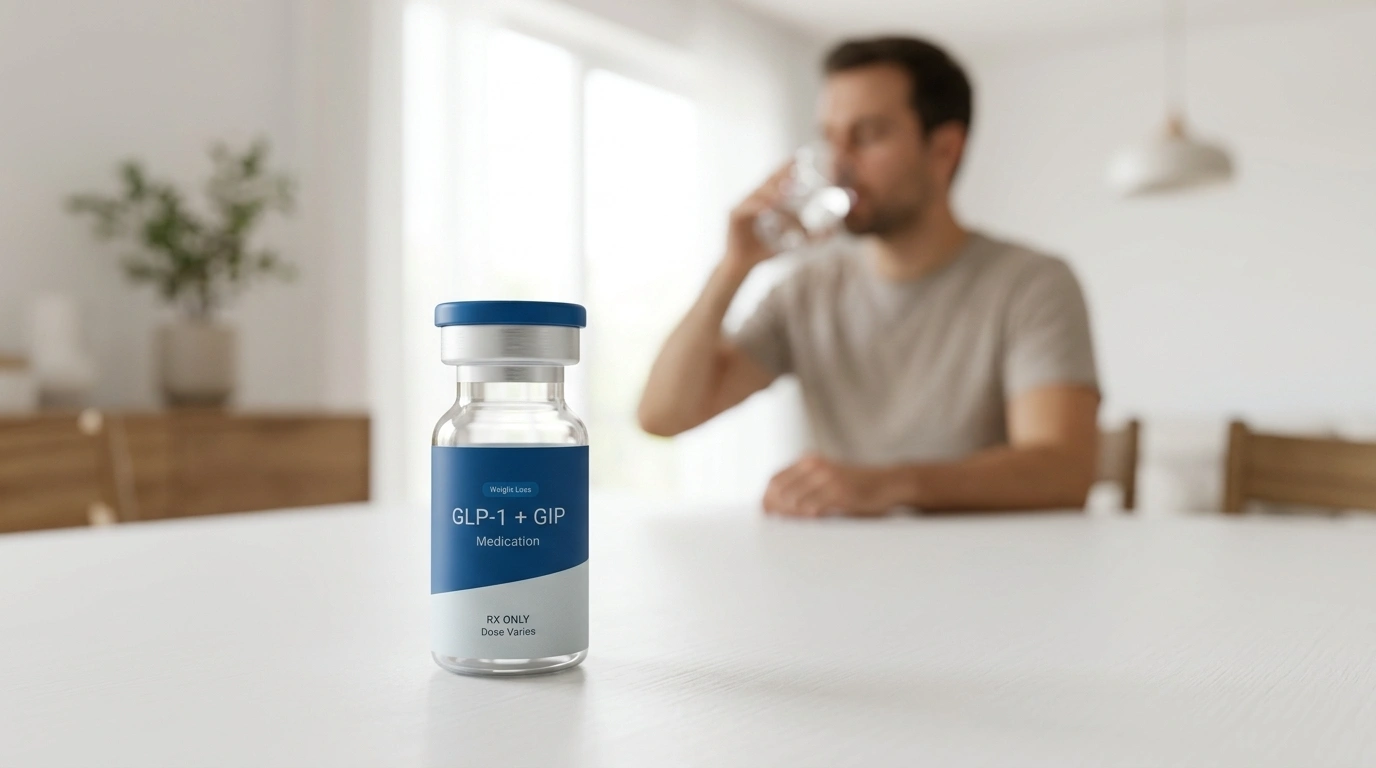
To understand why weight might fluctuate, it is helpful to look at how the medication works within your system. Zepbound® is a dual-acting medication known as a receptor agonist. It mimics two specific hormones in the body: glucagon-like peptide-1 (GLP-1) and glucose-dependent insulinotropic polypeptide (GIP).
A receptor agonist is a substance that attaches to a cell’s receptor to trigger a specific biological response. In this case, the medication mimics hormones that your body naturally produces to manage hunger and blood sugar.
The Role of GLP-1
The GLP-1 hormone is responsible for slowing down gastric emptying, which is the speed at which food leaves your stomach. This helps you feel full for a longer period after eating. It also sends signals to the brain to reduce appetite and “food noise,” which is the constant, intrusive thinking about your next meal.
The Role of GIP
GIP works in tandem with GLP-1 but focuses more on how your body processes fats and sugars. It can improve insulin sensitivity, meaning your cells are better at taking in glucose for energy rather than storing it as fat. In women, this dual action is particularly important because our bodies are biologically wired to store fat for reproductive and hormonal health.
Quick Answer: Weight gain on Zepbound® for females is often caused by the body adjusting to a low starter dose, hormonal fluctuations (such as menopause or PCOS), or a loss of muscle mass which slows the metabolism. It is rarely “true” fat gain and often involves water retention or metabolic adaptation that can be corrected with dosage and lifestyle adjustments.
For a broader look at why the scale can rise during treatment, read this guide to weight gain while taking tirzepatide.
Why the Number on the Scale Might Rise Initially
It is common to expect immediate results when starting a high-profile medication. However, several factors can cause the scale to stay still or even tick upward in the first few weeks or months.
The Impact of the Starter Dose
Most patients begin their journey on a 2.5 mg dose of tirzepatide. It is crucial to understand that this is considered a “loading dose,” not a therapeutic dose for significant weight loss. The primary purpose of the 2.5 mg dose is to help your body acclimate to the medication and minimize gastrointestinal side effects.
Because your appetite may not be fully suppressed at this low level, you might still be consuming your usual calorie intake while your body is adjusting its metabolic rate. Clinical data suggests that significant weight loss typically begins once a patient moves to the 5 mg, 10 mg, or 15 mg doses.
If you are unsure whether your current plan is appropriate, you can complete a free eligibility assessment for personalized medical guidance.
Water Retention and Inflammation
Starting a new medication can cause temporary inflammation or changes in how the body handles fluids. Tirzepatide affects how your kidneys process sodium and water. If you are experiencing mild side effects like nausea or constipation, your body may hold onto water as a protective mechanism. This “water weight” can easily mask fat loss on the scale, making it appear as though you are gaining weight when you are actually losing fat.
Metabolic Adaptation
When you significantly reduce your calorie intake, your body may enter a state of metabolic adaptation. This is an ancient survival mechanism where the body slows down its energy expenditure to protect against what it perceives as a period of food scarcity. For women, whose metabolisms are often more sensitive to calorie restriction, this can lead to a temporary stall.
Learn more about metabolic adaptation during weight loss and how changes in energy expenditure can affect progress.
Female-Specific Factors and Hormonal Influence
Women face distinct challenges when it comes to weight management that men typically do not. Hormones play a massive role in where we store fat and how easily we let it go.
Menopause and Perimenopause
During menopause and the years leading up to it (perimenopause), estrogen levels drop significantly. This hormonal shift often leads to an increase in visceral fat—fat stored around the midsection—and a decrease in muscle mass. If you are starting Zepbound® during this transition, the medication is fighting against a powerful biological tide.
The loss of estrogen can make the body more resistant to insulin. Even with the help of a GLP-1 and GIP agonist, you may need a higher dosage or more specific nutritional interventions to overcome the metabolic slowdown associated with menopause.
For additional context, explore how GLP-1 medications may affect menopause-related weight gain.
Polycystic Ovary Syndrome (PCOS)
PCOS is a common hormonal disorder that causes insulin resistance, making it very difficult for the body to use glucose for energy. Instead, the body stores it as fat. While tirzepatide is often very effective for those with PCOS because it addresses insulin sensitivity directly, the progress can be slower. Women with PCOS may find that their weight fluctuates wildly due to water retention and the body’s sensitive inflammatory response.
The Cortisol Connection
Stress and lack of sleep are “silent” contributors to weight gain. When you are stressed, your adrenal glands release cortisol. High levels of cortisol can lead to:
- Increased cravings for high-calorie, sugary foods.
- The body’s tendency to store fat in the abdominal area.
- Disruption of other hunger hormones like leptin and ghrelin.
If your weight loss has stalled or reversed, consider your stress levels. Are you sleeping less than seven hours a night? Are you managing a high-stress career or family life? These factors can sometimes override the benefits of the medication.
Key Takeaway: For women, weight loss is rarely just about calories. Hormonal health, life stages like menopause, and stress-related cortisol levels significantly influence how the body responds to medications like Zepbound®.
The Importance of Muscle Mass and Metabolism
One of the most overlooked reasons for weight gain—or a lack of weight loss—on GLP-1 medications is the loss of lean muscle tissue. When you lose weight rapidly, your body doesn’t just burn fat; it also breaks down muscle for energy.
Why Muscle Loss is a Problem
Muscle is metabolically active tissue, meaning it burns calories even when you are at rest. If you lose muscle mass while taking Zepbound®, your resting metabolic rate (RMR) drops. This means your body needs fewer calories to maintain its weight than it did before. If your calorie intake doesn’t drop further, or if you don’t rebuild that muscle, you can hit a plateau or start gaining weight.
The Role of Resistance Training
To prevent this, it is essential to incorporate strength training into your weekly routine. Lifting weights or performing bodyweight exercises tells your body to preserve muscle while burning fat. This keeps your metabolism high and ensures that the weight you lose is primarily fat.
Read more about strength training on GLP-1 medications to understand how resistance exercise can support muscle preservation.
Nutrition Hurdles: Quality Over Quantity
While Zepbound® helps you eat less by reducing hunger, what you eat still matters immensely. A common mistake is focusing solely on eating “less” without focusing on eating “better.”
Protein Intake
Protein is the building block of muscle. If you are not consuming enough protein while on a GLP-1 program, your body will more readily break down your own muscle tissue. Most experts recommend that women on these medications aim for a higher percentage of their daily calories from protein sources like lean meats, beans, tofu, and Greek yogurt.
Fiber and Gut Health
Because these medications slow down digestion, fiber is your best friend. It helps maintain regular bowel movements and keeps you feeling full longer. A diet high in processed foods—even in small portions—can lead to spikes in blood sugar that the medication must work harder to manage.
Hidden Calories
Even with a reduced appetite, it is possible to consume more calories than you realize. Liquid calories from sodas, flavored coffees, or alcohol can add up quickly without triggering the “fullness” signals that the medication relies on. Alcohol, in particular, can temporarily halt fat burning as the liver prioritizes processing the alcohol over everything else.
If reduced appetite makes it difficult to meet your nutritional needs, GLP-1 Daily Support may help provide nutritional support during treatment.
Common Myths About Weight Gain on Tirzepatide
There is a lot of misinformation surrounding these medications. Let’s address a few common misconceptions.
Myth: If I’m gaining weight, the medication isn’t working.
Fact: Weight gain can be a sign of many things, including muscle growth (if you are training), water retention, or simply being on too low of a dose. The medication is still working on your blood sugar and insulin levels even if the scale hasn’t moved yet.
Myth: I don’t need to exercise if I’m taking Zepbound®.
Fact: Exercise is vital for maintaining muscle mass and heart health. Medication is a tool to help you stick to a healthy lifestyle, not a replacement for it.
Myth: Once I start the medication, I can eat whatever I want in small amounts.
Fact: Nutritional quality is more important than ever because you are eating less food. You must ensure every bite provides the vitamins and minerals your body needs to function.
How to Optimize Your Results with TrimRx
At TrimRx, we believe that medication is just one piece of the puzzle. A truly effective weight loss program must be personalized to your unique health profile. If you are struggling with weight gain on your current journey, it may be time for a more comprehensive approach.
Our platform connects you with licensed healthcare providers who can evaluate your progress and adjust your program as needed. Because we operate entirely via telehealth, you can get the support you need from the comfort of your home.
The Benefits of a Personalized Program
- Medical Supervision: Regular consultations to monitor for side effects and adjust dosages.
- Access to Compounded Options: We work with FDA-registered, inspected compounding pharmacies to provide access to Compounded Tirzepatide and Compounded Semaglutide. These are prepared by pharmacists to meet individual needs when branded options like Zepbound® or Wegovy® are not suitable or available.
- Comprehensive Support: We offer 24/7 access to a team that understands the nuances of the weight loss journey.
Steps to Take if You Are Gaining Weight
If you find that the scale is moving in the wrong direction, do not panic. Follow these steps to identify the cause and get back on track.
Step 1: Track Your Intake and Activity
For one week, honestly track everything you eat and drink, along with your physical activity. Use an app or a simple journal. You might find “hidden” calories or realize you aren’t moving as much as you thought.
Step 2: Prioritize Protein and Hydration
Ensure you are drinking at least 80–100 ounces of water a day and hitting your protein goals. This supports your metabolism and helps reduce water retention. We offer supplements like GLP-1 Daily Support to help fill nutritional gaps during this process.
Step 3: Evaluate Your Dose
If you have been on the 2.5 mg or 5 mg dose for more than four weeks and are gaining weight, it may be time to speak with your provider about moving to a higher therapeutic dose.
Step 4: Check Your Stress and Sleep
Address any lifestyle factors that could be raising your cortisol. Aim for 7-9 hours of sleep and find a daily stress-relief practice, such as walking or meditation.
Step 5: Consult a Professional
Schedule a check-in with your healthcare provider. They can run lab work to check for underlying issues like thyroid dysfunction or severe vitamin deficiencies that could be stalling your progress.
| Comparison Factor | Starter Dose (2.5mg) | Therapeutic Dose (5mg – 15mg) |
|---|---|---|
| Primary Goal | Acclimation / Side Effect Management | Weight Loss / Metabolic Health |
| Appetite Suppression | Mild to Moderate | Moderate to Strong |
| Typical Duration | 4 Weeks | Ongoing |
| Weight Change | Possible fluctuations / minor loss | Expected steady loss |
The TrimRx Approach to Sustainable Health
Our mission at TrimRx is to help you achieve long-term, sustainable health through a blend of clinical expertise and empathetic support. We know that weight loss is about more than just a number; it’s about feeling better, having more energy, and reducing the risk of chronic disease. We provide the tools—including access to medications from licensed compounding pharmacies—to help you navigate the ups and downs of your journey with confidence.
Summary: Finding Your Path Forward
Weight gain on Zepbound® as a female can be frustrating, but it is often a temporary hurdle. Whether it is due to your body adjusting to a new dose, the complex interplay of female hormones, or a loss of metabolic muscle, there is always a way to adjust and move forward. By focusing on high-quality nutrition, resistance training, and consistent medical guidance, you can overcome these obstacles.
Bottom line: Weight fluctuations on GLP-1 medications are common. Focus on non-scale victories like how your clothes fit and your energy levels while working with your provider to find the right dosage and lifestyle balance.
If you are considering prescription weight loss support, find out if GLP-1 medications may be right for you.
FAQ
Why am I hungrier some weeks than others on Zepbound®?
Hunger can fluctuate due to your menstrual cycle, stress levels, or if you are approaching the end of your weekly dose cycle. As the medication levels naturally dip slightly before your next injection, “food noise” may return. If this hunger is persistent and leads to weight gain, it may be a sign that your dosage needs to be increased by your healthcare provider.
Can I gain fat while taking tirzepatide?
While tirzepatide significantly aids in weight loss, it is still possible to gain fat if you are in a consistent calorie surplus. The medication helps manage the signals that lead to overeating, but it does not prevent the body from storing energy if you consume significantly more than you burn. Focus on nutrient-dense foods to ensure you stay in a healthy range.
Is weight gain during my period normal on this medication?
Yes, many women report temporary weight gain of 2–5 pounds during their menstrual cycle due to hormonal water retention and bloating. This is not fat gain and typically resolves once your period ends. It is helpful to avoid weighing yourself during this week to prevent unnecessary frustration.
For more information about GLP-1 treatment during hormonal transitions, review this guide to GLP-1 medications and perimenopause.
How long should I wait before deciding the medication isn’t working?
Most clinical trials show that significant weight loss occurs over 72 weeks, with the most dramatic results appearing after the first 3–4 months as you reach higher doses. If you have been on a therapeutic dose (7.5 mg or higher) for at least two months with no progress, consult your provider to evaluate other metabolic factors.
Disclaimer: This content is for informational purposes only and does not constitute medical advice. It is not intended to diagnose, treat, cure, or prevent any disease or condition. Individual results may vary. Always consult a qualified healthcare professional before starting any weight loss program or medication.

Transforming Lives, One Step at a Time
Keep reading

Surfing on Zepbound: Paddling Strength, Cold Water, and Dawn Patrol
Surfing asks a lot of your body. Paddling out through broken waves takes shoulder, back, and core strength. Cold water drains energy. Dawn sessions…

Skydiving on Zepbound: Planning a Tandem Jump
For many people who have lost weight, a skydive is a goal they set years ago and finally feel ready for. Some dropzones have…
A Day at the Renaissance Faire on Zepbound
A Renaissance faire is a full day out: jousts, stage shows, artisan stalls, dusty lanes, and food built for spectacle, from giant turkey legs…


