What is Average Weekly Weight Loss on Zepbound?
Introduction
Stepping on the scale can often feel like a roll of the dice, especially when you have invested time and energy into a new health regimen. If you are considering or currently taking Zepbound®, a common and valid question is exactly how much progress you should expect to see from one week to the next. While everyone’s metabolic profile is unique, clinical data provides a helpful framework for understanding these trends. At TrimRx, we believe that clarity and education are the first steps toward a successful health journey. This article will break down the clinical expectations for weight reduction, the factors that influence your pace of progress, and how a personalized telehealth program can help you optimize your results. By the end of this discussion, you will have a realistic roadmap for your average weekly weight loss.
If you are exploring whether a personalized prescription program may be appropriate for you, you can take the free assessment quiz.
Quick Answer: On average, individuals taking Zepbound® in clinical trials lost between 0.5 and 1.5 pounds per week over a 72-week period. While early weeks may show more rapid changes due to reduced inflammation and water weight, a steady, sustainable pace is typical as the dosage is adjusted.
Defining Zepbound and How it Works
Before looking at the numbers, it is essential to understand what this medication is and why it is different from previous generations of weight loss treatments. Zepbound® is a brand-name medication containing the active ingredient tirzepatide. It belongs to a class of drugs known as dual agonists.
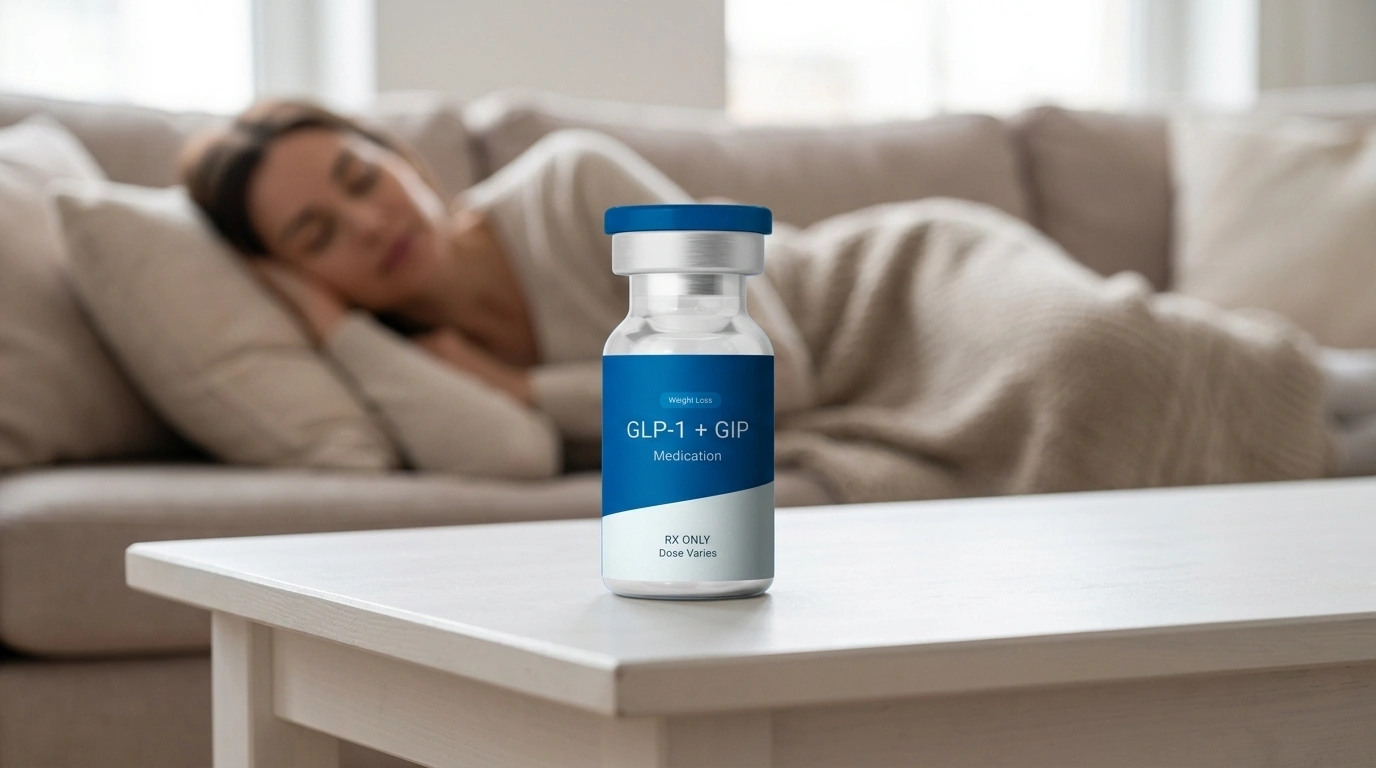
Specifically, it targets two different receptors in the body: the glucagon-like peptide-1 (GLP-1) receptor and the glucose-dependent insulinotropic polypeptide (GIP) receptor. A receptor agonist is simply a compound that mimics a natural hormone to trigger a specific response in the body.
For additional background, you can review this guide to tirzepatide and weekly weight loss.
The Dual Action Mechanism
While older medications often only targeted the GLP-1 pathway, the inclusion of the GIP pathway is a significant development. These hormones work together to:
- Slow Gastric Emptying: This means food stays in your stomach longer, which helps you feel full for a greater duration after eating.
- Signal the Brain: The medication communicates with the areas of the brain responsible for hunger and cravings, often referred to as “food noise.”
- Improve Insulin Sensitivity: By helping the body manage blood sugar more effectively, it can influence how the body stores and burns fat.
At TrimRx, our affiliated providers may recommend compounded tirzepatide for those who are eligible. It is important to note that while the active ingredient is the same, compounded medications are not FDA-approved. However, they are prepared in FDA-registered, inspected compounding pharmacies to ensure high quality and safety standards for our patients.
What is the Average Weekly Weight Loss?
When people ask about “average weekly weight loss,” they are often looking for a specific number to benchmark their progress. However, weight loss is rarely a perfectly straight line. Instead, it is a cumulative process that shifts as the body adapts to the medication.
For another perspective on early progress, see this Zepbound week-one weight loss guide.
The Math of Clinical Trials
In the landmark SURMOUNT-1 clinical trial, participants taking the highest dose of tirzepatide (15 mg) lost an average of 22.5% of their body weight over 72 weeks. To put this into perspective:
- An individual starting at 230 pounds losing 22.5% would lose approximately 51.75 pounds.
- Over 72 weeks, this averages out to approximately 0.72 pounds per week.
While less than one pound per week might sound modest to some, it is important to remember that this is an average across nearly a year and a half. In reality, the pace is often faster in the beginning and tapers off as the individual nears their goal weight.
The “Initial Drop” vs. Long-Term Consistency
During the first four to eight weeks, it is not uncommon for individuals to see a loss of 1 to 3 pounds per week. This is often due to the body’s immediate response to a calorie deficit and a reduction in systemic inflammation. As the body reaches a “steady state” with the medication—usually after about a month of consistent use—the pace typically stabilizes to 0.5 to 1.5 pounds per week.
Key Takeaway: Average weekly weight loss is a marathon, not a sprint. While initial results may be rapid, a consistent loss of 0.5% to 1% of total body weight per week is considered a healthy and sustainable target by most clinical standards.
Factors That Influence Your Weekly Results
Not everyone will experience the same weekly numbers. Several biological and lifestyle variables play a role in how the scale moves.
1. Dosage Titration
Zepbound® is not started at its maximum dose. To allow the body to adjust and to minimize side effects, providers use a titration schedule. You typically start at a low dose, such as 2.5 mg, and increase every four weeks. Most significant weight loss occurs as you move toward the 10 mg and 15 mg doses. If you are in the early stages of titration, your weekly loss might be slower than someone who has been on a maintenance dose for several months.
For a closer look at dose changes, review this tirzepatide dosing and titration guide.
2. Starting Body Weight and BMI
Generally, individuals with a higher starting Body Mass Index (BMI) may see larger numerical drops in the early weeks. Losing two pounds a week is a different metabolic feat for someone starting at 300 pounds than for someone starting at 180 pounds.
3. Metabolic Adaptation
The body is a survival machine. When you lose weight, your metabolism may naturally slow down slightly to conserve energy. This is often why plateaus occur. Plateaus are periods where weight loss stalls for several weeks despite no changes in habits. This is a normal part of the process and often requires a slight adjustment in activity or a higher dose of medication as directed by a healthcare provider.
4. Adherence to Lifestyle Changes
The medication is designed to be a tool, not a total replacement for healthy habits. Clinical trials showed the best results when the medication was paired with a reduced-calorie diet and increased physical activity. Those who prioritize protein intake and regular movement typically see more consistent weekly progress.
Clinical Comparison: Percentage of Weight Loss by Dose
To understand what is possible, it is helpful to look at how different doses of the medication performed in controlled studies. The following table summarizes the 72-week results from the SURMOUNT-1 trial for adults with obesity or overweight (without diabetes).
| Dose of Tirzepatide | Average % Weight Loss | Total Lbs Lost (Starting at 230 lbs) | Estimated Average Weekly Loss |
|---|---|---|---|
| 5 mg | 15.0% | 34.5 lbs | 0.48 lbs |
| 10 mg | 19.5% | 44.8 lbs | 0.62 lbs |
| 15 mg | 20.9% | 48.0 lbs | 0.66 lbs |
| Placebo | 3.1% | 7.1 lbs | 0.10 lbs |
Note: The figures above represent averages. Some individuals in the 15 mg group lost significantly more, with some achieving a reduction of 25% or more of their total body weight.
The First Four Months: A Step-by-Step Timeline
When you start a program with us, the first few months are focused on acclimating your system to the medication. Here is a general look at how the timeline usually unfolds.
Month 1: The Introduction (2.5 mg)
The primary goal of the first month is to introduce the medication to your receptors. Weight loss during this time can vary wildly. Some feel the effects immediately and lose several pounds, while others feel very little change until the dose increases.
You can also explore this Zepbound weight loss timeline by week for more detail on the adjustment period.
Month 2: The Step Up (5 mg)
By the second month, most people begin to notice a significant reduction in cravings. This is often where the “average weekly loss” begins to follow a more predictable pattern of 1 to 2 pounds per week.
Months 3 and 4: Building Momentum (7.5 mg to 10 mg)
As you reach these mid-level doses, your body is usually well-adjusted. This is the period where many patients report feeling the most “control” over their food choices. Consistent weekly loss is the objective here.
Note: It is vital to consult with a licensed healthcare provider throughout this process. They will determine if a dose increase is appropriate based on your progress and any side effects you may be experiencing.
Why Weekly Weight Loss Might Stall
It is frustrating to see the scale stay the same for a week or two, but it does not mean the medication has stopped working. There are several reasons for a temporary stall:
- Water Retention: High sodium intake, intense new exercise routines, or hormonal shifts can cause the body to hold onto water, masking fat loss on the scale.
- Muscle Gain: If you are strength training, you may be losing body fat but gaining muscle mass. Since muscle is denser than fat, the scale might not move even though your clothes are fitting better.
- Inadequate Protein: Without enough protein, the body may struggle to maintain lean muscle mass, which can eventually slow the metabolic rate.
- Inconsistent Sleep: Lack of sleep increases cortisol, which can lead to water retention and increased hunger.
For more context, read about managing a weight loss plateau on tirzepatide.
Myth: “If I don’t lose weight every single week, the medication isn’t working.” Fact: Weight loss is often “stair-stepped.” You may stay at the same weight for ten days and then drop three pounds overnight. This is why looking at monthly averages is often more helpful than daily or weekly weigh-ins.
Managing Side Effects to Maintain Progress
To keep your weekly weight loss on track, you need to feel well enough to maintain your healthy habits. The most common side effects associated with GLP-1 and GIP medications are gastrointestinal.
Common side effects include:
- Nausea
- Diarrhea or constipation
- Indigestion or stomach pain
- Fatigue
Most of these are mild to moderate and occur mainly during the titration phase. If nausea prevents you from eating enough protein or staying hydrated, your weight loss may actually slow down because your body enters a “stress state.”
We often suggest that patients consider targeted support during this time. Our GLP-1 Daily Support supplement is designed to help provide the essential nutrients the body needs when caloric intake is reduced. Staying ahead of side effects ensures you can remain consistent with your weekly injections and lifestyle goals.
The Role of Personalized Telehealth
One of the reasons individuals find success with TrimRx is our focus on personalization. We do not believe in a one-size-fits-all approach. Every program we offer is tailored to the individual’s health history and goals.
By using a telehealth-first model, we remove the barriers that often stop people from seeking help. There are no waiting rooms or inconvenient office visits. Instead, you have 24/7 access to a team that understands the nuances of GLP-1 therapy. Our providers can help you navigate the “low” weeks and celebrate the “high” weeks, ensuring you stay focused on the long-term trend rather than a single Saturday morning on the scale.
Comparison: Zepbound vs. Other Options
While this article focuses on Zepbound®, many people are curious how it compares to other medications like Wegovy® (semaglutide).
- Mechanism: Wegovy® targets the GLP-1 receptor only. Zepbound® targets both GLP-1 and GIP.
- Clinical Results: In separate trials, the average weight loss for those on the highest dose of Zepbound® was generally higher (approx. 20-22%) compared to those on the highest dose of Wegovy® (approx. 15%).
- Weekly Expectation: Because the total percentage is higher, the average weekly loss on Zepbound® may be slightly higher for many patients, though individual responses always vary.
Regardless of which medication a provider prescribes, the goal remains the same: sustainable, healthy weight management that improves your overall metabolic health.
Optimizing Your Weekly Results
If you want to ensure you are on the higher end of the average weekly weight loss spectrum, consider these evidence-based strategies:
- Prioritize Lean Protein: Aim for a specific protein goal daily to protect your muscles.
- Hydrate Constantly: Water is essential for the metabolic processes that break down fat.
- Incorporate Resistance Training: Lifting weights or using bodyweight exercises helps keep your metabolism high.
- Track Your Trends: Use an app or a journal to look at your weight over a 4-week moving average rather than day-by-day.
For additional support with energy during weight loss, consider the Weight Loss Boost supplement.
Bottom Line on Weekly Progress
The average weekly weight loss on Zepbound® is typically between 0.5 and 1.5 pounds. While this may feel slow to those used to “crash diets,” this pace is exactly what leads to permanent change. Rapid, extreme weight loss often results in muscle loss and a metabolic crash, whereas the steady progress seen with tirzepatide allows the body to transform healthily.
Key Takeaway: Success is measured by the trend line over months, not the fluctuations over days. Consistency with your medication, nutrition, and support system is the most reliable predictor of reaching your goal.
The TrimRx Difference
Our mission at TrimRx is to help individuals embrace healthier lifestyles through science, empathy, and a transparent, personalized approach. We understand that weight loss is a deeply personal journey that involves more than just a number on a scale. Our platform is designed to provide the clinical expertise and modern technology needed to make sustainable health accessible to everyone, all from the comfort of your own home.
Whether you are just starting to research GLP-1 medications or you are looking for a more supportive program, we are here to guide you. Our process is simple, transparent, and focused entirely on your success.
Next Steps
If you are ready to see what a personalized program could look like for you, the best way to start is by taking our free assessment quiz. This helps our affiliated providers understand your health profile and determine if a medication like compounded tirzepatide is the right fit for your journey.
FAQ
How much weight will I lose in my first week on Zepbound?
The first week is often unpredictable, with many people losing between 2 and 5 pounds as the body sheds excess water and inflammation. However, some individuals may see no change at all until the medication reaches a higher concentration in their system, which is also completely normal.
For more detail, review this realistic guide to Zepbound results after week one.
Why did my weekly weight loss slow down after the first month?
Weight loss often slows after the initial month because the “quick” weight (water and glycogen stores) has already been lost. As you move into losing actual adipose tissue (fat), the process becomes slower and more stable, typically settling into a range of 0.5 to 1.5 pounds per week.
Can I lose 5 pounds a week on Zepbound?
While some people may have an occasional week where the scale drops 5 pounds, this is not a sustainable or typical average. Losing weight too quickly can lead to unwanted side effects like gallstones or significant muscle loss, so providers generally aim for a steadier, safer pace.
What should I do if I don’t lose any weight for a week?
Do not panic, as “zero” weeks are a standard part of any weight loss journey. Focus on “non-scale victories” like how your clothes fit or your energy levels, and ensure you are staying consistent with your protein intake and hydration while waiting for the next titration step. If you are considering a personalized treatment plan, you can complete a free eligibility assessment.
Disclaimer: This content is for informational purposes only and does not constitute medical advice. It is not intended to diagnose, treat, cure, or prevent any disease or condition. Individual results may vary. Always consult a qualified healthcare professional before starting any weight loss program or medication.

Transforming Lives, One Step at a Time
Keep reading

Surfing on Zepbound: Paddling Strength, Cold Water, and Dawn Patrol
Surfing asks a lot of your body. Paddling out through broken waves takes shoulder, back, and core strength. Cold water drains energy. Dawn sessions…

Skydiving on Zepbound: Planning a Tandem Jump
For many people who have lost weight, a skydive is a goal they set years ago and finally feel ready for. Some dropzones have…

A Day at the Renaissance Faire on Zepbound
A Renaissance faire is a full day out: jousts, stage shows, artisan stalls, dusty lanes, and food built for spectacle, from giant turkey legs…


