Why Does Food Taste Different on Ozempic?
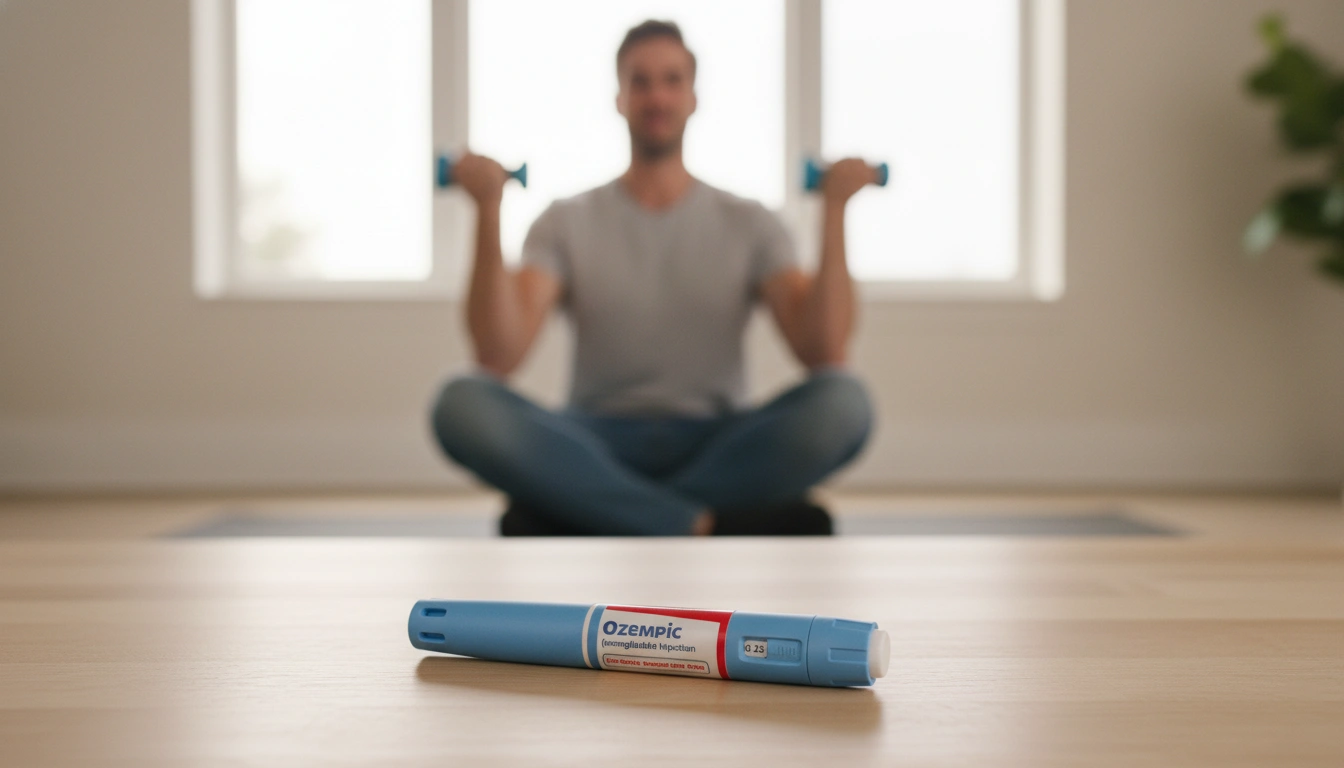
Much of what people describe as taste change is really a change in food reward. Your taste receptors are largely doing what they always did. What has shifted is how appealing the result is, how strong your cravings are, and which foods your brain now pushes you toward. A randomized trial in adults with obesity measured this directly and found that once-weekly semaglutide suppressed appetite, improved control of eating, reduced food cravings, and lowered relative preference for fatty, energy-dense foods.
That last finding is the one people are actually noticing. Fried food, rich sauces, cream, and heavy sweets are the categories that most often stop appealing, and there is a documented reason for it.
What changes, specifically
Fatty and energy-dense foods lose appeal. The most consistently reported shift, and the one supported directly by trial data on food preference.
Sweet things often taste too sweet. Desserts that were previously enjoyable can become cloying.
Alcohol frequently loses appeal, sometimes dramatically. This is widely reported and, for many people, welcome.
Smell changes for some people, which matters because most of what we call taste is actually smell.
Rich or greasy food can become actively unpleasant, sometimes to the point of aversion rather than indifference.
Simple foods often become more appealing. Fruit, plain protein, and lighter meals tend to hold up better than complex rich ones.
Why it happens
Two mechanisms working together.
Central reward signaling. GLP-1 receptors are present in brain regions involved in appetite and reward. The medication acts on the systems that determine how rewarding food feels, not primarily on the receptors on your tongue.
Slowed stomach emptying. Fullness arrives earlier and lasts longer, which changes the whole experience of eating. Food that requires appetite to enjoy becomes less enjoyable when you are already full three bites in.
There is likely a learned component as well. If a rich meal made you nauseated once, your brain forms an aversion quickly, and that aversion can outlast the nausea by months.
Consider this scenario: a patient who ate a favorite creamy pasta dish three weeks into treatment felt sick for the rest of the evening. Six months later, that dish is still unappealing, even though they now tolerate other foods fine. That is a conditioned aversion rather than an ongoing pharmacological effect, and it is very common.
Use it rather than fight it
This is the practically useful part. A reduced pull toward energy-dense food is not a side effect to be managed. It is closer to the point of the treatment, and it is a window that will not necessarily stay open forever.
Build new habits now, while the pull toward old ones is weak. Habits established during this period are more likely to survive after treatment ends.
Notice which foods still work and build meals around them rather than trying to reproduce your old diet.
Prioritize protein deliberately. When appetite is suppressed, protein is usually the first thing to drop, and it is the one you most need to preserve muscle. Our guide on muscle loss on Ozempic covers how much is normal and how to prevent it.
Do not force foods that trigger nausea. You will create aversions that outlast the treatment.
The part worth watching
Reduced enjoyment of food is helpful up to a point and a problem past it.
Watch for these:
- Eating so little that you are consistently under-fueled
- Skipping meals entirely because nothing appeals
- Losing weight faster than your provider intended
- Nutrient intake narrowing to two or three foods
- Feeling cold, tired, or weak alongside the taste changes
- Food becoming something you dread rather than something you are indifferent to
Any of those is worth raising. Adequate nutrition matters throughout treatment, and appetite suppression that has gone past useful is a reason to revisit your dose rather than to endure it.
Does it come back?
Largely, yes. Most people find that food preferences drift back toward baseline after stopping the medication, which is one of the reasons the habits you build during treatment matter so much.
While on treatment, the effect is often strongest in the days after each injection and after each dose increase, then somewhat less pronounced later in the week. Many people notice a rhythm to it once they start paying attention. Our guide on when Ozempic starts suppressing appetite covers that weekly pattern.
Practical adjustments
Season more. If food tastes flat, herbs, acid, and spice do more than salt or sugar.
Eat cooler food, which tends to have less aggressive aroma and can be easier when things smell too strong.
Smaller plates, more often. Easier than confronting a full meal you cannot finish.
Do not cook things you cannot face eating. Adjust what you make rather than making the usual and forcing it.
Drink your fluids separately from meals if fullness arrives too fast.
When to call your provider
Call if you cannot maintain adequate intake, if you are avoiding whole food groups and worried about nutrition, if weight loss is faster than intended, if food aversion is affecting your quality of life, or if taste changes come with mouth pain, sores, or a persistent metallic taste that has lasted months.
Also worth calling if the change is severe right after a dose increase, since the pace of titration is adjustable.
The short version
It is mostly reward rather than taste, it hits fatty and sweet foods hardest, and there is trial data showing exactly that preference shift. Treat it as an opportunity to build habits while the old pulls are weak, prioritize protein deliberately, and speak up if you have gone from indifferent to unable to eat properly.
If you want a provider who will help you use this window rather than just ride it out, see whether TrimRx is a fit for you.
This information is for educational purposes and is not medical advice. Consult with a healthcare provider before starting any medication. Individual results may vary.

Transforming Lives, One Step at a Time
Keep reading

Is It Normal to Feel Tired the Day After Your Ozempic Injection?
Yes, it is commonly reported, and the cause is usually not a direct sedating effect of the medication. It is what happens around the…

Why Does My Stomach Make Loud Gurgling Noises on Ozempic?
Because the medication slows how quickly your stomach empties, and food, liquid, and gas end up spending longer in a system that keeps moving…
How to Travel With Ozempic Without Checking a Bag
Carry-on is not a compromise here, it is the correct approach. Medication should never go in checked baggage regardless of how much space you…


