Is It Normal to Feel Tired the Day After Your Ozempic Injection?
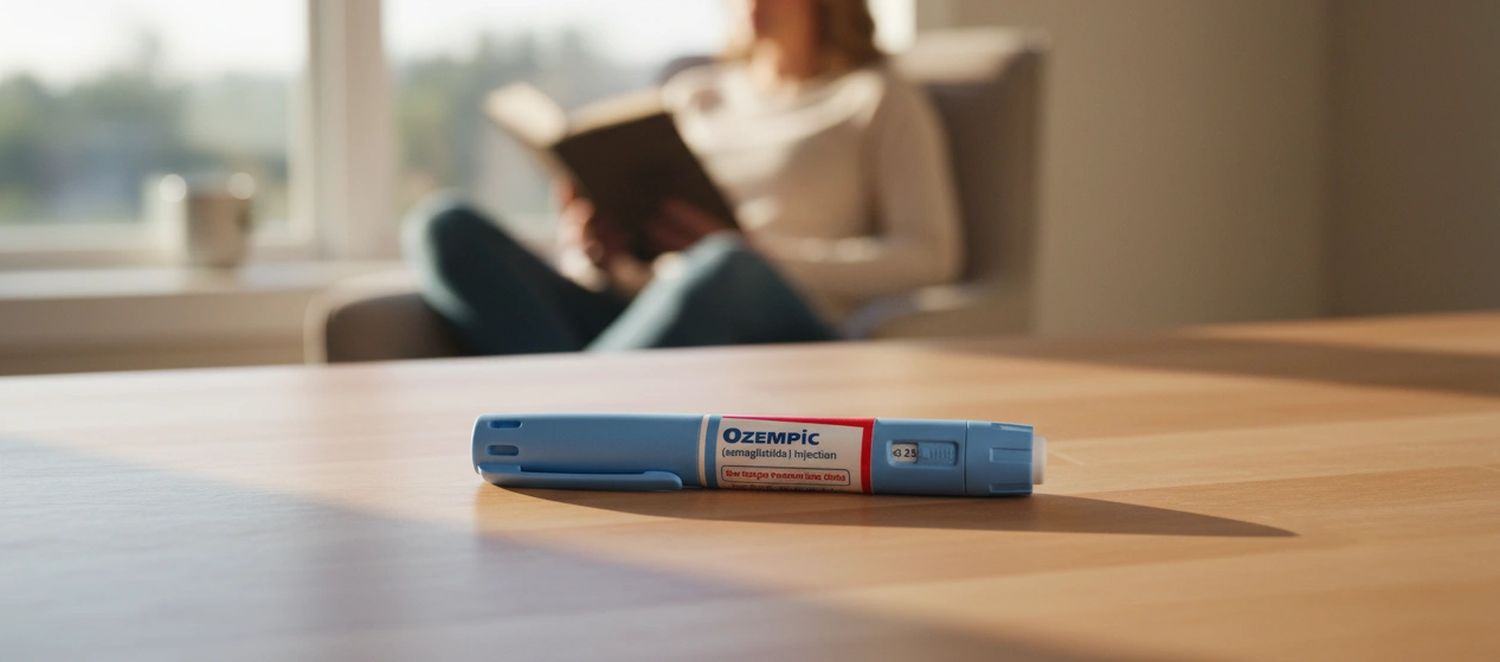
Yes, it is commonly reported, and the cause is usually not a direct sedating effect of the medication. It is what happens around the injection: appetite suppression peaks in the day or two afterward, intake drops, hydration drops with it, and the result is fatigue that arrives on a predictable weekly schedule.
That predictability is useful. A tiredness that lands reliably on the same day each week and eases later in the week points at the dose cycle. A tiredness that is constant across the whole week points somewhere else, and that distinction is the most useful thing in this article.
Why the day after
Semaglutide absorbs slowly, with concentrations peaking one to three days after a dose. The strongest appetite suppression, and therefore the biggest drop in what you eat and drink, tends to follow rather than coincide with injection day.
So the sequence is: inject, appetite drops, intake drops, energy drops. Each step is a day or so behind the last.
The usual contributors
Not eating enough. The largest one. A meaningful energy deficit produces fatigue directly, and on this medication people frequently eat far less than they intend without noticing.
Dehydration. Thirst becomes an unreliable prompt when appetite is suppressed. Mild dehydration causes fatigue before it causes anything more obvious.
Inadequate protein. When total intake falls, protein usually falls furthest, and that affects energy and muscle preservation together.
Nausea and disrupted sleep. Feeling unwell overnight costs you rest even if you do not fully wake.
Rapid weight loss. Losing quickly is more tiring than losing gradually.
Low blood sugar, uncommon on semaglutide alone but relevant if you also take insulin or a sulfonylurea.
Consider this scenario: a patient injects Sunday morning and by Monday afternoon can barely function. Reviewing the actual days, Sunday they ate a small breakfast and nothing else, and Monday they had coffee and half a sandwich, with maybe two glasses of water across both days. That is not a drug effect. That is two days of substantial under-fueling.
What actually helps
Eat enough, deliberately. This is the fix that works most often. Appetite suppression removes the prompt to eat, so eating becomes something you schedule rather than something you respond to.
Prioritize protein. Adequate protein supports energy and helps preserve muscle during weight loss.
Hydrate on a schedule. Not on thirst. Front-load the day of and day after your injection.
Do not stack your injection against a demanding day while you are still working out your pattern. Many people move their injection so the heaviest day lands on a weekend.
Keep moving. Counterintuitively, gentle activity usually helps fatigue more than rest does, and resistance training helps preserve the muscle that supports your energy levels. Our guide on exercise fatigue on GLP-1 medications covers why the gym feels harder and what helps.
Track it for three weeks. Note injection day, what you ate, what you drank, and your energy. The pattern usually makes the cause obvious.
When fatigue is worth investigating
The important distinction is cyclical versus constant.
Cyclical fatigue, worst in the day or two after your injection and better later in the week, is usually the intake and hydration picture above.
Constant fatigue across the whole week, or fatigue that is getting worse over months rather than better, deserves testing rather than assumptions. Worth considering:
- Anemia, particularly with reduced intake over months
- Thyroid dysfunction, which presents with fatigue, cold intolerance, and dry skin
- B12 or vitamin D deficiency
- Sleep apnea, which is common and frequently undiagnosed
- Depression, which is easy to attribute to something physical
Several of these are simple blood tests. If you have been tired for months and eating adequately, ask for them.
Our guide on GLP-1 medications and energy levels covers what is expected during treatment and what is not.
Call your provider if
- Fatigue is constant rather than cyclical
- It is severe enough to affect work or driving
- It is worsening over months
- It comes with dizziness, breathlessness, or a racing heart
- It comes with feeling cold all the time, hair thinning, or dry skin
- You cannot eat enough to function
- You take insulin or a sulfonylurea and have symptoms suggesting low blood sugar
Also call if it started or worsened right after a dose increase, because holding at your current dose longer is a standard and reasonable adjustment. Our guide on when to increase your Ozempic dose covers what your provider weighs.
Does it improve?
For most people, yes. Side effects including fatigue tend to be most pronounced in the early weeks and after each dose increase, then ease as the body adapts. People who settle at a maintenance dose with adequate intake often stop noticing it entirely.
The people for whom it does not improve are usually the ones eating too little, and that is worth fixing rather than tolerating. Under-eating on this medication is common, easy to do accidentally, and produces fatigue, cold intolerance, hair changes, and muscle loss together.
What not to do
Do not eat less to lose faster. Fatigue is often the signal that you have already gone past the useful point.
Do not skip your dose to avoid a tiring day. Talk to your provider about moving your injection day instead.
Do not rely on caffeine to cover it. More coffee with less food is a different exposure and can cause its own problems.
Do not assume months of fatigue is just the medication. Get it checked.
The short version
Common, usually caused by the drop in food and fluid that follows peak appetite suppression, and largely fixable by eating and drinking deliberately rather than by appetite. Cyclical fatigue points to intake. Constant fatigue points to something worth testing.
If you want a provider who will order labs rather than attributing everything to the medication, see whether TrimRx is a fit for you.
This information is for educational purposes and is not medical advice. Consult with a healthcare provider before starting any medication. Individual results may vary.

Transforming Lives, One Step at a Time
Keep reading

Playing in a Tennis League on Ozempic
Joining a tennis league is one of the best things you can do for fitness, friendship, and a bit of friendly competition. Many adults…

Sledding and Ice Skating With the Grandkids on Ozempic
Winter break with grandchildren often means sledding hills, outdoor rinks, and snowball fights in the yard. For many grandparents who have lost weight on…

Hosting a Quinceañera on Ozempic
A quinceañera is one of the biggest days in a family’s life. There is a Mass or blessing, photos, a grand entrance, the court’s…


