Best Foods to Eat on Ozempic for Steady Weight Loss

Best Foods to Eat on Ozempic for Steady Weight Loss
Ozempic has changed how millions of adults manage type 2 diabetes and weight, but the medication works best when paired with the right diet. For anyone wondering what to eat on Ozempic, the answer matters more than it might seem. Because the medication reduces appetite and changes digestion, food choices directly affect both results and comfort.
Let’s cover the best foods to eat on Ozempic, which foods to avoid, how to build a practical meal plan, and how to use diet to manage common side effects.
How Ozempic Works and Why Diet Matters
Before choosing specific foods, it helps to understand what the medication does inside the body.
Ozempic Belongs to a Class Called GLP-1 Receptor Agonists
Semaglutide, the active ingredient in Ozempic, mimics a natural hormone called GLP-1. This hormone regulates blood sugar, signals fullness to the brain, and slows digestion. Drugs like Ozempic work by activating these same pathways, which is why they help with weight loss and blood sugar control at the same time.
Ozempic Slows Digestion
One of the main effects of Ozempic is slower gastric emptying. Food stays in the stomach longer than usual, which helps people feel full on less food. The downside is that large meals, fatty foods, and greasy dishes can sit in the stomach for hours and trigger nausea, bloating, or reflux.
Appetite Drops and Food Intake Shrinks
Most patients taking Ozempic eat fewer calories without trying. That creates a nutritional challenge: every meal needs to deliver more protein, fiber, vitamins, and minerals per bite, because there simply is not room for empty calories. A balanced diet becomes essential, not optional.
Blood Sugar Stabilizes
Ozempic improves insulin response and smooths out blood sugar spikes. Meals built around protein, fiber, and whole grains support this effect, while high-sugar foods and ultra-processed foods work against it.
The Best Foods to Eat on Ozempic
1. Lean Protein Comes First
Protein is the single most important nutrient for people on a GLP-1 medication. Losing weight quickly can include losing muscle, and adequate protein intake, generally 60 to 100 grams per day depending on body size, helps preserve muscle mass during weight loss. Protein also promotes fullness and supports steady blood sugar.
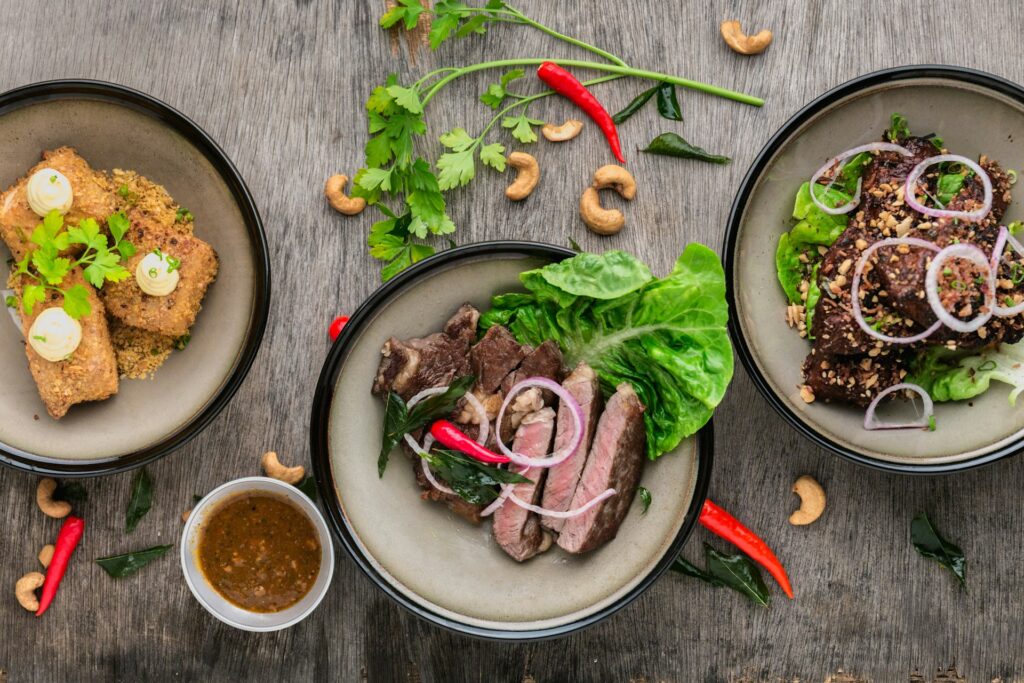
Good options include:
- Chicken and turkey breast: versatile, easy to digest, and high in protein per calorie
- Fish: salmon, cod, tilapia, and tuna provide protein plus omega-3 fatty acids
- Eggs and egg whites: a complete protein that works well for small appetites
- Greek yogurt: high in protein and generally well tolerated; plain varieties avoid added sugars
- Cottage cheese: soft, mild, and protein-dense
- Tofu, tempeh, and legumes: beans, lentils, and edamame offer plant-based protein plus fiber
- Protein shakes: useful on days when solid food feels like too much
A practical approach is to eat protein first at every meal, since fullness can arrive quickly.
2. Fruits and Vegetables
Fruits and vegetables provide fiber, vitamins, and volume without many calories. They also support digestion, which matters because constipation is a common side effect of Ozempic.
Well-tolerated choices include:
- Leafy greens such as spinach, kale, and romaine
- Broccoli, cauliflower, zucchini, and green beans
- Cucumbers, bell peppers, and tomatoes
- Berries, apples, oranges, and melon
Some people find that large amounts of raw cruciferous vegetables cause gas and bloating on semaglutide. Cooking vegetables until tender usually solves this problem.
3. Whole Grains and Complex Carbohydrates
Carbohydrates are not off-limits, but quality and portion size matter. Complex carbs digest slowly and support steady blood sugar, which aligns with how Ozempic works.
Recommended sources:
- Oatmeal: gentle on the stomach and high in soluble fiber
- Whole grains like quinoa and brown rice: nutrient-dense grain options
- Sweet potatoes: rich in fiber, potassium, and vitamin A
- Whole grain bread and wraps: in moderate portions
- Beans and lentils: a double benefit of protein plus fiber, though smaller portions may be needed to avoid gas
4. Healthy Fats in Moderation
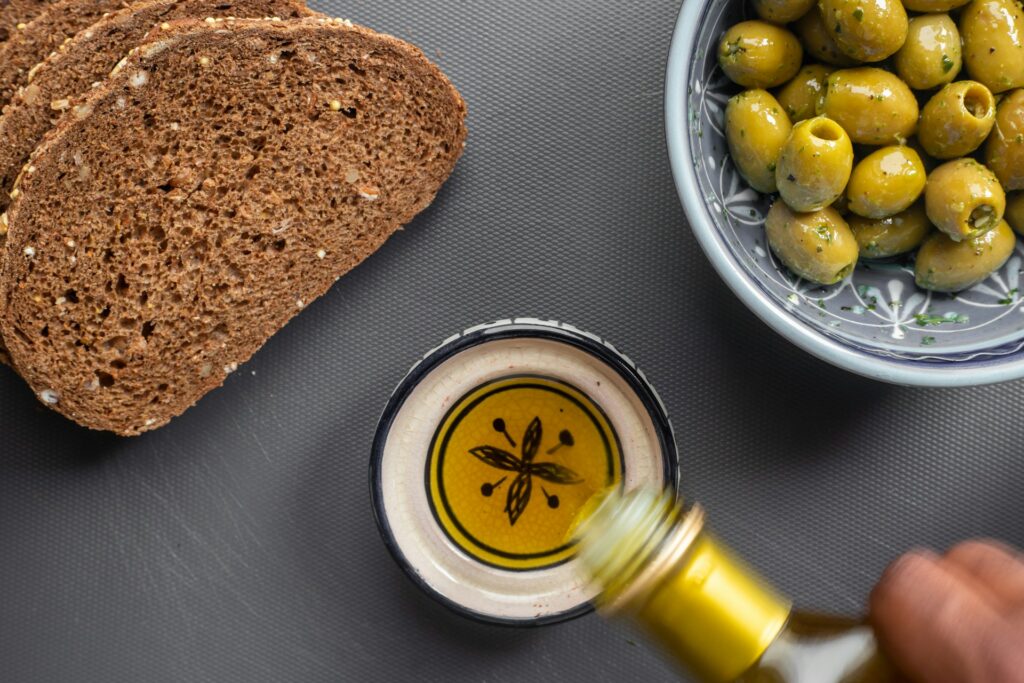
Fat is essential, but high-fat meals are a common nausea trigger on Ozempic because fat slows gastric emptying even further. Small amounts of healthy fats are the right target.
Good options include:
- Avocado in modest servings (a quarter to a half)
- Olive oil used lightly in cooking
- Nuts and seeds in small portions (about an ounce)
- Fatty fish like salmon, which delivers protein and fat together
5. Hydrating Foods and Fluids
Drinking enough fluid is an underappreciated part of any Ozempic diet plan. Reduced appetite often comes with reduced thirst, and nausea and vomiting can make dehydration worse. Water-rich foods help:
- Watermelon, strawberries, oranges, and grapes
- Cucumber and celery
- Broth-based soups
- Herbal teas and electrolyte drinks without added sugar
Most clinicians recommend roughly 64 ounces of fluid per day, sipped steadily rather than gulped around meals.
Ozempic Foods to Avoid
Knowing which foods to avoid on Ozempic is just as important as knowing what to eat. Certain foods consistently cause problems for semaglutide patients or undermine the medication’s effects.
a) Fried Foods and Fatty Foods
Burgers, fries, fried chicken, and pizza are the most common nausea triggers. The combination of high fat and slow gastric emptying frequently leads to hours of discomfort, reflux, or vomiting. These Ozempic foods to avoid tend to be high in calories and low in nutrition as well.
b) High-Sugar Foods
Candy, soda, pastries, and sweetened coffee drinks spike blood sugar and add calories with no nutritional benefit. Foods high in added sugars work directly against the blood sugar improvements Ozempic provides. Some patients also report that very sweet foods become unappealing or cause queasiness on the medication, which is a helpful effect worth leaning into.
c) Ultra-Processed Foods
Chips, crackers, packaged snacks, and fast food offer little protein or fiber and are easy to overeat. When appetite is limited, these foods displace more nutritious foods that the body actually needs.
d) Alcohol
Alcohol can worsen nausea and dehydration, and it adds empty calories. For patients with type 2 diabetes, alcohol may increase the risk of low blood sugar. Most healthcare providers recommend limiting intake significantly or avoiding it, especially during dose increases.
e) Carbonated Beverages and Spicy Foods
These affect patients differently, but both are frequent complaints. Carbonation can increase bloating and reflux when food stays in the stomach longer, and spicy meals can aggravate nausea in some people. Anyone experiencing nausea after these foods should scale back and see whether symptoms improve.
Building an Ozempic Meal Plan
A good diet while taking Ozempic is less about strict rules and more about structure. These principles form the backbone of a workable meal plan.
Eat Smaller Meals More Often
Three large meals rarely work well on semaglutide. Eating smaller meals, roughly four to six eating occasions spread across the day, tends to be easier on the stomach and makes it easier to hit protein targets. Smaller portions also reduce the chance of triggering side effects like nausea.
Prioritize Protein First
A simple rule used by many registered dietitians who work with GLP-1 patients: protein first, vegetables second, carbohydrates last. If fullness cuts a meal short, the most important nutrients have already been eaten.
Eat Slowly and Stop at the First Sign of Fullness
Ozempic amplifies fullness signals, but there is often a delay. Eating quickly makes it easy to overshoot and end up nauseated. Putting utensils down between bites and pausing mid-meal helps patients recognize when they feel full before it becomes discomfort.
Do Not Skip Meals Entirely
Low appetite can make skipping meals tempting, but going all day without eating and then having one large meal often triggers nausea and makes adequate protein intake nearly impossible. Even a small protein shake or a cup of Greek yogurt is better than nothing.
Sample Day of Eating on Ozempic
A realistic day on an Ozempic diet plan might look like this:
- Breakfast: Two scrambled eggs with spinach and a slice of whole grain toast, plus water or herbal tea
- Mid-morning: Plain Greek yogurt with a handful of berries
- Lunch: Grilled chicken over a small salad with olive oil dressing and quinoa
- Afternoon: A protein shake or cottage cheese with cucumber slices
- Dinner: Baked salmon, roasted sweet potato, and steamed green beans
- Hydration: Water sipped throughout the day, totaling around 64 ounces
Portions will vary by individual, and patients at higher doses may eat even less. The goal is nutritional density, not volume.
Diet, Exercise, and Long-Term Weight Management
Ozempic helps people eat fewer calories, but the medication is only part of the picture. Long-term weight loss depends on pairing the prescription with sustainable lifestyle changes, including a healthy diet and regular exercise.
Resistance training deserves special attention. Because patients can lose muscle along with fat, strength training two to three times per week, combined with adequate protein, protects lean mass and supports a healthier metabolism. A diet featuring protein-rich foods, fruits and vegetables, and whole grains supports weight loss during treatment and helps patients keep the weight off afterward.
How much weight a person loses on Ozempic varies, but clinical trials show average losses of 10 to 15 percent of body weight when the medication is combined with diet and exercise. Patients who treat diet and lifestyle as partners to their prescription, rather than afterthoughts, consistently see the strongest results.
Working With a Healthcare Provider on Nutrition
Dietary needs while taking semaglutide can change as appetite and portion sizes decrease. You should focus on protein, fiber, healthy fats, and other nutrient-dense foods rather than following a rigid diet. Smaller, protein-rich meals can also help reduce common side effects such as nausea and make it easier to get enough nutrition while eating less. Additionally, TrimRx provides personalized, medically supervised weight loss programs based on each patient’s health needs and treatment goals with access to compounded semaglutide and compounded tirzepatide.
Conclusion
The best foods to eat on Ozempic are lean proteins, fruits and vegetables, whole grains, and modest amounts of healthy fats, eaten in smaller meals throughout the day. Fried foods, high-sugar foods, and ultra-processed foods tend to worsen side effects and work against the medication’s benefits. Because Ozempic dramatically reduces how much a person can comfortably eat, nutritional quality matters more than quantity. Every meal is an opportunity to protect muscle, support energy, and reinforce the metabolic improvements the medication provides. Patients who build healthy habits around their prescription set themselves up for the strongest and most sustainable weight management outcomes.
Frequently Asked Questions
1. What are the best foods to eat on Ozempic?
Lean protein sources such as chicken, fish, eggs, and Greek yogurt deliver the most value for patients on semaglutide, along with fruits and vegetables, whole grains like quinoa and oats, and small amounts of healthy fats. Protein preserves muscle during weight loss, supports satiety, and is generally well tolerated. Most dietitians recommend building every meal around a protein source first.
2. What foods should be avoided while taking Ozempic?
The main foods to avoid are fried foods, fatty foods, high-sugar foods, ultra-processed snacks, and alcohol. These tend to trigger nausea and other Ozempic side effects while offering little nutrition. Carbonated drinks and spicy foods also cause problems for some patients.
3. Can people on Ozempic eat carbohydrates?
Yes. Complex carbohydrates like oatmeal, quinoa, brown rice, and sweet potatoes are appropriate and beneficial in moderate portions. They provide fiber, steady energy, and important nutrients. Refined carbohydrates and foods high in added sugars are the categories worth limiting, since they spike blood sugar and offer little nutrition.
4. How can someone avoid nausea when eating on Ozempic?
To avoid nausea, eat smaller meals, choose low-fat and bland foods during flares, eat slowly, and stop at the first sign of fullness. Avoiding greasy and fried foods helps significantly, since food stays in the stomach longer on this GLP-1 medication. Ginger tea and cold foods can also ease symptoms.
5. How much protein should someone eat while using Ozempic?
Most clinicians recommend between 60 and 100 grams of protein per day, depending on body weight, activity level, and rate of weight loss. A common guideline is 0.6 to 0.8 grams of protein per pound of goal body weight. Patients struggling to reach that target through food alone often use protein shakes as a supplement.

Transforming Lives, One Step at a Time
Keep reading

Can You Take Ozempic If You Have Food Poisoning?
Call your provider before your next scheduled dose. Food poisoning causes vomiting and diarrhea, this medication causes nausea and slows stomach emptying, and the…

What to Do If You Vomit Right After Injecting Ozempic
Your dose is fine, and you do not need to repeat it. This is the single most important thing to know, because the instinct…

Can You Donate Blood While Taking Ozempic In 2026?
Usually yes, and the decision belongs to the blood collection organization rather than to you or to a general article. Semaglutide is not on…


